
Are you thinking of bringing some unique and fascinating feathered friends into your backyard? Raising guinea hens can be an incredibly rewarding experience, but it requires careful attention to their specific needs. If you’re new to raising these wonderful birds, you might be wondering where to start – and that’s exactly why we’ve put together this comprehensive guide on how to raise happy and healthy guinea hens. In the following article, we’ll delve into essential topics such as behavior, housing, nutrition, and health care tips and best practices specifically tailored for guinea hens. By covering these critical areas, you’ll be well-equipped to provide your new flock with a safe, comfortable, and happy home – and that’s where the real fun begins!
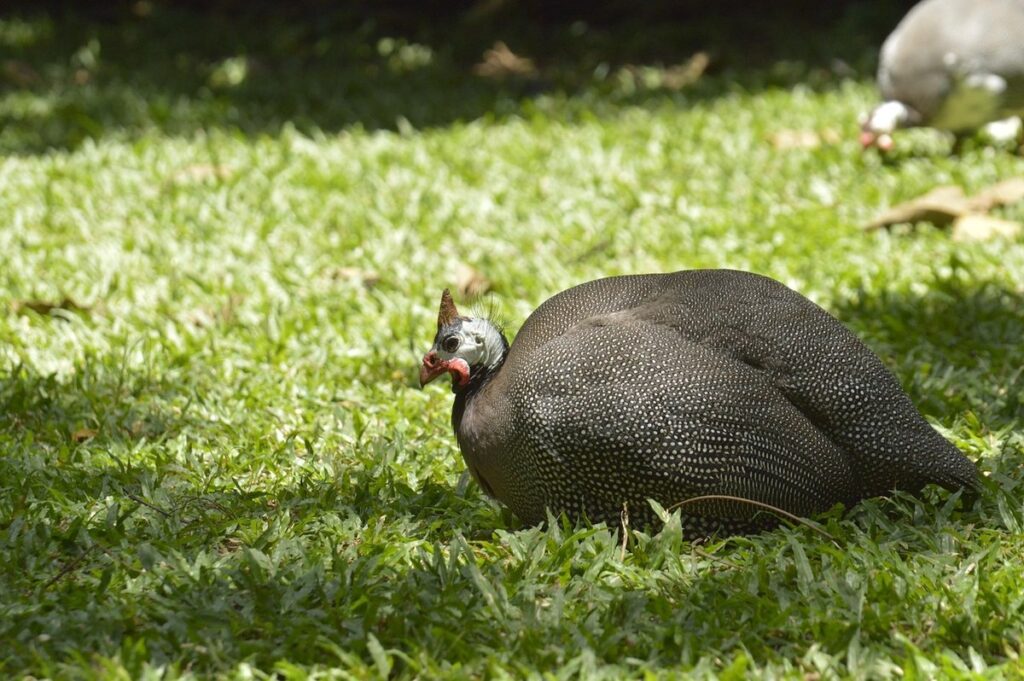
Introduction to Raising Guinea Hens
If you’re new to raising guinea hens, getting started can be overwhelming, but don’t worry, we’ll walk you through the basics of caring for these amazing birds. Let’s start with the fundamentals of introducing them to your backyard flock.
Benefits of Keeping Guinea Hens
Keeping guinea hens as pets or for small farms offers numerous benefits that make them an excellent choice. One of their most valuable assets is their ability to reduce noise levels on the farm or homestead. Unlike roosters, which can be quite loud and persistent with their crowing, guinea hens are relatively quiet and will only make a few soft clucks. This makes them an ideal option for neighbors or those who live in close proximity.
Another significant advantage of keeping guinea hens is their pest control capabilities. These birds are natural foragers and will actively hunt for ticks, slugs, and other pests that can harm plants. By introducing guinea hens to your farm or garden, you’ll not only reduce the need for pesticides but also create a healthier environment for your plants.
If you’re new to raising guinea hens, consider starting with just one or two birds to get accustomed to their needs and behavior. As you gain more experience, you can gradually add more hens to your flock. With proper care and management, guinea hens can thrive in a variety of settings, making them an excellent addition to any small farm or homestead.
Understanding Guinea Hen Behavior
Guinea hens are social birds that thrive on interaction with their human caregivers and other guinea fowl. They have a unique pecking order within their flock, which can take time to establish. It’s essential to introduce new guineas to an existing flock slowly and under close supervision to prevent injuries.
To ensure your guineas receive adequate space to roam, consider providing a large enclosure or converting a section of your yard into a guinea-proofed area. This will give them the freedom to forage and engage in natural behaviors like scratching and dust bathing.
Guinea hens require at least 2-4 square feet per bird inside their coop and 8-10 square feet outside, depending on breed size and activity level. It’s also crucial to provide a safe and secure area for them to retreat to when feeling threatened or stressed.
To promote social interaction, try introducing enrichment activities like hiding treats or toys around the enclosure. This will encourage your guineas to work together and engage in problem-solving exercises.
Choosing the Right Guinea Hens
When it comes to raising happy and healthy guinea hens, choosing the right birds for your flock is crucial. This decision sets the stage for a harmonious and thriving community.
Selecting Healthy Chicks
When selecting healthy chicks from reputable breeders or hatcheries, it’s essential to identify characteristics that indicate optimal health. Look for chicks with bright, alert eyes and a strong beak. Their legs should be straight, and their toes should not be curled inward or outward. Healthy chicks will also have soft, pliable feathers.
When inspecting the coop or brooder, check for cleanliness and adequate ventilation. Make sure the temperature is within a safe range (around 90-100°F) to prevent overheating. Also, ensure that there are no signs of stress or overcrowding, such as huddled chicks or aggressive behavior.
Ask your breeder about vaccination protocols and whether they have any guarantees against diseases common in guinea hens, like respiratory infections. Research the breeder’s reputation online and ask for references to increase your chances of getting healthy chicks.
Remember, selecting healthy chicks sets the foundation for a long and happy life for your guinea hens. Taking the time to inspect their overall health will save you stress and potential losses in the future.
Breeds and Characteristics
When it comes to choosing the right guinea hens for your farm or backyard, understanding their breeds and characteristics is crucial. There are over 20 recognized breeds of guinea hens, each with its unique temperament, size, and feather pattern. Some popular breeds include the American Guinea Hog, the Abacot Ranger, and the Rosecomb.
If you’re a beginner, consider starting with a friendly and docile breed like the American Guinea Hog or the Abacot Ranger. These birds are known for their calm nature and are often recommended for families with children. On the other hand, if you’re looking for a more energetic and active breed, the Rosecomb might be the perfect choice.
When selecting a breed, consider factors such as your available space, climate, and desired egg production. Some breeds, like the American Guinea Hog, are better suited for smaller spaces due to their compact size, while others, like the Abacot Ranger, require more room to roam.
Ultimately, research different breeds to find one that fits your lifestyle and needs. With proper care and attention, guinea hens can thrive and provide years of enjoyment.
Setting Up Your Flock
Before bringing home your new feathered friends, you’ll want to set up a safe and welcoming space for them to thrive. Let’s start by discussing how to create the perfect flock setup.
Housing Requirements
When it comes to housing requirements for guinea hens, you’ll want to provide them with a safe and comfortable space that meets their unique needs. The coop should be at least 2x3x4 feet in size, but larger is always better. A good rule of thumb is to provide about 2-4 square feet per bird inside the coop.
Ventilation is also crucial to keep your guinea hens healthy. You’ll want to ensure that there’s adequate airflow by installing windows or vents that can be opened and closed as needed. This will help prevent ammonia buildup from their droppings and keep them dry in wet weather.
Protection from predators is another key consideration. Guinea hens are prey animals, so they need a secure coop with sturdy walls and a roof that’s at least 3 feet off the ground to protect them from foxes, coyotes, and other predators. You can also consider adding hardware cloth or chicken wire around the perimeter of the run to prevent escape artists.
Consider adding roosting bars for your guinea hens to perch on, as they love to roost at night. Also, make sure the coop is easy to clean and maintain, with features like removable nesting boxes and a sloping floor that allows droppings to roll out easily.
Fencing and Enclosures
When it comes to raising happy and healthy guinea hens, providing them with adequate space to roam is crucial. Guinea hens are social birds that require a safe and secure environment to exercise and forage freely. A well-designed fencing and enclosure system will not only protect your flock from predators but also ensure they have room to move around and engage in natural behaviors.
Consider building an enclosure that provides at least 10 square feet of space per bird, taking into account the guinea hens’ tendency to dig and scratch. The enclosure should be high enough (at least 3-4 feet) to prevent flying predators from getting inside. You can use chicken wire or hardware cloth with openings of about 1 inch to keep out smaller predators like raccoons and foxes.
Make sure the fencing is sturdy and securely attached to the ground to prevent burrowing and escaping. Add some trees, shrubs, or perches to create hiding spots and visual barriers for your guinea hens, which will help them feel more secure and reduce stress.
Nutrition and Health Care
Providing a balanced diet is crucial for your guinea hens’ overall health, while also learning to identify common health issues will help you respond promptly when they arise.
Feeding Guinea Hens
When it comes to feeding your guinea hens, understanding their dietary needs is crucial for maintaining their overall health and well-being. Guinea hens are omnivores and require a balanced diet that includes proteins, carbohydrates, fruits, and vegetables. You can provide them with commercial guinea hen feed as the main staple of their diet, but it’s essential to supplement this with fresh foods.
A good quality commercial guinea hen feed should contain a minimum of 16% protein to support muscle growth and repair. Supplement your hens’ diet with fresh fruits like berries, melons, and apples, which are rich in vitamins and minerals. Leafy greens such as kale, spinach, and collard greens are also excellent additions, providing essential nutrients for healthy feathers and egg production.
In terms of treats, guinea hens love sunflower seeds, pumpkin seeds, and mealworms, but these should be given sparingly to avoid overfeeding. Avoid giving them foods high in sugar or salt, as this can lead to health problems. It’s also vital to ensure access to fresh water at all times, changing it frequently to prevent bacterial growth. By providing a balanced and varied diet, you’ll keep your guinea hens happy and healthy.
Common Health Issues
As you care for your guinea hens, it’s essential to be aware of common health issues that can affect them. One critical concern is frostbite, which can occur when their sensitive feet and combs are exposed to cold temperatures for extended periods. To prevent this, make sure they have a dry, draft-free coop with adequate ventilation. You can also provide soft bedding like straw or hay to cushion their feet.
Another condition you should watch out for is egg binding, where the hen has difficulty laying eggs due to an obstructed reproductive tract. This can be caused by a range of factors including poor nutrition and dehydration. Ensure your guinea hens have access to fresh water at all times and a balanced diet rich in calcium and protein.
Respiratory problems are also common among guinea hens, often caused by exposure to damp environments or air pollution. Keep their coop clean and well-ventilated to reduce the risk of respiratory issues. Regularly check your birds’ overall health and consult with a veterinarian if you notice any signs of illness or discomfort.
Raising Guinea Hens from Chicks to Adults
Raising guinea hens from chicks requires patience, dedication, and a solid understanding of their unique needs. In this next part, we’ll walk you through the process step-by-step.
Caring for Chicks
Caring for guinea hen chicks requires attention to their specific needs during this critical period. First and foremost, it’s essential to provide a safe and warm brooder environment. A good rule of thumb is to keep the temperature between 90°F and 95°F (32°C to 35°C) for the first week, gradually decreasing it by 5 degrees each subsequent week until it reaches around 70°F (21°C). This allows the chicks to acclimate comfortably as they grow.
It’s also crucial to ensure proper ventilation in the brooder. Guinea hen chicks can quickly succumb to ammonia buildup from their droppings if the area is not well-ventilated. A simple solution is to place a box fan near the brooder or install a few airholes to keep the air fresh and circulating.
When it comes to feeding, guinea hen chicks have different nutritional needs than adult hens. Start with a starter feed that’s formulated specifically for young poultry, containing around 18% protein. Monitor their intake closely and adjust as necessary to prevent overeating or underfeeding.
Transitioning to the Outdoors
When it’s time to transition your guinea hens from their coop or enclosure to outdoor areas, do it gradually and with care. Start by introducing them to a small, enclosed area like a fenced yard or a covered run where they can get used to fresh air and sunlight without feeling overwhelmed.
Begin by letting them out for short periods each day, around 30 minutes to an hour, to acclimate to their new surroundings. This will allow them to become familiar with the sights, sounds, and smells of the outdoors before giving them full access.
As they grow more comfortable, you can increase the time spent outside. It’s essential to supervise their every move during this transition period to prevent any potential escapes or injuries. Make sure to provide adequate shelter from extreme weather conditions, such as direct sunlight, heavy rain, or strong winds.
During outdoor excursions, keep a close eye on your guinea hens for signs of stress or fatigue. If they appear anxious or lethargic, it may be best to limit their time outside and gradually increase exposure as needed. With patience and careful observation, you’ll help ensure a smooth transition from indoor living to the great outdoors.
Tips and Best Practices
To ensure you’re giving your guinea hens the best life possible, we’ll cover some key tips and best practices that will keep them happy and healthy. These expert recommendations will help you create a thriving flock.
Handling Guinea Hens
When it comes to handling guinea hens, it’s essential to approach them gently and safely to avoid stressing them out. Start by getting to know their personalities and habits, as some guineas can be more skittish or territorial than others. When catching a guinea hen, move slowly and calmly, allowing her to become aware of your presence before attempting to pick her up. Support her body and wings, making sure not to grasp them too tightly.
If you need to restrain a guinea hen for any reason, use a towel or cloth to gently wrap around her body, making sure not to cover her eyes or mouth. Avoid picking up guineas by their legs, as this can cause injury and discomfort. Instead, scoop them up from underneath, supporting their weight with both hands.
Remember, guinea hens are social birds and thrive on interaction, so handling them regularly can help strengthen the bond between you and your flock. By being patient, gentle, and understanding, you’ll be able to build trust with your guineas, making it easier to handle them for routine care or when they need medical attention.
Integrating with Other Animals
When introducing guinea hens to other animals, it’s essential to do so gradually and under close supervision. Start by keeping them separated for a few days, allowing each species to become familiar with the sounds, sights, and scents of one another.
Begin by placing the guinea hens near the pen or enclosure where the other animals reside, but keep them separated by a fence or divider. This will allow them to get used to each other’s presence without any immediate interaction. You can also provide treats on either side of the separation to encourage good behavior and appetite.
Once they seem comfortable with each other’s presence, it’s time for a supervised introduction. Start with visual introductions – let them see each other but still keep them separated – then progress to short, supervised interactions under close observation. Be prepared to intervene if you notice any signs of aggression or stress.
By following these steps and introducing guinea hens gradually to other animals, you can create a harmonious flock that coexists peacefully. Remember, patience and vigilance are key when integrating new species into your backyard menagerie.
Frequently Asked Questions
How Often Should I Collect Eggs from My Guinea Hens?
Collecting eggs regularly will encourage your guinea hens to continue laying, reducing the risk of egg binding or other health issues. Aim to collect eggs daily, ideally early morning when they are fresh.
What If One of My Guinea Hens Falls Ill – How Do I Provide Proper Care and Treatment?
Identify signs of illness promptly (e.g., lethargy, labored breathing) and consult with a veterinarian experienced in poultry care. Keep the sick bird isolated from others to prevent infection spread, and provide a balanced diet supplemented with probiotics to boost immunity.
Can Guinea Hens Be Integrated into an Existing Flock of Chickens and Other Animals?
Yes, guinea hens can integrate smoothly into an existing flock if introduced gradually. Start by introducing them in small groups or pairs under close supervision, monitoring their behavior and adjusting as necessary to prevent conflicts.
What’s the Ideal Climate for Raising Guinea Hens – Can They Tolerate Extreme Weather Conditions?
Guinea hens are adaptable but prefer temperatures between 40°F to 80°F (4°C to 27°C). During extreme heat or cold snaps, ensure adequate shelter, ventilation, and access to clean water to prevent heat stress or frostbite.
How Do I Know if My Guinea Hens Are Getting Enough Vitamin A – What Are the Signs of Deficiency?
Monitor your guinea hens’ overall health and look for signs of vitamin A deficiency (e.g., poor feather condition, decreased appetite). Provide dark leafy greens like kale, spinach, or collard greens as treats to boost their diet with essential nutrients.