
Are you looking to start raising quails but unsure about how to create the perfect enclosure? Quail pen size is a crucial consideration that can affect not only the health and happiness of your feathered friends, but also the space constraints and climate conditions of your backyard. With so many variables at play, it’s easy to get overwhelmed by the decision-making process.
In this article, we’ll break down the benefits and drawbacks of different quail pen sizes, from small and compact to large and spacious, and explore how to select the perfect size based on your breed, climate, and available space. We’ll also delve into design considerations that will create a healthy environment for your quails, including ventilation, shelter, and access to food and water. Whether you’re a seasoned breeder or just starting out, this guide will help you find the ideal quail pen size for your needs.
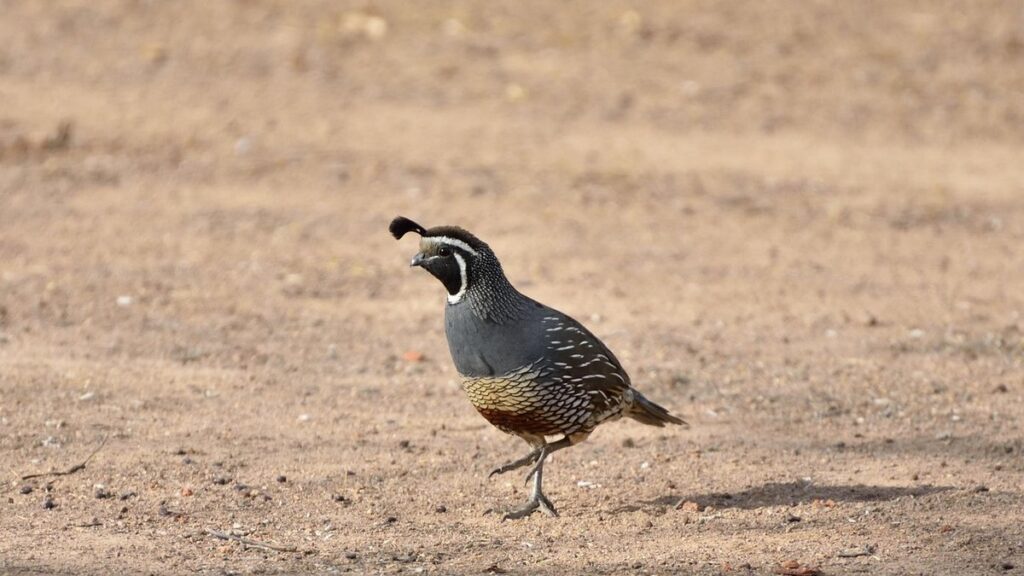
Understanding Quail Housing Requirements
To provide a safe and healthy environment for your quails, it’s essential to understand their specific housing needs, including space requirements and amenities. Let’s dive into these crucial considerations.
Quails’ Space Needs and Recommendations
When it comes to providing the perfect space for your quails, understanding their essential needs is crucial. A good rule of thumb is to allocate a minimum of 2-3 square feet per bird inside the pen, depending on breed size and activity level. For example, Japanese Quail require less space than larger breeds like Button Quail.
Consider factors such as age, sex, and egg production when choosing a quail pen size. Baby quails need more room to move around than adults, so adjust your pen accordingly. If you’re keeping multiple quails together, ensure the pen is spacious enough for them to escape from each other in case of an argument.
As for recommended pen sizes, here are some general guidelines: a single bird can thrive in a 2×3 foot enclosure, while larger breeds may require at least a 4×6 foot space. However, keep in mind that quails love to roam and exercise outside their pens, so consider providing a nearby fenced area or exercising aviary for them to stretch their wings.
Remember to also account for perches, nesting boxes, food and water containers when calculating the total pen size needed. The more amenities your quails have access to, the happier and healthier they’ll be.
Considering the Breed and Age of Quails
When it comes to choosing the right quail pen size, breed and age of your quails are crucial factors to consider. Different breeds have unique characteristics that affect their space requirements. For instance, Button Quails require less space compared to Chinese or Japanese Quails, which need more room to move around.
Age is another essential consideration when determining quail housing needs. Younger quails, typically between 4-8 weeks old, are highly energetic and require more space to roam around than older birds. In fact, a good rule of thumb is to provide at least 2-3 square feet of floor space per young quail, which can be adjusted as they mature.
If you’re unsure about the breed or age of your quails, it’s always better to err on the side of caution and opt for a larger pen size. This will not only ensure their comfort but also prevent stress and health issues that can arise from inadequate space.
Factors Influencing Quail Pen Size Selection
When choosing a quail pen size, several key factors come into play, including climate, breed type, and personal preferences that dictate your needs.
Climate and Weather Conditions
When selecting a quail pen size, it’s essential to consider the climate and weather conditions of your region. Extreme temperatures, humidity levels, and precipitation can significantly impact quail health and behavior, which in turn affects their needs for space and shelter.
For example, in hot and humid climates like Florida or Texas, quails may require more ventilation and shade to prevent heat stress. A larger pen size with adequate airflow and shaded areas would be necessary to ensure the birds’ comfort and safety. On the other hand, in colder regions like the Northeast, a smaller pen size with insulation and wind protection might be sufficient to keep the quails warm.
Consider the following climate-specific factors when choosing a quail pen size:
• In coastal areas prone to hurricanes or strong winds, pens should be designed with sturdy structures and secure enclosures.
• Regions with heavy rainfall or flooding may require pens with raised floors or water-resistant materials.
• Areas with intense sunlight can benefit from pens with UV-blocking materials or strategically placed shade structures.
By taking these climate-specific considerations into account, you can create a quail pen that meets the unique needs of your region and promotes healthy, happy birds.
Availability of Space and Resources
When it comes to choosing the right quail pen size, one of the most significant factors to consider is the availability of space and resources. Many backyard farmers and quail enthusiasts face the challenge of limited land, budget constraints, or resource limitations that can impact their quail pen selection.
If you’re working with a small yard or have limited space, don’t worry – there are still options for keeping happy and healthy quails. Consider starting small with a 2×4 foot enclosure, which is perfect for 5-6 birds. This size allows for easy cleaning and maintenance while providing ample room for the quails to move around.
On the other hand, if you have limited resources or a tight budget, prioritize your needs. Quails require a minimum of 1 square foot per bird inside the pen, so calculate your space requirements accordingly. You can also repurpose old materials like pallets or wire mesh to create a cost-effective quail enclosure. Remember, it’s not about the size of the pen, but rather the quality and comfort it provides for your feathered friends.
Benefits and Drawbacks of Different Quail Pen Sizes
When it comes to choosing the right quail pen size, understanding the pros and cons is crucial. This section explores the benefits and drawbacks of various pen sizes to help you make an informed decision.
Small Pens (Less Than 2×3 Feet)
Small quail pens that measure less than 2×3 feet can be suitable for short-term housing or for experienced quail keepers who closely monitor their birds’ behavior. However, it’s essential to consider the potential drawbacks of confining your birds to such small spaces.
One significant concern with smaller quails is the increased risk of health problems due to reduced exercise and stress. When there isn’t enough room to move around, quails may develop behavioral issues like feather pecking or cannibalism. For instance, a study by the University of Kentucky found that birds housed in small cages were more prone to respiratory infections.
Moreover, smaller pens can exacerbate aggression among birds, leading to fights and injuries. With less space to retreat, your quails may become stressed and irritable, making them more likely to attack each other. To mitigate these risks, it’s crucial to provide a spacious environment that allows for adequate exercise and socialization. If you do opt for a small pen, ensure it has plenty of perches, toys, and enrichment activities to keep your quails engaged and stimulated.
Medium-Sized Pens (2×3 to 4×6 Feet)
Medium-sized quail pens offer a great balance between health and cost considerations. These pens typically range from 2×3 to 4×6 feet in size and provide enough space for a moderate number of birds, usually between 10-20 individuals.
One significant advantage of medium-sized pens is the reduced risk of health issues associated with overcrowding. With ample room to move around, quails are less likely to develop stress-related problems, such as feather pecking or respiratory infections. This, in turn, translates to lower veterinary bills and a healthier flock overall.
However, it’s essential to note that medium-sized pens often require more complex infrastructure, which can increase the initial investment. You may need to install larger nesting boxes, deeper perches, and a more extensive feeding system. While these costs might be higher upfront, they also provide long-term benefits in terms of reduced health issues and improved egg production.
When selecting a medium-sized pen, consider factors like your available space, budget, and the specific needs of your quail flock.
Design Considerations for Quail Pens
When designing a quail pen, there are several key considerations to ensure your birds have enough space to roam and exercise comfortably. This includes optimal cage size, ventilation, and perching areas.
Perches, Nesting Boxes, and Roosting Bars
When it comes to designing quail pens, incorporating perches, nesting boxes, and roosting bars is crucial for the health and well-being of these birds. Perching space is not just a matter of providing multiple branches; it’s about ensuring that quails have enough room to stretch their legs and wings.
Aim to provide at least 10-15 inches of perching space per bird, taking into account their age and size. Quails need this vertical space to exercise, which helps maintain strong legs and a healthy appetite. Place the perches in various locations within the pen to encourage movement and reduce stress caused by confinement.
Nesting boxes should be placed at least 6-8 inches off the ground to prevent nesting material from being scattered outside. Position them facing east or south to ensure proper ventilation and warmth, as quails often prefer a cozy spot with direct sunlight. As for roosting bars, consider incorporating them near the perches, allowing quails to rest securely while still providing ample space to stretch their wings.
When planning your quail pen, remember that each bird requires individual access to perching areas, nesting boxes, and roosting bars. A general rule of thumb is to provide one perch for every 2-3 birds, but this may vary depending on the species, age, and size of your quails.
Ventilation, Lighting, and Temperature Control
When designing a quail pen, providing healthy conditions for your birds should be top of mind. One key aspect to consider is ventilation. A well-ventilated pen allows for airflow exchange, which helps prevent the buildup of toxic gases and moisture that can lead to respiratory issues.
Aim for at least 1 square foot of floor space per bird with adequate vertical space for flight. This ensures birds can spread their wings comfortably and engage in natural behavior like flying, which aids circulation and improves overall health.
Lighting is also crucial, as quails require a photoperiod of around 14 hours of light to regulate their circadian rhythms. Natural light should be supplemented with artificial lighting, specifically LED bulbs, which emit less heat and are gentler on the birds’ sensitive eyes.
Temperature control is vital, as quail eggs can be damaged if exposed to extreme temperatures. Keep your pen at a comfortable range between 65°F to 75°F (18°C to 24°C), depending on your climate and the season.
Best Practices for Building or Purchasing Quail Pens
When building or purchasing quail pens, it’s essential to consider a few key best practices to ensure a safe and healthy environment for your birds. Proper ventilation, space allocation, and material selection are crucial considerations.
DIY vs. Purchased Pens: Pros and Cons
When it comes to building or purchasing a quail pen, you’ll inevitably face the decision of whether to DIY or buy one. While both options have their advantages and disadvantages, understanding these will help you make an informed choice that suits your needs.
Building a quail pen from scratch can be cost-effective in the long run, as you can source materials at a lower price point. However, it requires a significant amount of time and labor to design and construct the enclosure, which may not be feasible for busy hobbyists. Additionally, if you’re new to building projects, you risk creating a subpar pen that compromises on durability.
On the other hand, purchasing a quail pen offers convenience and peace of mind. Commercially available pens often come with warranties and are built with quality materials, ensuring they can withstand harsh weather conditions and heavy use. However, this option typically comes with a higher upfront cost, which may be out of budget for smaller-scale quail keepers.
Ultimately, the decision between DIY and purchased pens depends on your specific situation and priorities. If you value customization options and have the time to devote to building, then DIY might be the way to go. But if you’re short on time or want a hassle-free solution, purchasing a high-quality pen is likely the better choice.
Maintenance and Upkeep of Quail Pens
Maintaining a quail pen is crucial to ensure the health and well-being of your birds. A clean and safe environment not only prevents diseases but also promotes happy and thriving quails. Regular cleaning should be done at least twice a week, focusing on removing soiled bedding materials, disinfecting food and water dishes, and scrubbing any surfaces with mild detergent.
Inspecting the pen regularly is equally important. Look for signs of damage, wear, or potential escape routes. Check for any gaps in fencing, loose wires, or broken perches that can harm your quails. Make necessary repairs promptly to prevent accidents and keep your birds safe.
Additionally, inspecting your quail’s living space can help you identify potential issues early on. Be sure to check for signs of pests, such as mites, ticks, or rodents, which can spread diseases among the flock. Clean and replace any infested materials immediately. Regular maintenance also includes monitoring temperature fluctuations and providing adequate ventilation to prevent respiratory problems.
Remember, a well-maintained quail pen is essential for raising happy, healthy birds.
Conclusion: Choosing the Ideal Quail Pen Size
In conclusion, choosing the ideal quail pen size is crucial for your birds’ well-being and health. Based on our discussion of factors such as quail breed, age, climate, and activity level, you should now have a better understanding of what to consider when selecting a quail pen size. A general rule of thumb is to provide at least 2-3 square feet of space per bird in the pen area, with additional room for nesting boxes and feeding areas. This will give your quails ample room to move around, exercise, and engage in natural behaviors.
When shopping for a quail pen, don’t be afraid to customize or modify it to meet your specific needs. Consider adding dividers or partitions to create separate areas for different activities or groups of birds.
Frequently Asked Questions
What’s the ideal quail-to-space ratio for a backyard setup?
When planning your backyard quail pen, consider allocating at least 2-3 square feet per bird inside the enclosure. However, this can be adjusted depending on breed size and activity level. For example, if you have a large number of Japanese Quails, you may want to allocate more space due to their smaller size.
Can I use an existing coop or pen for my quails, or do I need a dedicated space?
While it’s possible to convert an existing coop or pen for your quails, consider the specific needs and requirements mentioned in this article. A dedicated quail pen will ensure you can provide the necessary amenities and ventilation for your birds’ health and happiness.
How often should I clean my quail pen, and what are some essential cleaning tools?
Quail pens require regular maintenance to keep them clean and healthy. We recommend cleaning the pen at least once a week, removing soiled bedding and replacing it with fresh material. Essential cleaning tools include gloves, scrub brushes, and disinfectants.
What’s the difference between a quail pen and a chicken coop in terms of design and functionality?
While both quail pens and chicken coops provide housing for birds, they differ significantly in design and functionality. Quail pens typically require more ventilation, better shelter options, and easy access to food and water due to their smaller size and specific needs.
Can I raise other types of birds alongside my quails, or are quail-specific pens necessary?
While it’s possible to raise multiple bird species together, consider the different housing requirements and potential conflicts between breeds. Quail-specific pens can be designed with these factors in mind, providing a harmonious coexistence for your feathered friends.