
Are you thinking of raising geese in your backyard or on your farm? Before bringing these beautiful birds into your life, it’s essential to consider their unique needs and requirements. Proper goose housing is crucial for maintaining a safe and healthy environment. But what exactly does that mean? From understanding the behavior and social structure of geese to adhering to local regulations and industry benchmarks, designing suitable goose housing can be a daunting task.
In this article, we’ll provide expert tips on creating the perfect space for your feathered friends. We’ll delve into the key factors to consider when building or renovating goose housing, including size, ventilation, and nesting areas. Whether you’re a seasoned geese owner or just starting out, our advice will help ensure that your backyard or commercial geese thrive in their new home.
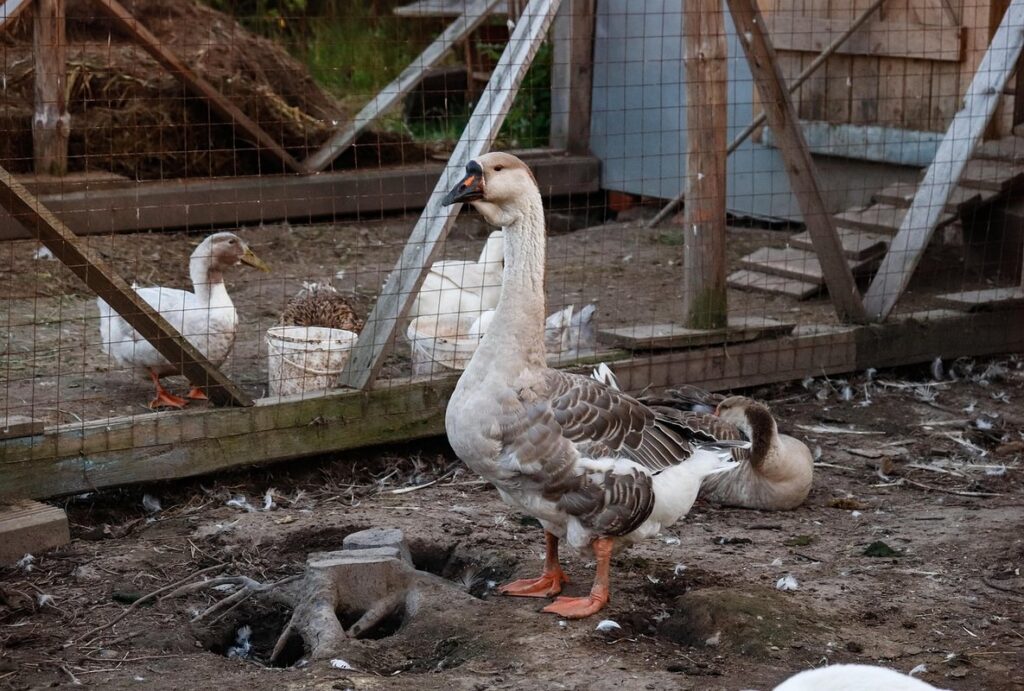
Understanding Goose Behavior and Needs
To create a harmonious living space for your geese, it’s essential to understand their behavior and needs. This includes their social requirements, dietary needs, and natural behaviors that inform housing design.
Recognizing Social Structure and Space Requirements
When designing suitable housing for geese, it’s essential to understand their social behavior and space requirements. Geese are highly social animals that form close bonds with each other, often staying within a small group known as a “gaggle.” Within this group, they establish a hierarchical structure, with dominant birds leading the way.
To accommodate their complex social dynamics, goose housing should be designed to provide ample space for movement and interaction. A minimum of 10-15 square feet per bird is recommended, but larger spaces can be beneficial in promoting natural behavior. Consider providing separate areas for feeding, resting, and exercise to prevent overcrowding and stress.
When selecting a location for your goose housing, consider the availability of natural light, ventilation, and access to water. Geese need room to roam and engage in instinctual behaviors like foraging and dust bathing. By understanding their social structure and space needs, you can create an environment that promotes their physical and emotional well-being.
Providing Adequate Nutrition and Water Access
When it comes to providing adequate nutrition and water access for your geese, you want to ensure that their basic needs are met. In confined spaces like housing units, fresh water and a balanced diet become even more crucial. Geese require a varied diet rich in nutrients, including proteins, vitamins, and minerals.
Aim to provide high-quality commercial pellets as the main staple of their diet, supplemented with fresh fruits and vegetables daily. You can also offer grains like oats or barley, but ensure they’re not overfed, as this can lead to obesity. Fresh water should always be available in a clean, easily accessible container. Change the water frequently to prevent bacterial growth.
In addition to a balanced diet, geese need adequate minerals and vitamins, especially calcium for strong eggshell production if you have laying hens. Consider using a supplemental mineral block or adding crushed oyster shells to their feed to ensure they get all necessary nutrients.
When housing multiple birds together, provide separate feeding areas to prevent overcrowding and competition for food. Clean the feeding area regularly to maintain hygiene standards.
Housing Types: Options for Backyard and Commercial Use
When it comes to providing a comfortable home for your geese, you’ll want to consider various housing options that suit both backyard and commercial settings. Let’s explore some popular types of goose houses.
Coop Designs for Small-Scale Goose Keeping
When it comes to small-scale goose keeping, having a well-designed coop is crucial for the health and well-being of your birds. A suitable coop design should consider factors such as size, ventilation, and materials to ensure that your geese have a comfortable living space.
One popular option for small-scale goose keeping is the use of wooden coops with a sloping roof. These coops are easy to build or purchase, and can be customized to fit your specific needs. For example, you could add windows for natural light, or install a ventilation system to regulate temperature and humidity levels. A good rule of thumb when building or selecting a coop is to provide at least 2-3 square feet of floor space per goose.
When it comes to materials, consider using durable and weather-resistant options such as cedar or cypress wood. These types of wood are resistant to rot and insect damage, making them an ideal choice for a coop. Additionally, you may want to consider adding a predator-proof enclosure around the coop to protect your geese from potential threats.
It’s also essential to include adequate ventilation in your coop design. This can be achieved through the use of windows, vents, or even a solar-powered ventilation system. Good airflow will help to regulate temperature and humidity levels within the coop, keeping your geese comfortable year-round.
Large-Scale Facilities for Commercial Operations
Large-scale facilities for commercial operations require careful planning to balance efficiency with animal welfare. When it comes to goose housing, this means designing systems that prioritize the health and well-being of the geese while minimizing labor costs and environmental impact.
A key consideration is feeding systems, which can be either automated or manual. Automated feeders are ideal for large flocks, as they minimize waste and ensure consistent access to food. However, manual feeders may be more suitable for smaller operations where flexibility is necessary. It’s essential to choose a feeder that fits your specific needs and allows for easy cleaning.
Manure management is another critical aspect of commercial goose housing. Regular cleaning and disposal are crucial to prevent the buildup of ammonia and other toxins. Consider investing in a mechanical scraper or conveyor system to simplify manure removal. Predator protection is also vital, as geese can be vulnerable to aerial threats like hawks and owls. Installing netting or mesh around enclosures can provide an effective barrier against predators while maintaining airflow and visibility.
Housing Components: Walls, Roofs, Fencing, and Doors
When it comes to building your geese a safe and cozy home, don’t forget to consider the walls, roofs, fencing, and doors – each plays a crucial role in their overall well-being.
Choosing the Right Materials for Walls and Roofs
When it comes to choosing materials for walls and roofs of your goose housing, durability is key. Harsh weather conditions can be unforgiving, especially for waterfowl that require protection from the elements. Selecting weather-resistant materials will minimize maintenance and ensure a safe environment for your geese.
Consider using wood as an option for walls and roofs. Pressure-treated pine or cedar are excellent choices due to their natural resistance to rot and insects. However, keep in mind that they may still be prone to warping if exposed to excessive moisture.
For more durable alternatives, metal and plastic are worth considering. Metal roofing is an excellent choice, as it can withstand heavy snowfall and strong winds while keeping your geese dry. Plastic materials like polycarbonate or corrugated roofing panels offer similar benefits and come in a range of colors to suit your needs.
When selecting materials, also consider the ease of cleaning and disinfecting. A smooth surface will make maintenance much simpler than a textured one. Ultimately, choose options that balance durability with practicality for efficient upkeep and a healthy environment for your geese.
Ensuring Secure Fencing and Predator-Proofing Measures
When it comes to creating a safe and secure goose habitat, fencing is one of the most critical components. Geese are notorious for their ability to fly over low fences, so it’s essential to choose a sturdy fence that can contain them effectively.
A good starting point is to consider a fence height of at least 8 feet (2.4 meters) to prevent geese from flying over. You can also opt for a taller fence, up to 10 feet (3 meters), if you live in an area with high predator activity or where geese are particularly skilled flyers.
In addition to choosing the right height, it’s equally important to select a fencing material that can withstand various weather conditions and potential damage from geese. Wooden fences, for instance, are popular choices but may require regular maintenance to prevent rotting. Metal fences, on the other hand, are more durable and low-maintenance but may be more expensive upfront.
To further enhance security, consider adding additional features such as:
• Using hardware cloth or chicken wire with openings of 1 inch (2.5 cm) or smaller to prevent predators from reaching the geese
• Installing a roof or canopy over the fence to block aerial predators and provide shade for the geese
• Adding a gate that can be securely locked to prevent unauthorized entry
Health and Hygiene Considerations in Goose Housing
When it comes to keeping your geese healthy, proper housing is crucial. Let’s dive into the essential health and hygiene considerations for a happy, thriving flock.
Maintaining Cleanliness and Preventing Disease Outbreaks
Maintaining cleanliness and preventing disease outbreaks are crucial aspects of goose housing. Geese are highly susceptible to diseases due to their crowded living conditions and strong social bonds. Regular cleaning and disinfection practices are essential to prevent the transmission of diseases among geese.
To maintain a clean environment, ensure that all surfaces, including walls, floors, and feeding and watering areas, are cleaned regularly with a mild detergent and disinfected with a solution of 1 part bleach to 10 parts water. Mop or sweep the floors daily, and change bedding material frequently to prevent bacterial growth.
Additionally, consider implementing the following practices:
• Clean all equipment, including feeders and drinkers, at least once a week.
• Remove any debris, feathers, or droppings immediately to prevent disease transmission.
• Encourage geese to exercise outdoors regularly to reduce stress and improve overall health.
• Consider installing automatic cleaning systems for feeding and watering areas.
By implementing these practices, you can help maintain a clean environment that minimizes the risk of disease outbreaks among your geese. Regular monitoring and maintenance will also help detect any issues early on, allowing for prompt action to be taken.
Strategies for Managing Lice, Mites, and Other Pests
When it comes to maintaining healthy and happy geese, managing lice, mites, and other pests is crucial. These external parasites can cause significant stress, discomfort, and even health issues for the birds. Lice infestations, for instance, can lead to skin irritation, anemia, and reduced egg production.
To prevent pest problems, natural deterrents like diatomaceous earth (DE) can be applied to goose feathers and living areas. DE is a non-toxic, organic powder that dehydrates lice and mites, making it impossible for them to survive. Regular cleaning of the coop with soap and water, as well as maintaining good ventilation, also helps keep pests at bay.
Chemical treatments may sometimes be necessary when natural deterrents fail or in severe infestations. However, choose products specifically labeled for use on poultry and follow the instructions carefully to avoid harming the geese. Regular inspections of your flock can help identify any potential issues early on, allowing you to take swift action before the problem escalates.
Additionally, good hygiene practices like regularly changing bedding material, cleaning waterers, and providing a clean environment all contribute to minimizing pest infestations.
Environmental Factors and Housing Placement
When choosing a location for your goose housing, it’s essential to consider environmental factors that can impact their health and happiness. Let’s take a closer look at how these external influences should guide your housing placement decision.
Understanding Microclimates and Wind Patterns
When selecting a location for your goose housing unit, it’s essential to understand local microclimates and wind patterns. Microclimates refer to areas with unique weather conditions influenced by their surroundings, such as topography, vegetation, or proximity to bodies of water. These variations can significantly impact the comfort and well-being of your geese.
For instance, a south-facing slope may receive intense sunlight during certain times of the day, while a nearby valley might be prone to frost pockets in the mornings. Wind patterns, too, play a crucial role in maintaining a healthy environment for your geese. Strong winds can disrupt roosting behaviors, while gusts near windows or doors can lead to drafts and discomfort.
To mitigate these effects, consider siting your goose housing unit on higher ground, which can help reduce frost pockets and protect against strong winds. Also, strategically plant trees or shrubs around the perimeter of the property to act as natural windbreaks. This simple yet effective approach can significantly improve the overall living conditions for your geese.
Selecting a Safe and Visible Location
When selecting a location for your goose housing unit, it’s essential to consider factors that ensure the health and well-being of your geese while also making management easy. One critical aspect is visibility from your living quarters. Ideally, you want a clear view of the housing area from your home or main building to monitor your geese at any time. This proximity not only allows for effortless observation but also enables quick response in case of emergencies.
Consider placing the goose house near feeding areas to minimize transportation and reduce stress on both you and your birds. A strategic location can also facilitate daily cleaning tasks, making maintenance a breeze. Additionally, choose an area with adequate drainage to prevent mud accumulation and keep the surrounding environment clean.
When evaluating potential locations, take note of nearby power lines or other structures that might interfere with your geese’s movement or vision. Select a spot that allows for a safe entrance and exit point, reducing the risk of accidents and injuries. By carefully assessing these factors, you can create an optimal goose housing environment that prioritizes both animal welfare and ease of management.
Regulations and Best Practices in Goose Housing
When it comes to housing your geese, understanding regulations and best practices is crucial to creating a safe and healthy environment for both you and your feathered friends. Let’s dive into what you need to know!
Adhering to Local Laws and Regulations
When it comes to keeping geese as pets or for agricultural purposes, adhering to local laws and regulations is crucial. These regulations can vary significantly depending on where you live, so it’s essential to familiarize yourself with the specific requirements in your area.
For instance, some cities may have strict guidelines regarding the number of geese that can be kept on a property, while others may have rules about the type of fencing required to enclose their coop. In some regions, there might be restrictions on the size of the enclosure or the materials used for building it. Furthermore, you’ll need to ensure your goose housing meets local standards for sanitation and maintenance.
To get started, check with your local animal control agency or department of agriculture to learn about specific regulations in your area. You may also want to review national or international guidelines, such as those set by the United States Department of Agriculture (USDA) or the International Union for Conservation of Nature (IUCN). By doing your research and adhering to these standards, you can ensure a safe and healthy environment for both your geese and yourself.
Industry Benchmarks for Sustainable and Humane Practice
Professional associations and regulatory bodies have established industry benchmarks for sustainable and humane practices in goose husbandry. One such benchmark is the guidelines set by the American Society of Animal Science (ASAS) for poultry welfare, which includes recommendations for providing adequate space, promoting natural behavior, and minimizing stress.
Another key consideration is water quality and management. The US Environmental Protection Agency (EPA) recommends that water be tested regularly to ensure it meets or exceeds national drinking water standards. Proper ventilation and lighting are also essential, with the National Resources Defense Council (NRDC) advocating for at least 4 feet of headroom in goose housing.
Certification programs like those offered by the Certified Animal Welfare Administrator (CAWA) can provide goose keepers with a comprehensive understanding of humane animal care practices. The CAWA certification program covers topics such as animal behavior, nutrition, and environmental enrichment.
For further education or resources on responsible goose keeping, the Humane Society’s “Goose Keeping” webpage offers practical tips and guidelines for creating a safe and healthy environment for geese.
Frequently Asked Questions
What are the key factors to consider when designing a large-scale commercial goose housing facility?
When building a large-scale commercial goose housing facility, it’s essential to consider factors such as efficient use of space, ventilation systems, and automated feeding and watering systems. Ensure that your design adheres to local regulations and industry benchmarks for sustainable and humane practices.
Can I use the same housing design for both small-scale backyard geese and commercial operations?
No, different types of goose-keeping require distinct approaches to housing. Commercial operations prioritize efficiency and high production levels, whereas small-scale backyard keeping focuses on providing a safe and healthy environment for a smaller number of birds.
How do I ensure that my goose housing is predator-proofed against common threats such as foxes and coyotes?
To prevent predators from accessing your geese, it’s crucial to choose the right materials for walls and roofs, including sturdy fencing that extends at least 3 feet below ground level. Consider additional measures like guard animals or alarm systems for enhanced security.
Can I build a goose housing structure without consulting local authorities first?
No, before commencing any construction project, ensure you comply with local regulations regarding backyard geese-keeping and commercial operations. Familiarize yourself with zoning laws, permits required, and industry standards to avoid potential issues down the line.
What are some creative ways to incorporate natural light and ventilation into my goose housing design?
Consider incorporating skylights or solar tubes for natural light, along with adjustable windows that allow you to control airflow and prevent overheating. A well-designed ventilation system can help maintain a healthy environment for your geese while reducing the risk of disease outbreaks.