
Feeding your laying hens the right food is crucial for their overall health, energy levels, and of course, egg production. If you’re new to raising backyard chickens or looking to boost your flock’s performance, you might be wondering about layer feed. Layer feed is specifically designed to meet the nutritional needs of hens that are laying eggs regularly. In this article, we’ll explore the benefits of feeding your hens a high-quality layer feed, how to choose the right type for your flock, and some expert tips on best practices for optimal egg production and overall flock health. We’ll cover everything you need to know about feeding your chickens layer feed, from what to look for in a good layer feed to common mistakes to avoid.
Understanding Layer Feed Basics
When it comes to feeding your laying hens, understanding the basics of layer feed is crucial for their optimal health and egg production. Let’s dive into what makes layer feed tick.
What is Layer Feed?
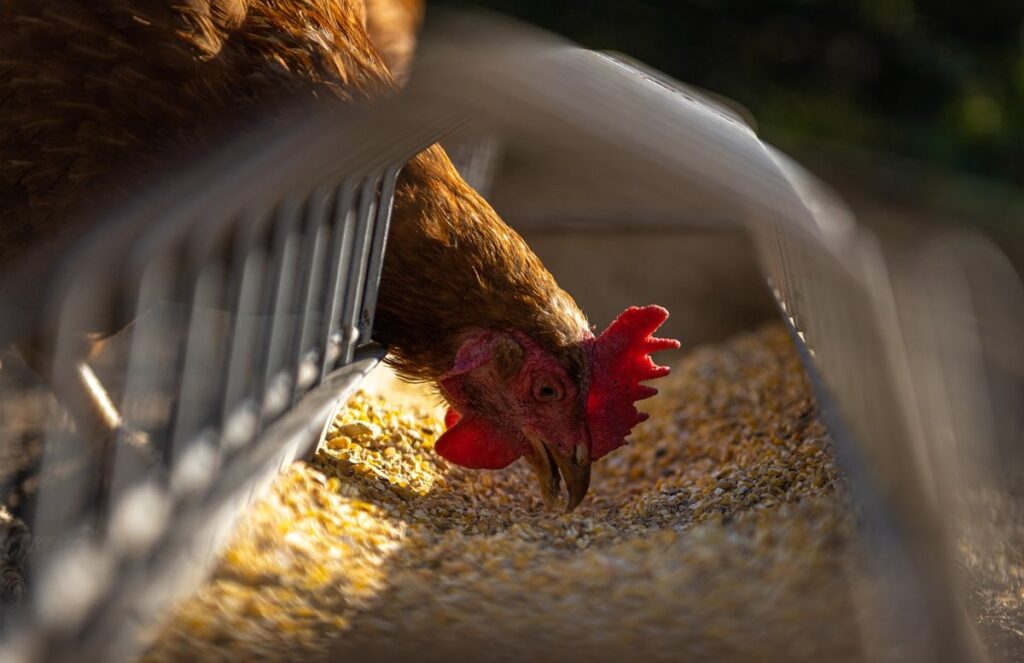
Layer feed is a specially formulated feed designed specifically for laying hens, typically over 18 weeks of age. It’s a crucial component of their diet as it provides the necessary nutrients to support egg production. The primary purpose of layer feed is to ensure that hens receive all the essential vitamins and minerals required for optimal health and fertility.
Compared to starter feeds, which are formulated for younger chickens, layer feed contains higher levels of calcium and other essential micronutrients like vitamin D3, phosphorus, and potassium. These nutrients play a vital role in maintaining strong eggshell production, as well as overall bone health. Layer feed also typically has a slightly different energy balance to accommodate the hens’ increased energy needs for producing eggs.
In terms of nutritional benefits, layer feed is formulated to support not only egg production but also overall health and longevity. For instance, many commercial layer feeds contain added antioxidants like vitamin E, which helps protect against cell damage and promotes general well-being in the birds.
Essential Nutrients for Layers
When it comes to layer feed, there are several essential nutrients that play a crucial role in supporting egg production and overall hen health. First and foremost, protein is a must-have, making up around 16% of the total layer feed composition. This nutrient aids in building and repairing muscles, organs, and tissues within the bird’s body.
Calcium, another key component, is responsible for promoting strong eggshell development. A deficiency in calcium can lead to weakened shells, causing them to break easily. To ensure adequate calcium intake, it’s recommended to include oyster shells or crushed eggshells as a supplement in their diet. Phosphorus, on the other hand, supports bone health and is also involved in numerous metabolic processes.
Vitamins D3 and B12 are equally vital, as they regulate calcium levels within the body and promote red blood cell production respectively. A diet lacking these vitamins can lead to soft or misshapen eggs. To ensure your laying hens receive adequate nutrition, consider consulting with a veterinarian or poultry expert to determine the best layer feed options for your flock’s specific needs.
Choosing the Right Layer Feed
When it comes to choosing the right layer feed for your hens, you have several options to consider. One of the most popular types is organic layer feed, which is made from non-GMO ingredients and free from synthetic pesticides and fertilizers. While this option may seem appealing, it’s essential to weigh the benefits against the higher cost.
Another consideration is medicated layer feed, which contains antibiotics or other medications to prevent disease. However, many experts recommend avoiding medicated feeds due to concerns about antibiotic resistance and potential harm to your hens’ health.
If you’re looking for a more natural approach, consider choosing a non-GMO layer feed that’s made from high-quality grains and supplements. When selecting a layer feed, be sure to read the label carefully and look for certifications like OMRI (Organic Materials Review Institute) or Non-GMO Project Verified. This will help ensure you’re getting a product that meets your standards.
Ultimately, the best layer feed for your hens is one that’s nutrient-dense, affordable, and aligns with your personal values.
Benefits of Layer Feed for Laying Hens
By incorporating layer feed into your hens’ diet, you’ll not only ensure their optimal health but also boost their egg production and overall productivity. Let’s explore the many benefits of layer feed in detail.
Improved Egg Production
When layer feed is formulated and provided to laying hens, it can have a significant impact on their egg production. One of the key benefits is increased shell thickness, which not only makes eggs easier to handle but also reduces the risk of breakage during transportation or storage. Improved shell coloration is another advantage, as it’s often associated with better overall health and nutrition.
During peak laying seasons, feeding layer feed can help alleviate stress on the hens’ reproductive systems. This is particularly important in these periods when hens are producing more eggs than usual. By providing a balanced diet rich in essential nutrients, farmers can support their flock’s natural energy needs and promote optimal egg production.
A study conducted by a leading poultry research institution found that layer feed supplementation resulted in an average increase of 5-7% in eggshell thickness and 3-5% improvement in shell coloration. By incorporating layer feed into your hens’ diet, you can expect to see similar benefits in terms of egg quality and quantity.
Enhanced Flock Health
When you provide layer feed to your laying hens, you’re not just giving them the nutrients they need to produce eggs. You’re also supporting their overall health and well-being, which can lead to a reduction in stress levels within the flock. This is particularly important for backyard chicken keepers who may not always be able to monitor their birds’ individual health needs.
Research has shown that hens fed with layer feed tend to have lower mortality rates compared to those on other diets. Improved disease resistance is another benefit of feeding your hens a well-balanced layer feed. This is because layer feed typically contains added nutrients like vitamins and minerals that help boost the immune system, making it easier for your birds to fight off infections.
One key advantage of improved health through layer feed is reduced stress levels within the flock. When hens feel better, they’re less likely to become aggressive or develop behavioral issues due to discomfort or pain. This can make your backyard chicken-keeping experience much more enjoyable and reduce the risk of injury to both you and your birds.
Feeding Layer Feed: Best Practices
When it comes to feeding your laying hens, getting layer feed right is crucial. In this next part of our guide, we’ll share expert advice on providing top-notch nutrition for optimal egg production and health.
Feeding Schedules and Amounts
When it comes to feeding schedules and amounts, there are several factors to consider to ensure your hens receive the right nutrients for optimal egg production. First and foremost, the breed of your chicken plays a significant role in determining the amount of feed needed per bird. For example, Leghorns require more protein-rich feed compared to Orpingtons.
In addition to breed, age is another crucial factor. Younger hens (16-20 weeks old) need more calories and nutrients to support growth and development, whereas mature hens require less energy but still need adequate calcium and other essential vitamins for egg production.
Individual appetite also comes into play, as some hens naturally eat more or less than others. It’s essential to monitor your flock’s overall consumption and adjust the feeding schedule accordingly. A good rule of thumb is to provide 1/4 to 1/2 pound of feed per bird per day, depending on breed, age, and individual appetite.
Keep in mind that layer feed should make up a significant portion (about 80%) of your hens’ diet, with the remaining 20% comprising fruits, vegetables, and other treats.
Providing Fresh Water and Supplements
Providing fresh water and essential supplements is crucial for maintaining the health and productivity of your laying hens. Water is often overlooked but plays a vital role in egg production, with a hen needing about 50-60% more water than usual to produce eggs. Ensure that clean drinking water is available at all times by changing the water frequently, ideally twice daily, and using a waterer or trough that’s designed for chickens.
You can also consider adding some beneficial supplements to enhance the nutritional value of layer feed. Oyster shells are an excellent source of calcium, which helps strengthen eggshells and prevent breakage. Add 1-2 tablespoons per pound of feed to provide enough calcium for your hens. Probiotics are another valuable supplement that supports gut health and boosts immunity, promoting a balanced digestive system.
Keep in mind that supplements should be introduced gradually to avoid upsetting the flock’s digestive system. Consult with your veterinarian or a poultry expert to determine the right combination of supplements tailored to your specific flock needs.
Common Mistakes to Avoid When Feeding Layer Feed
When it comes to feeding your laying hens, there are several common mistakes that can have a negative impact on their health and egg production. Let’s explore some of these pitfalls together.
Overfeeding or Underfeeding
When it comes to feeding layer feed, many chicken keepers make the mistake of overfeeding or underfeeding their hens. This can have serious consequences on their health and egg production.
Overfeeding can lead to weight gain, which may seem harmless at first but can eventually cause problems such as joint issues, reduced mobility, and decreased egg laying performance. On the other hand, underfeeding can result in weight loss, weakened immune systems, and a decline in egg production. To monitor your flock’s intake effectively, it’s essential to keep an eye on their feeders and adjust feeding accordingly.
Here are some tips to help you strike the right balance:
* Monitor feed consumption regularly by weighing the feed containers before and after each feeding session.
* Adjust the amount of feed based on the age and breed of your hens. Laying hens typically require more calcium-rich foods as they get older.
* Ensure your hens have access to clean, fresh water at all times, and consider using a water-based supplement for added nutrition.
By being mindful of these potential issues and implementing regular monitoring, you can avoid the pitfalls of overfeeding or underfeeding your laying hens.
Mixing with Other Foods
When introducing layer feed to your flock, it’s essential to avoid mixing it with other foods that might compromise its nutritional value. One common mistake is supplementing layer feed with table scraps or left-over cooked food, which can lead to an overabundance of calories and sugar.
In fact, research has shown that overfeeding with treats can decrease egg production by up to 20% (1). Moreover, mixing high-protein foods like meat or fish into their diet can upset the delicate balance of nutrients in layer feed. This is because layer feed is specifically formulated to provide a balanced mix of protein, calcium, and other essential vitamins and minerals.
To ensure safe integration, it’s best to introduce layer feed gradually over a period of 7-10 days. Start by mixing 25% layer feed with their current diet and gradually increase the proportion to 100% over the next week or two. This allows your hens to adjust to the new food source without shocking their digestive system.
In addition, avoid giving them high-fat foods like bread or pasta, as these can cause a range of health issues in chickens, from obesity to egg binding (2). Stick to a varied diet of fresh fruits and vegetables, provided in moderation.
FAQ: Frequently Asked Questions About Feeding Layer Feed
We’ve received many questions from backyard chicken keepers about feeding layer feed, and we’re happy to address some of the most common ones in this section. Your questions are answered here!
Q&A Session for New or Experienced Chicken Keepers
Q&A Session for New or Experienced Chicken Keepers
One of the most common concerns when it comes to feeding layer feed is cost. Many people worry that they’ll be breaking the bank every month to keep their hens healthy and happy. However, with a little planning and research, you can find affordable options that work for your budget.
Some chicken keepers might ask, “Can I use regular chicken feed instead of layer feed?” The answer is no, it’s not recommended. Layer feed contains essential nutrients like calcium and phosphorus that help support egg production in hens. Using regular chicken feed can lead to malnutrition and decreased egg quality.
For those who live in rural areas or have limited access to pet stores, availability might be a concern. Fortunately, there are many online retailers that offer layer feed for delivery right to your doorstep. You can also check with local feed mills or farm supply stores to see if they carry layer feed.
Another important question is about potential health risks associated with certain types of layer feeds. For example, some commercial layer feeds may contain additives and preservatives that you might not be comfortable feeding your hens. Look for non-GMO, organic options instead.
Some tips for choosing a good layer feed include reading the ingredient list carefully, looking for certifications from reputable organizations like the American Feed Industry Association (AFIA), and checking online reviews from other chicken keepers. By doing your research and choosing a high-quality layer feed, you can rest assured that your hens are getting the nutrients they need to stay healthy and productive.
It’s also worth noting that some experienced chicken keepers might be tempted to supplement their hens’ diets with table scraps or treats. While it’s okay to give them an occasional treat, make sure not to overdo it – too much junk food can lead to obesity and other health problems in your flock. Stick to a balanced layer feed as the main staple of their diet.
Conclusion: Maximizing Your Laying Hens’ Potential with Layer Feed
Now that you’ve learned about the different types of layer feed available, how to read labels effectively, and tips for creating a balanced diet for your hens, it’s time to think about maximizing their potential. Remember, providing the right nutrition is crucial to maintaining healthy laying hens. To ensure they’re getting the most out of their layer feed, make sure to store it properly in a cool, dry place to maintain its nutritional value. Also, consider offering supplements such as oyster shells or crushed eggshells to support strong eggshell production and overall health. By following these simple steps and making informed choices about your hens’ diet, you’ll be well on your way to maximizing their potential and enjoying fresh, healthy eggs from your backyard flock.
Frequently Asked Questions
How often should I provide fresh water for my laying hens?
Fresh water is essential for your flock’s health, especially when feeding layer feed. Ensure that your chickens have access to clean drinking water at all times. Change the water frequently, ideally daily, to prevent bacterial growth and maintain optimal hydration.
Can I mix layer feed with other foods like fruits or vegetables?
While treats are okay in moderation, mixing too much of them with layer feed can upset your flock’s balance. Limit treats to 10% of their total diet, and focus on nutrient-rich options that complement the layer feed rather than replacing it.
What if my laying hens don’t seem to be responding to the new layer feed?
It’s not uncommon for chickens to take time adjusting to a new feed. Monitor their behavior, egg production, and overall health closely. If you notice any adverse effects or poor performance, consult with a veterinarian or poultry expert for personalized advice.
How do I ensure my flock is getting enough calcium from the layer feed?
Calcium is crucial for strong eggshell production. Check your layer feed’s guaranteed analysis to confirm it meets the minimum calcium requirements (around 1-2% in most formulations). You can also supplement with crushed oyster shells or dark leafy greens like kale or spinach.
Can I use layer feed for chickens that are not laying yet?
Layer feed is formulated specifically for hens over 18 weeks old who are actively laying eggs. Younger chickens have different nutritional needs and should be fed starter feeds until they reach this age.