
If you’re fascinated by the vibrant colors of Easter Egger eggs, you’re not alone. These unique birds have been delighting backyard chicken enthusiasts with their stunning omelets and sustainable living practices for years. But what exactly are Easter Eggers, and why do they produce such a wide range of eggshell colors? From blue to green, pink to yellow, the possibilities are endless. As you explore the world of Easter Egger eggs, you’ll learn how these colorful birds have become a staple in sustainable livestock practices. In this article, we’ll delve into the origins and characteristics of Easter Eggers, provide tips on identifying them, and share advice on raising these special birds for yourself. Whether you’re a seasoned chicken keeper or just starting out, get ready to crack open the fascinating world of Easter Egger eggs!
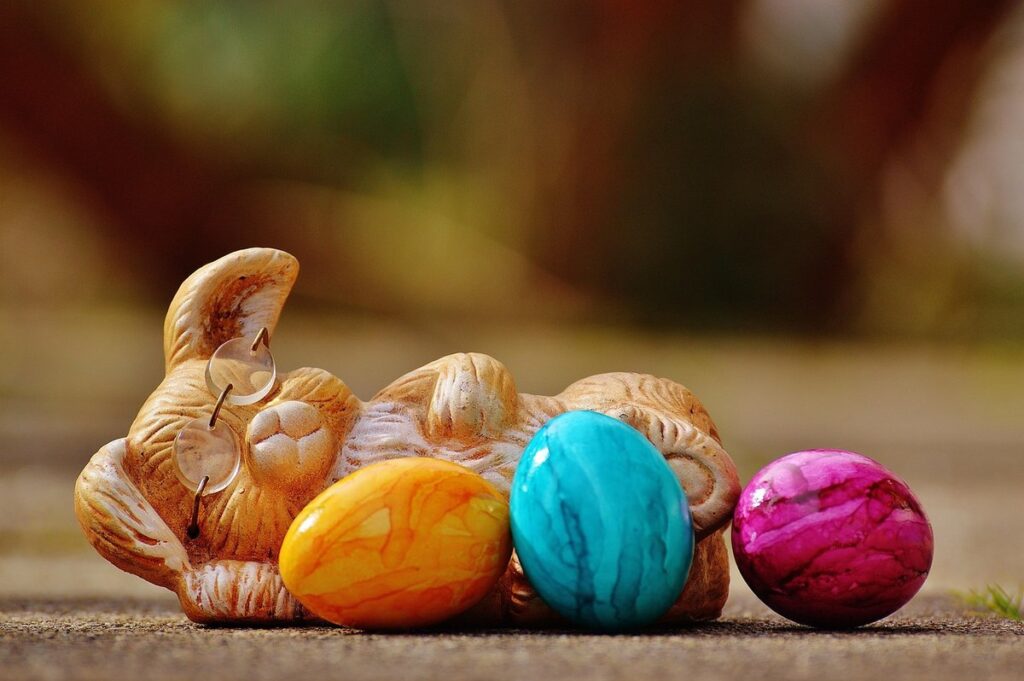
What Are Easter Egger Eggs?
You’re curious about what makes Easter Egger eggs so special? Let’s dive into the fascinating world of genetics that creates their unique and unexpected colors.
Origin and History
Easter Egger eggs have been a staple of backyard chicken keeping and specialty poultry farming for decades. But where did these colorful eggs come from? The story begins with the genetic makeup of Easter Eggers, which is a result of breeding between Ameraucana and Araucana chickens.
These South American breeds were first introduced to the United States in the 1970s, and their unique trait of producing blue or green eggs was quickly prized by chicken enthusiasts. By crossing these birds with other breeds, farmers created a new type of chicken that would lay colored eggs while still maintaining many of the desirable traits of the original breeds.
Today, Easter Egger chickens are bred specifically for their ability to produce eggs in a range of colors, from pale blue to deep green. They’re often sold as “Easter Eggers” or “Americanas,” and can be found at specialty farms and feed stores. Whether you’re a seasoned chicken keeper or just starting out, understanding the genetic background of Easter Eggers can help you make informed decisions about your flock.
Key Characteristics
Easter Eggers are known for their unique egg-laying abilities and temperament, making them a fascinating addition to any backyard flock. One of the most distinctive characteristics of Easter Eggers is their ability to lay eggs in various colors, including blue, green, pink, and purple. This is due to a genetic trait that causes the production of extra pigments in the eggshell, resulting in the wide range of colors.
In addition to their colorful eggs, Easter Eggers are also known for their friendly and outgoing personalities. They are often described as “egg-laying machines” because they can produce an abundance of eggs throughout the year. However, it’s worth noting that Easter Eggers may not be as prolific egg layers as some other breeds, such as Leghorns or Barred Rocks.
When choosing an Easter Egger for your flock, consider their temperament and egg-laying abilities. These chickens are generally easy-going and adaptable, making them a great choice for backyard flocks of all sizes.
Types of Easter Eggers
Easter Eggers are not a breed of chicken per se, but rather a marketing term used to describe chickens that lay eggs with unique colors and patterns. Within this group, you’ll find two main types: Ameraucana and Araucana. Both breeds have some fascinating features that contribute to their colorful egg-laying abilities.
The Ameraucana is known for its beautiful blue eggs, which owe their color to a genetic trait called the “blue egg gene.” This gene causes the eggs to have a bluish tint due to the way the pigment is distributed in the shell. Ameraucanas are also a relatively small breed of chicken, with hens weighing around 4-5 pounds.
The Araucana, on the other hand, is known for its even more exotic egg-laying abilities. These birds can lay blue eggs just like the Ameraucana, but they’re also capable of laying eggs in shades of green and even pink! This is due to a genetic trait that allows the pigment to be distributed differently in the shell.
If you’re considering getting an Easter Egger, it’s essential to know which breed you’re getting. Both the Ameraucana and Araucana can make wonderful pets for backyard chicken keepers, but they do have some unique needs and requirements.
Understanding Easter Egger Eggshell Colors
When it comes to Easter Egger eggshells, you might be wondering why they come in such a wide range of colors and patterns. Let’s explore what influences these unique shades together!
Why Do Eggs Have Different Colors?
Easter Egger eggshell colors are a result of the complex interplay between pigmentation and genetics. You see, the color of an eggshell is determined by the production of two types of pigments: porphyrins and melanins. Porphyrins are responsible for the brown and pink hues, while melanins produce black and gray tones. The combination and concentration of these pigments give rise to the wide range of colors found in Easter Egger eggs.
Genetics also play a significant role in determining eggshell coloration. Easter Eggers inherit their unique characteristics from their parent birds, with each breed contributing its own distinct traits. For example, Ameraucana and Araucana breeds can produce blue eggs due to their genetic makeup. When these breeds are crossed with other egg-laying birds, they can create offspring that exhibit a range of colors, including pink, green, and yellow.
In the case of Easter Eggers, the genetic variation creates an unpredictable outcome, making each egg unique in color and pattern. This is what makes Easter Egger eggs so fascinating – their colors are a direct result of the complex interactions between pigmentation and genetics.
Blue Eggshells: The Most Iconic Feature of Easter Eggers
Blue eggs are indeed one of the most striking features of Easter Egger eggs, and it’s not uncommon for them to be mistaken for regular blue eggshells. But what exactly causes this phenomenon? The reason behind blue eggshells lies in the genetics of the chicken itself.
When it comes to Easter Eggers, their genetic makeup is a result of crossbreeding between Ameraucana or Araucana breeds and other chicken varieties. This unique combination brings about a fascinating trait: the ability to produce eggs with blue shells. But why do these eggs turn blue? The answer lies in the pigment porphyrin, which is responsible for the blue coloration.
Interestingly, not all Easter Eggers will produce blue eggs – some may lay eggs that are speckled or have hints of green or purple. However, if you’re lucky enough to get a hen that lays solid blue eggs, it’s definitely a sight to behold! As an Easter Egger owner, understanding the genetics behind your hen’s eggshell color can be a fun and rewarding experience – and who knows, you might even discover some hidden talents in your flock!
Green, Pink, and Other Unique Colors
Easter Eggers are known for their diverse range of colors, but green, pink, and olive hues take center stage as some of the most unique and striking. These uncommon colors result from a combination of genetic factors and environmental influences.
When it comes to green eggs, they’re typically caused by the interaction between blue egg-producing genes and the right amount of pigment deposition in the shell. Olive eggs, on the other hand, are often a blend of brown and green pigments, giving them that distinctive earthy tone. As for pink eggs, their color is usually due to a mutation in the oocyanin gene, which controls the production of blue and red pigments.
To increase your chances of hatching Easter Eggers with these rare colors, consider introducing genetic diversity into your flock by incorporating breeds known to produce these unique hues. For example, adding an Ameraucana or Araucana to your existing flock can help introduce the necessary genes for green eggs.
How to Identify an Easter Egger Egg
Now that you’re familiar with the basics of Easter Egger eggs, it’s time to learn how to identify one – and we’ll show you exactly what to look for!
Visual Cues for Identification
When it comes to identifying an Easter Egger egg, visual cues play a significant role. As these eggs come in a variety of colors and patterns, you’ll want to take note of their overall appearance to determine whether they’re genuine or not. Here’s how:
Start by examining the size of the egg – Easter Eggers tend to be larger than regular chicken eggs, with some weighing up to 50% more. This is due in part to the unique genetic makeup of the Ameraucana and Araucana breeds, which are often crossed to produce these colored eggs.
Next, take a closer look at the shape of the egg – Easter Eggers tend to be more elongated than regular eggs, with a slightly pointed end. Color patterns can also be a giveaway – you might notice swirls or speckles in shades of blue, green, pink, and purple.
If you’re still unsure, check for any imperfections in the shell, such as tiny cracks or ridges. Easter Eggers are often more prone to these due to their genetic makeup. With practice, you’ll become more comfortable identifying these eggs based on their unique visual characteristics.
Importance of Proper Labeling and Documentation
Accurate labeling and documentation are crucial when it comes to maintaining breed integrity of Easter Egger eggs. This is because these unique eggs can sometimes be a result of crossbreeding between Ameraucana or Araucana with another breed, rather than being from purebred Ameraucanas. As such, it’s essential to keep track of the parentage and ancestry of each hen to ensure that any exceptional traits are properly attributed.
To maintain accurate records, it’s recommended that you keep a detailed breeding log, noting the parents of each chick, their genetic makeup, and any notable characteristics. This will not only help you make informed decisions about future breedings but also provide valuable information for other enthusiasts and breeders. By maintaining transparent and precise documentation, you can avoid any potential misattribution of traits or misidentification of breeds, which is critical in preserving the integrity of Easter Egger eggs.
Raising Easter Eggers: Tips for Breeders and Backyard Keepers
If you’re a breeder or backyard keeper, you’ll want to know how to raise these unique birds to maximize their colorful egg-laying potential and ensure their health. Here are some essential tips for raising Easter Eggers successfully.
Housing and Nutrition Requirements
When it comes to raising Easter Eggers, providing them with suitable housing and nutrition is crucial for their health and egg-laying abilities. As backyard keepers or breeders, you’ll want to ensure that your Easter Eggers have enough space to roam and exercise.
A good rule of thumb is to provide at least 2-4 square feet of space per bird inside the coop, with additional outdoor area for running around. You can also consider using a chicken tractor or a fenced run to give them more freedom while keeping predators out. In terms of nesting boxes, aim for one box per three birds to prevent overcrowding and stress.
When it comes to nutrition, Easter Eggers are similar to other chickens in their dietary needs. They require a balanced mix of protein, calcium, and vitamins. A good quality layer feed should be the main staple of their diet, but you can also supplement with fresh fruits and vegetables like leafy greens, carrots, and apples. Fresh water should always be available, and consider adding a calcium source like crushed eggshells or oyster shells to support strong eggshell production.
It’s worth noting that some breeders recommend separating Easter Eggers from other chickens due to their unique genetic makeup. However, this isn’t always necessary for backyard keepers with small flocks.
Breeding Strategies for Maximum Color Diversity
To maximize color diversity in Easter Egger eggs, breeders employ various strategies that play on the complex interplay between genetics and selection. For instance, selecting hens with a mix of breeds such as Ameraucana and Marans can create eggs displaying multiple colors due to the genetic variation inherent in these breeds.
One key concept to grasp is the genetics behind egg color: it’s determined by two genes – one for brown pigment and another for blue or green pigment. By crossing different breeds that express these genes, breeders can generate offspring with a wide range of colors. For example, pairing an Ameraucana (blue-egged) male with a Marans female results in chicks inheriting the ability to produce blue eggs.
Another essential aspect is identifying and preserving desirable traits through generations. Breeders achieve this by maintaining detailed records on parent bird performance, focusing on hens laying unique egg colors. They may also employ techniques like ‘linebreeding’, where offspring are bred back to their parents or grandparents to amplify specific color traits.
To take your Easter Egger breeding program to the next level, carefully examine the genetic makeup of your flock and select parents that will introduce new color combinations.
The Role of Easter Eggers in Sustainable Livestock Practices
As you delve into the unique characteristics of Easter Egger eggs, let’s explore how these birds contribute to sustainable livestock practices on a larger scale. Their impact is multifaceted and beneficial for both the environment and small-scale farmers.
Environmental Benefits of Backyard Chicken Keeping
Raising chickens for eggs is not only a fun hobby but also an environmentally-friendly practice. By having a small flock of backyard chickens, you can significantly reduce your carbon footprint and improve waste management. For instance, the average American produces about 4.4 pounds of food waste per day, which contributes to greenhouse gas emissions and landfill waste. In contrast, chicken manure can be composted and used as fertilizer for your garden, reducing the need for synthetic fertilizers.
Moreover, backyard chickens are a low-impact way to produce protein-rich food, with a carbon footprint that’s significantly lower than industrial agriculture. According to a study by the University of California, Berkeley, raising backyard chickens can reduce greenhouse gas emissions by up to 2.5 tons per year. To make the most of this environmental benefit, be sure to feed your chickens a balanced diet and collect their droppings regularly for composting.
By incorporating Easter Egger chickens into your backyard flock, you’ll not only enjoy the unique colors of their eggs but also contribute to a more sustainable food system.
Supporting Small-Scale Agriculture through Easter Egger Breeding
Supporting small-scale agriculture is essential for maintaining local food systems and promoting sustainable practices. One way to contribute to this goal is through Easter Egger breeding. These birds are not a specific breed but rather a cross between an Ameraucana or Araucana and another breed, such as a Leghorn or Marans. They’re known for laying eggs in various colors beyond the traditional brown and white.
By raising Easter Egggers on your own farm or even just in your backyard, you can produce unique, high-quality eggs while supporting local agriculture. This is particularly beneficial for small-scale farmers who may struggle to compete with large commercial operations. To get started, consider selecting a breed that’s well-suited to your climate and available space. You’ll also need to research the best feeding practices and ensure proper flock management.
Breeding Easter Egggers can be a rewarding experience, not only because of their stunning egg-laying abilities but also due to their hardiness and friendly nature. By choosing this path, you’re promoting biodiversity in local agriculture while providing consumers with an alternative to mass-produced eggs. This approach aligns perfectly with the principles of sustainable living and supports the well-being of both people and the environment.
Frequently Asked Questions
Can I breed Easter Eggers with other chicken breeds to create new colors?
Yes, breeding Easter Eggers with other chicken breeds can indeed result in new color combinations. This process is called cross-breeding and can help increase genetic diversity within your flock. However, it’s essential to understand the genetics behind eggshell production and ensure that you’re not compromising on the birds’ health or temperament.
How do I identify an Easter Egger egg without knowing its breed?
When identifying an Easter Egger egg, look for distinctive visual cues such as blue or green sheen, pink or yellow undertones, and irregular shapes. However, some breeds may mimic these characteristics, so it’s crucial to keep accurate records of your flock’s ancestry and breeding history.
Can I raise Easter Eggers in cold climates?
Easter Eggers are generally hardy birds but can be sensitive to extreme temperatures. If you live in a cold climate, provide them with adequate shelter, insulation, and nutrition to ensure their comfort and health. Consider using chicken coops specifically designed for cold weather, and make sure your flock has access to unfrozen water at all times.
What are some common challenges I might face when raising Easter Eggers?
Some common challenges when raising Easter Eggers include maintaining genetic diversity within the flock, ensuring accurate record-keeping, and managing egg production levels. To mitigate these issues, establish a breeding program that prioritizes sustainability, practice regular health checks, and regularly update your records to track progress.
How can I contribute to the preservation of heritage breeds through Easter Egger breeding?
You can contribute to preserving heritage breeds by maintaining accurate records of your flock’s ancestry, participating in reputable breed associations, and sharing your expertise with fellow chicken enthusiasts. By doing so, you’ll not only help safeguard these unique birds but also advance the field of sustainable livestock practices.