
If you’re looking to add some unique charm to your backyard flock, you may want to consider introducing Salmon Faverolles chickens into your fold. This breed has been making waves among chicken enthusiasts with their striking appearance and affectionate nature. Originating from France in the early 20th century, Salmon Faverolles have a rich history that sets them apart from other breeds.
If you’re new to raising these birds or simply curious about what makes them special, this article is here to guide you through the basics. We’ll delve into their temperament, needs, and care requirements, giving you expert advice on how to provide the best possible life for your Salmon Faverolles. Whether you’re a seasoned chicken farmer or just starting out, our comprehensive overview will help you make an informed decision about whether this breed is right for you.
History and Origins of Salmon Faverolles
These birds have a rich history, originating from France in the early 20th century, and were bred to be both beautiful and gentle companions. Let’s take a closer look at their fascinating past.
The Breed’s Origins in France
The Salmon Faverolles breed has its roots in 19th-century France, where it was developed to be a dual-purpose chicken. In the late 1800s, French farmers were looking for a hardy and versatile bird that could thrive on small farms. They crossed the old English Gamecock with various local breeds, including the Faverolles, which is how the Salmon Faverolles got its name.
The development of this breed was largely driven by the need for chickens that could adapt to different climates and environments. French farmers wanted birds that were resistant to disease and could thrive on poor-quality feed. The resulting breed, the Salmon Faverolles, proved to be an excellent choice for small-scale farming due to its friendly nature and high egg production.
One of the key characteristics of the Salmon Faverolles is its ability to tolerate cold temperatures, which made it a popular choice for French farmers who lived in northern regions. Today, breeders around the world continue to prize this trait, along with its good egg-laying abilities and low maintenance requirements.
Early Characteristics and Uses
The Salmon Faverolles breed was first developed in France for specific purposes. Initially, they were used primarily for egg production, with an average of 200-220 large eggs per year. Their gentle nature made them ideal not only for laying eggs but also for farm work, such as scratching and cleaning pens.
Their robust build and calm temperament allowed them to withstand harsh weather conditions, making them a valuable asset on farms. To this day, Salmon Faverolles chickens are still used in some parts of the world for their original intended purposes. Their versatility has led many breeders to incorporate them into diverse breeding programs.
One key reason farmers favored Salmon Faverolles was their ability to adapt well to various climates and living conditions. With proper care, they can thrive in a range of environments, from hot to cold temperatures. This adaptability has contributed to their continued use on farms that require robust, low-maintenance breeds.
Physical Characteristics and Appearance
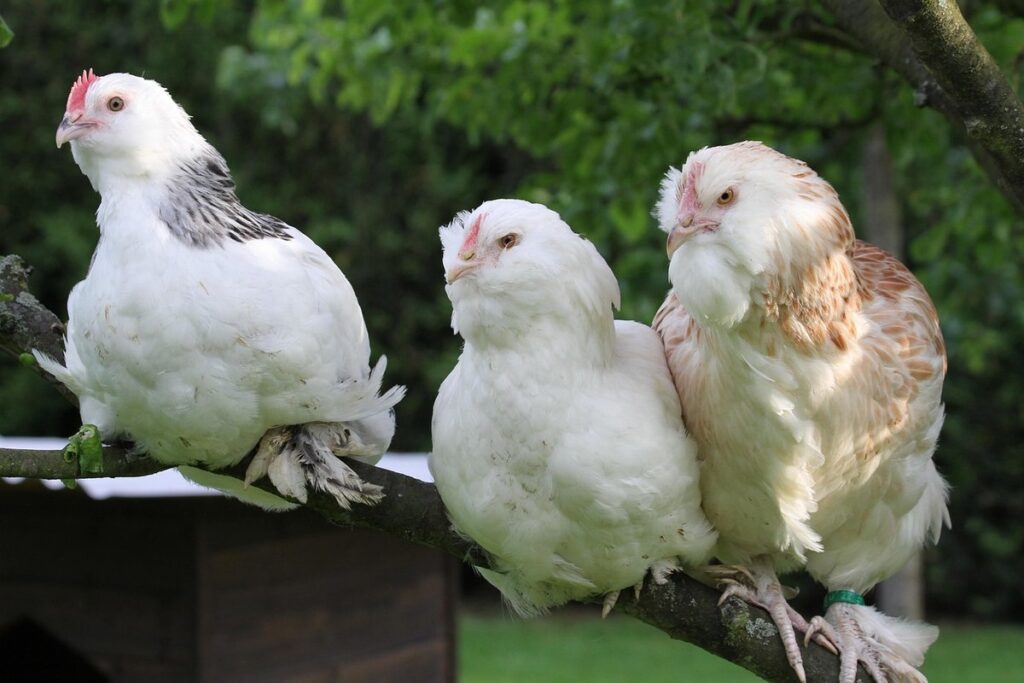
When it comes to their physical appearance, Salmon Faverolles chickens are quite striking with their fluffy feathers, golden-brown plumage, and sweet expression. They’re a joy to behold in any backyard flock.
Plumage and Coloration
The distinctive plumage of Salmon Faverolles chickens is one of their most striking features. These birds have a unique, mottled appearance that’s a combination of the salmon and blue varieties. The primary coloration ranges from a warm golden brown to a rich copper hue, often with subtle flecks of darker or lighter shades.
One of the defining characteristics of Salmon Faverolles is their intricate pattern of feathers. The pattern features dark speckles or freckles on a lighter background, giving the appearance of a mottled or salt-and-pepper effect. This unique feathering adds depth and visual interest to the bird’s plumage.
When it comes to color variations, Salmon Faverolles exhibit a range of tones, from light golden brown to deep copper red. Some birds may display more pronounced flecking than others, while some may appear more solid in color. As with any breed, individual personalities and characteristics can influence the overall appearance of a Salmon Faverolles chicken.
To encourage optimal plumage development in your Salmon Faverolles, it’s essential to provide a balanced diet rich in protein and micronutrients. Also, ensure access to clean water and a stress-free environment that promotes healthy feather growth and maintenance.
Size and Body Type
The Salmon Faverolles breed is known for its unique and attractive physical characteristics. On average, they weigh around 8-10 pounds (3.6-4.5 kg), with hens reaching a height of about 12 inches (30 cm) at the shoulder. Roosters are slightly larger, standing approximately 13-14 inches (33-35.5 cm) tall.
One of their most distinctive features is their fluffy, soft plumage, which is a mix of golden, copper, and silver feathers. This creates a stunning appearance that’s hard to ignore. Their bodies are also relatively compact, with a short, easy-to-maintain coat.
Keep in mind that individual birds can vary in size and feathering, but overall, Salmon Faverolles have a sturdy yet elegant build. If you’re considering bringing one home, it’s essential to ensure your coop or enclosure is spacious enough to accommodate their needs. A minimum of 2-3 square feet (0.19-0.28 sqm) per bird is recommended, so be sure to plan accordingly when designing your chicken habitat.
In terms of body shape, they have a slightly rounded breast and a relatively short tail. Their overall appearance makes them a popular choice among backyard chicken keepers who want a charming, low-maintenance pet that’s also great at producing eggs!
Sexing and Identifying
When it comes to sexing Salmon Faverolles chickens, it can be quite challenging due to their similar appearance. However, there are a few key characteristics that can help you distinguish between males and females.
One of the most reliable methods for sexing is by checking for vent size and shape. Males typically have a larger, more rounded vent opening, while females have a smaller and more pointed one. You can also observe the comb – males tend to have a more vibrant red comb compared to females, who may have a softer or paler version.
Another way to sex is by checking for gonad size and location. Males will have larger testes that are located in front of the vent opening, while females will not have any visible gonads. However, it’s essential to note that this method requires some experience and practice to get it right.
In most cases, experienced breeders recommend sexing Salmon Faverolles chickens at around 18-20 weeks of age when they are more developed. If you’re new to chicken keeping, it may be best to consult with a veterinarian or an experienced breeder for guidance on how to sex your birds accurately.
Temperament and Personality
When it comes to temperament, Salmon Faverolles chickens are known for their friendly and docile nature, making them a great choice for families with children. Let’s dive into what makes this breed so lovable.
Friendly and Affectionate Nature
One of the most endearing qualities of Salmon Faverolles chickens is their affectionate and friendly nature. These gentle birds are known to form strong bonds with their owners, often seeking attention and interaction. They have a unique ability to adapt to different living situations, making them an excellent choice for families or individuals who want a low-maintenance yet loving companion.
In terms of personality, Salmon Faverolles are known to be calm and quiet, rarely making loud noises even when startled. This makes them an ideal choice for backyard flocks where noise levels need to be kept in check. They are also highly curious and enjoy exploring their surroundings, which can lead to entertaining moments as they investigate new sights and smells.
If you’re considering bringing a Salmon Faverolles into your family, it’s essential to provide them with plenty of attention and interaction. Spend time with them daily, offering treats and praise, and they will reward you with loyalty and affection. With patience and proper care, these friendly birds can become loving members of your flock.
Energy Levels and Exercise Needs
When it comes to meeting their exercise needs, Salmon Faverolles chickens are considered to be of moderate energy level. This means they require regular physical activity to stay happy and healthy, but not so much that they become exhausted. On average, a Salmon Faverolle should get about 1-2 hours of supervised outdoor time per day, which can include free-ranging, foraging, or engaging in playtime with toys.
To ensure your Salmon Faverolles are getting enough exercise, try incorporating activities like egg-hunting games, obstacle courses, and scavenger hunts into their daily routine. You can also let them roam freely in a securely fenced area, such as a backyard or enclosed run, where they can forage for treats and scratch at the ground.
Remember to adjust your Salmon Faverolles’ exercise routine according to the season, weather conditions, and individual needs. For example, you may need to limit their outdoor time during extreme heat or cold, while providing more opportunities for indoor play during periods of inclement weather. By striking a balance between physical activity and relaxation, you’ll help your Salmon Faverolles develop strong legs, happy personalities, and overall well-being.
Compatibility with Other Chickens
Salmon Faverolles chickens are known for their friendly and outgoing personalities, which makes them an excellent choice for many backyard flock owners. When it comes to compatibility with other breeds, Salmon Faverolles tend to get along well with most chicken breeds, especially those of similar temperament.
One key factor to consider is the size and weight of the breed you’re introducing to your existing flock. As a medium-sized breed, Salmon Faverolles are generally compatible with smaller breeds like Leghorns or Bantams, but may not be suitable for larger breeds that can be intimidating or dominating. It’s essential to introduce new birds slowly and under close supervision to ensure a smooth transition.
Some breeds that tend to mesh well with Salmon Faverolles include:
* Buff Orpingtons: Known for their gentle nature, they make great companions for Salmon Faverolles.
* Rhode Island Reds: Friendly and social, they share similarities in temperament with Salmon Faverolles.
* Barred Rocks: Energetic but not aggressive, they tend to get along well with the outgoing Salmon Faverolles.
When introducing new breeds to your flock, remember that every bird is unique. Pay attention to body language and behavior, and intervene if necessary to prevent conflicts. By choosing breeds with similar temperaments and introducing them slowly, you can create a harmonious and thriving flock of happy chickens.
Health Considerations and Common Issues
When keeping salmon Faverolles chickens, it’s essential to be aware of their potential health concerns, such as broodiness and egg-laying issues, which can impact your flock’s well-being.
Genetic Predispositions
As with many breeds, Salmon Faverolles chickens have some genetic predispositions that their owners should be aware of. One issue is a higher incidence of Marek’s disease, a viral condition that affects the nervous system and can cause symptoms like paralysis, lethargy, and swelling in various parts of the body. This breed also has a higher risk of vent gleet, an infection of the reproductive tract that can lead to discharge, inflammation, and other complications.
To mitigate these risks, it’s essential for owners to maintain good flock health practices. This includes ensuring proper nutrition, providing adequate space for exercise and foraging, managing stress levels, and keeping beak trimming up-to-date. Regular vaccinations and monitoring for early signs of illness can also help prevent outbreaks.
Genetic testing is available for some of the breed-specific disorders affecting Salmon Faverolles chickens, allowing owners to make informed breeding decisions and prioritize their flock’s health. If you’re considering bringing these birds into your backyard flock, be sure to factor in potential veterinary expenses and take proactive steps to protect their well-being.
Common Ailments and Symptoms
As with all breeds of chicken, Salmon Faverolles can be prone to certain health issues. Respiratory problems are common among young chicks and pullets, particularly if they’re not provided with adequate ventilation in their coop or run. This is often due to the breed’s tendency to become overweight and lethargic, which can exacerbate breathing difficulties.
Egg-laying disorders, such as prolapse or egg binding, can also be a concern for Salmon Faverolles hens. To minimize this risk, ensure your girls are getting enough exercise and activity throughout the day, as well as a balanced diet that includes adequate calcium and protein.
Regular health checks will help you identify any potential issues early on. Keep an eye out for signs of respiratory distress, such as labored breathing or wheezing, and take prompt action if you notice any unusual symptoms. Regular cleaning and maintenance of the coop and run will also help prevent the buildup of bacteria and other pathogens that can cause illness.
Proper management and care are key to keeping your Salmon Faverolles healthy and happy.
Tips for Maintaining Optimal Health
Maintaining optimal health is crucial for your Salmon Faverolles chickens to thrive. As an owner of these birds, you want to ensure they receive the best care possible. A balanced diet plays a significant role in their overall health.
When it comes to feeding your Salmon Faverolles, a mix of high-quality commercial feed and fresh vegetables is ideal. Offer them a variety of fruits like berries, apples, and bananas as treats. However, limit these due to their sugar content. Leafy greens such as kale, spinach, and collard greens are rich in nutrients and should be included in their diet.
Avoid overfeeding your chickens as this can lead to obesity and other health issues. Provide clean water at all times and ensure the coop is well-ventilated to prevent respiratory problems. Regular vaccinations and parasite control measures are also essential for maintaining optimal health. Keep an eye out for signs of illness, such as diarrhea or lethargy, and consult a veterinarian if you notice any unusual behavior in your flock.
Egg-Laying Performance
When it comes to egg-laying, Salmon Faverolles chickens are known for their excellent performance and unique characteristics that set them apart from other breeds. Let’s dive into what you can expect.
Average Egg Production and Size
Salmon Faverolles chickens are known for their moderate egg-laying performance. On average, a healthy Salmon Faverolles hen will lay around 200-220 brown eggs per year. This is slightly lower than some other breeds, but the eggs themselves are large and of excellent quality.
In terms of size, Salmon Faverolles eggs typically range from 55 to 60 grams in weight. While this may not be as large as some other breeds, the eggs are still substantial enough to make them a popular choice for families and small-scale farmers who want high-quality eggs without sacrificing too much space or resources.
To give you a better idea of what to expect, consider that one Salmon Faverolles hen will lay around 1-2 eggs per week during peak production. This means that with just three or four hens, you can have a steady supply of fresh eggs right in your own backyard.
It’s worth noting that factors such as nutrition, health, and living conditions can all impact egg production. By providing your Salmon Faverolles chickens with a balanced diet, plenty of space to roam, and regular veterinary care, you can help maximize their egg-laying potential.
Laying Cycle and Patterns
Salmon Faverolles chickens are known for their moderate laying performance, which is one of the reasons why many chicken enthusiasts choose this breed. On average, a healthy Salmon Faverolles hen will lay around 180-200 brown eggs per year. However, it’s essential to note that egg production can vary depending on factors such as nutrition, environment, and individual bird characteristics.
In terms of laying patterns, you can expect your Salmon Faverolles hens to lay eggs at a moderate frequency throughout the year. They tend to follow a predictable cycle, with most birds laying 5-6 eggs per week during peak production periods. During this time, it’s not uncommon for them to take a short break from laying every few days.
To encourage optimal egg-laying performance in your Salmon Faverolles flock, make sure they have access to a balanced diet rich in protein and calcium. A clean and spacious coop with adequate ventilation will also help maintain their overall health and productivity. By providing the right environment and care, you can expect your hens to lay consistently throughout the year.
Factors Affecting Egg Production
When it comes to maximizing egg production from your Salmon Faverolles flock, understanding the factors that affect this process is crucial. Genetics play a significant role, and as a breeder of this breed, you’ll want to select hens with a proven track record of high egg production.
Nutrition also impacts egg laying performance. A balanced diet rich in protein, calcium, and other essential nutrients will help support your birds’ reproductive health. Ensure they have access to fresh water at all times, as dehydration can lead to decreased egg production.
Light exposure is another critical factor to consider. Salmon Faverolles are sensitive to extreme temperatures and require adequate light to regulate their circadian rhythms. Natural daylight hours should be supplemented with artificial lighting during winter months when available sunlight is limited.
Additionally, the age of your birds will also impact egg production. Hens typically reach peak production between 18-24 months old, after which they may start to decline gradually.
Feeding and Nutrition Requirements
When it comes to keeping your Salmon Faverolles chickens happy and healthy, providing the right food is crucial. Here, we’ll cover their feeding needs and nutrition requirements for optimal health and well-being.
Dietary Needs for Optimal Health
Providing a balanced diet is crucial for maintaining the optimal health of your Salmon Faverolles chickens. A well-planned diet will ensure they stay healthy, active, and productive, which in turn will contribute to their egg-laying abilities. The ideal diet for these birds should consist of a mix of protein sources, vitamins, and minerals.
When it comes to protein sources, you can consider feeding them commercial layer pellets or crumbles, supplemented with mealworms or insects. A study has shown that providing mealworms as a supplement increased egg production by 12% in Faverolles chickens. In addition to these supplements, ensure access to fresh vegetables and fruits on a regular basis.
It’s also essential to provide them with adequate calcium, which can be achieved through crushed oyster shells or dark leafy greens such as kale or spinach. A diet rich in fiber from whole grains and vegetables will promote healthy digestion, reducing the risk of gastrointestinal issues like coccidiosis.
When changing their diet, do so gradually over a period of 7-10 days to prevent digestive upset. Monitor their health closely, adjusting their diet accordingly to ensure they receive all necessary nutrients for optimal growth and production.
Foraging and Supplemental Foods
When it comes to providing a balanced diet for your Salmon Faverolles chickens, incorporating foraging and supplemental foods can be an excellent way to enrich their nutrient intake. These birds are known to be curious and love exploring their surroundings, making them perfect candidates for foraging.
To start with foraging, you’ll need to provide a safe area where they can free-range and search for food naturally. This could be as simple as creating a fenced garden or section of your yard specifically for them to roam. Ensure that the area is free from any toxic plants or substances and provides plenty of shelter from the elements.
In addition to foraging, consider adding supplemental foods such as mealworms, sunflower seeds, and chopped fruits like apples or berries. These can be scattered around their foraging area or provided in a designated feeding trough. Just remember to introduce new foods gradually and in moderation to prevent digestive upset.
By incorporating these simple steps into your chicken’s care routine, you’ll not only provide them with the nutrients they need but also encourage healthy behavior and exercise.
Avoiding Overfeeding and Obesity
Maintaining a healthy weight is crucial for the well-being of your Salmon Faverolles chickens. A common mistake that many chicken keepers make is overfeeding their birds, which can lead to obesity and a range of related health issues.
To avoid overfeeding, it’s essential to understand your flock’s nutritional needs. As with any breed, Salmon Faverolles have unique requirements. Start by consulting with a veterinarian or experienced breeder to determine the ideal feeding schedule for your chickens. A good rule of thumb is to provide around 1/4 to 1/2 pound of feed per bird per day.
Monitor your flock’s weight regularly and adjust their diet accordingly. You can do this by feeling for the breastbone and keel bone, which should be easily palpable in a healthy chicken. Make sure to also provide plenty of fresh water and forage opportunities throughout the day. By striking the right balance between nutrition and exercise, you’ll be able to keep your Salmon Faverolles chickens at a healthy weight and prevent obesity-related problems from arising.
Breeding and Raising Salmon Faverolles
Breeding and raising salmon faverolle chickens can be a rewarding experience, but it requires careful planning and attention to detail. Let’s take a closer look at what you need to know to succeed.
Choosing the Right Breeders or Hatchery
When it comes to bringing home purebred Salmon Faverolles chicks, finding reputable breeders or hatcheries is crucial. This ensures you get healthy, well-socialized birds that will thrive under your care. Here’s how to make informed decisions when selecting a breeder or hatchery:
Look for breeders who have experience with the Salmon Faverolles breed and can provide detailed information about their bloodlines. Check if they are registered with reputable organizations such as the American Bantam Association (ABA) or the Chicken & Egg Breeders Guild of Great Britain (CEBG). Ask for references from other customers to get a sense of their reputation.
Red flags include breeders who don’t allow you to visit their premises, those who have no written contract or guarantee, and those who prioritize profit over animal welfare. Be wary of extremely cheap chicks – they may be a sign of inbreeding or poor health.
Raising Chicks and Grouse Care
When it comes to raising Salmon Faverolles chicks, it’s essential to provide them with the right care from the start. This gentle breed requires a nurturing environment to grow into healthy and robust adults.
For the first few weeks, keep the brooder warm, with a temperature range of around 90-95°F (32-35°C). You can use heat lamps or ceramic heat emitters to maintain this temperature. Make sure there’s adequate ventilation to prevent ammonia buildup from droppings. A good rule of thumb is to provide about 1 square foot of space per chick.
As the chicks grow, you’ll need to transition them to a larger enclosure with proper ventilation and protection from drafts. For housing, Salmon Faverolles are relatively calm birds, but they still appreciate a secure coop with sturdy roosts. Provide enough space for about 3-4 square feet per bird, including nesting boxes for hens.
When introducing chicks to their new surroundings, do it gradually to prevent stress and ensure a smooth transition.
Tips for Integrating into a Flock
Integrating into a flock can be challenging for new Salmon Faverolles chickens. To ensure their smooth transition, start by introducing them to the existing flock slowly and under close supervision. Begin with visual introductions, allowing them to see each other from a distance before gradually increasing face-to-face interactions.
It’s essential to introduce chickens of similar temperament and size together, as larger or more dominant birds may intimidate smaller ones. If introducing multiple new birds at once, ensure they have separate enclosures or areas where they can retreat if needed.
When integrating new Salmon Faverolles into your flock, consider their individual personalities and needs. Some may prefer the company of humans while others enjoy socializing with other chickens. Be prepared to provide extra attention and care for any birds that appear stressed or anxious during this period. With patience and gentle guidance, most Salmon Faverolles will adapt quickly to their new surroundings and become valued members of your flock.
When introducing a new bird to the existing flock, it’s crucial to monitor body language closely. Signs of stress may include excessive feather pecking, aggression towards other birds, or avoidance behaviors. By recognizing these cues early on, you can take steps to address any issues and create a harmonious living environment for all your chickens.
Frequently Asked Questions
How can I ensure the Salmon Faverolles integrate well with my existing flock?
Integrating new chickens requires patience, but with a gradual introduction process, you can minimize stress for both your birds. Start by keeping them separated for a few days to allow them to get accustomed to each other’s presence and sounds. Once they seem comfortable, introduce them in the same enclosure under close supervision.
Are Salmon Faverolles more prone to certain health issues compared to other breeds?
While every breed has its unique predispositions, regular check-ups with your veterinarian will help monitor their overall health. Be aware of common issues such as feather pecking and prolapse, but maintain a balanced diet, provide enough space for exercise, and ensure clean living conditions to minimize the risk of these problems.
Can Salmon Faverolles be raised without specialized care or equipment?
These birds require minimal care beyond what you’d need for other chicken breeds. Provide them with adequate shelter, nutritious food, and access to fresh water. However, if you’re planning to raise them in an urban setting, consider investing in a secure coop to protect against predators.
How long do Salmon Faverolles take to mature, and when can they start laying eggs?
These birds typically reach maturity within 18-20 weeks of age, after which they’ll begin producing high-quality, brown eggs. Plan for around 280 days (almost 9 months) from the time you collect them as chicks until they’re fully grown.
Can Salmon Faverolles be a good choice for backyard farmers with small spaces?
Yes! These birds are ideal for smaller farms or backyards due to their compact size and moderate egg production. They’ll require less space than other breeds, but don’t underestimate their charm; you’ll soon find yourself captivated by their unique personalities.