
If you’re considering bringing home Rhode Island Reds to join your backyard flock, chances are you’re curious about their egg-laying abilities. As one of the most popular breeds among chicken keepers, it’s no surprise that these birds have earned a reputation for being reliable layers. But what can you expect from a Rhode Island Red‘s egg-laying pattern? In this article, we’ll delve into the details of their performance, covering topics such as egg production, health considerations, and expert tips on breeding and raising these incredible birds. By the end of it, you’ll have a solid understanding of why Rhode Island Reds are a top choice for many backyard chicken keepers – and whether they’re right for your own flock.
Introduction to Rhode Island Reds
Let’s dive right into what makes Rhode Island Reds such exceptional egg layers, and why they’re a popular choice among backyard chicken keepers.
History of the Breed
The Rhode Island Red breed has a rich and fascinating history that spans over 150 years. Developed in the late 1800s by crossing various breeds including the Dominique, the Cochin, and the Malay, the Rhode Island Red was created with one primary goal: to produce an excellent layer. The breed’s origins can be attributed to the innovative poultry farmers of Little Compton, Rhode Island, who sought to create a bird that would excel in egg production while also having a robust constitution.
By carefully selecting and breeding the best birds from various strains, these pioneers successfully developed a breed that would eventually become one of the most popular laying breeds worldwide. The Rhode Island Red’s ability to adapt to various climates and its impressive egg-laying capacity made it an instant hit among poultry enthusiasts. Its friendly disposition also contributed to its widespread popularity, as it was often described as “docile” and easy to handle. Today, the Rhode Island Red remains a favorite among backyard chicken keepers and commercial farmers alike due to its exceptional egg-laying abilities and charming personality.
Key Characteristics of Rhode Island Reds
When it comes to choosing the perfect breed for your backyard flock, Rhode Island Reds are often at the top of the list. One of the main reasons they’re so popular is their exceptional temperament. Known for being friendly and docile, Rhode Island Reds are an excellent choice for families with children or beginners who want a low-maintenance laying breed.
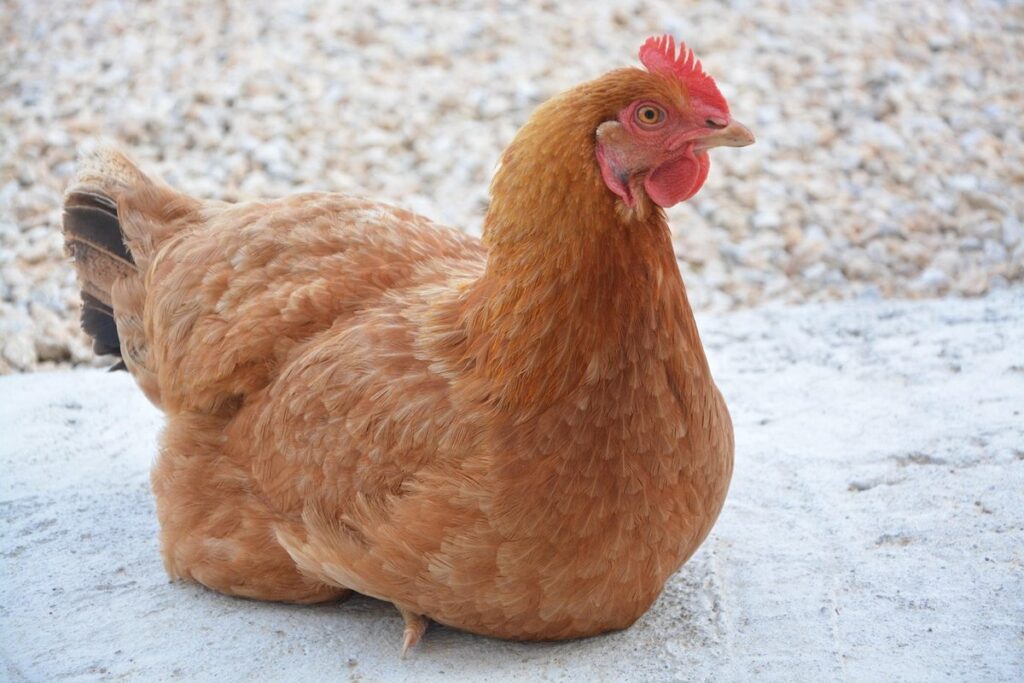
On average, Rhode Island Reds weigh between 8-12 pounds and reach heights of around 16-20 inches. Their medium to large size makes them a great option for smaller backyard flocks, as they require less space than larger breeds but still produce plenty of eggs. In terms of plumage, Rhode Island Reds have a distinctive reddish-brown coat with a subtle sheen that’s both beautiful and easy to maintain.
In addition to their physical characteristics, Rhode Island Reds are also prized for their high egg production. With proper care, hens can lay up to 300 large brown eggs per year, making them an excellent choice for backyard egg enthusiasts or small-scale farmers looking to increase their laying capacity. By choosing a breed like the Rhode Island Red, you’ll be rewarded with plenty of fresh eggs and a loyal companion in your flock.
Understanding Rhode Island Red Egg Laying Patterns
When it comes to egg-laying, you’re probably wondering when and how many eggs your Rhode Island Reds will lay. Let’s explore their unique patterns and habits in more detail.
Factors Affecting Egg Production
When it comes to egg production in Rhode Island Reds, several factors come into play. A well-balanced diet is crucial for optimal laying performance. Ensure your flock has access to high-quality feed that meets their nutritional needs, including adequate protein and calcium. Supplementing with oyster shells or dark leafy greens can also help support strong bone health.
Age is another significant factor in egg production. Rhode Island Reds typically begin laying eggs at around 18-20 weeks of age, but may not reach peak production until they’re about a year old. In fact, research suggests that Rhode Island Reds can lay up to 280-300 brown eggs per year, with some exceptional hens producing over 320.
Environmental conditions also play a crucial role in egg production. Temperature fluctuations, humidity levels, and lighting all impact your hen’s comfort and productivity. For optimal laying performance, provide your flock with adequate ventilation, protection from extreme temperatures, and sufficient light – ideally around 14 hours of daylight per day.
Average Daily Egg Production
When it comes to egg production, Rhode Island Reds are known for their impressive average daily output. As one of the most popular laying breeds, they consistently deliver a respectable number of eggs per day.
On average, a healthy Rhode Island Red hen will lay around 280-300 large brown eggs per year, which translates to about 5-6 eggs per week. However, some top-producing hens have been known to reach numbers as high as 320 or more eggs per year, with an average of 7-8 eggs per week.
It’s worth noting that egg production can vary depending on factors such as nutrition, health, and genetics. To maximize your Rhode Island Red’s egg-laying potential, make sure they have access to a balanced diet rich in protein, calcium, and other essential nutrients. Additionally, keep an eye out for any signs of stress or illness, which can negatively impact production.
To give you a better idea, here are some general guidelines on what to expect from your Rhode Island Red’s egg-laying patterns:
* 18-24 months old: Peak egg production typically occurs between 1.5 and 2 years of age.
* 2-3 years old: Egg production may start to decline slightly as the hen reaches its prime laying years.
* 4-5 years old: Hens will usually continue to lay eggs, although at a slower rate than their younger counterparts.
Keep in mind that every bird is unique, and individual egg-laying patterns may vary.
Factors That Can Affect Egg Quality
When it comes to Rhode Island Reds, egg quality can be influenced by several factors. As an owner of these magnificent birds, you want to ensure that their eggs are not only abundant but also top-notch. Let’s dive into the three main areas that can affect egg quality: health issues, genetics, and environment.
Health problems in your Rhode Island Red flock can lead to lower egg quality. For instance, if your birds contract a bacterial infection or experience reproductive issues, it may impact their ability to lay large, healthy eggs. Keep an eye out for signs of illness, such as unusual droppings or lethargy, and take prompt action to address any health concerns.
Genetics also play a significant role in determining egg quality. While Rhode Island Reds are generally known for their high egg production, some birds may naturally lay smaller or more irregular eggs due to their genetic makeup. To minimize the impact of genetics on your flock’s egg quality, consider selecting breeding stock from reputable sources that prioritize egg quality.
The environment in which your Rhode Island Reds live can also affect egg quality. Factors such as diet, lighting, and space availability all contribute to the overall health and well-being of your birds. For example, providing a balanced diet rich in calcium and other essential nutrients will help promote strong eggshell production. Additionally, ensuring that your coop is clean, dry, and well-ventilated will reduce stress on your birds and promote healthy laying habits.
In terms of practical advice, consider the following tips to optimize egg quality:
* Regularly inspect your flock for signs of illness or disease
* Select breeding stock from reputable sources that prioritize egg quality
* Provide a balanced diet rich in calcium and other essential nutrients
* Ensure adequate space availability and proper lighting in the coop
By paying attention to these factors and implementing best management practices, you can enjoy the benefits of top-quality eggs laid by your Rhode Island Red flock.
Health Considerations for Rhode Island Red Flocks
When keeping a flock of Rhode Island Reds, it’s essential to consider their health needs to ensure they stay happy and productive. Let’s take a closer look at some key health considerations for your flock.
Common Health Issues in Rhode Island Reds
As you continue to raise and care for your Rhode Island Reds, it’s essential to be aware of some common health issues that can affect this prolific laying breed. Reproductive disorders are a significant concern in Rhode Island Reds, particularly egg binding and peritonitis. These conditions can arise from genetic predispositions or nutritional deficiencies.
Egg binding occurs when an egg gets stuck in the hen’s oviduct, causing abdominal pain and potentially life-threatening complications if left untreated. Signs of egg binding include straining while laying, lethargy, and loss of appetite. To prevent this issue, ensure your hens have access to a balanced diet rich in calcium, as well as adequate nesting boxes with soft bedding.
Internal parasites like worms can also affect Rhode Island Reds, leading to weight loss, lethargy, and decreased egg production. Regular deworming practices, such as administering anthelmintic medications during peak parasite seasons, can help prevent internal parasitic infections.
By being proactive in monitoring your flock’s health and taking preventative measures, you can minimize the risk of these common issues affecting your Rhode Island Reds.
Ways to Maintain a Healthy Flock
Maintaining good health is essential to ensure your Rhode Island Reds lay eggs consistently and thrive. Vaccination plays a crucial role in preventing diseases that can decimate your flock. Consult with a veterinarian to determine the best vaccination schedule for your birds, as it may vary depending on factors like climate, region, and disease prevalence.
Proper sanitation practices are equally important. Regularly clean feeders, waterers, and nesting boxes to prevent bacterial and fungal growth. Remove soiled bedding from coops and replace with fresh material. Disinfect high-touch areas, such as feeding troughs and roosting bars, with a 1:10 ratio of bleach to water solution.
Monitor your flock daily for signs of illness, including labored breathing, lethargy, or changes in appetite. Isolate any birds showing symptoms to prevent the spread of disease. Consult with a veterinarian if you notice any unusual behavior. By prioritizing vaccination and sanitation, you can create a healthy environment for your Rhode Island Reds to thrive and lay eggs consistently.
Tips for Raising Rhode Island Red Chickens
Raising Rhode Island Reds is a breeze, but there are some essential tips to keep your feathered friends happy and healthy. We’ll share our top recommendations for raising these amazing laying egg birds.
Nutrition Requirements for Rhode Island Reds
As a responsible Rhode Island Red owner, providing the right nutrition is crucial to ensure your girls are healthy and laying eggs efficiently. Rhode Island Reds have high energy requirements due to their active nature, so it’s essential to provide a balanced diet that meets their nutritional needs.
A good starting point is to offer a high-quality layer feed as the main staple of their diet. This should contain a minimum of 16% protein and 12% calcium to support egg production. However, supplementing with oyster shells or crushed eggshells can also provide extra calcium for stronger eggshell formation.
In addition to commercial feed, it’s essential to offer fresh fruits and vegetables daily, such as leafy greens, carrots, and apples. Limit treats like table scraps and processed foods, which can be high in calories but low in nutritional value. Aim to spend around 1/4 of their total diet on treats, making sure they are healthy and nutritious.
Remember to always provide fresh water at all times, changing it frequently to prevent bacterial growth.
Environmental Considerations
When it comes to raising Rhode Island Red chickens, environmental considerations are crucial for their well-being and egg-laying performance. These hardy birds require a balanced environment that includes adequate space, proper lighting, and suitable temperatures.
Space is essential for Rhode Island Reds, as they need room to roam and exercise freely. A minimum of 2-3 square feet per bird inside the coop and 8-10 square feet outside in the run is recommended. Insufficient space can lead to stress, aggression, and reduced egg production. To provide ample space, consider building a larger coop or expanding the existing one.
Lighting also plays a significant role in Rhode Island Red’s health and productivity. These birds require at least 14 hours of daylight to maintain their laying cycle. You can achieve this by providing supplemental lighting during the winter months or extending their outdoor access to natural light sources. Temperature-wise, Rhode Island Reds are relatively hardy but prefer temperatures between 40°F and 80°F (4°C and 27°C). Avoid exposing them to extreme temperatures, as it can lead to stress and health issues.
By considering these environmental factors, you’ll create a suitable environment for your Rhode Island Reds to thrive in.
Housing and Fencing Requirements
When it comes to raising Rhode Island Red chickens, providing them with suitable housing and fencing is crucial for their safety and comfort. As a responsible chicken keeper, you’ll want to ensure that your girls have enough space to move around, stretch their wings, and engage in natural behaviors.
The minimum requirement for housing is about 3-4 square feet per bird inside the coop, but it’s recommended to provide more space to account for nesting boxes, roosting bars, and any other features you want to include. A good rule of thumb is to allocate at least 10% of the total coop area for each chicken. Consider a spacious design with adequate ventilation to prevent ammonia buildup and keep your girls healthy.
When it comes to fencing, a sturdy enclosure is essential to protect your chickens from predators like foxes, coyotes, and hawks. The fence should be at least 3 feet high and made of durable materials such as metal or wood. Consider adding an electric netting layer for extra security. Also, make sure the coop door is secure and easy to lock to prevent unwanted visitors.
Rhode Island Reds are active birds that love to explore their surroundings, so it’s essential to provide them with a large enough run or enclosed area where they can exercise and engage in natural behaviors like pecking and foraging.
Breeding and Raising Rhode Island Red Chicks
Raising chicks requires careful attention to detail, especially when it comes to breeds known for their exceptional egg-laying abilities, such as the Rhode Island Red. In this section, we’ll guide you through the process of breeding and raising healthy chicks that grow into prolific layers.
Sexing and Rearing Chicks
Sexing Rhode Island Red chicks can be challenging due to their similar plumage. However, there are some visual cues that can help you determine whether they’re male or female. For example, females tend to have a slightly smaller comb and wattle compared to males.
To sex your chicks accurately, you need to handle them carefully when they’re around 4-5 weeks old. Gently lift their tail feathers to check for the vent opening. Females have a more prominent vent opening than males. You can also observe their behavior during feeding time. Males tend to be more aggressive and dominant in seeking food, while females are generally more docile.
Once you’ve sexed your chicks, it’s essential to implement suitable brooding strategies based on the sex of the birds. Keep males separate from females as they grow older to prevent aggression and stress. A good rule of thumb is to maintain a ratio of 1 male to 5-6 females in a brood.
When rearing Rhode Island Red chicks, ensure you provide adequate nutrition, shelter, and space for them to grow and develop properly. Offer starter feed specifically formulated for young chickens, along with access to fresh water at all times.
Early Development and Training
When you bring home Rhode Island Red chicks, it’s essential to focus on their early development and training. This period is critical for shaping their behavior, confidence, and overall productivity as adult hens.
Young Rhode Island Reds need a safe and nurturing environment from the get-go. Provide them with a warm, draft-free coop and adequate space to move around. Introduce your chicks to their feeding and watering systems early on, so they become comfortable using them by the time they’re fully grown.
As your chicks grow, introduce new toys, perches, and scratching posts to keep them stimulated and engaged. This will not only prevent boredom but also encourage exercise and natural behaviors like foraging.
Handling is another crucial aspect of training Rhode Island Reds. Start with short sessions, gently picking up the chicks, and gradually increase handling time as they become more confident in your presence. This early exposure to humans will help them trust you and become more docile birds.
Conclusion: Why Choose Rhode Island Reds?
If you’re still on the fence about adding Rhode Island Reds to your flock, let’s break down why they make an excellent choice for any backyard farm. It’s time to weigh the pros!
Recap of Breed Benefits
When it comes to choosing a laying egg breed for your backyard flock, Rhode Island Reds stand out from the rest. Not only do they excel in terms of productivity, but their easy-going nature makes them an ideal choice for both seasoned and novice chicken keepers alike.
In our exploration of this beloved breed, we’ve highlighted numerous benefits that make Rhode Island Reds an attractive option for any homestead or farm. From their impressive egg-laying capabilities – up to 200-220 brown eggs per year – to their docile temperament, which makes them suitable for families with children or those who want a stress-free experience.
One of the key advantages of keeping Rhode Island Reds is their adaptability. Whether you live in a small backyard or have a larger farm, these birds thrive in various environments and can tolerate heat well. This flexibility allows you to enjoy fresh eggs all year round without worrying about your flock’s comfort level.
Ultimately, incorporating Rhode Island Reds into your laying egg flock offers a winning combination of productivity and ease of care. Their ability to handle temperature fluctuations and their friendly demeanor make them an excellent choice for anyone seeking reliable, stress-free egg production.
Final Tips for New Owners
As you bring home your new Rhode Island Red flock, it’s essential to remember that their initial excitement will wear off, and they’ll settle into a routine. To get the most out of your girls, establish clear boundaries and expectations from day one.
Make sure to provide a safe and comfortable coop with adequate space for each bird, as well as plenty of fresh air and ventilation. A well-planned nesting box layout can also encourage your hens to lay their eggs in one designated area.
In addition to providing the right environment, it’s crucial to establish a regular routine that includes daily feeding, watering, and collecting eggs. This will help you monitor their health and detect any potential issues before they become major problems. Set aside dedicated time each week for cleaning the coop and replacing bedding material to keep your girls happy and healthy.
By following these simple tips, you’ll be well on your way to reaping the rewards of owning Rhode Island Red hens – plenty of fresh eggs and endless joy from watching them thrive in their new home.
Frequently Asked Questions
How do I determine the optimal ratio of Rhode Island Reds to other breeds in my flock?
When introducing multiple breeds, it’s essential to consider their unique characteristics and needs. A general rule is to have a balanced mix of breeds with similar temperaments and egg-laying patterns. For example, pairing Rhode Island Reds with another breed known for its docile nature can create a harmonious environment.
Can I breed Rhode Island Reds without prior experience in poultry management?
While it’s possible to learn as you go, breeding Rhode Island Reds requires a solid understanding of genetics, nutrition, and disease management. It’s crucial to research and gain hands-on experience before attempting to breed these birds.
How can I ensure that my Rhode Island Red flock remains healthy throughout the year?
Maintaining a healthy flock involves providing adequate space, nutritious feed, and regular veterinary check-ups. Regular cleaning and disinfection of coops and runs are also essential in preventing disease transmission.
What’s the ideal time to start sexing and rearing chicks for optimal growth and development?
Sexing and rearing chicks typically begins around 4-6 weeks of age, when the sex ratio is more apparent. It’s crucial to provide a balanced diet, ensure proper ventilation, and maintain a clean environment to promote healthy growth.
Can Rhode Island Reds adapt to cold climates or do they require specialized housing?
Rhode Island Reds are hardy birds that can tolerate moderate temperatures but may struggle in extreme cold or heat. Providing adequate shelter, insulation, and ventilation can help them thrive in various climates, but it’s essential to monitor their comfort levels during harsh weather conditions.
How long does it typically take for Rhode Island Red chicks to start laying eggs?
Rhode Island Reds are known for their reliable egg-laying pattern, with some birds starting to lay eggs as early as 18-20 weeks of age. However, this can vary depending on individual bird health, nutrition, and environmental factors.