
Are you looking for a gentle giant to join your flock? The White Cochin chicken is an excellent choice, especially if you’re new to raising chickens or have a family with kids. This stunning breed has been around since the 19th century and has gained popularity for its friendly temperament and unique characteristics.
In this article, we’ll delve into the history of the White Cochin, exploring what makes it such an ideal breed for families and first-time owners. We’ll also discuss its temperament, covering topics like its calm nature and how well it interacts with people. Additionally, you can expect to learn about its distinctive features, including its impressive size and beautiful white plumage. Whether you’re a seasoned chicken enthusiast or just starting out, the White Cochin is definitely worth considering.
History and Origins of the White Cochin Breed
Let’s dive into where these stunning birds came from, exploring their origins and evolution over centuries to become the majestic breed we know today. Their history is rich in diversity.
The Ancestral Roots of the Cochin Breed
The Cochin breed has its roots deeply embedded in 16th-century India, where it was first developed as a high-altitude bird, bred for its unique characteristics and exceptional hardiness. These early birds were known for their impressive size, robust build, and striking appearance, which would later become the defining features of the breed.
What’s remarkable about the Cochin is its ability to thrive in challenging environments, making it an ideal choice for small farmers and homesteaders. Its broad, flat beak and strong legs enable it to forage efficiently, even in harsh conditions. The breed’s feathering, which covers most of its body, also plays a crucial role in protecting it from the elements.
One of the key factors that distinguish the Cochin from other breeds is its slow growth rate. This may seem counterintuitive, but it actually makes them more resistant to disease and better suited for free-range living. By allowing your Cochin to grow at its natural pace, you’ll be rewarded with a robust, long-lived bird that will provide you with a steady supply of fresh eggs.
In terms of temperament, Cochins are known for their friendly, docile nature, making them an excellent choice for families or those new to raising chickens. With proper care and attention, your Cochin will thrive and become a beloved member of your flock.
Evolution into the White Cochin Variety
As we continue to explore the history and origins of the majestic White Cochin breed, it’s fascinating to examine how this stunning variety came into being. The journey from a humble beginnings as a Cochin breed to becoming the elegant White Cochin is a testament to the art of selective breeding.
The development of the White Cochin can be attributed to the gradual selection of birds with desirable traits such as white plumage, which was initially considered a rare occurrence within the Cochin breed. Breeders would hand-pick birds that exhibited this characteristic and breed them together, slowly refining their stock over generations. This meticulous process allowed for the amplification of the white gene, resulting in an impressive number of White Cochins emerging.
Through careful breeding practices, enthusiasts were able to bring forth a distinct variety with its own unique charm and beauty. Today, the White Cochin is cherished not only for its striking appearance but also for its friendly, docile nature, making it an ideal addition to many backyard flocks.
Physical Characteristics of the White Cochin
The White Cochin is a stunning sight, and one of its most notable features is its impressive physical build. Let’s take a closer look at what makes this breed so visually striking.
Size and Weight: A Gentle Giant
The White Cochin is indeed a majestic breed of chicken, and one of its most impressive physical attributes is its size. On average, roosters can weigh between 12 to 15 pounds, with some individuals reaching up to 18 pounds or more. Hens are slightly smaller, weighing around 9-12 pounds. While their weight may seem intimidating, the White Cochin’s gentle nature makes it an ideal choice for families with children.
In fact, one of the reasons why many people choose the White Cochin is its docile temperament. They are known to be friendly and laid-back, making them a great addition to backyard flocks or small farms where there are young children around. This breed’s calm nature also makes it an excellent choice for those new to raising chickens, as they are easy to handle and care for.
When considering the White Cochin for your family, remember that their large size requires adequate space to roam. Make sure you have a spacious coop and run to accommodate their needs, and provide them with plenty of room to exercise and stretch their wings. With proper care and attention, your White Cochin will thrive and become a beloved member of your flock.
Feather Pattern and Coloration
One of the most striking features of the White Cochin breed is its beautiful feather pattern and coloration. As you gaze at a White Cochin’s plumage, you’ll notice a mesmerizing mix of soft whites, creamy beiges, and delicate pastels that create an intricate tapestry on their body.
Their feathers have a soft, fluffy texture that adds to the breed’s elegant appearance. The main feather pattern consists of two distinct elements: the hackle feathers (those around the neck) and the saddle feathers (those covering the back). These features are intricately designed with delicate striations and patterns that give the bird its majestic look.
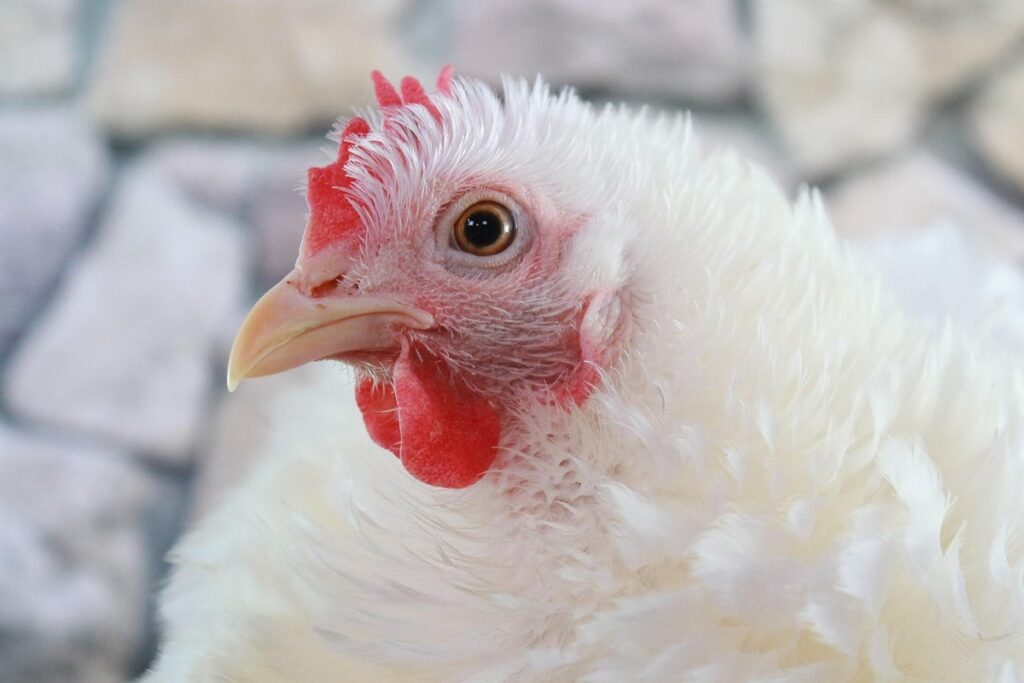
In terms of coloration, White Cochins typically have a pure white coat with some subtle variations in shades. The beak, feet, and comb are usually a soft pink hue, adding to the breed’s endearing charm. While they may not have vibrant colors like other breeds, their understated beauty is undeniable.
Temperament and Personality Traits
When it comes to their temperament, White Cochins are known for being friendly, gentle giants that make wonderful family pets. They also possess a unique set of personality traits that make them stand out from other chicken breeds.
Docile Nature: A Perfect Family Pet
One of the most endearing qualities of the White Cochin is its docile nature, making it an absolute delight to have as a family pet. These gentle giants are known for their friendly demeanor and affectionate personalities, which immediately make them a hit with children and adults alike. Whether you’re looking for a loyal companion or just a fun addition to your backyard flock, the White Cochin is sure to bring joy and laughter to your family.
One of the key reasons why the White Cochin makes such an excellent family pet is its ability to adapt to different situations and environments. They are relatively low-maintenance compared to other breeds, requiring less fuss and attention than some of their more high-strung counterparts. With proper care and handling, they can thrive in a variety of settings, from small backyards to larger farms.
In terms of interaction, the White Cochin is incredibly social and loves human attention. They are known to follow their owners around the yard, eager for pets and treats. This friendly nature makes them an excellent choice for families with young children, who can learn valuable lessons about responsibility and compassion by caring for these gentle birds.
Intelligence and Trainability
One of the most appealing aspects of owning a White Cochin is their intelligence and trainability. This breed is surprisingly easy to socialize and train, making them an excellent choice for first-time chicken owners. They are known to be highly curious and love to explore their surroundings, which makes training a breeze. With patience and consistency, you can teach your White Cochin to perform various tasks, such as following a specific route around the yard or even recognizing their names.
To get started with training your White Cochin, it’s essential to establish a strong bond based on trust and positive reinforcement. Reward them with treats and praise when they complete a task correctly, and be gentle but firm when correcting any mistakes. Socialization is also crucial for this breed, as they can become wary of strangers if not introduced properly. With regular interaction and handling from an early age, your White Cochin will grow into a confident and friendly companion that enjoys human interaction.
Health Considerations and Care
When it comes to owning a white Cochin, it’s essential to be aware of their unique health needs and requirements for optimal care. This includes managing specific breed-related conditions and keeping your feathered friend happy and healthy.
Common Health Issues: What to Watch Out For
As you care for your majestic White Cochin chicken, it’s essential to be aware of common health issues that can affect this breed. Obesity is a significant concern for White Cochins due to their slow metabolism and love for food. Ensure they get regular exercise, such as free-range time or playtime in a securely fenced area.
Another issue to watch out for is respiratory problems caused by the bird’s flat face and narrow beak. Keep your coop well-ventilated, clean, and free from drafts to reduce the risk of respiratory infections. Regular check-ups with a veterinarian can also help identify potential issues early on.
Be mindful of feather pecking and cannibalism, which can lead to stress and injury. Provide adequate space for each bird, ensuring they have enough room to move around comfortably. You should also keep an eye out for signs of internal parasites, such as coccidiosis or worms, which can be prevented with regular deworming medication.
Monitor your White Cochin’s overall health by keeping track of their appetite, droppings, and energy levels. If you notice any unusual changes, consult a veterinarian promptly to prevent complications from arising.
Nutrition and Lifestyle Tips for Optimal Health
When it comes to keeping your majestic White Cochins thriving and healthy, their nutrition and lifestyle play a crucial role. A well-balanced diet is essential for maintaining optimal health, so ensure they have access to a high-quality layer feed or a mix of grains, fruits, and vegetables. Supplementing with calcium-rich foods like crushed eggshells or dark leafy greens can help support strong bone growth.
In addition to a healthy diet, regular exercise is vital for your White Cochins’ physical and mental well-being. Encourage them to engage in natural behaviors by providing ample space for roaming and foraging. This could be as simple as clearing a section of the yard or offering puzzle toys filled with treats. Aim for at least 4-6 hours of sunlight exposure daily, which will help regulate their circadian rhythms.
Remember to also provide regular veterinary check-ups and keep an eye out for signs of stress or illness. By prioritizing your White Cochins’ nutrition and lifestyle habits, you’ll be taking significant steps towards promoting overall health and well-being in these majestic birds.
Breeding and Raising White Cochin Chickens
Breeding and raising white Cochin chickens requires attention to specific needs, including ideal incubation temperatures and humidity levels for successful hatching. Understanding these factors is crucial for a healthy flock.
Choosing the Right Hatchery or Breeder
When it comes to purchasing White Cochin chicks, choosing the right hatchery or breeder is crucial for ensuring you get healthy, high-quality birds. To find a trustworthy source, start by researching local and national breeders. Look for breeders who specialize in White Cochins and have experience raising them.
Check online directories like the American Bantam Association (ABA) or the American Poultry Association (APA) to find reputable hatcheries and breeders. You can also ask fellow chicken keepers for recommendations or check local poultry clubs for advice. Once you’ve narrowed down your list, research each breeder’s reputation by reading reviews, checking their website, and asking questions.
Some red flags to watch out for include: unresponsive communication, inconsistent pricing, and poor customer service. Look for breeders who provide health guarantees, offer transparent information about their breeding practices, and prioritize the well-being of their birds. By doing your homework and choosing a reputable hatchery or breeder, you’ll set yourself up for success with raising healthy White Cochin chicks.
Tips for Raising Chicks: A Comprehensive Guide
Raising White Cochin chicks requires attention to detail and a commitment to providing them with a nurturing environment. From day-old to maturity, it’s essential to ensure they receive proper nutrition, undergo regular health checks, and have an optimal living space.
When it comes to feeding, consider the following tips: provide starter feed specifically formulated for young chickens (18-20% protein), increase protein content as they grow (22-24%), and gradually introduce whole grains such as oats or barley. Also, ensure access to fresh water at all times, changing it frequently to prevent bacterial growth.
Health checks are crucial in the early stages of a chick’s life. Look for signs of illness, such as labored breathing, loss of appetite, or changes in droppings. Monitor temperature (keep it between 90-100°F) and humidity levels (around 50%) within the coop. You can also schedule regular visits to your vet for advice on vaccinations and preventative care.
Preparation of their living space is equally important. White Cochin chicks need room to grow, so ensure the coop has enough vertical space for roosting bars and adequate ventilation. Also, consider adding a dust bath area outside the coop where they can clean themselves naturally.
Show and Exhibition Opportunities
If you’re interested in showing off your majestic White Cochin’s beauty, we’ll explore some exciting opportunities to get them noticed. This includes top breed shows and exhibitions nationwide.
Understanding the Showing Process: What to Expect
Preparing your majestic White Cochin for a showing experience can be an exciting yet daunting task. First and foremost, understand that the goal of chicken showing is not only to showcase your bird’s beauty but also to test its health, temperament, and overall quality.
To begin with the preparation process, familiarize yourself with the breed standards set by organizations such as the American Bantam Association (ABA) or the American Poultry Association (APA). This will give you a clear understanding of what judges look for in a White Cochin.
Key areas to focus on include plumage quality, beak and leg color, and overall conformation. Practice handling your bird regularly to help it get accustomed to being handled by different people.
When attending an exhibition or show, expect to see various classes and categories, such as junior, senior, and champion classes. Each class will have specific requirements and judging criteria. Upon arrival, ensure you register your bird promptly and follow the instructions provided by show officials.
Judges typically evaluate birds based on their breed standard, so it’s crucial to understand what makes a White Cochin stand out in terms of its unique characteristics.
Benefits of Participating in Shows: Community Building and Education
Participating in shows is an incredible way to build a sense of community with fellow white Cochin enthusiasts. Not only do you get to showcase your majestic birds, but you also connect with others who share your passion. Imagine being surrounded by like-minded people, all united by their love for these beautiful creatures.
By participating in shows, you’ll not only gain valuable experience and knowledge, but you’ll also have the opportunity to network with experienced breeders, judges, and enthusiasts. You can ask questions, learn from their expertise, and even pick up tips on how to improve your breeding program.
One of the most rewarding experiences is watching your birds thrive under the attention of fellow show-goers. As they strut around the rings, you’ll see firsthand the admiration and appreciation that comes with showcasing a well-bred Cochin. And, who knows? You might even take home some impressive awards or recognition for your hard work.
Show participation also offers a chance to learn from others’ experiences and mistakes, giving you valuable insights to apply to your own breeding program. Don’t be afraid to ask questions, share your knowledge, and collaborate with fellow breeders – it’s all part of the fun!
Conclusion
In conclusion, the White Cochin chicken is a magnificent breed that has captured the hearts of many poultry enthusiasts. Through this comprehensive guide, we’ve delved into the history, characteristics, and care requirements of these stunning birds. As you’ve learned, they’re known for their gentle nature, impressive size, and luscious white plumage. If you’re considering adding a White Cochin to your flock, remember to provide them with ample space to roam and adequate shelter from harsh weather conditions.
To ensure the health and happiness of your new feathered friend, make sure to research local regulations regarding backyard chickens and invest in high-quality feed that caters to their specific dietary needs. With proper care and attention, these majestic birds will bring joy and entertainment to your life for years to come.
Frequently Asked Questions
How do I ensure my White Cochin chicken stays healthy?
Ensure your bird’s optimal health by providing a balanced diet, fresh water, and regular veterinary check-ups. Also, create a safe living environment with adequate space to roam and exercise.
Can I keep multiple White Cochin chickens together in a small backyard?
Yes, the friendly nature of White Cochins makes them suitable for flock ownership. However, introduce new birds gradually to prevent stress, and ensure sufficient space for each bird (about 4-5 square feet per chicken).
Are White Cochin chickens easy to train?
White Cochins are relatively intelligent and can be trained with patience and consistency. Use positive reinforcement techniques like treats and praise to encourage desired behaviors.
What’s the best way to handle my White Cochin chicken during molting season?
During molting, your bird may become stressed or irritable. Provide extra care by offering a balanced diet, maintaining a clean living environment, and reducing stress through gentle handling and regular interaction.
How often should I trim my White Cochin chicken’s wings?
Trim your White Cochin’s wings every 2-3 months to prevent damage from overgrowth. This will also help maintain their balance while flying short distances within the yard.