
Are you looking for a unique addition to your backyard flock? Look no further than the cuckoo Marans chicken. This stunning breed boasts an impressive array of characteristics that make them a standout among other egg-laying chickens. Not only do they possess a striking black plumage with distinctive ‘cuckoo’ markings, but they’re also renowned for their exceptional egg-laying abilities – making them an ideal choice for backyard farmers and hobbyists alike.
In this comprehensive guide, we’ll delve into the intricacies of breeding, raising, and managing cuckoo Marans chickens. We’ll explore their temperament, care requirements, and provide valuable insights on how to optimize their performance as prolific egg layers. Whether you’re a seasoned breeder or just starting out, our expert advice will help you unlock the full potential of these remarkable birds.
History and Origins
The Cuckoo Marans breed has a rich and fascinating history that dates back to medieval England, where it was highly prized for its unique appearance. Let’s dive into their origins and evolution over time.
Early Beginnings
The cuckoo marans breed has its roots in Europe, specifically in England and France, where it was developed for egg-laying purposes. This ancient breed is believed to have originated from the Barred Plymouth Rock and other English breeds, with the goal of creating a chicken that excelled at producing large, dark brown eggs.
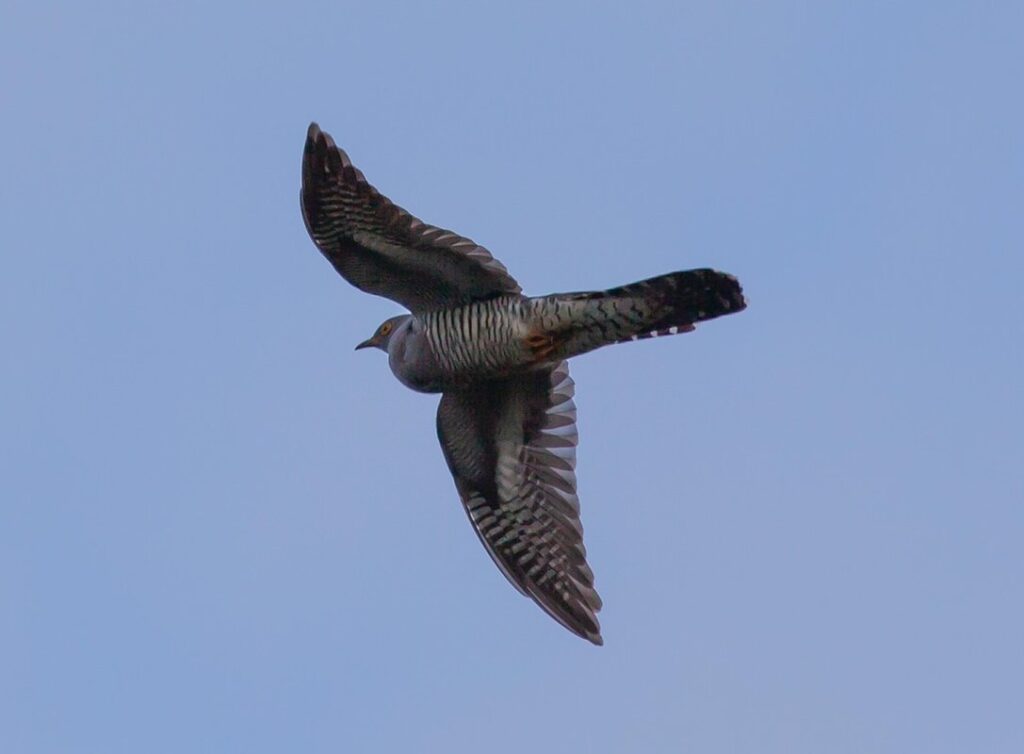
The name “cuckoo” comes from the bird-like appearance of the chicks, which are striped in a similar pattern to those of the cuckoo bird. This unique characteristic was highly valued by early farmers, who wanted a breed that would produce robust and hardy offspring.
Early records indicate that the cuckoo marans was first bred in the late 19th century, with the primary focus on egg production. These birds were prized for their ability to lay up to 200 large eggs per year, making them an ideal choice for small-scale farmers and backyard enthusiasts.
Development into a Distinct Breed
In the early 20th century, the cuckoo Marans was developed from the original French Marans breed. The primary goal of creating this distinct breed was to produce a bird with a unique appearance, specifically its mottled or ‘cuckoo’ feathers. This process took several decades and involved careful selection and breeding by experienced poultry enthusiasts.
Key milestones in the development of the cuckoo Marans include its recognition as a distinct breed by the British Poultry Standards in 1929. Additionally, the American Poultry Association (APA) recognized the cuckoo Marans in 1965. These recognitions not only solidified the breed’s place within the poultry world but also paved the way for further development.
To give you an idea of just how unique this breed is, consider that no two cuckoo Marans birds will look exactly alike, even within the same flock. This genetic variation is a result of the careful breeding process and speaks to the breed’s adaptability and individuality.
Characteristics and Appearance
The Cuckoo Marans chicken is instantly recognizable due to its striking plumage, which features a unique blend of blue and black colors. Let’s take a closer look at this breed’s distinctive characteristics.
Physical Traits
The cuckoo marans chicken is easily recognizable due to its striking physical traits. When it comes to plumage, this breed boasts a unique appearance with black feathers sporting distinctively colored “clock faces” or markings. These markings resemble clock faces and can vary in intensity from light tan to dark brown. The rest of the body has a glossy sheen, adding to the overall appeal of the bird.
In terms of size, cuckoo marans chickens are medium-sized birds that weigh around 2-3 kg (4.4-6.6 lbs). They are known for their robust build and sturdy legs, which enable them to scratch and forage effectively. One key characteristic is their ability to fly relatively well compared to other similar breeds. Hens typically reach an average height of about 50 cm (20 inches) at the shoulder.
For potential owners, consider that size and weight can impact living space requirements and feeding habits. It’s essential to ensure you have sufficient space for your flock to roam while also providing adequate nutrition tailored to their specific needs.
Egg-Laying Abilities
Cuckoo Marans chickens are renowned for their impressive egg-laying abilities. These birds are capable of producing a significant number of eggs per year, making them an excellent choice for backyard chicken keepers and small-scale farmers alike.
One of the most notable aspects of Cuckoo Marans eggs is their unique appearance. They typically range in color from dark chocolate brown to rich espresso, with some eggs featuring darker or lighter shades depending on individual bird characteristics. Egg size can also vary, but most Cuckoo Marans hens lay medium-sized eggs that weigh around 50-55 grams.
In terms of egg production, Cuckoo Marans chickens are known for their prolificacy, with many hens laying between 200 and 220 large brown eggs per year. This level of productivity is impressive considering the breed’s relatively small size compared to other dual-purpose breeds. To encourage optimal egg-laying in your flock, ensure that they receive a balanced diet rich in calcium, adequate light exposure, and regular exercise.
Temperament and Behavior
When it comes to temperament, cuckoo Marans chickens are known for being friendly and social birds that thrive on interaction. They also have distinct behaviors unique to their breed.
Friendly Nature
One of the standout characteristics of the Cuckoo Marans breed is their extremely friendly and docile nature. This temperament makes them an excellent addition to backyard flocks, especially for families with children. They are known to be gentle, calm, and laid-back, which means they can easily get along with other chickens in a mixed flock.
In fact, many Cuckoo Marans owners have reported that their birds are often the first to greet visitors at the coop door, eagerly seeking attention and affection. This friendly disposition is partly due to their low-stress nature, making them less prone to aggression or flightiness. With proper care and socialization, Cuckoo Marans can become quite tame and even enjoy being handled and cuddled.
To capitalize on this temperament, it’s essential to introduce your Cuckoo Marans to other birds gradually and in a controlled environment. This will allow them to establish a harmonious pecking order within the flock. With their friendly nature and calm demeanor, Cuckoo Marans can bring immense joy and companionship to any backyard flock.
Interaction with Humans
One of the most endearing aspects of the Cuckoo Marans breed is their interaction with humans. These chickens have a curious nature that makes them extremely approachable and eager to please. They thrive on human attention and are known to follow their owners around the coop, seeking interaction and pets.
Their friendly demeanor allows them to tolerate handling quite well, making them an excellent choice for families or first-time chicken keepers. In fact, many Cuckoo Marans enthusiasts report that these birds will even come when called by name, eager to be fed treats or simply cuddled.
When introducing a new Cuckoo Marans to your flock, it’s essential to do so gradually and with plenty of positive reinforcement. Start by allowing them to become familiar with their surroundings, then gradually increase handling time, rewarding calm behavior with treats and praise. With patience and consistency, you’ll be enjoying the company of these delightful birds in no time.
Their affectionate nature also makes them prone to imprinting, so it’s crucial to set boundaries early on and maintain a gentle yet firm hand when interacting with your Cuckoo Marans. By doing so, you can develop a lifelong bond with this wonderful breed.
Care and Management
To keep your Cuckoo Marans happy and healthy, it’s essential to understand their unique needs when it comes to care and management.
Housing and Enrichment
When it comes to housing and enriching your cuckoo Marans, it’s essential to provide them with a suitable environment that meets their unique needs. First and foremost, ensure the coop design allows for adequate ventilation, as these birds can be prone to respiratory issues if the air is stale. A minimum of 2-3 square feet per bird should be allocated for roosting space within the coop.
When it comes to outdoor access, cuckoo Marans need plenty of space to roam and forage. Allocate a fenced area that provides at least 8-10 square feet of space per bird. This will enable them to exercise and engage in natural behaviors like scratching and pecking.
To enrich their lives, consider adding features such as nesting boxes, dust baths, and foraging areas with scattered treats or puzzle feeders. Rotate these enrichment activities regularly to keep your birds engaged and stimulated. By providing a well-designed coop and access to outdoor space, you’ll be giving your cuckoo Marans the best chance at a happy and healthy life.
Diet and Nutrition
When it comes to keeping Cuckoo Marans chickens healthy and thriving, their dietary needs are of utmost importance. These birds require a balanced diet that meets their unique nutritional requirements. As you’d expect from a hardy breed like the Cuckoo Marans, they need a mix of protein-rich foods, whole grains, and fiber to maintain optimal health.
A good starting point is to provide your flock with a high-quality commercial chicken feed as their main staple. Look for feeds that are specifically formulated for laying hens or broilers, depending on your birds’ age and purpose. Supplement this with fresh fruits and vegetables daily to ensure they get the nutrients they need. Leafy greens like kale and spinach are excellent sources of calcium, essential for strong eggshell production.
Remember, a balanced diet is crucial for optimal health. Avoid overfeeding, as Cuckoo Marans chickens can be prone to obesity. Provide them with fresh water at all times, and consider adding a calcium supplement to their feed during breeding season or when they’re laying eggs regularly.
Health Considerations
When considering bringing a cuckoo Marans chicken into your flock, it’s essential to be aware of any potential health concerns that may arise. We’ll discuss some key factors to keep in mind here.
Common Health Issues
When it comes to health considerations for Cuckoo Marans chickens, there are several potential issues that you should be aware of. Marek’s disease is one of the most significant threats to this breed. This viral disease can cause a range of symptoms including tremors, loss of coordination, and vision problems. Vaccination is available, but it’s essential to ensure your flock is up-to-date on their vaccinations.
Another common health issue affecting Cuckoo Marans chickens is obesity. Due to their friendly and docile nature, they tend to overeat if not monitored closely. This can lead to a range of health issues including heart problems and respiratory difficulties. A balanced diet and regular exercise are essential for maintaining a healthy weight in this breed.
Regular checks by a veterinarian can help identify potential health issues early on, allowing you to take preventative measures to keep your flock healthy and thriving. By being aware of these potential issues and taking proactive steps, you can enjoy the wonderful companionship of Cuckoo Marans chickens while minimizing their risk of health problems.
Vaccination and Preventative Measures
Maintaining good health is crucial for Cuckoo Marans chickens to thrive. Vaccination and preventative measures play a vital role in keeping this unique breed healthy. It’s essential to understand that chicks and young pullets are more susceptible to diseases, making vaccination a top priority.
A well-planned vaccination schedule should start from an early age, typically around 6-8 weeks old. Consult with your veterinarian to determine the best course of action for your flock. Common vaccinations include Marek’s disease and Newcastle disease. Make sure to follow all guidelines carefully to avoid complications or adverse reactions.
In addition to vaccination, maintaining a clean and hygienic coop is vital. Regularly disinfect feeders, waterers, and perches to prevent the spread of diseases. Keep an eye on your flock’s behavior and health, monitoring for signs of illness such as lethargy, loss of appetite, or changes in droppings.
Implementing preventative measures like biosecurity protocols can also help safeguard your flock. Isolate new birds before introducing them to the main coop, and ensure proper ventilation to reduce the risk of disease transmission. By taking proactive steps towards vaccination and prevention, you’ll be well on your way to keeping your Cuckoo Marans chickens happy and healthy.
Breeding and Raising Cuckoo Marans
If you’re new to raising Cuckoo Marans, learning how to successfully breed them is a crucial step in building a healthy flock. This section will walk you through the process of breeding and raising these beautiful birds.
Selecting the Right Parents
When selecting breeding pairs for Cuckoo Marans, it’s essential to prioritize health, temperament, and genetic diversity. Look for birds that exhibit excellent feather quality, strong immune systems, and a calm demeanor. A good starting point is to evaluate the breeding stock from reputable hatcheries or breeders who specialize in this unique breed.
Begin by examining the parents’ conformation, movement, and overall appearance. Cuckoo Marans should have a sleek, dark plumage with distinctive “clock” markings on their wings and tail feathers. Evaluate their beak shape, eye color, and earlobes, as these characteristics can impact the quality of offspring.
Consider breeding pairs that showcase genetic diversity by combining different bloodlines or strains. This will increase the chances of producing healthy, heterozygous chicks with a lower risk of inherited diseases. Moreover, select parents that are at least 6-12 months old to ensure they have reached physical maturity and are less prone to health issues during breeding.
Hatching and Rearing Chicks
Hatching and rearing cuckoo Marans chicks requires careful attention to detail and a solid understanding of incubation and brooding techniques. When it comes to hatching, start by setting the temperature between 99-100°F (37-38°C) for the first 24 hours, then gradually decrease it to around 98-99°F (36-37°C) until pip time, typically around 14 days.
For incubation, choose a reliable and well-insulated incubator or use a broody hen if possible. Monitor the humidity levels closely, aiming for a range of 50-60%. Regularly inspect the eggs for any signs of damage or developmental issues.
Once the chicks start to hatch, gently remove them from the egg and place them in a warm, draft-free area under a heat source. Maintain a temperature around 90-95°F (32-35°C) during brooding hours. It’s essential to keep the chicks clean, dry, and well-fed by providing adequate ventilation and regular feeding schedules.
Keep in mind that cuckoo Marans chicks can be more sensitive due to their unique genetics. Monitor their health closely for signs of illness or distress. With proper care and attention, you’ll soon have a brood of healthy, thriving cuckoo Marans pullets ready to join your flock.
Frequently Asked Questions
How Do I Determine the Best Environment for My Cuckoo Marans Chickens?
Cuckoo Marans chickens thrive in temperate climates with moderate temperatures between 40°F to 80°F (-40°C to 27°C). Ensure your coop provides adequate ventilation, insulation, and protection from harsh weather conditions. Consider factors like sunlight exposure, wind direction, and proximity to water sources when selecting the ideal location for their home.
What Are Some Common Health Issues I Should Be Aware of in Cuckoo Marans Chickens?
As with any breed, cuckoo marans chickens can be susceptible to common health issues such as respiratory problems, mites, and lice. Regularly monitor their health, maintain a clean coop, and provide a balanced diet to prevent these issues. Consult with a veterinarian if you notice any signs of illness or stress in your flock.
Can Cuckoo Marans Chickens Be Kept with Other Breeds?
Yes, cuckoo marans chickens can be integrated into mixed flocks, but it’s essential to introduce them gradually and under close supervision to prevent fighting. Choose compatible breeds that share similar temperaments and living requirements to ensure a harmonious flock.
How Often Should I Vaccinate My Cuckoo Marans Chickens?
The vaccination schedule for cuckoo marans chickens depends on your location, climate, and local disease prevalence. Consult with a veterinarian to determine the best vaccination strategy for your area. Typically, vaccinations are administered at 1-2 weeks old and boosted at 6-8 weeks.
What Are Some Tips for Selecting Healthy Cuckoo Marans Parent Stock?
When selecting parent stock, prioritize birds that exhibit good egg-laying habits, strong feathering, and robust overall health. Look for clear documentation of ancestry, genetics, and testing for common diseases. Consider factors like temperament, fertility, and hatchability rates when making your selection.