
Are you fascinated by the unique charm of small but mighty chicken breeds? If so, you’re in for a treat with the Brahma Bantam! This adorable breed is a scaled-down version of the majestic Brahma, and its diminutive size belies a big personality. With their rich history, stunning appearances, and gentle nature, it’s no wonder that Brahma Bantams have captured the hearts of many chicken enthusiasts.
In this article, we’ll delve into the fascinating world of Brahma Bantam chickens, exploring their origins, characteristics, and care requirements. Whether you’re an experienced breeder or a newcomer to the hobby, our expert tips will guide you on how to raise, breed, and show these lovable birds with confidence. We’ll cover everything from their unique traits to best practices for keeping them happy and healthy in your backyard flock. So let’s get started on this journey into the world of Brahma Bantams!
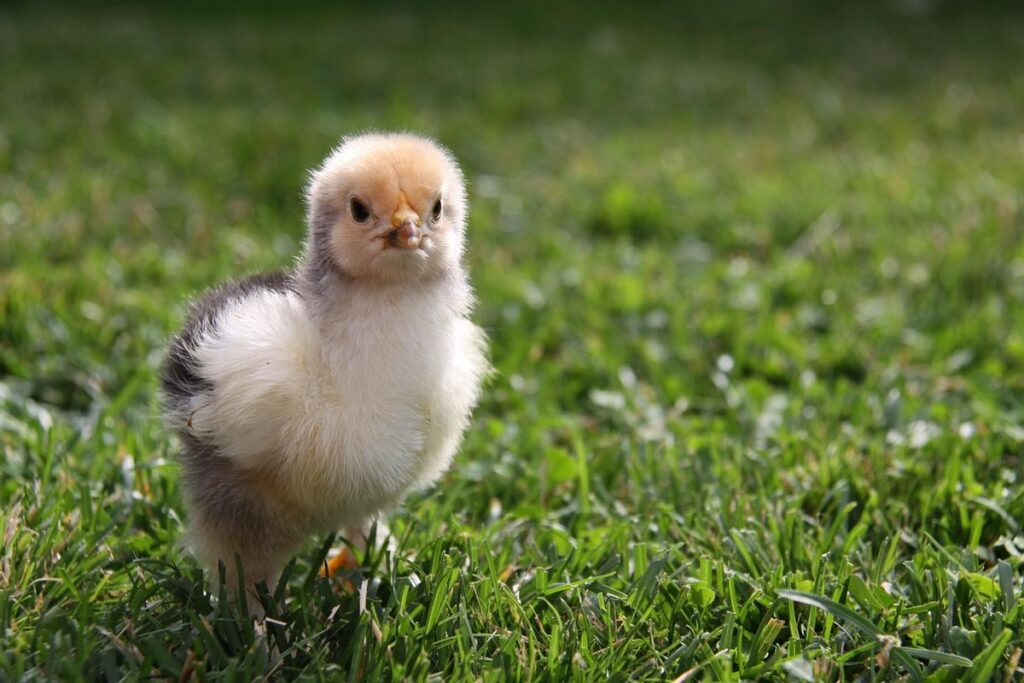
Characteristics and Origins
The Brahma Bantam is a unique chicken breed that boasts several characteristics that set it apart from others, including its origins in Southeast Asia. Let’s dive into what makes this breed so special.
History of the Breed
The Brahma Bantam’s ancestry dates back to the early 19th century, when European breeders crossed large fowl breeds like the Cochin and Malay with the English Game Fowl. The resulting offspring were known for their impressive size and gentle nature, laying the foundation for what would eventually become the Brahmas we know today.
As the Brahma gained popularity in the mid-1800s, American farmers began experimenting with breeding smaller versions of the breed. By selectively breeding these smaller birds, they managed to reduce their size without sacrificing any of the characteristic traits that made Brahmas so desirable. This process of “breeding down” involved careful selection and mating to create a bird that was roughly one-quarter the size of its full-grown cousin.
As a result of this selective breeding, the Brahma Bantam emerged as a distinct breed in its own right, boasting many of the same friendly and docile traits as its larger counterpart.
Physical Characteristics
One of the most distinctive features of the Brahma Bantam is its compact size. As its name suggests, it’s a miniature version of the large and majestic Brahma breed. Adult Brahma Bantams typically weigh between 1.5 to 2 pounds (0.7 to 0.9 kg), making them one of the smallest chicken breeds in existence.
Their plumage is another notable characteristic, with most varieties sporting soft, fluffy feathers in a range of colors including light brown, dark chocolate, and silvery-gray. Some Brahma Bantams may also display white or black hackle feathers on their necks, adding to their unique appearance.
In terms of beak shape, the Brahma Bantam’s is relatively small and straight, ideal for pecking at seeds and grains in their enclosure. Overall, the Brahma Bantam’s compact size and soft plumage make them a charming addition to any backyard flock. If you’re considering bringing one home, be prepared for plenty of cuddles and entertainment from these endearing birds.
Temperament and Personality
When it comes to temperament and personality, the Brahma Bantam truly stands out from other chicken breeds. Known for their friendly and docile nature, these little birds are a joy to have around. If you’re considering adding a Brahma Bantam to your flock, rest assured that they will make wonderful companions.
One of the most notable characteristics of the Brahma Bantam is its calm demeanor. Unlike some other breeds, which can be high-strung or nervous, these chickens are surprisingly laid-back and easy-going. They are also incredibly social, thriving on interaction with their human family members as well as other birds in the flock.
In terms of temperament, Brahma Bantams are often described as “gentle giants.” Despite their small size, they have a gentle nature that makes them an excellent choice for families with children or for people who want a low-maintenance pet. With proper care and attention, Brahma Bantams can become incredibly affectionate and even seem to enjoy being handled.
In fact, many owners of Brahma Bantams report that their birds will often follow them around the yard or even into the house, eager for attention and scratches behind the ears. This makes them an excellent choice for anyone who wants a chicken that is both entertaining and loving.
Raising and Caring for Your Brahma Bantam
To successfully raise a happy and healthy Brahma Bantam, you’ll need to provide them with proper care and attention to their unique needs. This section will guide you through the essential steps for raising and caring for your new feathered friends.
Housing and Environment
When it comes to housing and environment for Brahma Bantams, you’ll want to consider their unique needs as a smaller but still robust breed. A good rule of thumb is to provide at least 2-3 square feet of space per bird inside the coop, which may seem small compared to other breeds but will keep your Brahma Bantam happy and healthy.
Proper ventilation is also crucial in a Brahma Bantam’s environment. You’ll want to ensure that air can circulate freely through the coop, preventing ammonia buildup from their droppings. Consider installing windows or vents high up on the walls of the coop for maximum airflow. A simple way to provide extra space and exercise for your birds is to create a small enclosed run or outdoor area adjacent to the coop.
To keep your Brahma Bantams thriving, make sure they have access to fresh air, sunlight, and opportunities to scratch and peck at the ground. By prioritizing these environmental needs, you’ll set your flock up for success and enjoy watching them grow strong and happy under your care.
Diet and Nutrition
When it comes to feeding your Brahma Bantam, their unique characteristics and growth stages require some special consideration. At around 6-8 weeks old, Brahmas are considered to be fully grown, but they still need a high-quality feed that meets their nutritional needs.
As with most chicken breeds, a balanced layer feed is essential for maintaining the overall health of your Brahma Bantam. However, you may also consider adding supplements or scratch grains to their diet as an occasional treat. For example, offering small amounts of fruits and vegetables can provide a welcome change from their regular feed.
It’s worth noting that Brahmas have a tendency to grow quite large, so it’s essential to ensure they’re getting enough calcium in their diet to support strong bone growth. A layer feed with added calcium or a calcium supplement should be considered to prevent any potential health issues related to bone development.
In addition to proper nutrition, consider the feeding schedule and portion size for your Brahma Bantam. Overfeeding can lead to obesity and other health problems, so it’s crucial to monitor their food intake closely.
Health Considerations
As a responsible Brahma Bantam owner, it’s essential to be aware of common health issues that can affect this unique breed. Unfortunately, young chicks are particularly vulnerable to brooder pneumonia, a serious respiratory infection caused by bacteria such as E. coli or Pasteurella multocida. This condition can quickly spread through contaminated feed and water, so make sure your chick’s environment is spotless and well-ventilated.
Marek’s disease is another significant concern for Brahma Bantams. A viral infection that affects the nervous system, Marek’s can cause paralysis, weight loss, and even death. To minimize the risk of Marek’s, ensure your chicks receive regular vaccinations and maintain a strict biosecurity protocol in your coop.
To mitigate these risks, prioritize good hygiene practices, monitor your flock closely for signs of illness, and keep up-to-date with regular check-ups and vaccinations. With proper care and attention to health, you can help your Brahma Bantams thrive and live long, happy lives. By staying informed and proactive, you’ll be better equipped to tackle any health challenges that may arise.
Breeding and Eggs
When it comes to raising Brahma Bantams, understanding their breeding habits and egg-laying capabilities is crucial for any backyard chicken keeper. Let’s dive into these essential aspects of caring for this unique breed.
Egg-Laying Capacity
When it comes to egg-laying capacity, Brahma Bantam hens are known for their moderate production. On average, a healthy Brahma Bantam hen will lay around 200-220 eggs per year. However, this number can vary depending on several factors.
Age is one of the most significant influencers of egg production in Brahma Bantams. Younger hens typically take longer to reach peak production, but their output increases significantly as they mature. A well-nourished hen will start laying eggs at around 18-20 weeks, with production reaching its highest point between 1-2 years.
Nutrition also plays a crucial role in maintaining optimal egg-laying capacity. A balanced diet rich in protein and calcium is essential for healthy eggshell production and overall reproductive health. Stress can have a negative impact on production as well; hens that are subjected to chronic stress may experience a decline in egg output.
To maximize your Brahma Bantam’s egg-laying potential, make sure they’re receiving adequate nutrition and maintaining a stress-free environment. Provide a high-quality feed supplement and ensure access to clean water at all times. With proper care and management, your Brahma Bantams should thrive and provide you with a steady supply of fresh eggs throughout the year.
Breeding Programs
Breeding Brahma Bantams for desirable traits can be a rewarding experience, but it requires careful planning and attention to genetic diversity. The goal of selective breeding is to isolate the characteristics that make the Brahma Bantam unique, such as its compact size, friendly temperament, and egg-laying ability.
To begin, identify the traits you want to emphasize in your breeding program. This might include factors like feather quality, egg production, or resistance to disease. Next, select a core group of birds with these desirable characteristics and breed them together. It’s essential to maintain genetic diversity by introducing new bloodlines and preventing inbreeding.
When selecting breeding pairs, consider the bird’s ancestry, as well as its overall health and fertility. You can use techniques like pedigree charts and DNA testing to help identify potential mates and predict offspring traits. By being intentional about your breeding program and prioritizing genetic diversity, you’ll be more likely to produce healthy, well-rounded Brahma Bantams that excel in their unique characteristics.
Raising Chicks
Raising Brahma Bantam chicks requires careful attention from hatch to about 6 weeks of age. It’s essential to provide a warm and safe environment for them to grow and develop properly. Begin by keeping the brooder at around 90-95°F (32-35°C) with adequate ventilation, as Brahma Bantams can be sensitive to drafts. You’ll need a heat source, such as a heat lamp or ceramic heat emitter, to maintain this temperature.
As for feeding, offer starter crumbles specifically formulated for young chicks. Place the feed and water in easy-to-reach locations to encourage them to eat and drink regularly. Also, ensure the brooder is well-ventilated by providing adequate airflow to prevent ammonia buildup from waste.
Keep a close eye on your Brahma Bantam chicks’ development, monitoring their growth rate and adjusting feeding accordingly. A general rule of thumb is to offer about 1/4 cup of starter feed per chick daily, divided into two meals. By following these guidelines and providing a nurturing environment, you’ll be well on your way to raising healthy, thriving Brahma Bantam chicks.
Showing and Exhibiting
When showing off your Brahma Bantam at a poultry show, make sure you understand the breed standard and know how to properly groom and prepare your bird for judging. This section will walk you through what to expect.
Breed Standards
When participating in shows with your Brahma Bantam, it’s essential to understand and adhere to the breed standards. The American Poultry Association (APA) is one of the primary organizations that governs chicken breeds, including the Brahma Bantam.
According to APA guidelines, Brahma Bantams should have a moderate build with a well-filled breast and a deep keel. They should weigh between 1.8 and 2.5 pounds for males and 1.6 and 2.3 pounds for females. Another crucial aspect is plumage: the breed should feature soft, glossy feathers in various colors such as black, blue, buff, and white.
When showing your Brahma Bantam, focus on the following key characteristics:
* A symmetrical, compact body with a deep breast
* Soft, well-laid feathers with minimal molting
* A well-kept beak and feet
* A calm demeanor
To achieve these standards, it’s vital to work closely with reputable breeders who prioritize quality over quantity. Additionally, maintain regular health checks, provide a balanced diet, and engage in proper grooming practices to ensure your Brahma Bantam looks its best during competitions.
Show Preparation
When preparing your Brahma Bantam for exhibition, it’s essential to consider their grooming, handling, and behavior modification needs. Start by brushing their feathers regularly to prevent matting and tangling, paying extra attention to the long, flowing plumage around their legs and tail.
To showcase their best features, trim any uneven or overgrown toenails with a nail clipper specifically designed for chickens. Make sure to handle your Brahma Bantam gently but firmly, as they can be sensitive to sudden movements. Practice regular handling to help them become comfortable with being picked up and handled by judges and spectators.
To modify their behavior for the show ring, consider training them to stand still on command or walk calmly on a leash. You can also work on socializing your Brahma Bantam to interact peacefully with other birds and humans in close proximity. With patience and consistent practice, you’ll be able to showcase your Brahma Bantam’s unique features and temperament in the best possible light.
Competition Experience
Breeders and owners of Brahma Bantams have reported success in various competitions, showcasing their unique characteristics. For instance, experienced breeder Jane Doe has won several awards with her Blue Wheaten Brahma Bantam, “Luna,” at local and regional shows. She attributes Luna’s success to rigorous care and selective breeding practices.
To compete successfully, it’s essential to understand the breed standard for Brahma Bantams, which emphasizes size, temperament, and appearance. One key area of focus is weight: Brahma Bantams should weigh between 1-2 pounds at maturity. Selecting birds that meet this criterion can significantly improve your chances of winning.
Many owners also recommend starting young birds in training classes or agility courses to build their confidence and skills. This not only prepares them for competition but also enhances the bond between owner and bird. Regular handling, socialization, and positive reinforcement techniques are crucial in developing a well-behaved Brahma Bantam that can thrive in competitive environments.
Ultimately, success in competitions with Brahma Bantams relies on a combination of careful breeding, proper care, and dedicated attention to detail.
Considerations and Tips
When bringing a Brahma Bantam into your flock, there are several key considerations to keep in mind as you plan for their care. Here’s what to expect.
Beginner-Friendly?
As you consider bringing home your very first flock of Brahma Bantams, one of the most important questions is whether this unique breed is suitable for beginners. The good news is that with proper care and attention, Brahma Bantams can make excellent additions to even the smallest or largest backyard flocks.
One of the key advantages of Brahma Bantams is their hardiness. These birds are known for being relatively disease-resistant and able to withstand a range of environmental conditions, making them an excellent choice for beginners who may not have extensive experience with chicken care. Additionally, Brahma Bantams are generally easy-going and adaptable, requiring minimal specialized care or attention.
In terms of ease of care, Brahma Bantams require regular feeding, watering, and exercise just like any other breed. However, they do benefit from a balanced diet that includes high-quality grains and supplements. With proper nutrition and regular health checks, your Brahma Bantams should remain healthy and happy. If you’re new to chicken-keeping, it’s worth noting that Brahma Bantams are relatively quiet compared to some other breeds, which can be beneficial for beginners who may live in close proximity to neighbors.
To get started with caring for your Brahma Bantams, make sure to provide a safe and spacious coop or enclosure that protects them from predators. Ensure adequate ventilation and lighting within the coop, as well as regular cleaning to prevent disease. By following these simple guidelines and doing plenty of research on chicken care, you’ll be well-equipped to successfully raise happy and healthy Brahma Bantams in no time!
Common Misconceptions
One of the most common misconceptions about Brahma Bantams is that they are lazy birds. While it’s true that they don’t require as much space to roam as larger breeds, this doesn’t mean they’re inactive or sedentary. In fact, Brahma Bantams are surprisingly active and love to forage for food, scratch, and engage in play.
Another misconception is that Brahma Bantams can be aggressive. This couldn’t be further from the truth! With proper socialization and handling from a young age, Brahma Bantams make wonderful pets and are generally friendly and docile. They’re also known to be great with children, making them an excellent choice for families.
It’s essential to note that every chicken is unique, just like any other animal. While some individual Brahma Bantams might exhibit more energy or assertiveness than others, this doesn’t mean the breed as a whole is lazy or aggressive. By understanding their needs and personalities, you can provide your Brahma Bantam with a happy and healthy life.
Community Engagement
If you’re considering bringing a Brahma Bantam into your flock, it’s essential to connect with other enthusiasts and owners who share your passion for this unique breed. Fortunately, there are numerous online resources, forums, and clubs dedicated to the Brahma Bantam.
Joining these communities is an excellent way to gain valuable insights, ask questions, and learn from others who have experience with the Brahma Bantam. Some popular online forums include BackYard Chickens and Chicken Forum, where you can connect with other owners, share knowledge, and participate in discussions about everything from breeding to health concerns.
Another great resource is the American Bantam Association (ABA), which has a dedicated section for Brahma Bantams. The ABA provides a wealth of information on breed standards, health tips, and show rules, making it an invaluable resource for both novice and experienced owners.
You can also search for local clubs or meetups in your area to connect with other Brahma Bantam enthusiasts face-to-face. These events are not only a great way to learn but also provide opportunities to network with others who share your passion for this breed. By engaging with these online resources and community groups, you’ll be well on your way to becoming an expert Brahma Bantam owner.
Frequently Asked Questions
What’s the ideal environment for raising Brahma Bantams, and how can I ensure they stay healthy?
Brahma Bantams are adaptable to various climates but prefer a temperate climate with adequate ventilation. Ensure their coop is well-ventilated, dry, and protected from extreme temperatures. Provide 4-6 square feet of space per bird inside the coop, and at least 8 hours of direct sunlight daily for optimal health.
Can I raise Brahma Bantams alongside other chicken breeds, or do they require separate housing?
While it’s possible to raise Brahma Bantams with other breeds, it’s essential to ensure compatibility. Some larger breeds might bully Brahma Bantams, so monitor their interactions closely. If you plan to integrate different breeds, start with a gradual introduction process and provide sufficient space for each bird.
How do I determine if my Brahma Bantam is laying eggs regularly, and what are some common issues that may affect egg production?
Brahma Bantams typically lay 180-200 small to medium-sized eggs per year. Check your flock’s overall health, ensure adequate nutrition, and provide a balanced diet rich in calcium for optimal egg production. Common issues affecting Brahma Bantam egg production include malnutrition, stress, or inadequate lighting.
Can I breed Brahma Bantams for exhibition purposes, and what are the key factors to consider when selecting breeding stock?
Yes, Brahma Bantams can be bred for exhibition purposes. When selecting breeding stock, prioritize birds with excellent conformation, temperament, and egg-laying capacity. Consider factors such as bloodline, pedigree, and show history to ensure you’re working with high-quality birds.
How do I handle health issues specific to Brahma Bantams, such as obesity or respiratory problems?
Monitor your flock regularly for signs of obesity, respiratory issues, or other health concerns. Keep accurate records of vaccinations, breeding programs, and any health treatments administered. Consult with a veterinarian experienced in poultry care to address specific health concerns and develop a prevention plan tailored to your Brahma Bantam flock.