
If you’re anything like me, there’s nothing quite like having a flock of happy, healthy hens pecking around your backyard. But when it comes to choosing the perfect breed, things can get overwhelming quickly. That’s why I’m excited to share with you everything you need to know about Blue Australorps – one of the most beloved breeds among chicken enthusiasts. With their stunning blue-gray feathers and gentle nature, it’s no wonder these girls are a favorite among backyard flocks and pet owners alike. But what makes them so special? In this article, we’ll delve into the history of Blue Australorps, explore their physical characteristics, temperament, and health considerations – everything you need to know to decide if these lovely ladies are right for you.
History and Origin of the Blue Australorp
The origins of the blue Australorp hen are a fascinating story, and understanding its history can help you appreciate why this breed has become so beloved by backyard chicken enthusiasts. Let’s delve into where it all began.
Introduction to the Australorp Breed
The Australorp breed has its roots firmly planted in Australia, where it was first developed in the early 20th century. This breed was created with a specific purpose in mind: to produce eggs on a large scale for commercial farming. The name “Australorp” is a combination of two words – “Australia” and “Orpington” – which refers to its English heritage.
The introduction of the Australorp breed marked a significant shift in egg production, as it boasted an impressive average annual lay of over 300 eggs per bird. This was a remarkable achievement that caught the attention of farmers worldwide, leading to the breed’s rapid spread across the globe.
Today, the Australorp is known for its friendly temperament and striking blue plumage, making it a beloved choice among backyard chicken keepers. While this breed originated with commercial egg production in mind, many hobbyists have discovered the joys of raising them as pets – and we’ll explore more on that later in our guide!
The Emergence of the Blue Variety
The emergence of the blue variety of Australorp chickens is a fascinating story that involves a combination of genetics and selective breeding. The first blue Australorps were developed in Australia in the early 20th century, specifically for their egg-laying abilities. To achieve this unique coloration, breeders crossed the existing black Australorp with other breeds that had a blue or slate-gray plumage.
The genetic factors that led to the development of the blue variety are complex and involve multiple genes working together. Essentially, the blue color in chickens is caused by the expression of a recessive gene that masks the production of the pigment melanin. This means that for a chicken to exhibit the blue color, it must inherit two copies of this gene (one from each parent).
The process of developing the blue Australorp was not without its challenges, and it took several years of selective breeding to achieve the desired result. However, the end result was well worth the effort – the blue Australorp has since become a popular choice among backyard chicken keepers due to their striking appearance and impressive egg-laying abilities.
Key Characteristics of the Original Australorp Breed
When you first learn about the Blue Australorp breed, you may wonder what makes them so special. To understand the origins and charm of this beloved breed, it’s essential to delve into their key characteristics.
One of the most notable traits of the original Australorp breed is its exceptional egg-laying ability. On average, a mature Australorp hen can lay around 250-300 large brown eggs per year, making them one of the top laying breeds globally. This impressive egg production capacity makes them an ideal choice for small-scale farmers and backyard chicken keepers.
In addition to their remarkable egg-laying abilities, Australorps are known for their gentle nature and friendly disposition. They are generally docile and easy-going, which makes them an excellent fit for families with children or for those who want a low-maintenance pet. With proper care and socialization, Blue Australorp hens can become wonderful companions and thrive in your backyard flock.
Their calm temperament also means that they tend to get along well with other breeds, making them an excellent addition to a mixed flock. If you’re new to raising chickens, the Australorp breed is definitely worth considering due to its friendly nature and remarkable egg-laying abilities.
Physical Characteristics of Blue Australorps
The first thing you’ll want to know about your new blue Australorp hen is what she looks like, and lucky for you, these ladies have some pretty distinctive physical characteristics. Let’s take a closer look at their size, plumage, and other key features.
Size and Weight
When it comes to the physical characteristics of Blue Australorps, one of the most noticeable aspects is their size and weight. As a breed, they are considered medium to large-sized hens.
On average, an adult Blue Australorp hen will reach a height of around 26-30 inches (66-76 cm) at the shoulder, making them a sturdy bird with a substantial presence in the coop or run. Their wingspan is equally impressive, typically ranging from 38-42 inches (97-107 cm), allowing for smooth and efficient flight when needed.
In terms of body length, Blue Australorps tend to be around 24-26 inches (61-66 cm) long, with a broad, rounded breast and well-feathered tail. Their weight can vary depending on factors such as diet, exercise, and genetics, but on average, an adult hen will weigh between 8-10 pounds (3.6-4.5 kg).
It’s essential to consider these physical characteristics when designing or choosing a coop, as Blue Australorps require sufficient space to move around comfortably. A well-designed run with adequate ventilation and protection from the elements will help keep your hens happy and healthy.
Plumage and Feathering
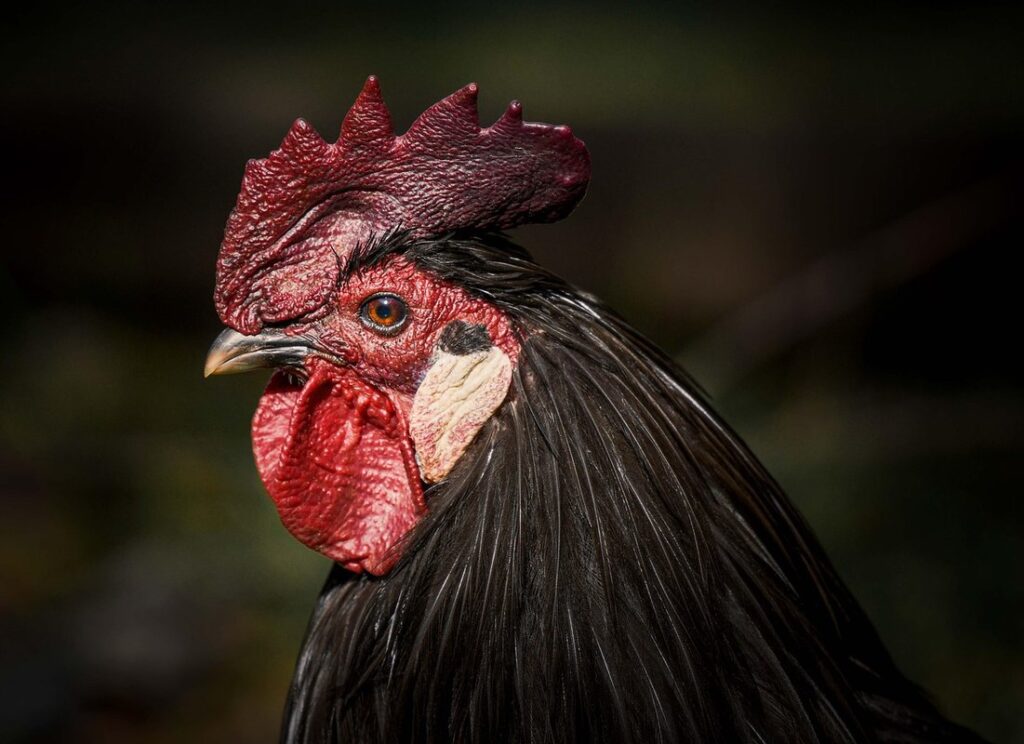
One of the most striking features of the Blue Australorp hen is its beautiful plumage. When you run your hand over their feathers, you’ll notice an immediate difference in texture – they’re softer and more luxurious than many other breeds. This is due in part to the breed’s genetics, but also to its natural environment. Blue Australorps are known for their love of free-range living, which allows them to forage and exercise freely.
The glossy sheen that gives the breed its distinctive look is also a hallmark of healthy birds. A shiny coat can indicate good nutrition, as well as regular preening habits. To maintain this level of plumage health, be sure to provide your Blue Australorp hens with a balanced diet rich in omega-3 fatty acids and essential vitamins.
In addition to their texture and shine, the color of the breed’s plumage is another notable feature. While it’s true that Blue Australorps are called “blue” birds, they actually come in a range of shades from light slate gray to deep indigo. This variability can be influenced by genetics, as well as environmental factors such as sunlight exposure and dust levels.
To keep your Blue Australorp’s plumage looking its best, focus on providing regular grooming sessions – about once a week should suffice. Use a soft brush or your own fingers to gently tease out any tangles or mats, paying particular attention to the areas around the wings and tail feathers.
Beak Shape and Size
The Blue Australorp’s beak is a distinctive feature that sets them apart from other chicken breeds. In terms of shape, their beaks are medium-sized and curved slightly upwards at the tip. This unique shape allows them to forage efficiently for food, particularly in dense vegetation.
One notable aspect of the Blue Australorp’s beak is its coloration – it’s a striking shade of pale yellow or orange-yellow, which can vary depending on individual birds within the breed. However, what you won’t notice is any significant variation in size; their beaks are generally consistent in length across different birds.
When it comes to caring for your Blue Australorp’s beak, it’s essential to provide a balanced and nutritious diet that includes adequate protein sources. This will help maintain the health and integrity of their beak tips. Regular beak trimming may also be necessary, especially if you notice signs of overgrowth or damage due to environmental factors like rough perches or inadequate calcium intake.
Temperament and Personality Traits
When it comes to their temperament, blue Australorp hens are known for being gentle, calm, and affectionate, making them a great fit for families with children. They’re also relatively easy-going when handled by new owners.
Friendliness and Social Nature
Blue Australorps are known for their exceptional friendliness and social nature, making them an excellent choice for backyard flocks or as pets. One of the key characteristics of this breed is their ability to form strong bonds with humans and other chickens. They thrive on attention and interaction, and they’re often described as “lap chickens” because of their tendency to snuggle up in your lap.
In fact, Blue Australorps are highly social birds that love to be around people and other chickens. They’re a great breed for families or individuals who want to create a harmonious backyard flock. With proper introduction and handling, they get along well with other breeds and sizes of chickens. To promote socialization, make sure to provide enough space for your Blue Australorps to roam freely, as well as opportunities for exercise and play.
When it comes to interacting with humans, Blue Australorps are extremely gentle and patient. They’re a great breed for children or beginners who want to learn about chicken behavior and care. With regular handling and socialization, they’ll become your loyal companion and confidant in the backyard.
Docility and Ease of Handling
Blue Australorps are renowned for their incredibly docile nature, making them an ideal choice for backyard flocks and families with children. Their calm demeanor allows them to be handled with ease, even from a young age. This gentle disposition also makes them relatively stress-free to integrate into existing flocks.
One of the most notable characteristics of Blue Australorps is their willingness to accept handling. They are often described as ‘lap chickens’ due to their affectionate nature and ability to snuggle up comfortably in your lap. This ease of handling is not only a pleasure for owners but also makes them an excellent choice for breeders who need to handle birds regularly.
When introducing Blue Australorps to new environments, it’s essential to allow them time to acclimate. Start by placing them in a secure enclosure where they can become familiar with their surroundings at their own pace. As you gain their trust, you’ll find that handling becomes increasingly comfortable for both you and the bird.
Intelligence and Trainability
One of the most appealing aspects of owning a Blue Australorp hen is their intelligence and trainability. These birds are known to be highly responsive to commands and can learn simple tasks with ease. In fact, with patience and consistency, you can teach your Blue Australorp to do everything from pecking at specific objects to performing tricks for treats.
Their ability to learn and obey makes them a joy to work with, especially when it comes to training for shows or simply creating a fun and engaging environment in the backyard. To get started, begin by introducing basic commands like “come” and “go” using positive reinforcement techniques such as rewards and praise. Be sure to start with short sessions and gradually increase duration as your hen becomes more focused.
With their high trainability comes an added bonus: the ability to adapt to changing situations. Blue Australorps are known to thrive in a variety of environments, from small backyards to large farms, making them an excellent choice for backyard chicken keepers or professional breeders alike.
Health Considerations for Blue Australorps
When it comes to caring for your blue Australorp hen, understanding their specific health needs is crucial to ensuring they live a long and happy life. This section will cover essential factors to consider when monitoring your bird’s health.
Common Health Issues Affecting the Breed
As a Blue Australorp owner, it’s essential to be aware of the breed’s common health issues. One of the most significant concerns is egg-binding, where the hen has trouble laying eggs due to a variety of reasons such as pelvic misalignment or large eggs. This can cause discomfort and even lead to reproductive complications. To prevent egg-binding, provide your hens with adequate calcium and a balanced diet.
Another issue affecting Blue Australorps is osteoporosis, which can be caused by poor nutrition or genetics. Weak bones make them more susceptible to fractures and other injuries. Monitor their feeding habits closely and ensure they receive essential vitamins and minerals through supplements if necessary.
Reproductive problems are also common in the breed, particularly with egg-laying issues. Factors such as age, health, and genetics play a significant role. Regular check-ups from a veterinarian can help identify potential issues early on. Keep an eye out for signs of reproductive trouble, including decreased egg production, lethargy, or changes in droppings.
Maintaining a clean coop and providing a stress-free environment also helps prevent these issues. By being aware of these common health concerns and taking proactive steps to address them, you can help keep your Blue Australorps healthy and thriving for years to come. Regular veterinary check-ups are crucial in monitoring their overall health.
Nutritional Requirements and Diet
Blue Australorps are known for their high egg production, and to maintain this level of productivity, they require a balanced diet that meets their nutritional needs. A starter layer feed containing around 16-18% protein is ideal for young hens as it promotes growth and development. As they mature, you can switch them to a layer feed with slightly lower protein levels (around 14-15%) to support egg production.
In addition to these commercial feeds, Blue Australorps also require access to fresh water at all times. You should also provide supplements such as calcium to support strong eggshell formation and omega-3 fatty acids for overall health.
It’s essential to ensure your hens’ diet is not deficient in any nutrients. A common mistake many backyard chicken keepers make is over-reliance on table scraps, which can lead to nutritional imbalances. Instead, focus on providing high-quality commercial feeds and treats that are specifically formulated for poultry. This will help maintain their optimal health and egg-laying abilities.
Vaccination and Health Maintenance
As an owner of Blue Australorp hens, it’s essential to prioritize their health and well-being. Vaccination plays a crucial role in preventing diseases that can affect your flock. Consult with a veterinarian to determine the best vaccination schedule for your birds, as this will depend on factors such as your location, climate, and the specific diseases prevalent in your area.
Regular health checks are also vital to maintaining the overall health of your Blue Australorps. This includes monitoring their behavior, appetite, and stool quality, as well as performing regular physical examinations to check for signs of illness or injury. Keep a record of your birds’ vaccinations and health checks to ensure you stay on top of their care.
Some common diseases that affect backyard chickens include Newcastle disease, infectious bronchitis, and Marek’s disease. By staying informed about these potential threats and taking proactive steps to prevent them, you can help keep your Blue Australorps healthy and thriving.
Breeding and Raising Blue Australorp Chicks
Raising blue Australorp chicks requires a gentle touch and precise planning, especially when it comes to breeding and starting them off on the right foot. In this section, we’ll cover the essential steps for successfully raising your new flock.
Choosing a Healthy Roo and Hen
When selecting a healthy rooster and hen for breeding purposes, several key factors come into play. To ensure you’re bringing in genetics that will excel as breeders, look for birds with a robust build and good overall health. A well-fed and well-cared-for blue Australorp hen should have shiny feathers, clean eyes, and a curious nature.
When inspecting the rooster, observe his behavior towards the hens – he should be calm and gentle. Check his comb and wattles; they should be firm and free of signs of illness or injury. Pay attention to the rooster’s temperament as well; if you find him to be aggressive or overly dominant, it may not make a suitable breeding bird.
For the hen, examine her egg-laying capabilities by observing her laying schedule and quality of eggs produced. Look for birds that lay large brown eggs consistently throughout the year. Also, take note of their personality traits – some blue Australorps are known to be friendly and outgoing while others can be more reserved.
When evaluating potential breeding stock, it’s essential to consider genetics as well. Selecting birds with diverse lineage can help prevent inbreeding depression and promote stronger overall health in your flock.
Brooding and Incubation Techniques
When it comes to brooding and incubating Blue Australorp eggs, careful attention to detail is crucial for successful hatching. Start by preparing a suitable brooder area with adequate ventilation and a heat source. For the first week or so after hatching, maintain an environmental temperature of around 90-95°F (32-35°C) in the brooder, gradually decreasing it by 5°F (3°C) per day thereafter.
Use a reliable incubator for eggs that you plan to hatch, as this will provide optimal temperature control. Ensure accurate humidity levels and gently rotate the eggs every 12 hours to prevent adhesion of the embryo to the shell.
In terms of incubation duration, Blue Australorp eggs typically take around 21 days to hatch. Monitor the eggs closely during the final week for signs of pipping – a small crack in the shell through which the chick will emerge.
Maintain consistent temperatures and humidity levels throughout the incubation period. Regularly inspect the eggs for any visible cracks or damage, carefully handling them to avoid disturbing the developing embryo.
Early Care and Development of Chicks
When it comes to raising Blue Australorp chicks, their early care and development are crucial for their health, growth, and future egg-laying potential. To ensure a strong start, it’s essential to provide them with the right nutrition.
A good quality starter feed should be crumbly and palatable to encourage eating from an early age. Aim to introduce feed at around 18-20 days of age, and make sure fresh water is always available. It’s also vital to maintain a clean environment by removing any droppings or debris daily, ensuring the brooder remains free from disease-causing pathogens.
Monitor your chicks’ health closely during this period, keeping an eye out for signs of illness such as labored breathing, loss of appetite, or lethargy. Regular checks can help catch potential issues before they escalate into more serious problems.
Aim to keep the temperature in the brooder at around 32-35°C (90-95°F) during the first week and decrease it by about 5°C each subsequent week until it reaches ambient temperatures. This gradual reduction helps your chicks acclimate to their new environment, reducing stress and promoting healthy growth.
Blue Australorps in Backyard Flocks: Tips for Successful Integration
If you’re new to raising backyard chickens, integrating blue Australorp hens into your flock can be a smooth process if done correctly. With some planning and patience, you’ll have harmonious and healthy birds in no time.
Introduction to Keeping Blue Australorps as Pets
If you’re considering bringing home a Blue Australorp or adding them to your existing backyard flock, you’re in for a treat. These charming hens are known for their gentle nature and affectionate personalities, making them a fantastic addition to any family.
One of the joys of keeping Blue Australorps as pets is their ability to form strong bonds with their owners. They’ll happily follow you around the yard, eager for treats or simply wanting to be close. In fact, many Blue Australorp enthusiasts swear by their flock’s entertaining antics and gentle clucking.
When introducing a new Blue Australorp to your backyard flock, it’s essential to do so slowly and under controlled circumstances. Start by letting them get used to each other’s sights and sounds from a safe distance before gradually increasing their face-to-face interactions. This will help prevent any potential stress or conflicts that can arise when integrating new birds.
In terms of space and housing, Blue Australorps are relatively low-maintenance and can thrive in smaller backyard flocks. However, it’s still crucial to provide them with adequate room to roam and exercise, as well as a balanced diet rich in nutrients. By doing so, you’ll be rewarded with happy, healthy birds that bring endless joy to your life.
Creating a Harmonious Coop Environment
When introducing new blue Australorps to an existing flock, it’s essential to prioritize creating a harmonious coop environment. A well-planned introduction can prevent stress and aggression among the hens.
Start by designating a specific area for new additions, where they can acclimate without feeling threatened or territorial. This “introductory zone” should be adjacent to the main coop but separate from the existing flock’s feeding and watering stations.
To establish a pecking order, introduce birds gradually, allowing each new hen to get familiar with the surroundings before introducing her to the rest of the flock. It’s also crucial to maintain consistency in daily routines, ensuring that all hens receive equal attention and resources.
When it comes to feeding strategies, consider providing multiple feeding stations to reduce competition among hens. This can be particularly helpful during peak production periods when birds may be more aggressive while vying for food.
By following these simple tips, you can create a harmonious coop environment where your blue Australorps feel comfortable and secure.
Managing Flock Size and Dynamics
When it comes to raising Blue Australorp hens in a backyard flock, managing the size and dynamics of the group is crucial for maintaining optimal health and preventing stress. A well-balanced flock dynamic can be achieved by considering several factors.
Firstly, a good rule of thumb is to maintain a maximum flock size of 4-6 birds per human caregiver. This ratio allows for adequate attention and care while minimizing competition for resources. When introducing new birds to the existing flock, it’s essential to do so gradually, allowing each bird to establish its hierarchy.
Introduce new birds one at a time, starting with a calm and gentle individual. Monitor the behavior of both the new bird and the existing flock members, separating them if necessary to prevent any aggressive interactions. By following this process, you’ll create a harmonious environment where your Blue Australorp hens can thrive.
In addition, providing enough space (at least 2-3 square feet per bird) and enriching their living area with foraging opportunities will also play a significant role in reducing stress levels within the flock. This way, each bird has ample room to roam, exercise, and engage in natural behaviors, resulting in happier, healthier hens.
Frequently Asked Questions
How do I introduce Blue Australorps to my existing backyard flock?
Introducing new chickens to your existing flock can be a delicate process. To minimize stress, start by keeping the Blue Australorps separated from your other hens for a few days before introducing them. Monitor their behavior and body language closely, and ensure that both groups have separate areas for food, water, and shelter. Gradually introduce them under close supervision, rewarding calm behavior with treats.
What are some common health issues I should be aware of in Blue Australorps?
Like all breeds, Blue Australorps can be prone to certain health issues. Beak disorders, respiratory problems, and obesity are common concerns. Regular check-ups with a veterinarian, maintaining proper coop ventilation, and providing a balanced diet will help prevent these issues. Keep an eye out for signs of illness, such as labored breathing or lethargy, and take prompt action if you notice any unusual behavior.
Can Blue Australorps be suitable for small backyards or urban areas?
Yes, Blue Australorps are adaptable to various living situations. They require regular exercise but can thrive in smaller spaces with adequate care. Consider providing a secure enclosed area for them to roam, and ensure they have enough space to roost comfortably at night. With proper attention to their needs, Blue Australorps can be happy and healthy in even the smallest backyards.
How do I identify a healthy Blue Australorp rooster?
Choosing a healthy rooster is crucial for maintaining a balanced flock. Look for a rooster with bright eyes, a shiny coat, and good posture. Check his beak and feet for any signs of disease or injury. Listen for a strong, clear crow and observe his behavior around the hens – a confident rooster will assert himself without being aggressive.
Can Blue Australorps be kept as pets in apartments with limited outdoor space?
While it’s technically possible to keep Blue Australorps in an apartment, they do require regular exercise and mental stimulation. If you’re considering keeping them as pets in a small living situation, ensure you can provide at least 2-3 hours of supervised outdoor time per day or invest in a large enclosed aviary. Additionally, research local regulations regarding backyard chickens before making any decisions.