
Polish chicken breeds are renowned for their stunning egg-laying abilities, but did you know that these eggs often come in an array of fascinating colors? From blue to green and everything in between, the unique hues of Polish chicken eggs have captivated backyard farmers and poultry enthusiasts alike. But what’s behind this colorful phenomenon? Is it simply a matter of genetics or are environmental factors at play? As we delve into the world of Polish chicken egg colors, you’ll learn how the interplay between these two influences results in such diverse and striking eggshell hues. Whether you’re an experienced breeder or just starting out, understanding the intricacies of egg coloration can help you make informed decisions about your flock’s care and breeding program. In this article, we’ll explore it all – so let’s crack open the fascinating world of Polish chicken eggs!
Introduction to Polish Chicken Eggs
Polish chicken eggs are known for their unique and beautiful colors, but have you ever wondered what makes these eggs so special? Let’s dive into the fascinating world of Polish chicken egg colors.
What are Polish Chickens?
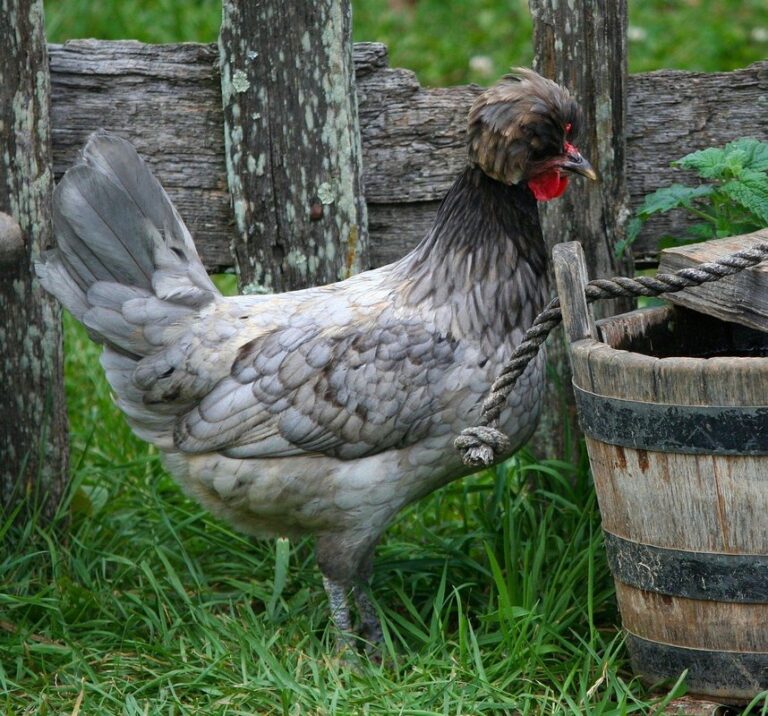
Polish chickens are a popular choice among backyard chicken keepers due to their unique characteristics and endearing nature. Originating from Poland, this breed is known for its compact size, friendly demeanor, and vibrant egg-laying abilities. On average, Polish hens weigh between 4-6 pounds and stand approximately 12 inches tall, making them an ideal choice for small backyard flocks or urban settings.
One of the reasons Polish chickens are so well-loved is their affectionate personality. They are known to be docile and social birds that thrive on interaction with their human caregivers. This makes them a great choice for families or individuals who want to raise chickens as pets rather than just for egg production. In addition to their friendly nature, Polish chickens are also prolific layers of eggs, producing an average of 200-300 brown eggs per year.
As you consider adding Polish chickens to your backyard flock, keep in mind that they require regular maintenance and care to stay healthy and happy. Provide a balanced diet, plenty of fresh water, and sufficient space for exercise and exploration to ensure these charming birds thrive under your care.
Importance of Egg Color in Chicken Breeds
Egg color is more than just a matter of aesthetics; it can also serve as an indicator of a chicken’s overall health and fertility. Different breeds of chickens lay eggs in various colors, ranging from the familiar brown to blue, green, and even pink. The significance of egg color lies in its potential connection to the bird’s nutrition, genetics, and living conditions.
For instance, hens that are fed a diet rich in beta-carotene will likely produce more orange- or red-tinted eggs. On the other hand, those raised on a more limited nutrient intake may lay paler or less vibrant eggs. This relationship highlights the importance of considering egg color as part of an overall assessment of a chicken’s well-being.
As breeders and owners, understanding the potential causes behind these variations can help us identify areas for improvement in our flocks’ nutrition and care. It also underscores the value of keeping detailed records on individual birds, including their diet, living conditions, and egg-laying habits.
Genetics Behind Polish Chicken Egg Colors
You’re curious about what makes Polish chicken eggs come in such a wide range of colors? Let’s dive into the fascinating genetics behind these beautiful hues.
Understanding Dominant and Recessive Genes
When it comes to understanding the genetics behind Polish chicken egg colors, one of the key concepts to grasp is the role of dominant and recessive genes. These genetic elements work together to determine the final color of an eggshell.
Dominant genes are those that will express their trait even if there’s only one copy present in the chicken’s genome. For example, the gene responsible for yellow pigment production in eggs is dominant. On the other hand, recessive genes require two copies to be expressed. The gene associated with blue pigment production is an example of a recessive gene.
To illustrate how these genes interact, let’s consider the genetics behind brown egg coloration in Polish chickens. Brown eggs result from the interaction between multiple genetic loci, including those influencing yellow and red pigment production. If a chicken has a combination of dominant and recessive genes that code for brown pigmentation, it will produce brown eggs.
For breeders seeking to create specific eggshell colors, understanding the role of dominant and recessive genes is essential. By carefully selecting parent birds with desirable genetic traits, they can increase the chances of producing offspring with the desired egg coloration.
The Role of Genetic Variation in Egg Color Diversity
Genetic variation within a breed is the driving force behind the diverse range of egg color phenotypes found in Polish chickens. When it comes to egg color, multiple genes interact with each other to produce unique combinations that result in various shades and patterns. For instance, the gene responsible for blue eggs interacts with another gene that controls the intensity of the pigment. This interaction can lead to a wide array of colors, from pale blue to deep lavender.
In Polish chickens, the genetics behind egg color are influenced by several factors, including the expression of genes such as OCA2 and HERC2. These genes regulate the production and distribution of pigments in the shell, resulting in different shades and patterns. For example, a chicken with a genotype that codes for blue eggs but lacks the intensity gene may lay pale blue or greenish-blue eggs.
Understanding the genetic basis of egg color can help breeders predict and control the expression of specific traits. By selecting parents with desired genotypes, breeders can increase the chances of producing offspring with consistent and predictable egg colors.
Types of Polish Chicken Eggs: A Closer Look
Let’s take a closer look at the different types of eggs you can expect from your Polish chicken, including their unique characteristics and appearances. From speckled to white, each type is a delight in its own right!
White Polish Chicken Eggs
White Polish chicken eggs are a popular choice among backyard keepers due to their clean appearance and high fertility rate. These eggs have a smooth, white shell with no visible pores, making them ideal for table egg production. White Polish hens typically lay around 280-300 large, brown-tinted eggs per year.
One of the advantages of keeping White Polish chickens is their low maintenance requirements. They are relatively quiet, easy to handle, and can thrive in small spaces as long as they have adequate food and water. However, it’s essential to note that these birds may be more prone to dust bathing, which can lead to messy living conditions if not managed properly.
For backyard keepers, White Polish eggs offer a few benefits. They are relatively easy to incubate due to their high fertility rate, making them a great choice for beginners or those new to chicken-keeping. Additionally, the white eggs will provide a clean and consistent appearance in your egg carton.
Brown Polish Chicken Eggs
Brown polish chicken eggs owe their distinctive color to a specific genetic combination that controls eggshell pigmentation. This process involves two types of melanin: eumelanin and pheomelanin. Eumelanin is responsible for brown and black colors, while pheomelanin produces red and yellow hues.
In Polish chickens, the interaction between these two melanins results in a wide range of eggshell colors, including various shades of brown. The genetics behind this color variant involve a combination of genes that regulate the production and distribution of eumelanin. This complex process can be influenced by multiple genetic factors, making it difficult to predict the exact shade of brown eggs produced by individual birds.
Breeding for specific traits in Polish chickens requires careful consideration of these genetic factors. If you’re aiming to produce brown polish chicken eggs, it’s essential to understand the genetics behind this color variant and select breeding stock accordingly. This will help you achieve consistent results and avoid surprises in your flock.
Other Colors: Blue, Green, and Olive Polish Chicken Eggs
Blue eggs from Polish chickens are highly prized for their distinctive color and unique characteristics. These eggs owe their blue hue to a genetic trait that’s separate from the more common brown and white egg colors. In fact, only certain breeds of Polish chicken can produce blue eggs, making them all the more exclusive.
Green eggs, on the other hand, are relatively rare and often result from breeding programs aimed at producing this specific color. They tend to be smaller than average and may have a slightly off-green tint that’s distinct from the deeper green of some other breeds.
Olive polish chicken eggs, while not as highly sought after as their blue counterparts, still possess an attractive quality due to their mottled brown and green coloring. These eggs often reflect the bird’s overall plumage coloration, making them a lovely addition to any collection.
When trying your hand at breeding Polish chickens for unique egg colors, keep in mind that these processes can be time-consuming and require patience. However, with dedication and careful selection, you may eventually see the fruits of your labor – literally!
Factors Influencing Egg Color in Polish Chickens
The color of your Polish chicken’s eggs is influenced by several key factors, including breed genetics, nutrition, and overall health. Let’s take a closer look at what affects eggshell color in these beautiful birds.
Age, Nutrition, and Health
As Polish chicken egg color can be influenced by various factors, it’s essential to consider the impact of age, nutrition, and overall health on this characteristic. As a bird matures, its egg production and color may undergo changes.
For instance, young hens (those under 18 months) may lay eggs with lighter or more variable colors due to their developing reproductive system. However, as they mature, the eggs typically darken in color and become more consistent.
Nutrition also plays a critical role in determining Polish chicken egg color. A balanced diet rich in antioxidants, vitamins, and minerals can enhance the quality of eggs laid by your Polish chickens. For example, adding omega-3 fatty acids to their feed can produce richer, darker yolks.
Maintaining excellent overall health is vital for Polish chickens’ egg-laying abilities and colors. This includes providing adequate exercise, fresh water, and proper ventilation in coops. Additionally, a clean living environment reduces stress levels, which can otherwise affect egg color quality.
Environmental Conditions and Stress
Environmental conditions and stress can significantly impact eggshell pigmentation in Polish chickens. Temperature fluctuations are particularly noteworthy, as even slight variations can influence the intensity of color. For instance, high temperatures often result in lighter-colored eggs due to a decrease in melanin production.
Humidity also plays a crucial role, with low humidity contributing to increased eggshell porosity and potentially altering pigmentation. Prolonged periods of dryness may lead to darker, more muted colors. Conversely, excessively humid environments can cause eggs to appear dull or washed out.
Stress is another critical factor in determining egg color. Polish chickens subjected to chronic stress often produce eggs with less vibrant hues or irregular pigmentation patterns. To mitigate this, ensure your flock has access to adequate space, nutrition, and social interaction. Providing a consistent daily routine and minimizing handling can also help reduce stress levels.
Maintaining optimal environmental conditions and monitoring the well-being of your Polish chickens is crucial for achieving the desired eggshell coloration. By taking steps to regulate temperature, humidity, and minimize stress, you can promote healthy egg production and more attractive eggshell pigmentation.
Breeding for Desired Egg Colors in Polish Chickens
To successfully breed Polish chickens that lay eggs in your desired color, you’ll need to understand how genetics influence eggshell pigmentation. Let’s explore this further.
Selective Breeding Strategies
When it comes to breeding for desired egg colors in Polish chickens, selective breeding strategies play a crucial role. This process involves intentionally selecting and breeding individuals with specific traits to emphasize the desired characteristics, such as egg color.
To achieve this, breeders use techniques like linebreeding, inbreeding, and selection index breeding. Linebreeding involves breeding related birds together to concentrate desirable traits, while inbreeding involves breeding individuals that are more closely related than average to intensify specific characteristics. Selection index breeding, on the other hand, takes into account multiple traits simultaneously to prioritize overall performance.
For example, let’s say a breeder wants to emphasize the production of dark brown eggs in Polish chickens. They would select birds with consistent and intense eggshell coloration and breed them together. Over time, this selective process can lead to the development of a flock with a strong preference for producing dark brown eggs.
It’s essential to remember that selective breeding should be done thoughtfully and responsibly, as it can also lead to undesirable traits. Regular monitoring and selection of birds with the desired characteristics will help ensure successful results.
Considerations for Backyard Chicken Keepers
As you delve into breeding your own flock for desired egg colors, it’s essential to consider several factors unique to backyard chicken keeping. One of the most significant challenges is maintaining a diverse gene pool to ensure genetic health and fertility.
When selective breeding for egg color, prioritize individual birds with the desired characteristics rather than focusing solely on their egg-laying performance. This will help prevent inbreeding and maintain a robust flock overall. For instance, if you’re aiming to breed for blue eggs, start by selecting birds that already exhibit this trait.
Keep detailed records of your breeding program, including pedigree information, egg production rates, and any health issues that arise. Regularly check for signs of disease, such as abnormal droppings or feather loss, which can be indicative of genetic problems.
By following these guidelines, you’ll be well on your way to successfully breeding a flock with the desired egg colors while maintaining a healthy and diverse group of birds.
Conclusion: Polish Chicken Egg Colors and Breed Diversity
Now that we’ve explored the fascinating world of Polish chicken egg colors, let’s summarize our key findings and look at how breed diversity affects these unique hues.
Recap of Key Points
As we conclude our exploration of Polish chicken egg colors, let’s recap the key points covered in this article. Understanding the genetics and environmental factors that influence egg color variations within a breed is crucial for any chicken enthusiast or breeder.
At the heart of egg color variation lies genetics, specifically the interaction between multiple genes responsible for producing pigments in eggs. We discussed how different breeds, including Polish chickens, have distinct genetic profiles that determine their egg colors. For example, Polish chickens are known to lay blue eggs due to a specific gene combination that influences the production of biliverdin, a pigment responsible for this unique color.
Environmental factors also play a significant role in egg color variation. Factors such as diet, age, and health can impact the production of pigments in eggs. For instance, a poor diet rich in iron can lead to a more intense blue color in Polish chicken eggs. On the other hand, stress or illness can cause egg yolk and shell color changes.
To apply this knowledge practically, consider the following tips:
* Research the genetic profile of your breed to understand its potential for egg color variation.
* Provide a balanced diet that supports healthy pigmentation production.
* Monitor your flock’s health and reduce stress factors to maintain consistent egg quality.
By understanding the interplay between genetics and environmental factors, you can better predict and manage egg color variations within your Polish chicken flock. Whether you’re a seasoned breeder or an enthusiastic hobbyist, this knowledge will help you appreciate the beauty of these unique eggs and make informed decisions about your breeding program.
Frequently Asked Questions
Can I breed Polish chickens for a specific egg color if I don’t have experience with chicken breeding?
You can still try to breed Polish chickens for a specific egg color, but it’s essential to understand the genetic factors involved and do thorough research. Consult with experienced breeders or take online courses to learn about selective breeding strategies and genetic variation.
How long does it take to notice changes in egg color after introducing new breeds or modifying chicken care?
Changes in egg color can occur gradually over several generations, so be patient and consistent with your breeding program. Monitor your flock’s health, nutrition, and environmental conditions to ensure you’re not inadvertently affecting the desired egg color.
What are some common mistakes backyard chicken keepers make when trying to breed for specific egg colors?
One common mistake is failing to consider the genetic diversity of their flock. This can lead to inbreeding or a lack of desirable traits. Additionally, neglecting proper nutrition and health management can negatively impact egg color and overall flock well-being.
Can I use supplements or additives to enhance egg color, or should I focus on genetics?
While supplements and additives may affect eggshell quality, they don’t directly influence the underlying genetic factors that determine egg color. Focus on creating a balanced breeding program with diverse genetics for optimal results.
How can I determine if my Polish chickens are truly “purebred” or if there’s some cross-breeding involved?
Conduct DNA testing to verify your flock’s purity and ancestry. This will provide valuable insights into their genetic makeup, helping you make informed decisions about breeding and selecting for desirable traits like egg color.