
If you’re new to the world of poultry keeping or an experienced enthusiast looking for a new addition to your flock, you’ve likely come across the stunning silver laced polish bantam. This beautiful breed has been captivating bird lovers with its unique appearance and charming personality for centuries. But what makes this little gem so special? In this article, we’ll delve into the rich history of the silver laced polish bantam, highlighting its key characteristics, care requirements, and why it’s an ideal choice for poultry enthusiasts of all levels. Whether you’re a seasoned breeder or just starting out, you’ll find valuable insights and tips on how to bring this stunning breed into your life.
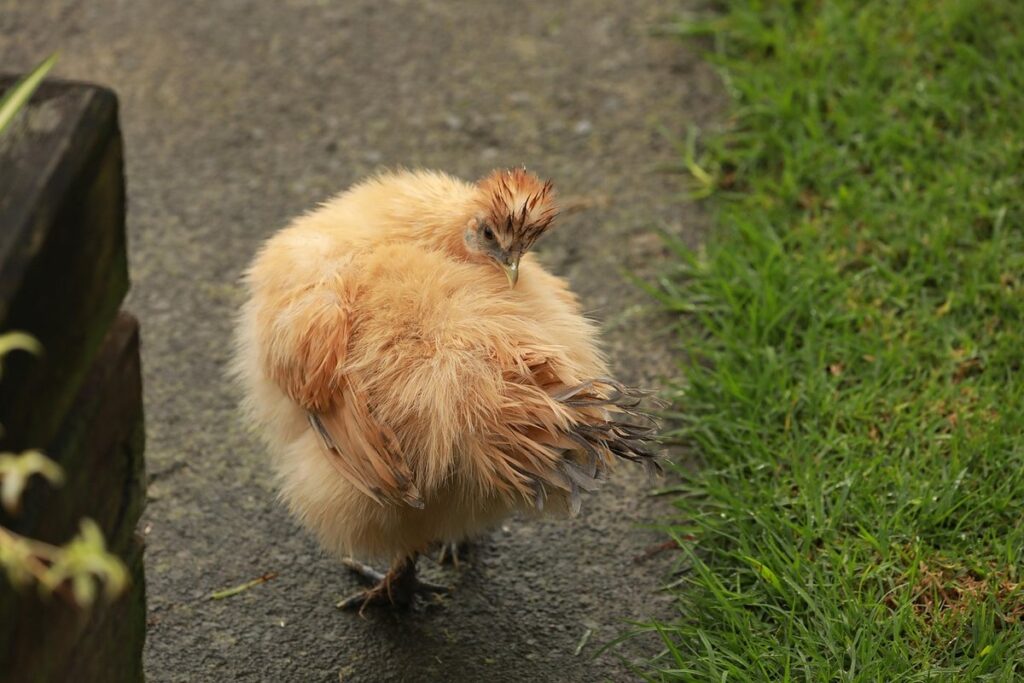
Breed History and Origins
The Silver Laced Polish Bantam has a rich history that dates back centuries, with its origins tied to traditional European poultry breeding. Let’s delve into their fascinating past.
Origin of the Breed
The silver laced polish bantam’s rich history dates back to 17th-century Europe, where it was first bred for its unique and striking appearance. This breed is a direct descendant of the Polish fowl, which originated from Poland and were highly prized for their large size and impressive feathering. Over time, European breeders selectively bred these birds to create smaller versions with the same beautiful plumage.
As a result, the polish bantam was born, featuring a compact body, friendly temperament, and stunning silver lacing on its feathers. These charming birds quickly gained popularity among poultry enthusiasts due to their captivating appearance and relatively small size. By the 19th century, the silver laced polish bantam had become a highly sought-after breed in Europe and eventually spread to other parts of the world.
Today, we can still admire these magnificent birds for their unique heritage and characteristics, making them an excellent choice for backyard chicken keepers who value their friendly nature and impressive appearance.
Characteristics of Polish Breeds
Polish breeds are renowned for their enchanting appearance and affectionate nature, making them a beloved choice among backyard chicken enthusiasts. The silver laced polish bantam is no exception, boasting an array of distinctive characteristics that set it apart from other Polish breeds.
One of the most striking features of the silver laced polish bantam is its sleek, silvery-gray plumage adorned with delicate white lace-like patterns on its breast and belly. This beautiful coloration gives the bird a regal appearance, making it a stunning addition to any flock or backyard chicken keeping setup.
Their feathers are not only visually appealing but also serve as a testament to their hardiness. Polish breeds have a unique crest of feathers on top of their heads, which can be prone to frostbite in colder climates. However, the silver laced polish bantam’s feathering is well-suited for various environments, making it an excellent choice for breeders and enthusiasts worldwide.
In terms of temperament, Polish breeds are known for being docile and friendly, and the silver laced polish bantam is no exception. They are often described as ‘lap chickens’ due to their affectionate nature, making them an ideal choice for families with children or those who want a low-maintenance yet loving pet.
Physical Characteristics
When it comes to identifying a Silver Laced Polish Bantam, several distinct physical characteristics come into play. Let’s take a closer look at what you should be looking for.
Plumage and Feathers
One of the most striking aspects of the Silver Laced Polish Bantam is its remarkable plumage. The breed’s unique feather pattern is characterized by a lustrous silver sheen that covers its entire body, giving it an ethereal appearance. The color variation is not just limited to the silver hue; you can also find subtle gradations of gray and white throughout the feathers.
The texture of the feathers is another notable feature of this breed. They are long and flowing, with a delicate softness that catches the light beautifully. When you run your hand over their plumage, you’ll be struck by its silky smoothness. It’s not uncommon for owners to spend hours simply gazing at their Silver Laced Polish Bantam’s stunning feathers.
To keep your bird’s plumage looking its best, remember to provide it with a balanced diet rich in omega-3 fatty acids and vitamins A and E. Regular grooming is also essential; gently brush their feathers every few days to prevent matting and tangling.
Size and Weight
When it comes to size and weight, the Silver Laced Polish Bantam is no exception to its compact nature. Bantams are known for their small stature, but did you know that the Silver Laced Polish Bantam breed standard has specific requirements when it comes to measurements?
According to the American Bantam Association (ABA), males should weigh between 2 pounds and 3 pounds (0.9-1.4 kg) with a length of around 6 inches (15 cm). Females, on the other hand, are slightly smaller, weighing in at 1.8 pounds to 2.5 pounds (0.8-1.1 kg) with a length of approximately 5.75 inches (14.5 cm).
When evaluating your Silver Laced Polish Bantam’s size and weight, consider these factors: sex, age, and lineage. Keep in mind that bantams mature slowly, so be patient when determining their full-grown size. To ensure you’re getting a healthy bird, familiarize yourself with the breed standard and work closely with your breeder to understand what to expect from your new feathered friend.
Temperament and Personality
When it comes to owning a Silver Laced Polish Bantam, understanding their unique temperament and personality traits is crucial for building a strong bond and creating a harmonious home. Let’s dive into what makes these birds so charming!
Friendly and Affectionate
One of the most endearing qualities of the Silver Laced Polish Bantam is their gentle and affectionate nature. As a member of the Polish breed family, they have earned a reputation for being easy-going and tolerant, making them an ideal fit for families or first-time owners.
These birds are known to form strong bonds with their human caregivers, often seeking attention and interaction throughout the day. They thrive on human companionship and will happily perch on your shoulder or snuggle up beside you on the couch. In fact, with proper socialization from an early age, Silver Laced Polish Bantams can become quite demanding of attention, so be prepared to devote time and affection to these charming birds.
Their gentle nature also makes them a great choice for families with children, as they are generally patient and even-tempered, tolerating the noise and commotion that comes with young kids. However, it’s essential to socialize your Silver Laced Polish Bantam from an early age to ensure they develop good manners and interact well with people of all ages.
Training and Handling
When it comes to training and handling your silver laced polish bantam, consistency is key. Polish breeds are known for being easy-going, but they still require proper socialization from an early age. Start by introducing your young birds to new people, environments, and experiences in a gentle and controlled manner.
As your bird grows, focus on positive reinforcement training methods. Reward desired behaviors with treats or praise, rather than punishing undesired ones. For example, if you’re trying to teach your bird to step onto a perch, hold a treat above the perch and encourage them to follow it. As they become more confident, gradually increase the distance between the treat and the perch.
Be patient and gentle when handling your polish bantam, as they can be sensitive to rough handling. Support their body and wings when picking them up or placing them in a carrier, making sure not to hold them too tightly. With consistent training and socialization, your silver laced polish bantam will become a confident and friendly companion.
Health Considerations
When considering bringing a Silver Laced Polish Bantam into your home, it’s essential to think about their specific health needs and potential risks. This includes factors like genetic predispositions to certain conditions.
Common Breed-Specific Issues
As a responsible chicken owner, it’s essential to be aware of the potential health issues that can affect your Silver Laced Polish Bantam. Like all breeds, they are prone to certain problems that can be managed with proper care and attention.
One common issue affecting Silver Laced Polish Bantams is obesity. These birds love to eat, but overeating can lead to weight-related problems. To prevent this, ensure you provide a balanced diet with plenty of exercise opportunities. Limit treats and avoid overfilling their feeders.
Another concern is respiratory issues, which can be exacerbated by environmental factors such as humidity and temperature fluctuations. Keep your coop well-ventilated and clean to reduce the risk of respiratory problems. Also, make sure they have access to fresh air and a dust-free environment.
Regular health checks are crucial in detecting potential problems early on. Monitor your birds’ behavior, appetite, and stool quality regularly. Any changes or concerns should be discussed with a veterinarian experienced in poultry care. By being proactive and aware of these breed-specific issues, you can help ensure the long-term health and well-being of your Silver Laced Polish Bantams.
Nutritional Needs and Feeding
When it comes to feeding your silver laced polish bantam, it’s essential to consider their unique nutritional needs due to their small size. Unlike larger chickens, bantams require more protein and calories per pound of body weight to maintain their energy levels. A good quality layer feed or a starter/grower feed can provide the necessary nutrients for your silver laced polish bantam.
However, it’s crucial to remember that bantams have different feeding requirements at various stages of their life. For example, chicks require a starter/grower feed up until 16-18 weeks old, while adults need a layer feed. To ensure you’re meeting your bantam’s needs, follow these guidelines: provide 1/4 cup to 1/2 cup of food per bird daily for the first six months, then gradually reduce to about 1/8 cup per day as they mature.
Keep in mind that treats should not make up more than 10% of your bantam’s diet. Fresh fruits and vegetables are great additions, but be sure to introduce them slowly to prevent digestive upset.
Breeding and Showing
When it comes to breeding and showing Silver Laced Polish Bantams, understanding their unique characteristics and needs is crucial for success. In this section, we’ll walk you through best practices for breeding these charming birds.
Breed Standards and Requirements
When it comes to breeding and showing your silver laced polish bantam, understanding the breed standards is crucial. According to the American Bantam Association (ABA) and the American Poultry Association (APA), here are the key measurements and characteristics to aim for:
* Weight: Males should weigh between 1 pound 12 ounces and 2 pounds 7 ounces, while females should weigh between 1 pound 10 ounces and 2 pounds 5 ounces.
* Length: The overall length of the bird, from beak to tail, should not exceed 6.75 inches for males or 6.5 inches for females.
* Egg production: Silver laced polish bantams are prolific layers, producing around 280 white eggs per year.
* Plumage: The silver laced variety features a beautiful, intricate lacing pattern on its black feathers, giving it a unique and striking appearance.
When evaluating your bird’s suitability for breeding or showing, pay close attention to these characteristics. Remember that consistency in size, egg production, and plumage is key to maintaining the integrity of the breed.
Tips for Beginners
Breeding and showing silver laced polish bantams can be overwhelming for beginners. However, with some guidance and preparation, you’ll feel more confident and in control. To start, it’s essential to understand the breed standard and what judges look for during a show. Familiarize yourself with the Silver Laced Polish Bantam breed club’s guidelines and attend local poultry shows to learn from experienced breeders.
When breeding your silver laced polish bantams, consider starting with high-quality parents that match the breed standard. Research their ancestry and health clearances to ensure you’re working with healthy birds. It’s also crucial to develop a breeding plan, setting goals for your flock and selecting birds that will help you achieve them.
Some key things to remember when showing your silver laced polish bantams include: keeping accurate records of your birds’ wins and losses, maintaining clean and organized enclosures, and being prepared to present your birds confidently. With patience and practice, you’ll become more comfortable navigating the world of breeding and showing silver laced polish bantams.
Care and Management
When it comes to keeping your silver laced polish bantam happy and healthy, proper care and management are crucial. This includes understanding their dietary needs, habitat requirements, and regular grooming routine.
Housing and Environment
When it comes to housing your Silver Laced Polish Bantam, you’ll want to consider their unique needs due to their small size. These little birds require a specialized coop that prioritizes their comfort and safety.
A good rule of thumb is to provide at least 4-5 square feet of space per bird inside the coop. This will give them enough room to move around comfortably and prevent overcrowding. Consider using wall-mounted roosts instead of floor space, as this will help keep the coop clean and reduce the risk of disease.
In terms of design, you’ll want a coop that’s well-ventilated and protected from predators. A good option is to use chicken wire or hardware cloth on the exterior walls and roof, with openings for windows and ventilation holes. You can also add additional features such as nesting boxes, perches, and a feeder area.
When choosing a location for your coop, consider placing it in an area that receives partial shade to prevent overheating during the summer months. Also, ensure that the coop is easily accessible so you can clean and maintain it regularly.
Health Checks and Maintenance
Regular health checks are essential to ensure your silver laced polish bantam stays healthy and thrives. As a responsible owner, you should schedule annual check-ups with a veterinarian experienced in poultry care. During these visits, the vet will inspect your bird’s overall condition, including its eyes, beak, feathers, and overall physical health.
In addition to regular check-ups, establish a routine maintenance plan that includes monitoring for common issues such as mites, lice, and internal parasites. For example, perform weekly checks on your bantam’s vent area to detect any signs of mites or lice. Use a magnifying glass or good lighting to spot these tiny pests.
Vaccinations are also crucial in maintaining your silver laced polish bantam’s health. Consult with your veterinarian to determine the best vaccination schedule for your region and climate. Typically, poultry vaccinations include protections against diseases such as Newcastle disease and avian influenza.
By following this maintenance plan, you’ll be able to detect potential health issues early on and take proactive steps to prevent them from developing into more serious problems. Remember, a healthy silver laced polish bantam is a happy one!
Frequently Asked Questions
Can I keep silver laced polish bantams as pets with children?
Yes, this breed is known for being friendly and affectionate, making them an excellent choice for families with kids. However, remember to supervise interactions between children and birds to ensure a safe and happy environment.
How often should I clean the coop and enclosure of my silver laced polish bantams?
Clean your chickens’ living area regularly to maintain their health and well-being. A good rule of thumb is to clean out their bedding at least once a week, more often if you have a large flock or during hot weather.
Are silver laced polish bantams easy to handle and train?
Yes, these birds are friendly and docile, making them relatively easy to handle and train. Start with gentle handling from an early age, and they will become quite tame over time.
Can I keep silver laced polish bantams in a small backyard or urban setting?
With proper housing and care, yes, you can keep silver laced polish bantams in a small space. However, ensure their coop is well-ventilated and provides enough space for them to move around comfortably.
Do silver laced polish bantams require special dietary considerations?
While these birds are relatively healthy, they do benefit from a balanced diet that includes high-quality feed, fruits, and vegetables. You may also want to consider supplementing their diet with calcium and grit to support strong bone growth and digestive health.