
If you’re looking to add some excitement to your backyard flock, you might want to consider bringing home a Rooster Ameraucana. This unique breed has gained popularity in recent years due to its striking appearance and charming personality. But before you make the decision to bring one into your family, it’s essential to understand what makes these birds so special – and whether they’re right for you.
In this article, we’ll delve into the world of Rooster Ameraucanas, exploring their distinctive characteristics, temperament, and specific care requirements. We’ll discuss breeding, housing, nutrition, and health considerations, as well as share expert advice on how to provide your Ameraucana with the best possible life. Whether you’re an experienced poultry enthusiast or just starting out, this guide will help you make informed decisions about adding these remarkable birds to your flock.
Introduction to the Rooster Ameraucana
If you’re new to the world of heritage chickens, let’s start by getting familiar with one of the most unique and charming breeds: the Rooster Ameraucana. This breed is known for its stunning plumage and friendly demeanor.
Brief History of the Breed
The Rooster Ameraucana breed has a rich and fascinating history that spans centuries. The breed’s ancestors date back to the early 1900s, when American farmers sought to create a hardy and versatile chicken that could thrive in harsh weather conditions. To achieve this goal, they crossed various breeds, including the Araucana, which originated from South America, with other domesticated chickens.
As a result of these crossbreeding efforts, the Ameraucana breed emerged in the 1970s. Initially recognized for its unique characteristic of producing blue eggs, the breed gained popularity among backyard chicken enthusiasts and small-scale farmers who valued its ruggedness and adaptability. Over time, breeders continued to refine the breed’s characteristics, focusing on its temperament, egg-laying ability, and overall health.
Today, the Rooster Ameraucana is a beloved breed among chicken enthusiasts, prized for its striking appearance, friendly demeanor, and impressive egg-laying capacity.
Key Characteristics and Traits
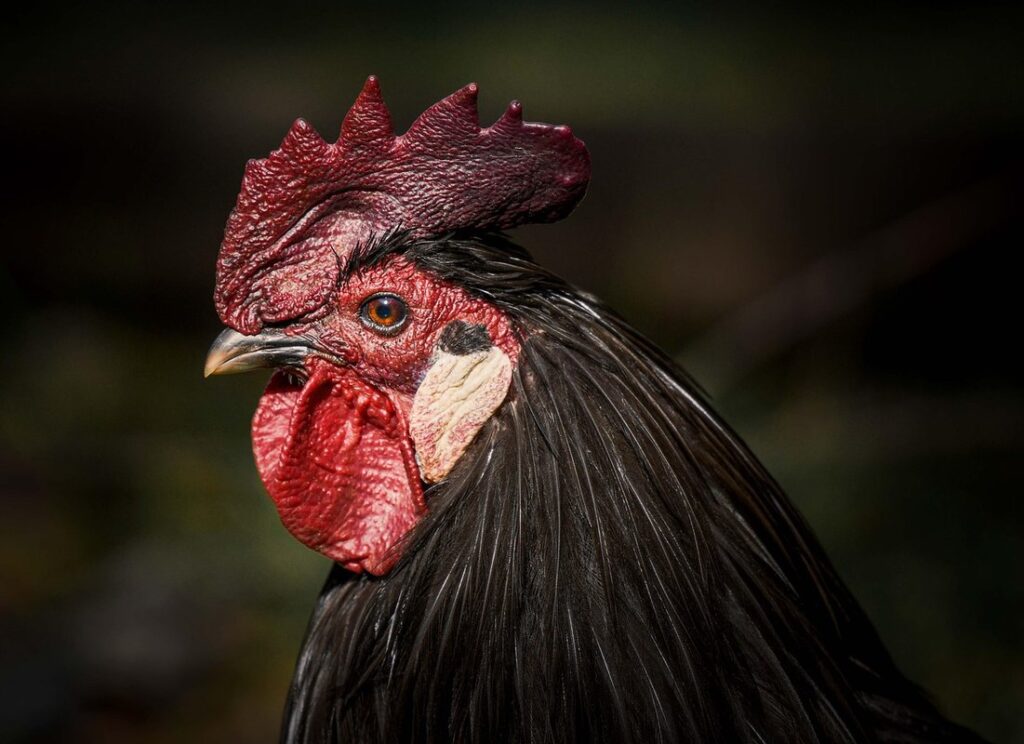
When it comes to identifying a true Rooster Ameraucana, there are several key characteristics and traits that set them apart from other breeds. One of the most distinctive features is their unique plumage, which includes a mix of blue, black, and white feathers. Males will often have a more vibrant blue sheen on their necks and wings compared to females.
In terms of size, Rooster Ameraucanas are a medium-sized breed, with males weighing between 6-8 pounds and standing around 26 inches tall. This makes them an ideal choice for backyard flocks or small homesteads. Their compact size also means they require less space to roam, making them a great option for those with limited land.
Temperament-wise, Rooster Ameraucanas are known for their friendly and docile nature. They’re often described as laid-back and easy-going, which makes them a great addition to families or social groups. One important note is that they can be quite vocal, so be prepared for some early morning crowing! When it comes to egg-laying abilities, Rooster Ameraucanas are not typically known for their prolific production, with an average of 150-200 eggs per year. However, the eggs themselves are often large and light brown in color, making them a lovely addition to any breakfast plate.
Origins and Breeding of the Rooster Ameraucana
Let’s dive into the fascinating history behind the Rooster Ameraucana, tracing its origins back to the United States and exploring its unique breeding characteristics. This heritage sets it apart from other breeds.
Development of the Breed Standard
The development of the breed standard for the Rooster Ameraucana was a deliberate process aimed at preserving the unique characteristics of this ancient chicken breed. One of the key factors that influenced this process was the need to distinguish the Ameraucana from its close relative, the Araucana. To achieve this, breeders focused on accentuating distinct physical features such as the Ameraucana’s beak shape and ear type.
In the 1970s, a group of American breeders, led by Sylvia Bennett, began working towards establishing a breed standard for the Rooster Ameraucana. They drew inspiration from the original Peruvian and Chilean breeds that served as the foundation for the modern Ameraucana. Breeders selectively bred for specific traits like feather length, beak shape, and comb type to create a distinct breed.
The development of the breed standard was also influenced by the American Bantam Association (ABA) and the American Poultry Association (APA), which provided guidelines and oversight to ensure the integrity of the breed. As a result, the Rooster Ameraucana emerged with its unique characteristics, solidifying its place as a distinct breed within the world of poultry.
Genetics and Inheritance Patterns
The genetic makeup of the Rooster Ameraucana plays a crucial role in its unique characteristics. This breed is known for its stunning blue eggs and distinctive plumage patterns, which are primarily the result of genetic variations that have been carefully selected through breeding.
The genetics behind the Rooster Ameraucana’s blue egg production can be attributed to the presence of certain alleles that affect pigment deposition in the shell membranes. These alleles are inherited in an autosomal dominant pattern, meaning that only one copy of the allele is needed for the trait to manifest. This genetic basis has allowed breeders to selectively breed for this desirable characteristic.
Inheritance patterns also contribute significantly to the development of the Rooster Ameraucana’s unique plumage patterns. The breed’s distinctive markings and feather textures are a result of interactions between multiple genes that control feather development. Understanding these genetic principles can help breeders predict and select for specific traits in their breeding programs, ultimately leading to the improvement and standardization of the breed.
Breeders looking to work with the Rooster Ameraucana must consider the complex interplay of genetics and environment on its characteristics. By understanding and harnessing this genetic potential, breeders can create a more consistent and predictable product that meets market demands.
Temperament and Behavior of the Rooster Ameraucana
When it comes to the personality and behavior of your rooster, understanding his temperament is key to building a harmonious flock and avoiding potential issues. Let’s explore the typical characteristics of a Rooster Ameraucana.
Socialization and Training
Socializing a young Rooster Ameraucana is crucial for its emotional and psychological development. Start by introducing it to family members and other pets at a tender age to help the bird become confident in new environments. Spend quality time with your rooster, engaging in activities that promote bonding such as offering treats, playing with toys, or simply cuddling.
To strengthen this bond, it’s essential to establish trust. Let the rooster approach you on its own terms, and avoid sudden movements that might scare it off. Be patient and calm, allowing the bird to become accustomed to your presence. You can also try handling the rooster regularly, starting with short sessions and gradually increasing the duration as it becomes more comfortable.
Early training is vital in shaping the rooster’s behavior. Introduce basic commands like “come” or “step up,” rewarding good behavior with treats and praise. Avoid punishing or scolding your rooster for mistakes, as this can lead to anxiety and mistrust. By investing time and effort into socializing and training your Rooster Ameraucana, you’ll be rewarded with a well-adjusted companion that’s more likely to thrive in its new environment.
Handling and Health Considerations
When handling a Rooster Ameraucana, it’s essential to be gentle and mindful of their unique personality. These birds are known for being active and alert, so they require careful attention when interacting with them. When approaching or picking up your Rooster Ameraucana, move slowly and deliberately to avoid startling them.
Some common health issues that may affect the breed include respiratory problems, such as bronchitis and pneumonia, which can be caused by poor ventilation in their coop. Regular cleaning of the coop and proper airflow can help mitigate this issue. Additionally, obesity is a concern for Rooster Ameraucanas due to overfeeding, so monitoring food intake and providing regular exercise is crucial.
To keep your Rooster Ameraucana healthy, make sure to provide a balanced diet that includes a mix of grains, fruits, and vegetables. Ensure access to fresh water at all times and maintain a clean living environment by regularly cleaning the coop and changing bedding materials. By taking these precautions, you can help prevent health issues and promote overall well-being in your Rooster Ameraucana.
Keeping Rooster Ameraucanas: Housing and Care
When it comes to keeping your rooster Ameraucana happy and healthy, providing a safe and suitable environment is crucial. Here’s how to set up his coop and ensure he receives proper care.
Providing Suitable Environments
When it comes to providing a suitable environment for your Rooster Ameraucana, there are several essential considerations to keep in mind. First and foremost, you’ll want to make sure your bird has enough space to move around comfortably. A good rule of thumb is to provide at least 2-3 square feet of floor space per rooster, as well as plenty of vertical space for climbing and perching.
Proper ventilation is also crucial in a rooster’s environment. Roosters are social birds that thrive on activity, so you’ll want to make sure their enclosure has good airflow to prevent the buildup of ammonia from droppings. You can achieve this by installing windows or vents, or even just leaving the door open when possible.
Lighting and temperature are also important considerations. Roosters prefer bright lighting, but it’s essential to provide a dark area for them to retreat to at night. Aim for 14-16 hours of light per day during spring and summer months, and reduce this to 10-12 hours in winter. In terms of temperature, keep your rooster’s environment between 40°F and 80°F (4°C and 27°C), avoiding extreme temperatures that can cause stress or discomfort.
When it comes to setting up the enclosure itself, consider using a secure, escape-proof coop with adequate nesting boxes for your rooster to claim as his own. Don’t forget to include plenty of nesting material like straw or wood shavings to keep him happy and healthy!
Nutrition and Health Supplements
As an owner of a Rooster Ameraucana, it’s essential to provide them with a balanced diet that meets their nutritional needs. These birds require a high-quality layer feed that contains the necessary proteins, vitamins, and minerals for optimal health. Look for a feed that has around 16-18% protein content, as this will help support muscle growth and overall energy.
In addition to a good quality feed, it’s also crucial to provide fresh water and a varied diet of fruits and vegetables. You can supplement their diet with items like dark leafy greens, carrots, and apples. However, avoid giving them too much sugar or high-fat foods as these can lead to obesity and other health issues.
Consider adding some natural health supplements to your Rooster Ameraucana’s diet to boost their immune system and overall well-being. Some options include probiotics, which help maintain a healthy gut, and omega-3 fatty acids, which support heart health. Always consult with a veterinarian before introducing any new supplements to ensure they won’t interact with any medications or exacerbate underlying conditions.
By paying attention to your Rooster Ameraucana’s nutritional needs and adding some beneficial supplements, you’ll be well on your way to keeping them healthy and thriving.
Breeding and Raising Rooster Ameraucanas
If you’re interested in raising rooster Ameraucanas, understanding their unique breeding needs is crucial for success. We’ll dive into the specifics of breeding and raising these special birds next.
Breeding Principles and Techniques
Breeding principles and techniques specific to the Rooster Ameraucana breed are crucial for maintaining the integrity of this unique variety. As you embark on breeding program for your Rooster Ameraucanas, it’s essential to understand the importance of genetics and line-breeding.
When selecting birds for your breeding program, consider the genetic diversity and quality of the parents. Look for birds with excellent plumage, strong conformation, and desirable traits such as egg-laying ability or friendly temperament. It’s also crucial to maintain a clear record of lineage and genetic testing to ensure that you’re not inadvertently introducing inbreeding.
Line-breeding is a technique used to concentrate desirable genes within a specific line of birds. To achieve this, select parents with identical or similar ancestry and breed them together. This helps to fix the desired traits while maintaining genetic diversity. However, be cautious not to over-line-breed, as this can lead to reduced fertility and increased susceptibility to diseases.
By understanding these principles and techniques, you’ll be well-equipped to create a successful breeding program that preserves the unique characteristics of your Rooster Ameraucanas.
Egg Production and Management
As you may be aware, Rooster Ameraucanas are not actually egg-laying birds, but rather a breed of roosters. However, if you’re looking to manage a flock for optimal egg production with Ameraucana hens, here’s what you need to know.
Ameraucana hens are prolific layers, producing an average of 200-250 brown eggs per year. To optimize their performance, it’s essential to provide them with a balanced diet rich in protein and calcium. A good quality layer feed supplemented with fresh fruits and vegetables will help maintain their egg-laying abilities throughout the year.
Some key management practices to keep in mind include:
• Providing adequate space for your hens to roam and exercise
• Maintaining a clean and dry coop environment
• Ensuring access to fresh water at all times
• Collecting eggs regularly to prevent breakage and keep your flock healthy
By following these simple tips, you can help your Ameraucana hens reach their full egg-laying potential. Remember that every flock is unique, so be prepared to adjust your management strategies based on the individual needs of your birds. With proper care and attention, you can enjoy a steady supply of fresh eggs from your backyard flock.
Caring for Your Rooster Ameraucana’s Health
When it comes to your feathered friend, understanding how to keep them healthy and thriving is crucial. In this section, we’ll cover essential tips on caring for your rooster Ameraucana’s health.
Common Ailments and Preventative Measures
As a rooster Ameraucana owner, it’s essential to be aware of common health issues that can affect your bird. One of the most significant concerns is frostbite, which can occur due to their small combs and wattles. Make sure to provide extra protection during harsh winter months by covering their coop or providing additional bedding materials like straw.
Additionally, rooster Ameraucanas are prone to respiratory problems, particularly in areas with high pollen counts or dusty environments. Keep your bird’s living area clean, dust-free, and well-ventilated to minimize the risk of respiratory issues. Regular nail trimming is also crucial to prevent painful overgrowth that can lead to lameness.
Another common issue is parasites like mites, lice, and fleas, which can be prevented by keeping your rooster’s living quarters spotless and regularly treating with a flea comb or powders. Ensure access to fresh water, nutritious food, and regular veterinary check-ups to maintain your rooster Ameraucana’s overall health.
To prevent health issues, provide plenty of space for your bird to move around and engage in physical activities, like perching and dust-bathing. Regularly inspect their eyes, beak, and nails for signs of disease or stress. By being proactive with preventative measures, you can help maintain a happy and healthy rooster Ameraucana.
Vaccinations and Parasite Control
As an owner of Rooster Ameracaunas, it’s essential to prioritize vaccinations and parasite control to maintain a healthy flock. Vaccinations protect your birds from diseases such as Marek’s disease, Newcastle disease, and infectious bronchitis, which can be devastating if left unchecked.
Regular veterinary check-ups will help identify potential issues early on, allowing for prompt treatment and preventing the spread of illness. It’s recommended to vaccinate your flock annually or bi-annually, depending on factors such as climate, region, and local disease prevalence.
Parasite control is also crucial in maintaining a healthy flock. Internal parasites like worms can lead to weight loss, lethargy, and even death if left untreated. Regular deworming treatments, usually done every 6-8 weeks during peak parasite season, will help keep your birds’ internal systems clear.
External parasites such as mites, lice, and fleas can cause discomfort and stress in your flock. Monitor for signs of infestation like excessive scratching or feather pecking, and treat promptly with approved medications.
Some essential items to have on hand include a vaccination schedule, a dewormer of choice, and access to a veterinarian who is experienced in caring for Ameracaunas. With proper care and attention, your flock will remain healthy and thriving.
Frequently Asked Questions
Can I raise Rooster Ameraucanas without prior experience with chickens?
Rooster Ameraucanas can make great pets for beginners, but it’s essential to have a solid understanding of chicken behavior and care before bringing them home. Start by researching their specific needs, such as housing, nutrition, and health considerations. With proper research and planning, you can create a happy and healthy environment for your Rooster Ameraucana.
How long do Rooster Ameraucanas take to mature?
Rooster Ameraucanas are considered a slow-growing breed, taking around 6-8 months to reach full maturity. During this time, they’ll require proper nutrition, regular health checks, and plenty of space to roam. Be patient and provide the necessary care for your young birds as they grow into healthy adults.
Can I keep Rooster Ameraucanas as pets if I live in a small backyard or apartment?
While Rooster Ameraucanas are relatively quiet and friendly, they do require regular exercise and space to move around. If you live in a small backyard or apartment, consider creating a designated outdoor area for your birds to roam freely. Alternatively, you can keep them indoors with proper housing and equipment.
What’s the best way to handle my Rooster Ameraucana if it becomes aggressive?
If your Rooster Ameraucana becomes aggressive, it’s essential to address the issue promptly. Start by identifying the cause of the aggression (e.g., fear, dominance, or health issues). Then, gradually introduce gentle handling and training techniques to calm the bird down. Seek professional help from a poultry expert if you’re unsure about how to handle the situation.
Can I breed my Rooster Ameraucana with other breeds?
Breeding your Rooster Ameraucana with other breeds can be challenging due to their unique genetic makeup and specific breeding requirements. Before attempting cross-breeding, consult with experienced breeders or poultry experts to ensure you understand the potential outcomes and necessary procedures for maintaining the integrity of the breed standard.