
If you’re an egg enthusiast or simply looking for a new way to enhance your backyard flock, you might be interested in learning about Bantam Polish hens eggs. These tiny, yet impressive eggs have gained popularity among chicken keepers and foodies alike due to their unique characteristics and nutritional benefits.
Bantam Polish hens are known for their small size, colorful plumage, and friendly demeanor, but did you know that their eggs are just as remarkable? Not only do they offer a delicious addition to your breakfast plate, but they also provide a range of health benefits. In this comprehensive guide, we’ll delve into the world of Bantam Polish hens eggs, exploring their nutritional advantages, care requirements, and more. By the end of this article, you’ll be well-equipped to decide whether these tiny eggs are right for your family or farm.
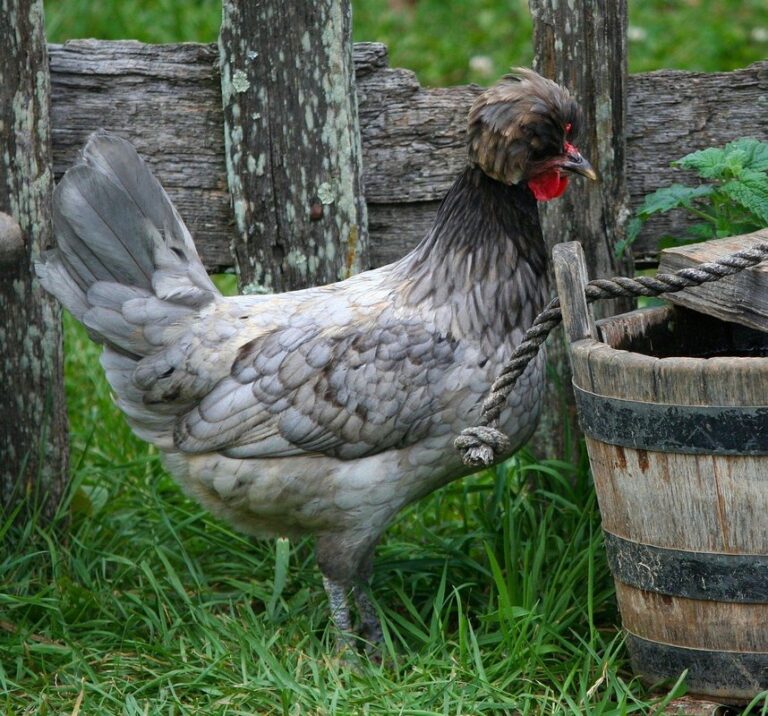
Characteristics and Benefits of Bantam Polish Hen Eggs
When it comes to these delightful eggs, you’ll want to know what sets them apart from others. Here are the key characteristics and benefits that make bantam Polish hen eggs truly special.
Nutritional Content of Bantam Polish Hen Eggs
Bantam Polish hen eggs are renowned for their exceptional nutritional profile. These eggs contain an impressive amount of protein, with approximately 6-7 grams per large egg, making them an excellent choice for health-conscious consumers and athletes alike. The fat content is moderate, averaging around 4-5 grams per egg, which is relatively low compared to other breeds. Furthermore, these eggs boast a higher yolk-to-white ratio, resulting in a richer, creamier texture.
What sets Bantam Polish hen eggs apart from others is their unique fatty acid profile. They contain more omega-3 fatty acids and less saturated fat than large breed eggs, making them an attractive option for individuals following a heart-healthy diet. Additionally, these eggs are produced using a natural, stress-free environment, which contributes to their exceptional nutritional content.
When choosing Bantam Polish hen eggs, look for producers that prioritize the hens’ welfare and use sustainable practices. This ensures that your eggs not only taste great but also align with your values as a consumer.
Unique Characteristics of Bantam Polish Hen Eggs
Bantam Polish hen eggs are truly one-of-a-kind. Their unique characteristics make them stand out from other types of eggs on the market. In terms of size, Bantam Polish hen eggs are quite small, with an average weight of around 40-50 grams. This is due to the fact that Bantam hens themselves are much smaller than regular hens.
In terms of shape and color, Bantam Polish hen eggs tend to be more oval in shape compared to other breeds. They also have a beautiful blue or green tint on their shell, which adds to their unique charm. Some Bantam Polish hens may lay eggs with distinctive markings or patterns, such as speckles or swirls.
The color of the yolk and white can vary depending on the hen’s diet, but overall, Bantam Polish hen eggs are known for their rich, creamy texture and flavor. When it comes to collecting your own Bantam Polish hen eggs, be sure to keep an eye out for any potential health issues or signs of stress in the hens themselves.
It’s worth noting that Bantam Polish hen eggs may not be suitable for large-scale commercial egg production due to their small size and unique characteristics. However, for backyard chicken keepers or enthusiasts looking to try something new, these eggs are sure to delight.
Raising Bantam Polish Hens for Egg Production
To successfully raise bantam Polish hens for egg production, you’ll need to consider their unique needs and personalities, as well as optimal living arrangements. This section will guide you through those essential considerations.
Choosing Healthy Bantam Polish Pullets
When choosing healthy Bantam Polish pullets for egg production, it’s essential to consider genetics, temperament, and health considerations. Start by selecting breeds that are known for their friendly and docile nature, such as the Bearded or Non-Bearded varieties of Bantams.
Look for pullets with a robust constitution and a healthy weight range. You can ask breeders about the parents’ egg-laying history to get an idea of what to expect from your flock. Genetics play a significant role in determining egg production, so it’s crucial to choose breeds that are known to be prolific layers.
When evaluating temperament, observe how the pullets interact with each other and their human caregivers. Bantam Polish hens are generally gentle and social birds, but some individuals may be more assertive than others. Avoid pullets that show signs of aggression or fearfulness, as they can stress the rest of your flock.
In terms of health considerations, make sure to select pullets from breeders who practice good hygiene and have a low incidence of disease in their flocks. Vaccination records and regular veterinary check-ups can also give you peace of mind about the overall health of your new additions.
Providing Optimal Care and Nutrition for Your Flock
Bantam Polish hens are delightful to raise and care for, but it’s essential to provide them with optimal conditions to thrive. When it comes to egg production, their health and nutrition play a vital role. These adorable birds require a balanced diet that includes high-quality protein sources such as pellets, grains, and vegetables.
To ensure they get the necessary nutrients, consider adding supplements like oyster shells or crushed eggshells to their feed, which will provide them with essential calcium for strong eggshell production. Fresh water should always be available, and it’s recommended to change the water frequently to prevent bacterial growth.
Housing conditions also matter significantly. Provide a spacious coop with adequate ventilation to maintain a healthy environment. A minimum of 4-5 square feet per bird is recommended, but more space will allow them to move around comfortably.
Bantam Polish hens are hardy birds and can tolerate some temperature fluctuations, but it’s crucial to keep their living area clean and free from drafts. Offer nesting boxes that are at least 2-3 inches wide and provide adequate bedding like straw or wood shavings to maintain hygiene and comfort.
Breeding and Raising Bantam Polish Chicks
So, you’re excited to start raising your very own Bantam Polish chicks? Let’s dive into the ins and outs of breeding and raising these adorable little fluffballs.
Selecting a Breeder or Hatching Eggs
When it comes to selecting a reputable breeder or obtaining fertile eggs for incubation, there are several factors to consider. The quality of the bloodlines is crucial, as this will directly impact the characteristics and health of the chicks you end up with. Look for breeders who specialize in Bantam Polish hens and have a good track record of producing high-quality birds.
When evaluating breeders, also consider their approach to genetic diversity. A healthy gene pool is essential for maintaining the overall health and vigor of your flock, so opt for breeders that prioritize diversity within their bloodlines. Additionally, assess the breeder’s commitment to chick quality by asking about their incubation and hatching practices.
If you prefer to hatch eggs yourself, ensure they are sourced from a reputable dealer or breeder who guarantees fertility and viability. Be wary of low-cost or online sources, as these may compromise on egg quality. Research local breeders in your area or join online communities to connect with experienced Bantam Polish enthusiasts who can provide guidance on selecting the right breeder for you.
Managing Your Flock’s Health and Well-being
Maintaining a healthy flock is crucial to ensure that your Bantam Polish hens are happy and productive layers. Regular vaccination protocols are essential to prevent diseases such as Newcastle disease, avian influenza, and Marek’s disease. Consult with a veterinarian to determine the best vaccination schedule for your flock.
Disease management is also critical in maintaining the health of your Bantam Polish hens. Keep an eye out for signs of illness, such as lethargy, loss of appetite, or changes in droppings. Isolate any hen showing symptoms and provide prompt medical attention to prevent the spread of disease.
Parasite control is another vital aspect of maintaining a healthy flock. Regularly check your hens’ feathers, vents, and legs for signs of mites, lice, or ticks. Use a gentle insecticide specifically designed for poultry to keep parasites under control. A healthy flock will not only produce more eggs but also reduce stress, which can negatively impact egg production.
To prioritize the health and well-being of your Bantam Polish hens, make sure they have access to clean water, nutritious food, and a safe living environment. By following these simple guidelines, you’ll be rewarded with happy, healthy hens that produce high-quality eggs for years to come.
Harvesting and Storing Bantam Polish Hen Eggs
Now that you’ve learned about the incredible characteristics of bantam Polish hens’ eggs, let’s dive into the practical side of collecting and preserving these treasures for maximum enjoyment.
Collecting and Handling Fresh Eggs
Collecting eggs safely and handling them with care is crucial to preserve their freshness. When collecting eggs from your bantam Polish hens’ coop, make sure to do so gently to avoid cracking the eggs. It’s also essential to wash your hands before and after handling the eggs to prevent any bacterial contamination.
Once you’ve collected the eggs, it’s recommended to clean them gently with cool water to remove any dirt or debris. Be careful not to scrub too hard, as this can cause scratches on the eggshell. After washing, dry the eggs thoroughly with a clean towel to prevent moisture from accumulating and potentially causing mold or bacteria growth.
For storage, keep the eggs in a cool, dry place away from direct sunlight. You can store them in a carton or container specifically designed for egg storage. It’s also crucial to collect the eggs frequently to avoid overcrowding and maintain good air circulation.
Long-Term Storage and Preservation of Bantam Polish Hen Eggs
When it’s time to store your precious Bantam Polish Hen eggs for extended periods, proper preservation techniques become crucial. Refrigeration is an effective method, but you’ll want to make sure your eggs are kept at a consistent 40°F (4°C) temperature to prevent moisture buildup and bacterial growth. This can be achieved by storing them in a sealed container or zip-top bag with their pointed ends facing down to prevent liquid from settling.
For longer-term storage, freezing is another viable option. Cracked eggs into an airtight container or freezer-safe bag, label, and store at 0°F (-18°C) for up to 12 months. When you’re ready to use them, thaw the desired number of eggs in cold water or under refrigeration.
Dehydrating is also a popular preservation method that can be done using an egg dehydrator or your home’s oven on its lowest temperature setting. The process removes moisture from the eggs, preventing bacterial growth and allowing for storage at room temperature.
Breed History and Popularity
The history of bantam Polish hens is a fascinating tale, shaped by centuries of selective breeding for unique characteristics that have made them incredibly popular among backyard chicken enthusiasts. Let’s take a closer look at their origins and appeal.
Origins and Evolution of the Bantam Polish Breed
The origins of the bantam Polish breed date back to 16th century Europe, where small-sized chickens were prized for their unique characteristics and egg-laying abilities. These early birds were likely cross-bred from various European fowl, resulting in a compact, friendly bird with an impressive egg-production capacity.
Over time, selective breeding emphasized the breed’s desirable traits: its diminutive size (weighing around 1-2 pounds), gentle disposition, and stunning plumage featuring crested heads and beards. As their popularity grew among backyard enthusiasts and commercial producers alike, bantam Polish hens became known for their prolific egg-laying abilities – often producing up to 200-220 eggs per year.
This remarkable breed’s evolution was also influenced by its role as a companion bird in royal courts and households across Europe. Their small stature and friendly nature made them an ideal choice for ornamental purposes, further solidifying their place in the world of poultry breeding. Today, bantam Polish hens are cherished worldwide for both their exceptional egg-laying prowess and endearing personalities, making them a popular addition to many backyard flocks.
Why Choose Bantam Polish Hens?
If you’re considering adding some new feathered friends to your flock, Bantam Polish hens are an excellent choice. Not only do they provide a steady supply of delicious eggs, but their charming personalities and unique characteristics make them a joy to have around. One of the main benefits of keeping Bantam Polish hens is their compact size – they require minimal space compared to larger breeds, making them perfect for backyard flocks or small farms.
In terms of noise levels, Bantam Polish hens are relatively quiet, which can be a relief for those living in close proximity to neighbors. They also make great social companions and can thrive in a variety of settings, from solo to flock environments. If you’re short on space or looking for a low-maintenance pet, Bantam Polish hens are an ideal choice.
Their calm demeanor also makes them suitable for families with children, as they are less likely to be aggressive or noisy. With proper care and attention, Bantam Polish hens can live up to 8-10 years, providing years of egg-laying pleasure and companionship. Whether you’re a seasoned chicken keeper or just starting out, Bantam Polish hens are sure to bring a smile to your face.
Conclusion
Now that we’ve covered all aspects of Bantam Polish hens eggs, let’s summarize the key takeaways and provide some final tips for successful egg-laying.
Recap of Key Points
In this comprehensive guide to the amazing eggs of Bantam Polish hens, we’ve covered various aspects of their production, care, and preservation. To recap, let’s summarize the key points discussed:
Bantam Polish hen eggs are small in size but rich in nutrients. They have a brown or blue tint to the shell, depending on the breed, and an average weight range of 1.5-2 ounces. The egg whites are firmer than those found in larger breeds, while the yolks are more compact and hold their shape well.
When it comes to breeding considerations, we emphasized the importance of selecting hens with a good balance of temperament and fertility. A healthy flock requires regular vaccinations, proper nutrition, and adequate space for roaming. It’s also essential to monitor egg production closely, as Bantam Polish hens can be prone to stress-related health issues.
In terms of tips for raising a healthy flock, we recommended providing a balanced diet rich in protein, calcium, and other essential nutrients. Fresh water and regular cleaning of the coop are crucial for maintaining a clean living environment. We also stressed the importance of introducing new birds gradually to prevent stress and establish a harmonious social dynamic.
To ensure a consistent supply of eggs, it’s essential to collect them daily and keep the nesting boxes clean. Regular monitoring of egg quality and fertility will help you identify any potential issues early on. By following these tips and guidelines, you’ll be well-equipped to raise a thriving flock of Bantam Polish hens that produce high-quality eggs for years to come.
Remember, raising Bantam Polish hens requires patience, dedication, and attention to detail. With the right care and management, these small but mighty birds will reward you with an abundance of nutritious eggs that will make your table shine!
Frequently Asked Questions
Can I hatch Bantam Polish hens from eggs, or do I need to buy them as chicks?
You can hatch Bantam Polish hens from eggs using a broody hen or an incubator, but buying them as chicks is also a viable option. When purchasing chicks, ensure you’re getting true Bantams and not crossbreeds by asking the breeder about their lineage and bloodlines.
How do I store Bantam Polish hen eggs for long-term preservation?
To preserve Bantam Polish hen eggs for an extended period, consider refrigerating them at a consistent temperature below 40°F (4°C) or freezing them. Always handle eggs gently to prevent breakage, and store them in a clean, dry environment.
Can I keep Bantam Polish hens as pets if I’m not interested in collecting their eggs?
Yes! Bantam Polish hens make excellent pets due to their friendly demeanor and small size. They’re relatively low-maintenance, easy to handle, and enjoy human interaction. With proper care and attention, they can thrive in backyard flocks or even in apartments with suitable space.
How often should I collect eggs from my Bantam Polish hen flock?
Collecting eggs daily is essential to maintain cleanliness and prevent damage. Also, regular collection will help you keep track of your hens’ production levels and identify any potential issues early on. Consider using an egg carton or a designated egg collection area for convenience.
Can I mix Bantam Polish hens with other breeds in my flock?
Yes, but it’s crucial to introduce them slowly and under close supervision to prevent stress and aggression. Start by keeping the Bantams separate and then gradually integrate them into your existing flock. Monitor their behavior and adjust your management strategy accordingly to ensure a harmonious coexistence.