
Raising Silkie Chicks Straight Run: A Guide to Raising Healthy and Happy Fowl
If you’re an avid poultry enthusiast or just starting out, you might be fascinated by the charm of silkie chicks straight run. These adorable little balls of fluff have a unique history that dates back centuries, with their soft, fluffy feathers making them a standout among other breeds. But beyond their looks, Silkie Chicks Straight Run are also prized for their gentle nature and adaptability to various living situations – making them an excellent choice for both beginners and experienced breeders alike. In this article, we’ll delve into the world of silkie chicks straight run, exploring their history, breeding, and showing tips to help you get started on your journey to raising healthy, happy Silkie Chicks Straight Run.
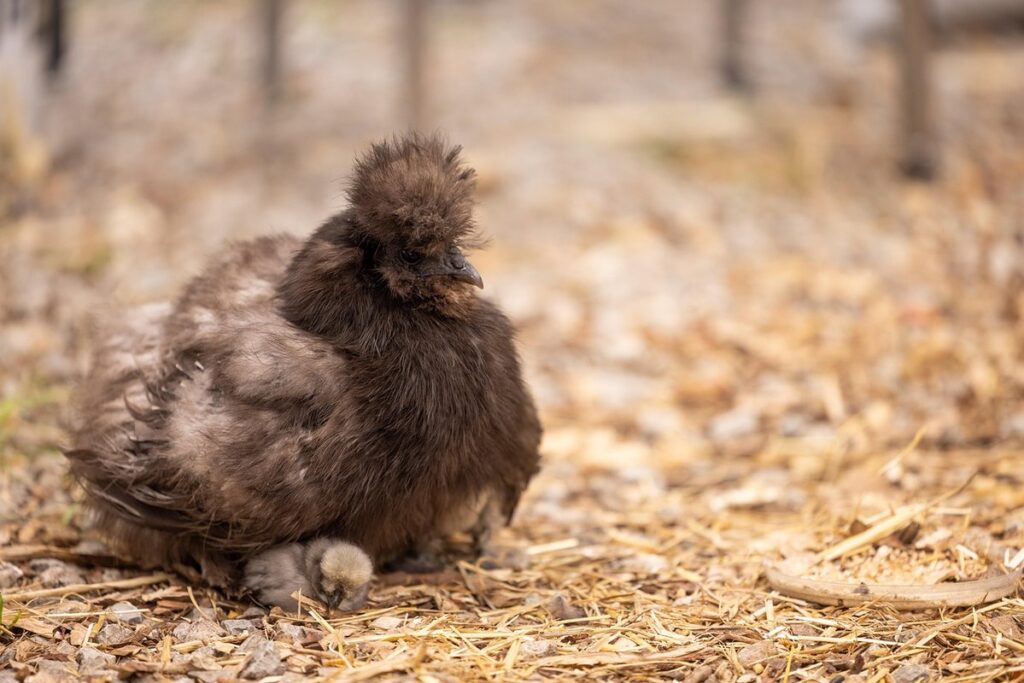
Understanding Silkie Chickens
When it comes to raising silkie chicks, understanding their unique characteristics and needs is crucial for success. Let’s dive into what makes these adorable birds tick.
Origin and History of Silkies
The Silkie breed originated in Asia, specifically in China and Japan, over 1,000 years ago. These birds were highly prized for their soft, fluffy feathers and gentle nature, making them a popular choice among royalty and nobility. In fact, Silkies were often given as gifts to Chinese emperors, who would keep them as pets in the palace.
The genetics behind Silkie’s unique appearance is fascinating. They have a natural mutation that causes their feathers to grow in a way that creates a “frizz” or “fluff” effect, giving them a soft, puffy look. This mutation also affects their skin, causing it to be feathered rather than smooth.
Silkies were first introduced to Europe in the 13th century and quickly became popular among poultry fanciers. They were bred and refined over the years to produce the range of varieties we see today, from the Polish Silkie with its distinctive crest to the Indian Silkie with its striking black plumage. Today, Silkies are enjoyed by chicken keepers all around the world for their unique appearance, friendly personalities, and gentle nature.
Temperament and Personality Traits
Silkies are known for their gentle and affectionate nature, making them an excellent choice as pets. Straight-run silkie chicks are no exception, inheriting the breed’s friendly temperament from their parents. They are highly social birds that thrive on interaction and attention, requiring regular handling to become tame.
When introducing straight-run silkie chicks to your flock or home environment, it’s essential to provide them with adequate socialization. This can be achieved by allocating enough time for individual handling and encouraging interactions between the chick and other birds in the household. For instance, you can place a separate nesting box near their enclosure to enable safe interaction.
Keep in mind that silkie chicks are relatively adaptable but may exhibit sensitive behavior if not handled gently or if they experience sudden changes in environment. It’s crucial to establish a calm atmosphere when introducing new elements, such as adding more birds or changing the layout of their enclosure.
Characteristics of Silkie Chicks
When it comes to raising healthy and thriving silkie chicks straight run, understanding their characteristics is crucial. Let’s dive into what makes these adorable birds unique.
Physical Characteristics
When it comes to silkie chicks straight run, one of their most distinctive and endearing physical characteristics is their fluffy feathers. Unlike other breeds, silkie chicks are born with a thick, downy coating that gives them a soft, cuddly appearance. Their plumage is often described as ‘woolly’ or ‘cotton-like’, which can be quite a sight to behold! To the untrained eye, it might be difficult to distinguish between male and female silkie chicks at first glance, but with closer inspection, you’ll notice subtle differences in their size and overall demeanor.
New owners often comment on how small and compact silkie chicks are compared to other breeds. This is due to their unique genetics, which prioritize fluffiness over large size. Silkie chicks typically weigh between 1-2 pounds (0.5-1 kg) at birth, making them a delightfully manageable size for even the most inexperienced bird keepers. When handling silkie chicks straight run, be gentle and cautious, as their fragile appearance can sometimes belie a more delicate temperament.
Health Considerations
As you embark on raising silkie chicks straight run, it’s essential to be aware of their potential health concerns. These adorable birds are prone to several issues that can affect their well-being and longevity. One significant concern is frostbite, which can occur when the temperature drops below 40°F (4°C). Silkie chicks’ fluffy feathers may look cute, but they don’t provide sufficient insulation against cold temperatures. To mitigate this risk, make sure you have a warm and draft-free brooder or coop for your chicks.
Additionally, silkie chicks straight run are susceptible to heat stress due to their compact body type and lack of sweat glands. Temperatures above 80°F (27°C) can lead to respiratory problems, so ensure adequate ventilation in your coop and monitor temperature levels closely. Regular grooming is also crucial to prevent overheating and related health issues.
Another consideration is their predisposition to health problems like Marek’s disease, which is a common issue among silkies. Maintaining good biosecurity practices, such as strict cleanliness and regular vaccinations, can help minimize the risk of these diseases.
Raising Silkie Chicks Straight Run
Raising silkie chicks straight run can be a fun and rewarding experience, but it does require some special care to help them thrive. In this section, we’ll cover the unique needs of these adorable birds.
Brooding and Incubation
Brooding and incubating silkie eggs requires attention to detail to ensure healthy development. A consistent temperature between 99-100°F (37-38°C) is crucial for the first 24 hours after hatching, gradually decreasing by 5°F (3°C) each day until reaching ambient temperatures. Humidity levels should be maintained at around 50-60%, with a slight decrease as the chicks grow.
Turn the eggs three to four times a day to prevent the yolks from sticking to the shell and ensure even development. You can use an egg turner or do it manually, but make sure not to over-turn, which may cause injury to the embryo.
Monitoring temperature and humidity closely is essential, as silkie chicks are sensitive to extreme conditions. For incubating eggs, a good quality incubator with precise temperature control will help minimize risks. If you’re using a homemade setup or an external incubator, ensure it’s clean, dry, and well-ventilated to prevent the buildup of bacteria.
Keep in mind that brooding silkie chicks requires attention to detail and consistency. Maintain a warm environment, ensure adequate ventilation, and prioritize cleanliness to promote healthy development.
Nutrition and Dietary Needs
When it comes to raising Silkie chicks straight run, providing them with the right nutrition is crucial for their healthy growth and development. These adorable birds have unique nutritional needs that require attention from day one.
A high-quality starter feed specifically formulated for young poultry should be introduced within the first few days of life. This feed typically contains 18-20% protein to support rapid growth and muscle development. However, Silkie chicks may benefit from a slightly higher protein content due to their large size and growth rate. For example, some expert breeders recommend using a 22-24% protein starter feed for the first 4-6 weeks.
In addition to protein, Silkie chicks also require adequate calcium levels to support strong bone development. A balanced diet that includes foods rich in calcium such as dark leafy greens, oyster shells, or crushed eggshells can help meet their needs. It’s essential to provide fresh water and a clean feeding area at all times to prevent disease and ensure optimal nutrient uptake.
As Silkie chicks grow, their dietary needs will change, and they’ll require a gradual transition to layer feed or a high-quality adult feed that provides the necessary nutrients for sustained health and well-being. Monitor their growth closely and adjust their diet accordingly to ensure you’re meeting their unique nutritional requirements.
Caring for Silkie Chicks
To ensure your silkie chicks thrive, proper care and attention are crucial during their critical early weeks, so let’s dive into caring for them. This includes essential tips on nutrition, health checks, and environment setup.
Housing and Enrichment
When it comes to caring for silkie chicks straight run, many new owners focus on their physical needs, but often overlook the importance of providing adequate housing and enrichment activities. This is a crucial aspect of their development, as silkies require space to move around, social interaction with their flock, and mental stimulation to prevent boredom and stress.
Provide a spacious area for your silkie chicks to roam, ideally 2-3 square feet per chick inside the coop, and at least 8-10 hours of sunlight per day. You can also consider adding vertical space by incorporating shelves or ladders to allow them to fly and exercise. For social interaction, ensure that you have a minimum of 5-6 chicks in the flock, as silkies are known to be social birds.
In terms of enrichment activities, try providing toys and puzzle feeders filled with their favorite treats. You can also rotate their bedding material regularly or add new objects for them to explore. Additionally, spend quality time with your silkie chicks daily, such as feeding by hand or simply sitting with them. This will help build trust and strengthen the bond between you and your flock.
Handling and Socialization
Handling and socializing silkie chicks straight run requires care and attention to ensure they grow into confident and friendly adult birds. When handling young silkie chicks, it’s essential to be gentle yet firm to avoid causing them stress or injury.
To begin with, make sure your hands are clean and dry before handling the chicks. This will help prevent transferring bacteria or oils from your skin to their sensitive feathers. Support the chick’s body while lifting, rather than picking them up by their legs or wings. Hold them securely but not too tightly, making it easy for them to move around.
Socialization is a critical aspect of raising silkie chicks straight run. Introduce them to various sights, sounds, and experiences from an early age to help them become confident in new environments. Handle each chick regularly to help them bond with you and develop trust. You can also socialize them by placing multiple chicks together under close supervision, allowing them to interact with each other safely.
Regular handling and socialization will pay off as the chicks grow into calm and friendly adult silkie chickens.
Breeding and Show Potential
When it comes to Silkie chicks, determining their potential for breeding and showing is crucial. We’ll walk you through how to assess and develop your straight-run Silkies’ show potential.
Selecting a Flock or Stud
When selecting a flock or stud for breeding Silkies, it’s essential to prioritize bloodlines that are renowned for their exceptional quality and characteristics. Research reputable breeders who specialize in Silkies and focus on acquiring birds with impeccable ancestry. This can be achieved by examining pedigree certificates or speaking directly with the breeder about their birds’ lineage.
Another critical consideration is genetic diversity within your flock. A diverse gene pool helps maintain overall health, reduces susceptibility to diseases, and promotes desirable traits in offspring. You can achieve this by incorporating different bloodlines into your breeding program, either through purchasing birds from various breeders or participating in breeding programs that emphasize genetic variety.
When evaluating a stud or flock, also assess their overall health. Look for birds with a clean bill of health, free from hereditary conditions such as cryptorchidism or feathered legs. Additionally, examine the physical characteristics of your potential Silkie birds, such as fluffy plumage and proper tail length.
Show Preparation and Tips
As you prepare your Silkie chicks straight run for showing, it’s essential to focus on their unique characteristics and traits. Start by getting them accustomed to being handled regularly. Begin with short sessions, gently picking up each chick and handling them for a few minutes before releasing. Gradually increase the duration as they become more comfortable.
To showcase their silken plumage, keep their feathers clean and well-groomed. Regularly brush out any mats or tangles, paying extra attention to areas around the vent and underside of the neck. This will not only enhance their appearance but also prevent health issues related to matted feathers.
When presenting your Silkie chicks at a show, remember that breed standard dictates a certain amount of feathering around the eyes and face. Trim any excessive fluffiness to meet this requirement while preserving the natural beauty of their silken plumage. By focusing on these aspects, you’ll be able to effectively showcase your Silkie chicks’ unique characteristics and increase their chances of impressing judges at the show.
Conclusion
Now that you’ve learned everything you need to know about raising silkie chicks straight run, it’s time to summarize the key takeaways and next steps for your flock.
Summary of Key Takeaways
To ensure you’re well-prepared to raise healthy and happy Silkie chicks straight run, let’s revisit the key takeaways from our comprehensive guide.
Remember that Silkie chicks are delicate and require a temperature of around 90-100°F (32-38°C) for their first few weeks. You should also maintain a humidity level between 50-60% to prevent respiratory issues.
Proper nutrition is vital, so make sure your chicks are fed a high-quality starter feed specifically formulated for Silkies or other exotic breeds. Provide fresh water at all times and ensure the feeder and waterer are always clean.
Don’t forget that regular vaccinations and health checks will keep your flock healthy and thriving. Keep an eye out for signs of disease, such as runny eyes or labored breathing, and consult a veterinarian if you’re unsure about any symptoms.
To encourage natural behavior, provide ample space for your chicks to move around safely under adult supervision. Silkie chicks straight run require plenty of room to grow, stretch their wings, and exercise their muscles without being injured by other chickens.
Final Tips and Recommendations
If you’re new to raising or breeding silkie chicks straight run, it’s essential to remember that these birds can be a bit more high-maintenance than other breeds. Don’t worry if things don’t go as smoothly as expected at first – with patience and practice, you’ll become an expert in no time.
To ensure the health and well-being of your silkies, make sure to provide them with a balanced diet, plenty of fresh water, and regular veterinary check-ups. It’s also crucial to keep their living space clean and free from stressors like overcrowding or predators.
If you’re struggling to care for your silkie chicks straight run, consider reaching out to online communities like the Silkie Breeder Forum or the American Bantam Association. These resources can connect you with experienced breeders who can offer valuable advice and support.
Additionally, if you’re interested in learning more about silkie breeding and genetics, there are several excellent books and online courses available. One such resource is “The Silkie Breed Standard” by the Silkie Club of America, which provides a comprehensive guide to understanding the breed’s unique characteristics.
Frequently Asked Questions
What’s the best way to care for Silkie Chicks Straight Run, especially during their first few weeks?
Caring for Silkie chicks straight run requires attention to detail, especially during their initial weeks. Ensure a warm and safe brooding environment (around 90-100°F) with adequate ventilation, as Silkies are sensitive to extreme temperatures. Provide a balanced starter feed specifically formulated for young poultry, and ensure access to fresh water at all times. Monitor their growth closely, and provide additional care if needed.
Can I raise Silkie Chicks Straight Run in small backyard spaces or urban areas?
Silkie chicks straight run can thrive in smaller backyards or even indoor settings, making them ideal for urban dwellers. However, ensure you have enough space for a safe brooding area (about 2-3 sq ft per bird) and consider the noise level, as Silkies are relatively quiet.
How do I introduce Silkie Chicks Straight Run to other chickens in my flock?
When introducing silkie chicks straight run to an existing flock, start by keeping them separated for a few days. This allows both groups to become familiar with each other’s presence and scents without the risk of aggression or stress. Once you’re confident they’ll get along, introduce them under close supervision.
Can I show my Silkie Chicks Straight Run at local poultry shows?
Silkies are an excellent choice for showing due to their unique appearance and temperament. To increase your chances of winning, focus on developing a high-quality flock with consistent breed standards. Practice handling and socializing your Silkies regularly, and familiarize yourself with the show rules and requirements.
What’s the most important thing to consider when selecting a breeder or purchasing Silkie Chicks Straight Run?
When selecting a breeder or purchasing silkie chicks straight run, prioritize genetics and bloodline. Research reputable breeders who focus on maintaining high-quality Silkies, and ask about the health clearances and breeding history of your birds. This ensures you’re getting healthy, well-bred Silkies that meet your expectations.