
Silkies are one of the most beloved breeds in the world of backyard chickens, and for good reason. Their fluffy feathers, gentle nature, and adorable appearance make them a joy to keep as pets. But did you know that Silkie eggs have some amazing characteristics too? Not only do they come in a variety of colors, but their unique hues can also give us clues about their health, nutrition, and genetics. From the blue-green tones of some breeds to the creamy whites of others, every Silkie egg has its own story to tell. In this article, we’ll delve into the fascinating world of Silkie eggs, exploring what affects their color, how to promote healthy shell production, and more – so if you’re a Silkie owner or enthusiast, keep reading!
What Are Silkie Chickens and Their Unique Characteristics?
Silkie chickens are known for their fluffy, soft feathers and adorable appearance, but what makes them so unique and special compared to other breeds? Let’s dive into the characteristics that set Silkie chickens apart.
Origins and History of Silkie Breeds
Silkies have been around for centuries, and their unique appearance has captivated poultry enthusiasts worldwide. Originating from China, these gentle giants were highly prized by royalty and nobility for their soft, fluffy plumage and playful personalities. The breed’s distinct characteristics set them apart from other chickens, including their lack of feathers on their legs and feet, a trait known as “beard” and “muffs.” Silkies also have a unique genetic makeup that contributes to their small size, typically weighing between 2-3 pounds.
Their history dates back to the Song Dynasty (960-1279 AD), where they were bred for their egg-laying abilities. Silkies would often lay eggs in various colors, including blue, green, and pink, which were highly valued for their uniqueness. As you explore the world of Silkie eggs, understanding their origins and history will give you a deeper appreciation for these colorful marvels.
The breed’s popularity eventually spread to Europe and the United States, where they are now kept as pets and raised on small farms.
Physical Traits of Silkie Chickens
Silkies are undeniably one of the most recognizable breeds due to their distinctive physical traits. Their fluffy feathers set them apart from other chicken breeds, giving them a gentle and endearing appearance. This unique plumage is not just aesthetically pleasing but also provides excellent insulation against cold temperatures.
One of the defining features of silkies is their beards and combs. Silkies have a well-developed beard, which is a flap of skin that hangs from the lower part of their face. Their combs are relatively small compared to other breeds but are still present on top of their heads, adding to their charm.
Their fluffy feathers come in various colors including white, black, blue, and buff. While some silkies have solid-colored plumage, others exhibit beautiful patterns such as splashed or mottled feathers. These stunning visuals can give a glimpse into the colors you might expect from their eggs. With so many color varieties, it’s no wonder why silkies are popular among backyard chicken enthusiasts.
Temperament and Personality of Silkie Chickens
Silkies are renowned for their endearing and gentle nature. They are often described as laid-back and calm, making them an excellent choice for backyard flocks. Their docile temperament stems from their unique genetic makeup, which sets them apart from other chicken breeds.
One of the most striking aspects of Silkies is their friendly behavior towards humans. They have a strong affinity for interaction and enjoy being around people. This amiable nature makes them perfect pets for families with children or individuals who desire a low-maintenance companion animal. Their gentle clucking and soft flapping wings add to their endearing personality.
As you get to know your Silkies, you’ll discover that they’re surprisingly curious and playful. They love exploring their surroundings, investigating new sights, and engaging in fun activities like foraging or chasing after bugs. This curiosity also translates to their ability to learn simple tricks and commands, making them an entertaining addition to any flock.
Silkies are generally quiet birds, with minimal noise levels compared to other breeds. Their calm demeanor makes them a great choice for urban settings where noise restrictions might be in place.
The Color Varieties of Silkie Eggs: A Guide to Different Colors
You’re eager to know what color varieties your Silkie chickens can lay? Let’s explore the different colors and patterns that make their eggs truly unique.
Light Brown and Cream-Colored Silkie Eggs
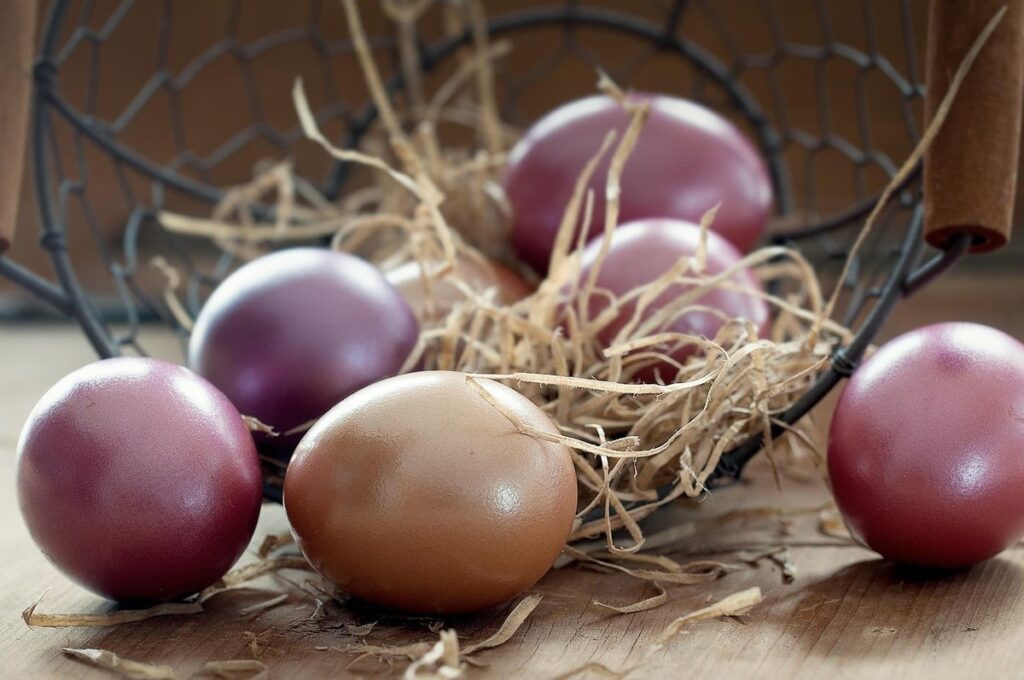
Light brown and cream-colored silkie eggs are some of the most sought-after varieties among backyard chicken enthusiasts. These eggs have a unique characteristic that sets them apart from other colored eggs: their shell color is not just a surface-level trait, but rather an indicator of the egg’s internal quality.
Breeders often prefer light brown and cream-colored eggs for their exceptional fertility rate, making them a popular choice for commercial farms as well. In fact, studies have shown that these eggs have a higher hatch rate compared to darker-shelled eggs.
When it comes to caring for silkies that lay light brown or cream-colored eggs, breeders recommend providing them with a balanced diet rich in protein and calcium. This ensures the shells are strong and durable, while also promoting healthy egg production. To encourage this specific trait, some breeders introduce genetic selection programs that prioritize fertility and shell color.
To determine whether your silkie is laying light brown or cream-colored eggs, look for a subtle brownish-cream hue on the shell. These eggs are often smaller in size compared to other colored eggs, but their unique characteristics make them highly prized among collectors and enthusiasts alike.
Dark Brown and Chocolate-Colored Silkie Eggs
Dark brown and chocolate-colored eggs are among the rarest and most coveted varieties laid by silkie chickens. These eggs owe their unique color to a specific genetic trait that affects the production of melanin, resulting in a rich, dark hue. Dark brown eggs tend to have a more muted tone, while chocolate-colored eggs exhibit a deeper, reddish-brown color.
These eggs are often associated with silkies that carry the E^e genotype, which is responsible for diluting the normal black pigment into a darker brown or chocolate shade. The rarity of these eggs makes them highly prized among chicken enthusiasts and breeders. If you’re lucky enough to own silkie chickens that lay dark brown or chocolate-colored eggs, consider yourself part of an exclusive club.
To increase your chances of getting these stunning eggs, focus on breeding silkies with the E^e genotype. This may involve introducing birds with a known dilution gene into your flock or selecting for individuals that already exhibit this trait.
Blue and Green Colored Silkie Eggs
Blue and green colored silkie eggs are relatively rare and can be attributed to specific genetic combinations within certain breeds. These colors result from the interaction of multiple genes that control eggshell pigmentation. Breeders often intentionally introduce these traits into their flocks through selective breeding, resulting in eggs with a range of hues.
Some silkie breeds known for producing blue or green eggs include the Ameraucana and Araucana. These birds owe their unique eggshell colors to the presence of oocyanin and porphyrins, two specific pigments that can be inherited from parent stock. However, breeders should exercise caution when introducing these traits into their flocks, as excessive inbreeding can lead to health issues such as fragile eggshells or reproductive problems.
When raising silkies for blue or green eggs, it’s essential to monitor the flock’s overall health and ensure proper nutrition to support optimal fertility and shell quality. This may involve adjusting feed formulations or providing access to calcium-rich supplements. By doing so, you can enjoy the unique benefits of these colored eggs while maintaining a healthy and thriving flock.
Factors Affecting Eggshell Color in Silkie Chickens
When it comes to the unique eggshell colors of Silkie chickens, several factors come into play that determine their beautiful hues. Let’s take a closer look at what affects these stunning colors.
Genetics: The Main Influencer of Eggshell Color
Genetics is the primary force behind the stunning array of eggshell colors found in Silkie chickens. It’s fascinating to learn that the genetics of these birds play a crucial role in determining the exact shade and hue of their eggs.
To understand how genetics influence eggshell color, let’s break it down: genes control the production of pigments, which are responsible for coloring the shell. In Silkie chickens, two main types of pigment are at work – porphyrins (responsible for red and yellow hues) and melanin (responsible for brown and black shades). The interaction between these pigments results in a wide range of colors.
For example, the gene that controls porphyrin production is responsible for the characteristic rosy hue found in some Silkie eggs. Conversely, the presence of melanin gives rise to darker, richer tones like chocolate or dark brown. Breeders can manipulate these genetic factors through selective breeding to produce specific eggshell colors, making genetics the ultimate influencer of the diverse palette seen in Silkie chicken eggs.
Nutrition and Diet: Impact on Eggshell Color
When it comes to determining the color and quality of your Silkie’s eggs, nutrition and diet play a significant role. A balanced and nutrient-rich diet is essential for healthy pigmentation, which can affect the eggshell’s color.
Silkies require a diet rich in vitamins A, D3, and E, as well as minerals like calcium and zinc. Vitamin A, in particular, is crucial for producing the orange pigment responsible for many Silkies’ vibrant colors. A deficiency in vitamin A can lead to pale or washed-out eggshell colors.
Calcium, on the other hand, helps build strong bones, but it also plays a role in eggshell formation and coloration. If your Silkie’s diet lacks sufficient calcium, you may notice a dullness or lack of vibrancy in her eggshell color.
To ensure optimal nutrition for your Silkies, consider providing them with a high-quality commercial layer feed that includes all the necessary vitamins and minerals. You can also supplement their diet with fresh fruits, vegetables, and treats rich in essential nutrients. A healthy and balanced diet will not only promote vibrant eggshell colors but also contribute to overall good health and well-being.
Health Conditions and Their Effect on Eggshell Color
Certain health conditions can significantly impact eggshell color in Silkie chickens. One common condition is hypocalcemia, also known as “milk fever.” It occurs when calcium levels drop below a certain threshold, causing eggs to develop unusual colors like blue or green. Symptoms include lethargy, labored breathing, and weak wings.
Another condition that affects eggshell color is Marek’s disease. This viral infection can cause swollen eyes, loss of appetite, and difficulty walking. Infected birds may lay pale or abnormal-colored eggs.
Avian chlamydiosis, caused by the bacterium Chlamydophila psittaci, can also impact eggshell color. Symptoms include respiratory issues, diarrhea, and weight loss. Treatment options vary depending on the condition’s severity and your veterinarian’s recommendations.
Regular health checks, proper nutrition, and a stress-free environment are crucial to maintaining healthy Silkie chickens that produce vibrant eggs.
Collecting and Caring for Silkie Eggs: Tips and Tricks
Collecting and caring for your precious Silkie eggs requires attention to detail, from handling them gently to storing them safely. Learn how to do it right!
Proper Handling and Storage of Silkie Eggs
When it comes to collecting and caring for Silkie eggs, proper handling and storage techniques are crucial to ensure they remain clean and intact. This is especially important if you plan on hatching them, as any damage can lead to decreased fertility or even a failed hatch.
To handle Silkie eggs correctly, start by gently picking them up from the nesting box, making sure not to touch the eggshell excessively. You can use a soft-bristled brush or a clean cloth to gently sweep away any debris that may be attached to the egg. Once you’ve collected all the eggs, place them in a designated carton or container filled with a paper-based packing material like paper towels or crumpled paper.
It’s essential to store Silkie eggs in a cool, dry place away from direct sunlight and heat sources. Aim for a temperature range of around 55°F to 65°F (13°C to 18°C) and maintain high humidity levels by covering the container with a breathable cloth or plastic wrap. Remember to check on the eggs regularly to ensure they’re not being crushed or developing any visible signs of damage.
Incubation and Hatching Silkie Chicks from Their Own Eggs
Incubating and hatching silkie chicks from their own eggs is an exciting experience for many backyard chicken keepers. To successfully incubate silkies, it’s essential to control temperature and humidity levels. The ideal temperature for incubation is between 99°F (37°C) and 100°F (38°C). Most incubators come with a built-in thermometer that allows you to monitor the temperature.
Maintaining proper humidity levels is also crucial during the first 24 hours of incubation, when it should be around 50-60%. You can increase the humidity to about 80-90% during the next two weeks. Some chicken keepers use a spray bottle to maintain the right humidity level. Make sure not to overdo it, as this can lead to mold growth.
Some breeders also swear by using a fan for air circulation inside the incubator. This helps regulate temperature and keeps the eggs from getting too hot. If you’re new to incubation, it’s best to start with an automatic turner that will rotate the eggs at regular intervals. This will ensure even heat distribution and prevent sticking.
Tips for Collecting and Breeding Silkie Chickens for Egg Color Varieties
When it comes to collecting and breeding silkie chickens for egg color varieties, careful selection and planning are crucial. To start, you’ll want to identify the specific color varieties you’re aiming to produce – whether it’s blue, green, pink, or another unique hue.
To achieve this, begin by selecting breeders with a proven track record of producing the desired colors. Look for birds that have demonstrated consistent egg-laying and have been genetically tested to ensure they carry the necessary genes for the desired color traits.
Genetic testing can help you understand the underlying genetics driving your flock’s egg colors. This information will enable you to make informed decisions about breeding pairs, ensuring you’re working with birds that will produce the desired outcomes.
When selecting breeding pairs, consider factors such as egg production rate, fertility, and overall health. A well-rounded breeder program should balance genetic diversity with the potential for consistent color expression.
Ultimately, collecting and breeding silkie chickens requires patience, attention to detail, and a willingness to adapt. By carefully selecting breeders and prioritizing genetic testing, you’ll be well on your way to producing stunning egg color varieties that will set your flock apart.
Conclusion: The Unique Charm of Silkie Eggs
In conclusion, silkie eggs are truly one-of-a-kind treasures. Their unique charm lies not only in their beautiful colors and patterns but also in the special characteristics that set them apart from other chicken breeds. Whether you’re a seasoned poultry enthusiast or just starting to explore the world of backyard chickens, silkie eggs are sure to captivate your attention.
For those looking to add some excitement to their egg-laying flock, consider breeding silkies specifically for their striking colors. This can be a fun and rewarding hobby, allowing you to experiment with different genetics and create new color variations. Whether you’re after vibrant blues, soft pastels, or rich browns, silkie eggs are sure to bring a pop of personality to your breakfast table.
Frequently Asked Questions
Can I hatch Silkie eggs from my own flock to raise new chicks?
Yes, you can hatch Silkie eggs from your own flock, but ensure that the parents are healthy and well-nourished for optimal egg quality and fertility. Collecting and storing eggs properly is crucial for successful incubation.
How long do Silkie eggs typically last before they go bad if stored properly?
Properly stored Silkie eggs can last up to 7-10 days at room temperature (around 70°F/21°C), but their freshness affects the viability of the embryos during incubation. Use a clean and dry storage method, such as an egg carton or paper towels.
Can I breed my Silkie chickens specifically for their colored eggs?
Yes, breeding Silkie chickens for their unique egg colors is possible by selecting parents with desirable traits and maintaining a healthy flock with balanced nutrition and care. However, genetics play the main role in determining eggshell color.
How do I know if the health of my Silkie hens affects the color of their eggs?
While good health doesn’t directly affect eggshell color, certain conditions can influence it indirectly through stress or nutritional deficiencies. Regular check-ups, proper nutrition, and a clean living environment will help minimize potential issues affecting egg quality.
Can I incubate any Silkie egg, regardless of its color, for optimal hatching results?
Incubating eggs from healthy parents with balanced diets is more crucial than the eggshell’s color for successful hatching. However, eggs from blue or green breeds may require slightly different temperature and humidity settings during incubation to achieve optimal results.