
Are you thinking of bringing home a Silkie rooster to join your flock, but not sure where to start? Or maybe you’re already a proud owner, but want to learn more about these charming birds. Either way, it’s essential to understand their unique characteristics and needs to ensure you can provide the best possible care.
Silkies are known for their fluffy, soft feathers and friendly demeanor, making them a popular choice among backyard chicken enthusiasts. However, owning a rooster requires more than just providing food and shelter – their temperament, health considerations, and even breeding programs must be taken into account to ensure their well-being. In this article, we’ll delve into the world of Silkie roosters, covering everything from temperament and health to care requirements and breeding programs.
Understanding the Silkie Breed
To truly appreciate the unique characteristics of your Silkies rooster, it’s essential to understand the breed’s origins and history as a distinct type of poultry. This background will help you better connect with their quirks.
Origin and History of Silkies
The origins of the Silkie breed date back to ancient China, where they were highly prized for their unique appearance and gentle nature. The exact timeline is unclear, but it’s believed that Silkies have been present in Asia for over 2,000 years. These early birds were valued by royalty and nobility for their soft, fluffy feathers and docile temperament.
As trade routes expanded between Asia and the Middle East, Silkies began to spread throughout the region. They were introduced to Europe by Arabian traders during the 11th century, where they quickly gained popularity among poultry enthusiasts. The Silkie breed has since evolved through careful breeding programs, with modern-day Silkies boasting an even more impressive range of sizes, colors, and feather types.
Interestingly, Silkies are one of the oldest chicken breeds known to science, with some evidence suggesting that they may have been present in ancient Egyptian and Greek civilizations as well. This rich history has led to a diverse range of Silkie strains, each with its unique characteristics and quirks.
Unique Physical Characteristics of Silkies
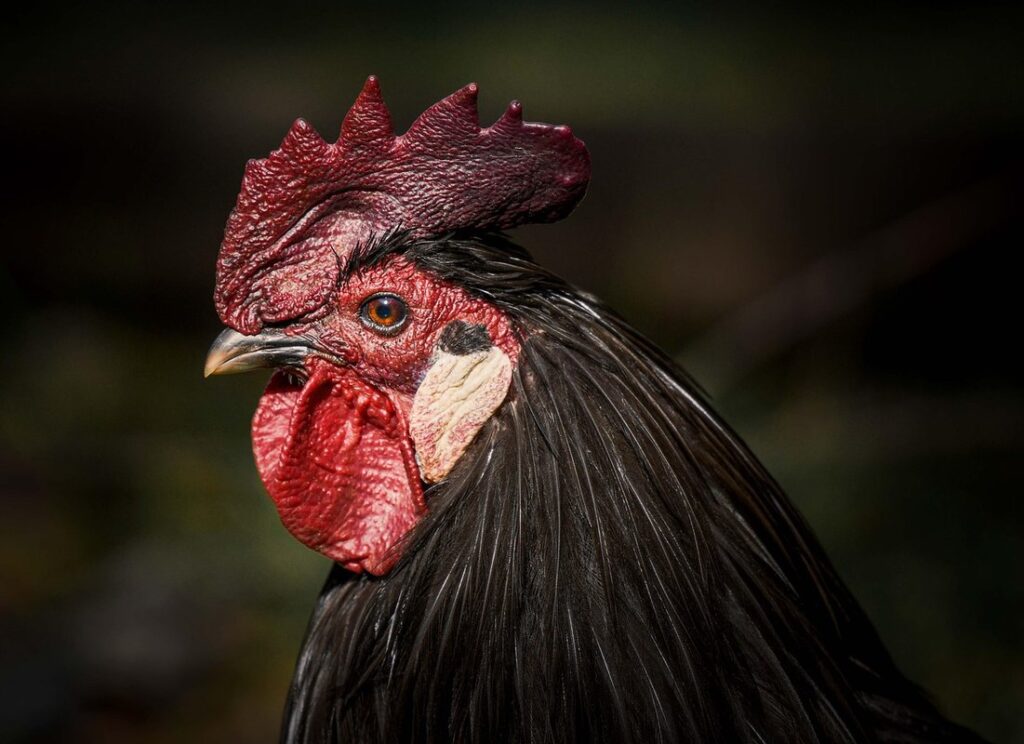
One of the most recognizable features of the Silkie rooster is its unique physical characteristics. Unlike other breeds, Silkies boast a fluffy plumage that covers their entire body, giving them an endearingly soft and rounded appearance. This distinctive feature is due to the absence of down feathers in Silkies, which are replaced by long, fine guard hairs.
Their bearded face is another distinguishing trait of Silkie roosters. The beard-like growth around their neck and face is a result of the intense feathering that occurs in this area, giving them a remarkably expressive and endearing appearance. This facial feature not only adds to their charm but also makes it easier for Silkies to preen and clean themselves.
Their legs are also a notable feature, covered as they are with long feathers that give them a somewhat cartoonish appearance. This unique combination of features – fluffy body, bearded face, and feathered legs – sets the Silkie rooster apart from other breeds and makes it an instantly recognizable sight in any backyard or chicken coop.
Personality Traits and Behavior
When it comes to silkies, their personalities are just as charming as their fluffy feathers. Let’s dive into what makes a silkie rooster tick and how their behavior will fit into your flock.
Temperament and Friendliness
Silkies roosters are known for their gentle and affectionate nature. They thrive on human interaction and can form strong bonds with their owners. In fact, many Silkie owners report that their birds will often follow them around the house or sit on their laps while they work.
When it comes to interacting with other animals, Silkies roosters are generally calm and non-aggressive. However, as with any bird, introduction to new pets should be done slowly and under close supervision. It’s also essential to socialize your Silkie from an early age to ensure they get along with other birds and animals in the household.
Some key traits of a friendly Silkie rooster include their curiosity and love for exploration. They are naturally inquisitive, which makes them entertaining to watch and interact with. However, this also means that they require plenty of space to roam and exercise, so make sure you have enough room in your backyard or living area for them to move around.
One of the most endearing qualities of Silkies is their ability to adapt to different environments and living situations. Whether you live in a small apartment or a large farmhouse, a Silkie rooster can thrive as long as they receive proper care and attention.
Socialization and Training
Socializing a Silkier rooster is crucial to ensure they become confident and calm birds. When acquiring a young Silkie rooster, it’s essential to start socialization as early as possible. This involves exposing them to various sights, sounds, and experiences that will help them develop good behavior.
For instance, introduce your young Silkie rooster to other chickens, allowing them to interact and play together. You can also place them in a spacious aviary or enclosure where they can exercise and explore their surroundings freely.
When handling Silkies, always be gentle and patient as they are naturally timid birds. Avoid sudden movements that might frighten them. Instead, approach them calmly, speaking softly to reassure them of your presence. Practice regular handling sessions, getting them accustomed to being picked up, held, and examined.
Regular handling not only helps build trust but also enables you to monitor their overall health. For instance, during handling, you can inspect their plumage for any signs of mites or lice infestations.
Roosting and Perching Behavior
Silkies roosters are known to be gentle and quiet birds, but when it comes to their natural behavior, they do have some distinct preferences. When it comes to roosting and perching, Silkies roosters tend to prefer quieter spaces where they can retreat from the hustle and bustle of daily activities.
In fact, a study on chicken behavior found that Silkies roosters are more likely to roost in enclosed or partially enclosed areas, such as coops with windows or covered runs. This is because they value their privacy and security, and prefer to avoid being exposed to the elements or potential predators. When choosing a perching spot, look for a quiet corner of your coop where your Silkie can feel safe and relaxed.
When introducing your new Silkie rooster to its coop, it’s essential to provide several perches at different heights to accommodate their preference for quiet spaces. You can also add some cozy nesting boxes or hideaways to make them feel more secure. By catering to their natural behavior, you’ll create a happy and healthy environment for your feathered friend.
Health Considerations
When it comes to owning a Silkies rooster, their health should be at the top of your mind – after all, they can live up to 10 years with proper care and attention.
Common Health Issues in Silkies
Silkies are known for their small size and fluffy plumage, but unfortunately, this unique appearance comes with its own set of health issues. Respiratory problems are a common concern among Silkie owners, as the breed’s flat face and compact body can make breathing difficult, especially in hot or humid environments. Beak trimming is often necessary to ensure proper airflow, and providing plenty of ventilation in the coop can also help alleviate these symptoms.
Obesity is another significant health issue affecting Silkies. Their laid-back nature and tendency to overeat can lead to weight gain, which in turn increases the risk of various other health problems, such as heart disease and diabetes. To combat this, Silkie owners should monitor their bird’s food intake closely and ensure they have plenty of opportunities for exercise and activity.
It’s essential for Silkie owners to be aware of these potential health issues and take preventative measures early on to avoid more severe complications down the line. Regular check-ups with a veterinarian experienced in caring for Silkies can help identify any problems before they become serious. By being proactive and taking steps to prevent common health issues, you can help keep your Silkie rooster happy and healthy for years to come.
Nutritional Requirements
When it comes to meeting the nutritional needs of your Silkie rooster, there are several key considerations. First and foremost, Silkies require a high-quality protein-rich diet that includes a variety of nutrients essential for optimal health.
A balanced diet for your Silkie should include 16-18% protein from animal-based sources such as chicken meal or fish meal. Calcium is also crucial for maintaining strong bones, so ensure the feed you choose contains adequate calcium levels (around 2-3%). Phosphorus, another important mineral, helps regulate metabolic processes and supports overall health.
It’s also essential to provide a varied diet that includes fresh fruits and vegetables daily. Leafy greens like kale and spinach are great sources of iron, while carrots and sweet potatoes offer essential vitamins A and C. Fresh water should always be available, and it’s recommended to change the water frequently to prevent bacterial growth.
Remember, Silkies have specific dietary needs due to their unique characteristics – they’re prone to obesity if overfed, so monitor food intake carefully. By providing a well-rounded diet that meets their nutritional requirements, you’ll help keep your Silkie rooster happy and healthy.
Healthcare and Grooming Tips
When it comes to maintaining the overall health of your Silkie rooster, regular grooming and veterinary care are essential. Silkies have a unique characteristic that makes them prone to health issues – their fluffy feathers can trap dirt, moisture, and parasites close to their skin, leading to respiratory problems and skin infections.
To prevent this, make it a habit to brush your Silkie’s feathers regularly, especially during the molting season when they shed heavily. Use a soft-bristled brush or a grooming glove specifically designed for chickens. This will help remove loose feathers, dirt, and parasites, reducing the risk of health issues.
In addition to regular brushing, schedule annual check-ups with an avian veterinarian who has experience caring for Silkies. They can detect any underlying health problems early on and provide guidance on parasite control, vaccinations, and preventative care.
Breeding and Showing Silkies
If you’re interested in breeding or showing Silkie roosters, it’s essential to understand their unique characteristics and temperament that make them suitable for these activities. This section will cover those specific requirements and tips.
Selection and Breeding Programs
When selecting breeding stock for Silkie roosters, it’s essential to focus on birds with desirable characteristics, such as exceptional plumage quality, robust health, and impressive show wins. Research reputable breeders who specialize in Silkies and attend poultry shows to network with other breeders and gain a deeper understanding of the breed.
To participate in breeding programs, you’ll need to register your Silkie rooster with the American Bantam Association (ABA) or the American Poultry Association (APA), depending on your location. These organizations provide guidelines for selection criteria and rules governing breeding and showing.
Participating in a breeding program allows you to contribute to the improvement of the breed while also ensuring that your birds meet specific standards for quality and conformation. It’s crucial to prioritize genetic diversity when selecting breeding stock, avoiding inbreeding and promoting a healthy gene pool. This will help maintain the overall health and fertility of your Silkies over time.
When evaluating potential breeding stock, consider factors like feather texture, color intensity, and beak shape. Evaluate the rooster’s movement and behavior, looking for birds that exhibit confidence and vigor.
Show Rules and Regulations
When showing your Silkie rooster at a poultry exhibition, it’s essential to familiarize yourself with the show rules and regulations. These guidelines vary from one association to another, so it’s crucial to check with the specific organization hosting the event.
In general, judges evaluate Silkies on their breed standard characteristics, which include feathering, beak type, comb shape, and leg length. For roosters, a perfect score is awarded for proper plumage, a well-formed beard, and a straight or slightly curved keel bone.
Competition protocols also dictate how birds are presented in the show ring. Roosters must be clean, dry, and free of any debris that might obstruct their natural appearance. Birds must also be handled gently to avoid stressing them out before the judging process begins.
To ensure you’re prepared for your Silkie rooster’s big day, research the specific show rules and regulations ahead of time. Many organizations provide detailed breed standards and exhibition guidelines on their websites or through membership materials. By understanding what judges are looking for, you can confidently showcase your bird’s unique characteristics and increase its chances of success in the show ring.
Tips for Show Preparation
When preparing your Silkie rooster for showing, it’s essential to focus on its handling, trimming, and presentation. Handling is crucial as silkies can be timid birds, so gentle and frequent interaction from an early age will make them more confident in the show ring.
For the show ring, trim the nails, beak, and any excessive feathers around the vents. Keep in mind that over-trimming can cause stress to your bird, so it’s essential to find a balance between aesthetics and comfort.
Presentation is also vital; make sure the rooster is clean, well-groomed, and free of lice or mites. Practice walking your Silkie with a leash to get them accustomed to being handled in public. This will not only help reduce stress but also ensure they move smoothly and confidently around the show ring.
To present your Silkie rooster correctly, consider the following tips: Ensure it’s facing the judges at all times, and avoid touching or restraining it unless absolutely necessary.
Frequently Asked Questions
Can Silkie roosters be friendly with other pets, especially small animals?
Silkies are known for their gentle nature, but introducing them to other pets requires patience and careful consideration. Start by keeping the rooster separate from smaller animals and gradually introduce them under close supervision. Positive reinforcement training can also help build trust between species.
What’s the ideal climate for Silkies, and how do I provide shade and shelter?
Silkies thrive in temperate climates with moderate temperatures. Ensure they have access to shaded areas, such as trees or a covered run, to escape direct sunlight. Provide a clean, dry coop with adequate ventilation to protect them from heat stress.
How often should I collect eggs from my Silkie rooster’s flock?
Collecting eggs regularly is essential for maintaining a healthy and productive flock. Aim to gather eggs at least twice daily, especially during peak laying seasons. This will help prevent egg breakage and reduce the risk of disease transmission.
Can Silkies be used in backyard poultry shows, or are they more suited as pets?
Silkies can excel in both roles! Their unique appearance and friendly demeanor make them a popular choice for backyard shows. However, their calm nature also makes them an excellent addition to family flocks. Consider your goals and the needs of your flock when deciding whether to show or keep them as pets.
What are some common health issues to watch out for in Silkies, especially roosters?
Silkies can be prone to conditions like obesity, respiratory problems, and feather pecking. Regular monitoring of their diet, exercise levels, and coop cleanliness can help prevent these issues. Additionally, keep an eye out for any signs of illness or stress, such as changes in appetite or drooping feathers.