
Are you looking to bring some unique charm into your backyard flock? Silkie pullets for sale near you might be just what you need. These adorable birds are known for their fluffy, soft feathers and gentle nature, making them a great choice for families or experienced chicken keepers alike.
Not only are Silkie pullets a joy to have around, but they also come with several benefits that make them an excellent addition to any farm or homestead. They’re friendly, easy-going, and can even serve as wonderful pets due to their docile nature.
In this article, we’ll cover everything you need to know about Silkie pullets for sale near me, from their unique characteristics to proper care and feeding requirements. By the end of it, you’ll be well-equipped to find and bring home your very own Silkie pullet.
What are Silkie Pullets?
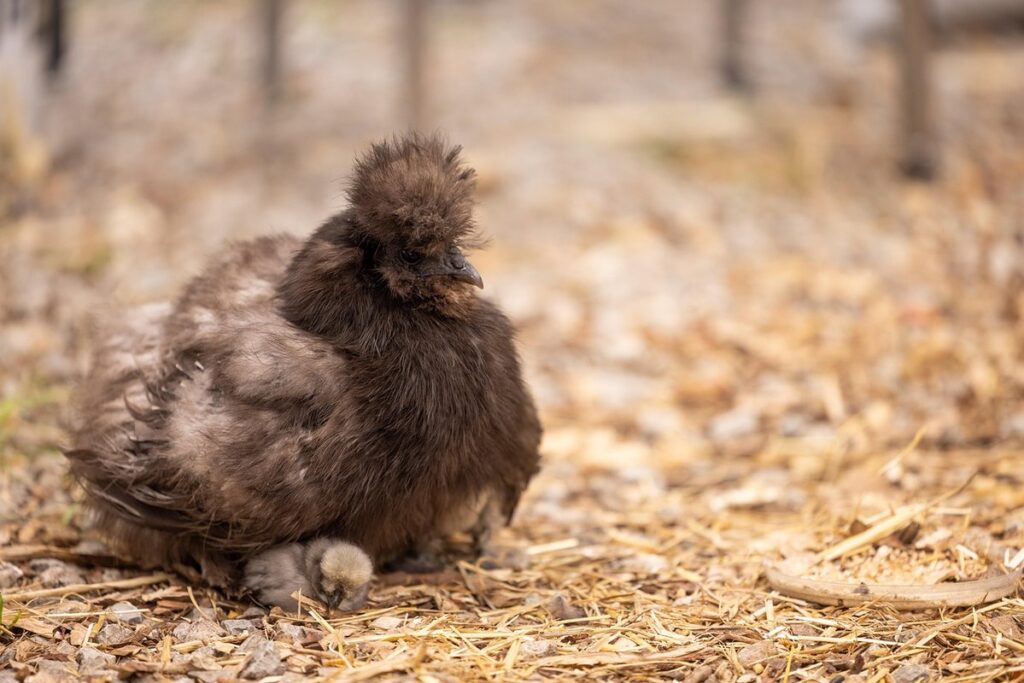
Silkie pullets are a specific type of young chicken, typically under 1 year old, known for their fluffy and soft feathers. They’re often sought after for backyard flocks due to their unique characteristics.
Origin and History of Silkie Chickens
The Silkie chicken breed has a rich history that spans centuries, with its origins dating back to ancient China. According to legend, Silkies were highly prized for their fluffy feathers and gentle nature by Chinese royalty. It’s said that they were kept as pets within the palace walls, where they could be pampered and admired.
As the breed spread throughout Asia and eventually to Europe, Silkies became known for their unique characteristics – soft, silky plumage, large eyes, and friendly demeanor. They were often used in ornamental flocks due to their beautiful appearance and calm temperament.
Silkies have been a part of many cultures around the world for centuries. In ancient China, they were valued not only for their beauty but also for their egg-laying abilities. Today, Silkies are popular backyard chickens for their unique looks and friendly personalities. Whether you’re raising them for eggs or simply as pets, Silkies bring joy and charm to any flock.
Characteristics of Silkie Pullets
When it comes to silkie pullets, their unique characteristics make them stand out from other breeds. One of the most distinctive features of silkie pullets is their plumage. They have soft, fluffy feathers that are often described as “pouf-like” or “woolly.” These feathers come in a variety of colors, including white, black, blue, and buff.
In terms of behavior, silkie pullets are known for being friendly and docile. They are great with children and make excellent pets for families. Silkie pullets are also relatively low-maintenance when it comes to care. They are easy-going and adaptable, making them a great choice for backyard chicken keepers who want a stress-free experience.
One thing to note about silkie pullets is their tendency to be quite active. They love to forage and explore their surroundings, so they require plenty of space to roam. This can be challenging for city dwellers or those with small backyards, but it’s essential for keeping them happy and healthy.
Silkie pullets are also known for their gentle nature and are often described as “lap chickens.” They are content to sit on your lap and even snuggle up against you, making them a beloved addition to any family.
Benefits of Keeping Silkie Pullets as Pets or for Egg Production
When considering bringing silkie pullets into your life, you’re probably wondering what’s in it for you – whether it’s companionship or a steady egg supply. Let’s explore their benefits together!
Reasons to Choose Silkie Pullets
If you’re considering adding some lovable companions to your backyard or farm, Silkie pullets are an excellent choice. Not only do they possess a unique and charming appearance, but they also offer numerous benefits that make them ideal pets or egg producers.
One of the primary advantages of keeping Silkie pullets is their gentle nature. They are known for being friendly and docile, making them perfect for families with children or for those who want a low-maintenance pet. Their calm demeanor also allows them to coexist peacefully with other animals in the yard.
Silkies are prolific egg layers, producing an average of 200-220 eggs per year. This is impressive considering their small size and gentle nature. Additionally, they have a unique appearance that sets them apart from other breeds. Their fluffy, soft feathers come in a variety of colors, including white, black, and blue.
When it comes to choosing Silkie pullets for sale near you, make sure to select birds from reputable breeders who prioritize health, temperament, and genetics. With proper care and attention, your Silkies will thrive and become beloved members of your family or farm.
Space and Care Requirements for Silkie Pullets
When it comes to housing and caring for Silkie pullets, attention to detail is crucial. These adorable birds require a specific environment that meets their unique needs.
In terms of space requirements, Silkies are known to be relatively low-maintenance when it comes to square footage. A minimum of 2-3 square feet per bird is recommended, but ideally you’ll want to provide at least 4-5 square feet per Silkie pullet. This will give them enough room to stretch their wings and move around comfortably.
When it comes to feeding habits, Silkies are friendly eaters and will thrive on a high-quality commercial chicken feed mixed with fresh fruits and vegetables daily. Avoid overfeeding, as this can lead to health issues down the line.
Health considerations are also essential when caring for Silkie pullets. They’re prone to respiratory problems due to their flat faces and compact chests, so ensure good ventilation in your coop by providing adequate airflow and keeping it clean. Regular check-ups with a veterinarian will help identify any potential health concerns early on. With proper care and attention, your Silkie pullet flock can thrive and bring joy to your life for years to come.
Finding Silkie Pullets for Sale Near You
Now that you’ve found a reputable breeder, it’s time to hunt down those silky pullet chicks near you. Let’s dive into where and how to find them in your area.
Online Marketplaces and Breeders
When searching online for Silkie pullets, you’ll come across various marketplaces and breeders that cater to different needs and preferences. Some popular options include Cackle Hatchery, Meyer Hatchery, and Metzer Farms, which are well-established and reputable sources for high-quality Silkies.
These online platforms usually offer a wide range of breeds, including Silkie pullets, with varying prices depending on the age, sex, and quality of the birds. For instance, you can expect to pay between $10 to $20 per chick from Cackle Hatchery, while Meyer Hatchery offers them for around $15.
It’s essential to research each breeder or marketplace to understand their reputation, shipping policies, and return procedures in case the birds don’t thrive. Some breeders may charge extra for shipping, handling, or overnight delivery, so factor these costs into your budget. Be sure to read reviews from other customers to gauge the overall quality of service and bird health.
Before making a purchase, ensure that the breeder is transparent about their breeding practices, vaccination protocols, and genetic testing. This information will help you make an informed decision when selecting Silkie pullets for sale near you.
Local Feed Stores and Farms
When searching for Silkie pullets near you, don’t overlook local feed stores and farms as potential sources. These establishments often work closely with breeders and farmers to source high-quality poultry. To find a local feed store or farm that may carry Silkie pullets or offer them for sale, start by asking around in your community.
Word of mouth is an excellent way to get recommendations on reputable sellers in your area. Ask fellow backyard chicken enthusiasts, friends, or family members if they know of any reliable feed stores or farms that sell Silkie pullets. You can also check online directories like the National Poultry Improvement Plan (NPIP) website, which allows you to search for licensed poultry breeders and hatcheries in your state.
Visit local farm supply stores, such as Tractor Supply Co. or Rural King, and ask their staff if they carry Silkie pullets or know of any farmers who do. These stores often have a network of suppliers and may be able to point you in the right direction. By exploring these options, you can find local feed stores and farms that offer Silkie pullets for sale near you.
Caring for Your New Silkie Pullets
Now that you’ve brought home your new silkie pullets, it’s time to learn how to give them the best care possible. In this section, we’ll cover essential tips for keeping them happy and healthy.
Introduction to Silkie Chickens
Welcoming new Silkie pullets to your flock can be an exciting experience. However, it’s essential to provide them with a suitable environment and proper care from the get-go. Let’s start with the basics.
Setting up a coop for your Silkie pullets is crucial. A well-ventilated, dry space with adequate roosting bars and nesting boxes will make their transition smoother. Consider using hardware cloth or chicken wire to protect them from predators. Ensure that the coop is easy to clean and maintain.
When introducing your new Silkie pullets to their environment, it’s vital to do so gradually. Start by keeping them in a separate area of the coop before integrating them with the rest of the flock. This will allow them to become familiar with their surroundings without feeling overwhelmed. Monitor their behavior closely and intervene if you notice any signs of stress or aggression.
Keep in mind that Silkie pullets are social birds and require regular interaction. Provide them with plenty of space, fresh food, water, and attention from day one. With proper care and introduction to their new environment, your Silkie pullets will thrive and become loving members of your flock.
Nutrition and Health Considerations
When it comes to caring for your new Silkie pullets, nutrition and health are crucial considerations. Silkie pullets have specific dietary needs that differ from other breeds due to their unique characteristics.
Start by providing a high-quality layer feed specifically formulated for young hens. This type of feed will provide the necessary nutrients for growth and development. However, you can supplement with fresh fruits and vegetables daily to ensure they’re getting a balanced diet. Avoid overfeeding as Silkie pullets are prone to obesity.
Some common health issues in Silkies include respiratory problems, Marek’s disease, and frostbite. To mitigate these risks, keep your flock dry and draft-free, provide adequate ventilation, and maintain good hygiene practices. Additionally, ensure they have access to fresh water at all times. Regular check-ups with a veterinarian will also help identify any potential health issues early on.
Silkie pullets are also prone to feather pecking, so be sure to monitor their behavior and adjust their environment accordingly. By following these guidelines and staying vigilant, you can help your Silkie pullets thrive and enjoy many happy years of egg-laying and companionship.
Tips for Raising Silkie Pullets Successfully
Raising silkie pullets requires attention to their unique needs, and here are some valuable tips to ensure your girls thrive in a happy and healthy environment. From feeding to breeding habits, we’ll cover it all.
Common Mistakes to Avoid
When raising Silkie pullets, it’s easy to fall into common mistakes that can lead to health issues and stress for both you and your birds. One of the most critical errors is inadequate housing. Silkies need space to move around comfortably, stretch their wings, and engage in natural behaviors like dust bathing and perching.
Inadequate housing can lead to overcrowding, which increases the risk of disease transmission among your flock. To avoid this, make sure you provide at least 2-3 square feet of floor space per bird indoors, and 8-10 square feet of outdoor space per bird when introducing them to a coop or run.
Another common mistake is neglecting vaccinations. Silkies are prone to diseases like Marek’s disease, which can be devastating if left unchecked. Consult with a veterinarian or poultry expert to determine the best vaccination schedule for your flock based on their age, health status, and environmental risks. Regular veterinary check-ups will also help identify any potential issues early on.
Best Practices for Handling and Socialization
Handling Silkie pullets with care and attention is crucial for their growth and development. When it comes to handling, remember that these birds are extremely gentle and require a soft touch. Avoid sudden movements or loud noises, which can startle them. Instead, move calmly and deliberately around the coop, letting the pullets come to you.
Socialization is also vital in helping your Silkie pullets grow into confident birds. Introduce them to new people, sights, sounds, and experiences regularly. Start with simple interactions, such as feeding or cleaning their enclosure, and gradually increase exposure to more complex situations. For example, invite friends over to visit the coop, bringing different foods or toys for the birds to explore.
Some essential tips to keep in mind:
* Handle your Silkie pullets daily, even if it’s just for a few minutes.
* Provide plenty of space and enrichment activities to reduce stress.
* Mix with other breeds or species occasionally to foster social bonds.
* Be consistent with handling schedules and routines to avoid startling the birds.
Conclusion: Enjoy Your Silkie Pullet Experience
As you prepare to bring your new silkie pullets home, take a moment to review what we’ve covered and get excited for the wonderful experience that lies ahead. Here’s where we summarize key takeaways.
Recap of Key Points
As you’ve reached the end of this comprehensive guide to Silkie pullets for sale near me, let’s recap the key points to ensure you’re well-equipped to bring home and care for these adorable birds.
Firstly, we covered the benefits of keeping Silkie pullets, including their friendly, docile nature, beautiful fluffy feathers, and high egg-laying abilities. We also discussed how they make great pets for families with children or those new to backyard chicken-keeping. If you’re still unsure about getting a Silkie pullet, consider the space and resources required to care for them.
In terms of caring for your Silkie pullets, we highlighted the importance of providing a safe and spacious coop with adequate ventilation, as well as a nutritious diet rich in protein and calcium. We also emphasized the need for regular health checks, vaccinations, and parasite control measures. Additionally, make sure to provide enough water and exercise opportunities to keep your Silkie pullets happy and healthy.
By following these guidelines and tips, you’ll be well on your way to enjoying a wonderful experience with your Silkie pullet(s).
Final Tips and Recommendations
As you’ve reached the end of this comprehensive guide on Silkie pullets for sale near me, we hope you’re now well-equipped to bring these adorable birds into your life. Before finalizing your decision, here are some essential tips and recommendations to keep in mind.
When selecting a breeder or supplier, research their reputation thoroughly, reading reviews and checking their ratings with the Better Business Bureau (BBB) or other reputable organizations. Ensure they provide healthy, well-socialized Silkie pullets that meet local regulations and are vaccinated against common diseases.
To integrate your new flock into your existing setup, consider a slow introduction process to prevent stress and establish a peaceful coexistence. Introduce them gradually, starting with visual introductions through cages or enclosures before allowing them free access to each other’s space.
Finally, don’t forget to budget for regular maintenance, including vaccinations, deworming, and health checks. Regular grooming will also be necessary to prevent matting of their unique feathers, so set aside some time each week for this task.
Frequently Asked Questions
How do I ensure the health of my Silkie pullets?
Ensure proper ventilation, provide a balanced diet rich in protein and calcium, and maintain cleanliness in their coop to prevent disease.
Can I keep Silkies with other chicken breeds?
Yes, Silkies are generally friendly and can be kept with other calm breeds. However, it’s essential to introduce them slowly and under close supervision to avoid any stress or aggression.
How long do Silkie pullets take to mature and start laying eggs?
Silkie pullets typically take around 5-6 months to mature and begin laying eggs. Their egg-laying capacity is relatively low compared to other breeds, but their soft, large eggs are often considered a delicacy.
What are some essential items I should have when bringing home Silkie pullets for the first time?
When bringing home your new Silkies, make sure you have a clean and well-ventilated coop, feeding and watering equipment, nesting boxes, and adequate fencing to prevent escape.
Can I raise Silkies in small backyard spaces or are they best suited for larger farms?
Silkies can thrive in smaller spaces if provided with proper care and attention. However, they do require regular exercise and socialization to stay happy and healthy, so ensure you have enough time to devote to their well-being.