
Silkie roosters are undoubtedly one of the most sought-after breeds among backyard chicken enthusiasts. Their unique, fluffy feathers and charming personalities have captured the hearts of many flock owners. However, with their delicate nature comes a set of specific care requirements that must be met to ensure these beautiful birds thrive. If you’re considering adding a silkie rooster to your flock or are already a seasoned owner looking for expert advice, this guide is for you. Within these pages, we’ll delve into the breed characteristics, care needs, health considerations, and showing techniques essential for bringing out the best in your silkie roosters. Whether you’re a seasoned breeder or just starting out, our comprehensive resource will help you make informed decisions and keep your feathered friends happy and healthy.
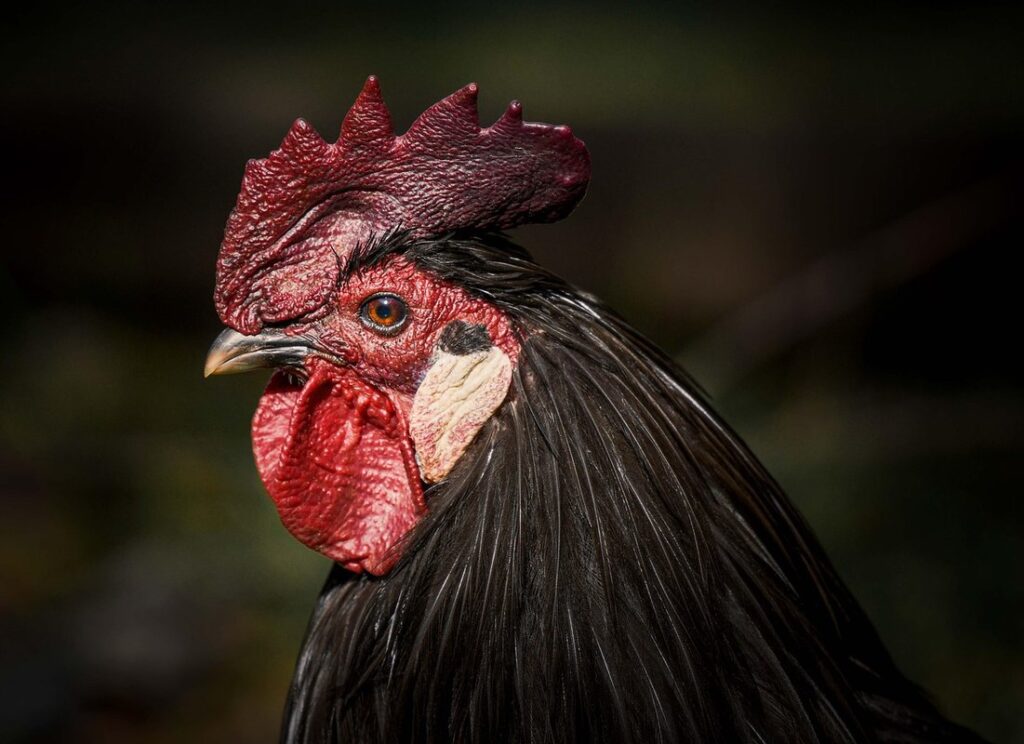
Introduction to Silkie Roosters
If you’re new to raising Silkie roosters, let’s start with the basics and explore what makes these charming birds so unique and lovable. They have a special place in many backyard flocks around the world.
What are Silkie Roosters?
Silkie roosters are a unique and fascinating breed of chicken that has captured the hearts of many backyard flock owners. With their fluffy, soft feathers and gentle nature, it’s no wonder why they’ve become so popular in recent years. But where did this enchanting breed come from?
The Silkie rooster originated in China over 1,000 years ago, where they were highly prized for their distinctive appearance and friendly demeanor. The breed was often given as gifts to royalty and nobility, solidifying its reputation as a symbol of luxury and sophistication.
Today, Silkies are known for their stunning plumage, which features soft, fluffy feathers that resemble silk (hence the name!). They come in a variety of colors, including black, white, blue, and buff, each with its own unique charm. But it’s not just their looks that make them special – Silkies are also renowned for their gentle nature, making them an ideal choice for families with children or for those who want a low-maintenance pet.
In fact, Silkies are often described as “lap chickens” due to their affectionate and docile personalities. They’re also relatively small in size, weighing around 2-3 pounds, which makes them perfect for backyard flocks or small farms.
Characteristics of Silkie Roosters
Silkies are known for their stunning appearance, and their roosters are no exception. One of the most distinctive characteristics of a Silkie rooster is its fluffy feathers. Unlike most other chicken breeds, Silkies have a unique trait where their feathers do not molt or shed like regular birds. This means that their feathers remain soft and fluffy throughout their lives, giving them an endearing and baby-like appearance.
In addition to their impressive plumage, Silkie roosters are also prized for their gentle nature. They are known to be docile and friendly, making them a great choice for backyard chicken keepers who want a low-maintenance and stress-free flock. However, it’s worth noting that Silkies can be shy around new people or environments, so they may require some time to warm up to strangers.
To care for your Silkie rooster, it’s essential to provide him with plenty of space and social interaction. Make sure his coop is well-ventilated and comfortable, and consider introducing him to other friendly chickens in the flock to help him feel more at ease.
Benefits of Keeping a Silkie Rooster
If you’re considering bringing a silkie rooster into your flock, it’s essential to weigh the pros and cons before making a decision. The benefits of having one as part of your family can be quite remarkable.
Reasons to Keep a Silkie Rooster for Egg Production
Many people think that roosters are only good for crowing and strutting their stuff, but the truth is, Silkies can be valuable contributors to your small farm or backyard flock. One of the main reasons you should consider keeping a Silkie rooster for egg production is their friendly nature. These birds are known for being docile and gentle, making them an excellent choice for families with children or for those who want to avoid dealing with aggressive birds.
In fact, Silkies are so laid-back that they often become the pets of the flock, following people around the yard and even enjoying a good cuddle session. Their calm demeanor also makes them easier to handle during egg collection, which is essential if you’re planning to use their eggs for consumption.
As for egg-laying, Silkie roosters can help increase your flock’s overall productivity. They may not be as prolific as hens, but they will still contribute a significant number of eggs to the mix. Plus, Silkies are known for being dual-purpose birds, meaning they can provide both meat and eggs, which is ideal for small farms or homesteads with limited space.
By keeping a Silkie rooster, you’ll not only have a friendly companion but also an additional source of fresh eggs. With proper care and management, your Silkie rooster will thrive and become a valuable member of your flock.
Personality Traits of Silkie Roosters
When it comes to personality traits, silkie roosters are often described as docile and gentle. This makes them an excellent choice for families with children or for those who want a low-maintenance pet that can still provide entertainment. Unlike other rooster breeds, silkies tend to be less aggressive and more tolerant of human interaction.
One key characteristic of silkie roosters is their friendly nature. They have been known to form close bonds with their owners and will often follow them around the yard or even into the house. With proper introduction and socialization, silkies can become quite tame and enjoy interacting with people.
Some owners have reported that their silkie roosters will even perch on their laps or shoulders, making for a unique and enjoyable experience. However, it’s essential to remember that every bird is different, and some may be more skittish than others. To help your silkie rooster become comfortable around you, try offering treats by hand and speaking calmly to help them associate your presence with positive experiences.
By embracing their gentle nature, you can create a wonderful bond with your silkie rooster, making it an excellent addition to any backyard flock or as a pet on its own.
Caring for Your Silkie Rooster
To keep your silky rooster happy and healthy, it’s essential to provide proper care and attention to their unique needs, which we’ll cover in this important section.
Housing Requirements for Silkie Roosters
When it comes to providing a comfortable and safe living space for your silkie rooster, housing is an essential aspect of their care. Silkies are social birds that thrive on interaction, so they require a spacious area where they can move around freely.
Ideally, silkies need about 2-3 square feet of floor space per bird, both inside and outside the coop. This means that for a single silkie rooster, you’ll want to have at least a 4×4 foot enclosure, which will give them ample room to stretch their wings and exercise.
When it comes to nesting boxes, silkies are known to be prolific brooders and can get quite attached to their nests. It’s essential to provide one or two separate nesting boxes for your silkie rooster, making sure they’re spacious enough for him to comfortably fit inside. A good rule of thumb is to have the box about 12 inches off the floor, with a soft bedding material like straw or hay.
Remember, silkies are naturally inclined to forage and explore their surroundings, so ensure that your coop has adequate ventilation and protection from predators. With the right housing setup, your silkie rooster will be happy, healthy, and thriving in no time!
Nutrition and Health Needs of Silkie Roosters
Silkies require a balanced diet that’s rich in nutrients to maintain their good health. A rooster’s dietary needs are different from those of hens, and Silkies are no exception. They need more protein than hens due to their rapid growth rate. Offer them a high-quality commercial feed as the main staple, supplemented with fruits, vegetables, and grains. Fresh fruits like apples, berries, and melons provide essential vitamins and minerals.
Some Silkies can be prone to certain health issues, such as obesity, heart problems, and respiratory infections. These conditions are often linked to poor diet or environmental factors. For instance, if your rooster is overweight, it may lead to heat stress, which can cause respiratory distress during hot weather. Monitor your Silkie’s weight closely and limit treats, especially high-calorie foods.
Silkies are also susceptible to diseases like Marek’s disease, a viral infection that affects the nervous system. Consult with a veterinarian or experienced breeder to determine the best course of action for vaccination and prevention. By providing proper nutrition and maintaining good health practices, you can help your Silkie rooster live a long and healthy life. Regular check-ups with a veterinarian will also help identify potential health issues early on.
Breeding and Raising Silkie Roosters
If you’re looking to add silkie roosters to your flock, learning how to breed and raise them is crucial for their health and well-being, so let’s dive into this essential process. This section will cover the specific needs of silkie roosters from breeding to raising young pullets.
Choosing the Right Breeder for Silkie Roosters
When choosing a reputable breeder for silkie roosters, it’s essential to do your research and be cautious of potential scams. Start by asking friends, family, or fellow chicken enthusiasts for recommendations on trusted breeders. You can also check online directories like the American Bantam Association or the Silkie Rooster Breed Club for a list of reputable breeders.
When selecting a breeder, look for birds with good conformation, a strong beak, and bright, alert eyes. Avoid breeders who claim their roosters are “hypo-tetrachromats” – this is a myth with no scientific basis. Be wary of breeders who charge significantly higher prices than average or those who require you to purchase multiple birds at once.
To ensure you’re buying from a reputable breeder, ask for health guarantees and veterinary records for the parents of the roosters you’re interested in. A good breeder will be transparent about the bird’s ancestry, temperament, and any potential health issues.
Tips for Raising Healthy Silkie Chicks
When you bring home newly hatched silkie chicks, it’s essential to provide them with a safe and healthy environment. A good brooder setup is crucial for their growth and development. Ensure the brooder is well-ventilated, as silkies are prone to respiratory issues. Use a heat source, such as a heat lamp or ceramic heat emitter, to maintain a temperature of around 90-95°F (32-35°C) for the first week.
Feed your chicks a starter feed specifically formulated for young poultry, and make sure they always have access to fresh water. As they grow, gradually introduce layer feed into their diet. Vaccination schedules vary depending on your location and local health regulations; consult with a veterinarian or experienced breeder to determine the best vaccination plan for your flock.
Some key things to keep in mind when raising silkie chicks include:
* Monitor temperature and humidity levels closely
* Provide adequate space for exercise and movement
* Keep an eye out for signs of disease, such as labored breathing or lethargy
By following these tips and providing the right environment, you can help your silkie chicks grow into healthy, thriving birds.
Health Considerations for Silkie Roosters
When it comes to owning a silkie rooster, it’s essential to consider their unique health needs, particularly due to their fluffy feathers and delicate nature.
Common Health Issues Affecting Silkie Roosters
Silkies are known for their beautiful, fluffy plumage and sweet dispositions, but they can be prone to certain health issues that owners should be aware of. Respiratory problems are a common issue affecting Silkie roosters due to their flat faces and short nasal passages. This can lead to breathing difficulties, especially in hot or humid environments.
Feather plucking disorders are another concern for Silkie rooster owners. Also known as feather pecking or self-mutilation, this behavior is often a result of stress, boredom, or nutritional deficiencies. If left unchecked, it can cause significant damage to the bird’s feathers and lead to infections. Regular health checks, a balanced diet, and plenty of space to move around can help prevent these issues.
Some signs of respiratory problems in Silkies include labored breathing, wheezing, or a lack of energy. Feather plucking disorders may manifest as missing feathers or bald patches on the bird’s body. If you notice any unusual behavior or physical changes in your Silkie rooster, consult with a veterinarian experienced in caring for poultry to rule out any underlying health issues.
Preventative Measures for Keeping Your Silkie Rooster Healthy
To keep your Silkie rooster healthy and thriving, it’s essential to take preventative measures against common health issues. First and foremost, maintain a clean living environment by regularly cleaning the coop and runs. Remove soiled bedding, droppings, and uneaten food to prevent the buildup of bacteria and parasites. A dirty living space can lead to respiratory problems, skin infections, and other diseases.
Regular veterinary check-ups are also crucial in identifying potential health issues early on. Schedule annual check-ups with a poultry-savvy veterinarian who can monitor your rooster’s overall health and detect any underlying conditions. Keep a close eye on your Silkie’s behavior, appetite, and egg production (yes, even roosters can produce some soft-shelled or abnormal eggs!). Consult with a veterinarian if you notice any changes in their health.
In addition to these measures, make sure to provide a balanced diet rich in nutrients, vitamins, and minerals. A well-fed Silkie is more likely to resist illnesses and infections. Also, ensure they have access to fresh water at all times. By following these simple yet effective preventative measures, you can significantly reduce the risk of common health issues in your beloved Silkie rooster.
Showing and Selling Your Silkie Rooster
When you’re ready to show off your silkie rooster’s unique charm, consider participating in a breed show or selling him to another enthusiast. Here are some tips for successfully showing and selling your prized rooster.
Preparing Your Silkie Rooster for Show
Before taking your silkie rooster to its first exhibition show, it’s essential to prepare it thoroughly. Familiarize yourself with the breed standard for silkie roosters, which can be obtained from reputable poultry associations such as the American Bantam Association (ABA) or the American Poultry Association (APA). Understand the key characteristics that judges will look for, including plumage quality, size, and overall structure.
When presenting your silkie rooster at a show, remember to keep its feathers clean and well-groomed. Use a soft-bristled brush to gently remove any debris or tangles from its beautiful silk-like plumage. Make sure the rooster is properly weighted and sized according to breed standards – excessive weight can lead to health issues.
To ensure your silkie rooster stands out in the show ring, focus on its overall demeanor and temperament. A calm and confident bird will make a more impressive impression than one that’s aggressive or skittish. Practice handling your rooster regularly to help it become accustomed to being handled by strangers and exposed to new environments.
Tips for Selling Your Silkie Rooster
When it’s time to sell your Silkie rooster, you’ll want to make sure you’re getting the best price possible. Pricing can be tricky, as it depends on several factors such as the bird’s age, quality of plumage, and temperament.
To determine a fair market value for your Silkie rooster, research local breeders and look at prices for similar birds in your area. Consider listing your rooster on reputable online marketplaces like Craigslist or Facebook Marketplace to reach potential buyers. You can also join local poultry clubs or attend shows to network with other breeders.
To build a customer base, create a profile of your Silkie rooster highlighting its unique characteristics and features. Use clear photos and detailed descriptions to showcase the bird’s appearance, size, and temperament. Be prepared to provide documentation such as breeding records and health certificates to potential buyers.
Frequently Asked Questions
Can I keep a silkie rooster alone or do they require a flock?
Silkie roosters are social birds that thrive in the company of other chickens, so it’s recommended to keep them with at least one or two hens. Alone, they can become bored and develop behavioral issues like feather plucking.
How often should I clean my silkie rooster’s living space?
Due to their delicate nature, silkie roosters are prone to respiratory problems if their environment isn’t kept clean. You’ll need to clean their coop regularly, ideally every 1-2 weeks, depending on the size of your flock and how much space they have to move around.
Can I raise silkie roosters in a small backyard or do I need a lot of land?
While silkie roosters require more attention than some other breeds, they don’t necessarily need large amounts of space. A small backyard with adequate housing and plenty of fresh air will suffice, as long as you’re committed to providing regular exercise and mental stimulation.
What’s the best way to introduce a new silkie rooster to an existing flock?
When introducing a new silkie rooster to your flock, do it slowly and under close supervision. Start by keeping them separate and allowing them to get used to each other’s scents before gradually increasing face-to-face interactions.
How can I tell if my silkie rooster is healthy or if there are any underlying issues?
Regularly check for signs of illness like changes in appetite, droopy wings, or labored breathing. Also, keep an eye on their egg-laying habits (if applicable) and overall demeanor to catch potential problems early on.