
If you’re one of the many backyard chicken enthusiasts who’ve fallen head over heels for Silkie chickens, chances are you’ve noticed their eggs come in an array of colors. From pale blue-green to vibrant pink, these stunning hues can add a personal touch to your baking and cooking projects. But have you ever wondered about the genetics behind this unique egg coloration? In fact, Silkie chickens’ ability to lay colored eggs is due in part to their genetic makeup, which also affects their health and care requirements.
In this article, we’ll delve into the fascinating world of Silkie chicken egg colors, exploring their history, genetics, care, and common health issues. Whether you’re a seasoned chicken keeper or just starting your flock, understanding the secrets behind these colorful eggs will help you better care for your Silkie girls and make the most of their wonderful gifts. So let’s crack open the mystery surrounding Silkie chickens’ egg color and uncover the secrets within!
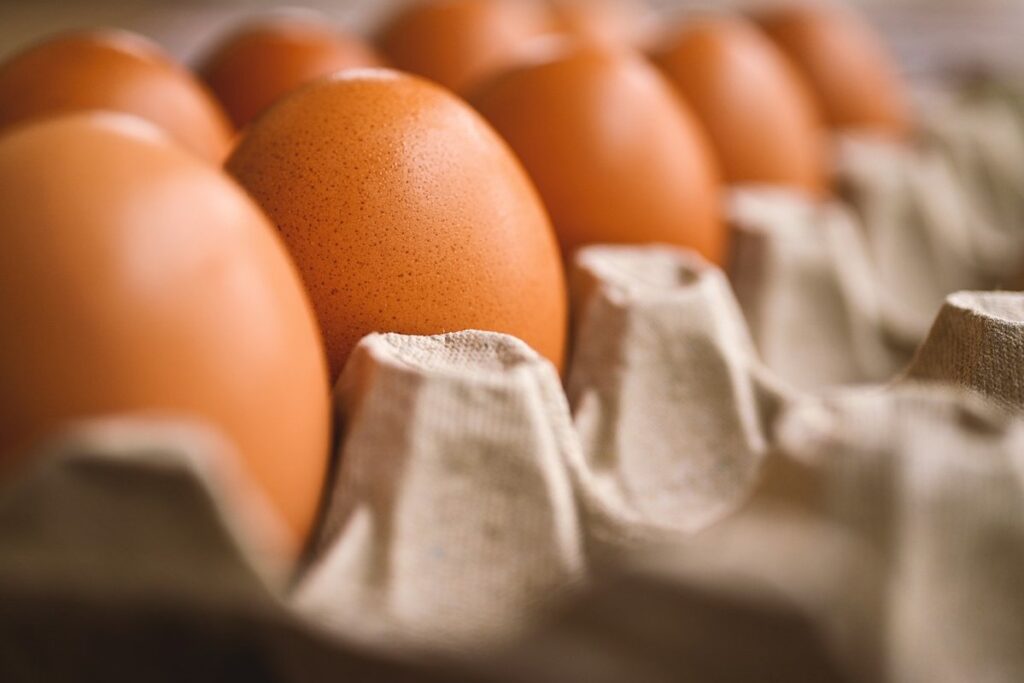
What Are Silkie Chickens and Why Do They Lay Different Colored Eggs?
You may be wondering, what makes Silkie chickens so special when it comes to their egg color, and how do they produce such a variety of hues. Let’s dive into that now!
History and Origin of Silkie Chickens
Silkie chickens have a rich and fascinating history that spans thousands of years. Their origins can be traced back to China, where they were highly prized for their unique appearance and soft, fluffy feathers. The breed is believed to have descended from the ancient Chinese Langshan chicken, which was brought to Europe in the late 19th century. Over time, Silkies were selectively bred for their desirable traits, including their tiny size, gentle nature, and distinctive plumage.
One of the key factors that contributed to the development of Silkie chickens is their ability to adapt to cold climates. In China, Silkies were often kept in temples and palaces, where they were valued for their warmth-producing qualities. Their fluffy feathers help to insulate them against the cold, making them well-suited to life in cooler temperatures.
Today, Silkies are enjoyed by chicken keepers around the world for their unique appearance and friendly demeanor. Despite their small size, they are also prized for their eggs, which come in a range of colors due to their genetic makeup.
Unique Characteristics of Silkie Chickens
Silkies have several distinct characteristics that set them apart from other breeds. One of their most striking features is their fluffy feathers, which are soft to the touch and resemble a rabbit’s fur. This unique plumage not only makes them visually appealing but also provides excellent insulation against cold temperatures.
Their friendly personalities are another hallmark of Silkies. Known for being docile and gentle, they make wonderful pets for families with children or for those who want a low-maintenance companion animal. In fact, many Silkie owners report that their birds will often follow them around the yard or even into the house, seeking attention.
Their calm nature also makes them an excellent choice for backyard chicken keepers who are new to raising chickens. With proper care and handling, Silkies can thrive in a variety of living situations, from small backyards to apartments with a suitable enclosure.
The Science Behind Egg Color: Understanding the Genetics
You’re curious about what makes silkie chickens’ eggs come in such a wide range of colors, and it all starts with some fascinating genetics. Let’s dive into the science behind their colorful eggs!
What Determines Eggshell Color?
When it comes to determining eggshell color in silkie chickens, genetics play a crucial role. You see, eggshell color is determined by the interaction of two genes: the brown pigment gene and the white pigment gene. The combination of these genes will result in one of several possible eggshell colors, from pure white to deep chocolate brown.
In silkie chickens specifically, we’ve observed that their unique genetic makeup tends to produce a range of pastel hues, including pale blue, lavender, and even peach. But what about the environmental influences? Believe it or not, factors such as diet and stress levels can also impact eggshell color. For example, a high-quality diet rich in beta-carotene will help to create vibrant, orange-toned eggs.
To encourage desirable eggshell colors in your silkie flock, consider incorporating foods that promote pigment production into their diet. Some examples include leafy greens like kale and spinach, as well as fruits like berries and oranges. Additionally, maintaining a stress-free environment can also support healthy pigmentation. By paying attention to both genetic and environmental factors, you’ll be well on your way to unlocking the secrets of your silkie’s eggshell color.
How Silkie Chickens Lay Different Colored Eggs
Silkies are renowned for their unique egg-laying abilities, producing eggs in an astonishing array of colors. So, what’s behind this remarkable phenomenon? It all comes down to genetics.
Here’s the fascinating part: Silkies have a specific genetic makeup that enables them to produce pigments responsible for different eggshell colors. These pigments, known as oocyanin and protoporphyrin, combine in various ways to create the distinctive hues we see. For instance, blue eggs owe their color to the presence of oocyanin, while pink or red hues result from a combination of both pigments.
Interestingly, Silkies can also lay green eggs due to an interaction between these pigments and other genetic factors. Brown eggs, on the other hand, are the result of a lack of pigment in the eggshell, allowing the natural brown color of the hen’s skin to show through.
To increase your chances of getting multicolored eggs from your Silkie flock, ensure they have access to a diverse range of forage and a balanced diet. Also, maintain a clean and healthy environment, as stress can negatively impact egg production. With proper care and attention, you’ll be enjoying an assortment of vibrant eggs in no time!
The Most Common Egg Colors Produced by Silkie Chickens
Silkie chickens are known for their unique egg color, and today we’re diving into the most common shades you can expect from these beautiful birds. From creamy whites to rich browns, let’s explore the egg color palette of Silkie chickens!
Blue-Green Eggs: A Result of Genetic Variation
Blue-green eggs are a striking phenomenon among Silkie chickens, and they owe their unique color to genetic variation. Specifically, it’s the result of a combination of genes that control the production of melanin, the pigment responsible for eggshell color.
Silkies with blue-green eggs often carry the “E” gene, which is associated with reduced eumelanin production. This leads to a bluish tint on the eggshell due to the scattering of shorter wavelengths of light. Additionally, some Silkies may inherit the “I” gene, which contributes to an enhanced greenish hue.
When both genes are present, they combine to produce eggs with a beautiful blue-green color. However, it’s worth noting that these genetics can be unpredictable, and the exact shade of blue-green will vary from bird to bird.
If you’re trying to breed Silkie chickens for their blue-green eggs, look for birds that exhibit the characteristic traits mentioned above. Consider working with multiple bloodlines or selecting individuals that show promise in this area.
Pink or Rose-Colored Eggs: A Rare but Beautiful Trait
Among all the wonderful egg colors produced by Silkie chickens, pink or rose-colored eggs are truly one of the most striking and sought-after varieties. However, it’s essential to note that these gorgeous eggs are extremely rare, making them a true treasure for chicken enthusiasts.
But what makes pink or rose-colored eggs so elusive? The production of these unique eggs is largely influenced by genetics. Silkie chickens that have a specific genetic combination, often inherited from their parents, will be more likely to lay pink or rose-colored eggs. This means that breeders who want to produce pink egg-layers need to carefully select and breed their birds to achieve this desirable trait.
Despite the rarity of pink egg layers, many breeders believe it’s worth the effort. Not only do these eggs add a touch of elegance to any kitchen, but they also represent the unique beauty of Silkie chickens. If you’re interested in raising your own Silkie chicken flock and potentially producing pink or rose-colored eggs, be prepared for a long-term breeding program that requires patience, dedication, and a keen eye for genetics. With careful selection and breeding, you might just be able to hatch a pink egg-layer and add this rare treasure to your flock.
Tips for Raising Silkie Chickens for Egg Laying
Raising silkie chickens for egg laying requires a delicate balance of care and attention, which we’ll explore in detail below to help you optimize their productivity. By following these simple tips, you’ll be well on your way to a bountiful harvest of eggs.
Providing a Nutrient-Rich Diet for Optimal Egg Color
When it comes to raising Silkie chickens for egg laying, providing a nutrient-rich diet is essential not only for their overall health but also for optimal egg color. A balanced diet that includes a mix of protein, vitamins, and minerals will help support the production of vibrant eggs.
Aim to include a variety of fruits, vegetables, and whole grains in your Silkie’s diet. Leafy greens like kale and spinach are rich in antioxidants, which can enhance the pigment intensity of their eggs. Fresh berries such as blueberries and strawberries are also high in anthocyanins, powerful antioxidants that can produce deep red or purple hues.
In addition to fruits and veggies, ensure access to calcium-rich foods like oyster shells, crushed eggshells, or dark leafy greens like collard greens. These will help fortify their bones and promote strong eggshell development. A well-planned diet will also support the production of lutein and zeaxanthin, carotenoids responsible for the yellow pigment in eggs.
By incorporating these nutrient-rich foods into your Silkie’s diet, you’ll be supporting their overall health and helping to bring out the full color potential of their eggs.
Creating a Stress-Free Environment for Your Silkies
Creating a stress-free environment for your Silkies is crucial to maintaining their overall health and well-being. A happy Silkie will lay eggs consistently, but one that’s stressed will struggle to produce at all. Proper housing plays a significant role in reducing stress levels. Ensure the coop has adequate ventilation, as Silkies are prone to respiratory issues due to their flat faces. Provide enough space for each bird to move around comfortably – the recommended minimum is 3-4 square feet per bird.
Lighting also impacts your Silkie’s mood and behavior. Consider natural light from a sunny spot or install supplemental lighting to ensure they get at least 14 hours of daylight. Socialization is equally important; Silkies are social birds that thrive on interaction. Spend time with them daily, handle them gently, and introduce them to other friendly chickens to create a stress-free environment.
By prioritizing your Silkie’s housing, lighting, and social needs, you’ll set them up for success in laying eggs consistently. With proper care, they can produce those gorgeous, unique-colored eggs we all adore.
Common Health Issues in Silkie Chickens and How to Prevent Them
As you’ve learned about the unique characteristics of Silkie chickens, it’s essential to understand the common health issues they can face and take preventative measures to keep them healthy. Here are some key concerns to be aware of.
Respiratory Problems: A Common Issue in Silkie Chickens
Silkies are known for their fluffy coats and gentle nature, but they can be prone to certain health issues that affect their respiratory system. One common problem is sinusitis, which occurs when the sinuses become infected. This can lead to symptoms such as coughing, sneezing, and difficulty breathing.
Another issue Silkies may face is tracheal collapse, where the windpipe collapses under its own weight. This can cause sudden and severe respiratory distress, making it essential for owners to recognize the warning signs early on. To prevent these problems, keep your Silkie’s living area clean and free of dust, which can exacerbate sinus issues.
Regular vaccinations and a balanced diet can also help boost their immune system. In addition, make sure they have plenty of fresh air and space to move around. This will reduce the likelihood of respiratory complications.
Managing Mites and Other External Parasites
Silkies are notoriously susceptible to external parasites like mites, lice, and fleas, which can not only cause discomfort but also lead to serious health issues if left unchecked. As a Silkie owner, it’s essential to be vigilant about monitoring your flock for signs of infestation.
One common sign of mite infestation is a pungent odor emanating from the coop or hen house, often accompanied by excessive dusting behavior in the affected birds. Lice and fleas can cause visible scratching, feather plucking, and even anemia due to blood loss. Regular inspections are crucial to catching these issues early on.
To manage external parasites effectively, establish a regular cleaning routine for your coop, including scrubbing with a mild detergent, vacuuming, and disinfecting all surfaces. Dust mites can be controlled by using diatomaceous earth or silica gel, which dehydrate the pests. Consult a veterinarian for advice on treating lice and fleas, as well as implementing preventative measures such as medicated powders or sprays.
By staying proactive about parasite management, you’ll not only ensure your Silkies’ overall health but also maintain their remarkable egg-laying abilities – and discover the full range of those captivating colors we’re so fascinated by!
Conclusion: Celebrating the Unique Beauty of Silkie Chickens
Now that we’ve explored the fascinating world of Silkie chicken egg color, let’s celebrate these lovable birds in all their fluffy glory. It’s time to wrap up our journey with a heartwarming tribute!
Recap of Key Takeaways
As you embark on your Silkie chicken-keeping journey, let’s recap the key takeaways from our exploration of their unique egg color.
First and foremost, it’s essential to understand that Silkies are a breed known for their stunning, soft feathers but also for producing eggs with a range of colors. The most common egg color produced by Silkies is white or cream, but they can also lay blue, green, pink, and even black eggs in some cases.
To increase the chances of hatching healthy chicks from your Silkie eggs, it’s crucial to provide them with a balanced diet rich in calcium, protein, and essential vitamins. A well-planned feeding regimen will help ensure that your birds’ reproductive health is optimal, resulting in more frequent egg laying and better fertility rates.
Another significant factor influencing the color of Silkie eggs is genetics. When selecting breeding stock, look for individuals with desirable traits such as consistent egg color, size, and quality. It’s also essential to understand the genetic principles behind egg color inheritance, allowing you to make informed decisions when crossing breeds or selecting individual birds for your flock.
Lastly, don’t forget that Silkies are a delicate breed, requiring special care and attention to thrive. Regular health checks, proper ventilation, and adequate space will contribute to maintaining their overall well-being and promoting healthy egg production.
By implementing these key takeaways, you’ll be well on your way to raising happy, healthy Silkies that produce beautiful eggs with stunning color variations. Happy chicken keeping!
Frequently Asked Questions
Can I breed Silkie chickens to produce more colored eggs?
Yes, you can breed Silkies to enhance their egg coloration by selecting individuals that lay desirable colors. However, keep in mind that this process requires careful selection and breeding to avoid reducing the overall genetic diversity of your flock.
How do I identify potential health issues in my Silkie flock based on their egg color?
While there’s no direct correlation between egg color and health, certain color variations can indicate underlying health issues. For instance, pale or washed-out eggs may suggest a nutrient deficiency or liver problem. Regularly monitor your chickens’ overall health and adjust their diet accordingly.
Can Silkies lay colored eggs if they’re not fed a special diet?
Silkies will still lay colored eggs even without a specialized diet. The genetic makeup of the breed is responsible for egg color, not dietary supplements. However, providing a nutrient-rich diet can promote optimal health and egg quality.
How do I manage mites and other external parasites that can affect Silkie chickens’ egg production?
Regularly check your flock for signs of parasitic infestations, such as excessive scratching or molting. Use organic or chemical methods to control mite populations, taking care to follow manufacturer instructions and ensure the health of your chickens.
Can I hatch colored eggs from other breeds to produce Silkies with unique egg colors?
No, hatching colored eggs from another breed won’t result in a Silkie chick with the same genetic characteristics. To achieve unique egg coloration in Silkies, you must select for this trait within the breed itself through careful breeding practices.