
If you’re considering adding some personality to your backyard with chickens, look no further than the Silkie and Frizzle breeds. These charming birds have won hearts around the world with their unique appearances and delightful personalities. But beyond their irresistible charm, it’s essential to understand what makes them special – from their history to their specific care requirements. As a beginner or seasoned chicken keeper, you’ll want to know how to give these lovable birds the best chance at a happy, healthy life. This comprehensive guide will take you on a journey through the Silkie and Frizzle experience, covering everything from their origins and characteristics to their health considerations and tips for successful care. Get ready to learn the ins and outs of raising these special chickens.
Introduction to Silkie and Frizzle
Let’s get started on understanding the basics of these two unique breeds. In this section, we’ll cover the characteristics that make Silkies and Frizzles stand out from other chickens.
What are Silkie and Frizzle Chickens?
If you’re new to the world of poultry keeping, you might be wondering what Silkie and Frizzle chickens are all about. These two unique breeds have been gaining popularity in recent years due to their lovable appearance and charming personalities.
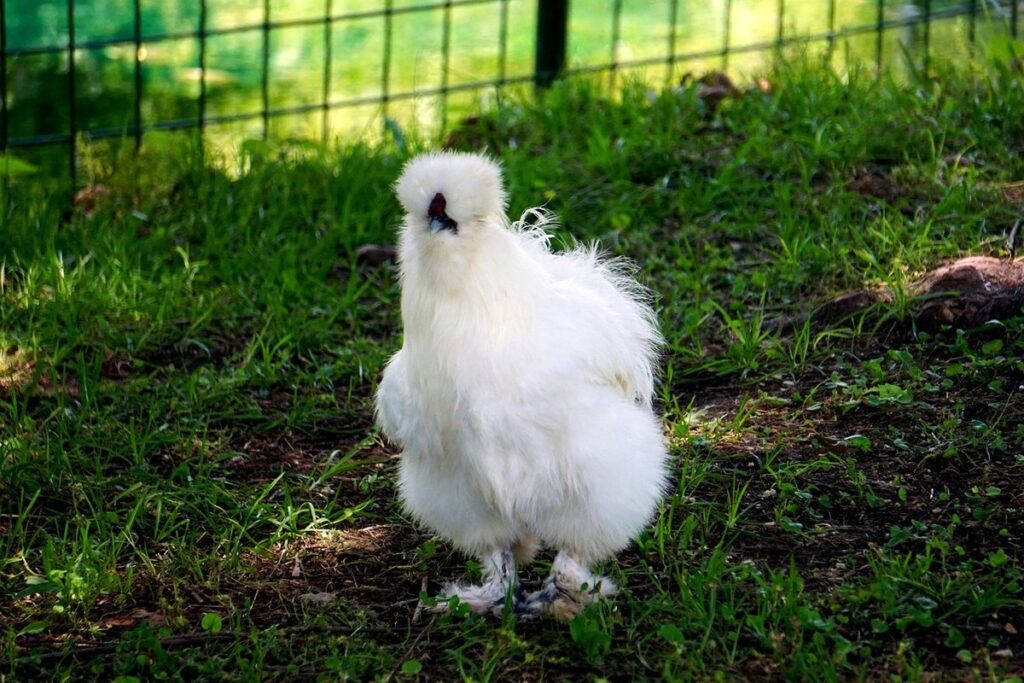
Silkies, as their name suggests, have a fluffy, soft plumage that resembles silk. Their feathers are often described as “hairy” due to their unique texture and growth pattern. Frizzles, on the other hand, have a more extreme version of this trait, with feathers that grow in every direction, giving them a delightfully unruly appearance.
But what’s behind these breeds’ origins? Silkies date back to ancient China, where they were prized for their beauty and gentle nature. Frizzles are believed to be a result of natural genetic mutations within the Silkie breed. Today, both breeds are enjoyed by chicken enthusiasts worldwide due to their laid-back demeanor and adaptability.
In fact, many backyard chicken keepers have fallen in love with Silkies and Frizzles for their affectionate nature and ease of care – they make perfect pets for families or individuals new to poultry keeping!
History and Origins
Silkie chickens have been around for thousands of years, with evidence suggesting that they originated from China. The breed was highly prized for its unique appearance and fluffy feathers. In fact, the silkie’s distinctive look was so unusual that it was often considered a novelty, and only royalty were allowed to keep them as pets.
As for Frizzle chickens, their history is less clear-cut. However, it’s believed that they originated in England during the 16th century, where they were bred specifically for their curly feathers. The Frizzle breed became popular among backyard chicken keepers due to its low-maintenance nature and ability to thrive in small spaces.
Interestingly, both breeds were initially developed as ornamental birds rather than for egg-laying purposes. This is evident from the fact that silkies are known for their poor egg-laying abilities, while Frizzles produce relatively few eggs.
Characteristics of Silkie and Frizzle Chickens
One of the most distinctive features of silkie and frizzle chickens is their unique, endearing physical characteristics that set them apart from other breeds. Let’s take a closer look at these special traits!
Physical Characteristics
Silkie and Frizzle chickens are easily recognizable by their unique physical characteristics. One of the most distinctive features of these breeds is their feathers. Silkie chickens have fluffy, soft feathers that resemble fur, while Frizzle chickens have tightly curled, twisted feathers that give them a “frizzy” appearance. The texture and shape of these feathers make them appear larger than they actually are.
In terms of beak shape, Silkie chickens tend to have smaller beaks with a more rounded tip, while Frizzle chickens typically have a slightly longer beak with a straighter edge. The beak shape is not only visually striking but also serves a practical purpose – it helps the chicken gather and eat food efficiently.
When it comes to body size, both Silkie and Frizzle breeds are considered small to medium-sized, weighing between 2-4 pounds (0.9-1.8 kg) on average. Despite their compact size, these chickens have a sturdy build and can hold their own in terms of egg-laying ability.
These physical characteristics are not only visually appealing but also contribute to the overall hardiness and adaptability of Silkie and Frizzle chickens.
Temperament and Behavior
Silkies and Frizzles are known for their gentle and affectionate nature. They make excellent pets for families with children due to their docile temperament. These breeds are highly social and thrive on human interaction, often following their owners around the coop or even into the house. When it comes to interacting with other animals, Silkies can be a bit territorial, but Frizzles tend to get along well with other chickens.
However, their unique characteristics also make them prone to certain health issues. Their fluffy feathers and loose skin can lead to heat stress during hot weather. Additionally, their curved beaks can make it difficult for them to eat and drink properly. It’s essential to provide a deep layer of bedding in their coop to help regulate their body temperature and ensure they have easy access to food and water.
When introducing Silkies or Frizzles to your flock, start by letting them get used to each other’s presence through visual introductions. Once you’ve established a comfortable environment, supervise interactions closely to prevent any potential conflicts.
Caring for Silkie and Frizzle Chickens
When it comes to caring for your Silkie and Frizzle chickens, their fluffy coats require extra attention to prevent matting and tangling. Regular grooming is a must!
Housing and Environment
Silkies and frizzles require specific housing conditions to thrive. A well-designed coop is essential for their health and happiness. When it comes to coop design, consider the following: provide enough space for movement, about 4-5 square feet per bird inside the coop, and at least 8-10 square feet of outdoor space per bird in a secure enclosure.
Ventilation is also crucial; make sure your coop has adequate airflow by installing windows, vents, or using a mesh material on walls and floors. A temperature range of 40°F to 80°F (4°C to 27°C) is ideal for silkies and frizzles.
When it comes to humidity control, ensure good air circulation to prevent moisture buildup, which can lead to health issues like respiratory problems. Consider using a dehumidifier or ensuring proper drainage in the coop. For example, you can add a slight incline to the floor or use gravel to help water run off.
In terms of nesting boxes, silkies and frizzles require one box per 3-4 hens. Place them at least 2 feet off the ground to encourage easy access for the birds. Ensure the nesting boxes are well-lit, quiet, and draft-free to promote healthy laying habits.
Diet and Nutrition
When it comes to caring for Silkie and Frizzle chickens, their dietary needs are just as important as their living conditions. These breeds have unique nutritional requirements that differ from other chicken types.
A balanced diet is crucial to ensure they stay healthy and thrive. You can provide a mix of commercial layer feed or starter crumble supplemented with fresh fruits and vegetables. However, avoid overfeeding as Silkie chickens can be prone to obesity due to their compact body size. A good rule of thumb is to offer 1/4 cup of treats per pound of body weight per day.
In addition to their staple diet, Silkies require a rich source of protein to maintain their beautiful feathers and overall health. Dark leafy greens like kale, spinach, and collard greens are excellent sources of iron and calcium. Consider adding a small amount of flaxseed or fish oil to their feed for an omega-3 boost.
It’s also essential to provide fresh water at all times and consider setting up a shallow dish or birdbath with unchlorinated water for your Silkies and Frizzles to bathe in regularly, promoting healthy skin and feathers.
Health Considerations for Silkie and Frizzle Chickens
When it comes to raising Silkie and Frizzle chickens, it’s essential to consider their unique health needs, which can be affected by their fluffy feathers and delicate respiratory systems.
Common Health Issues
Silkie and frizzle chickens are known for their unique appearance and lovable personalities, but they also come with some specific health concerns that owners should be aware of. Respiratory problems are one of the most common issues affecting these breeds. Their flat faces and small beaks make it difficult for them to breathe, especially in hot or humid weather. This can lead to a range of symptoms including wheezing, coughing, and difficulty walking.
Another health concern is frostbite, which can occur when silkie feathers become wet and then freeze in cold temperatures. Owners should take precautions during the winter months by providing a warm and dry coop for their chickens. Eye problems are also common among silkies and frizzles due to their protruding eyes, making them more susceptible to irritation and infection.
Regular check-ups with a veterinarian can help identify any potential health issues early on. Keeping your coop clean, providing adequate ventilation, and giving your chickens plenty of fresh air and exercise can all contribute to maintaining good overall health. With the right care and attention, many common health problems can be prevented or managed effectively.
Preventative Care
When it comes to keeping your silkie or frizzle chicken healthy and thriving, preventative care is key. Regular check-ups with a veterinarian are essential to monitor your bird’s overall health and catch any potential issues early on.
A yearly vaccination schedule should be followed for both silkie and frizzle chickens, which typically includes vaccinations against Newcastle disease, infectious bronchitis, and Marek’s disease. However, it’s crucial to consult with a veterinarian to determine the best vaccination plan for your flock based on factors such as location, climate, and individual bird health.
Parasite control is also vital in maintaining your silkie or frizzle chicken’s overall health. Regularly inspect your birds’ droppings for signs of worms or other parasites, and use preventative measures like medicated feed or deworming treatments as necessary.
Make sure to establish a relationship with a veterinarian who has experience caring for poultry, so you can trust their guidance on the best care for your silkie or frizzle chicken. By staying on top of vaccinations and parasite control, you’ll be well-equipped to prevent illnesses and ensure your birds live long, happy lives.
Breeding and Raising Silkie and Frizzle Chickens
Raising silkie and frizzle chickens requires attention to detail, especially when it comes to breeding and hatching healthy chicks. This section will guide you through the process of successfully breeding these unique birds.
Breeding Programs
Breeding silkie and frizzle chickens requires careful planning and attention to detail. To start a successful breeding program, you’ll need to select high-quality breeding stock that exhibits the desired traits, such as silky or frizzled feathers, friendly temperament, and good egg-laying abilities.
When selecting breeding stock, look for birds with excellent conformation, sturdy legs, and well-developed muscling. It’s essential to prioritize genetic diversity to avoid inbreeding and maintain the health and vigor of your flock. Consider breeding from multiple bloodlines or using a stud service to introduce new genetics into your program.
To create a breeding program, you’ll need to establish a clear plan for selecting breeding pairs, monitoring egg production, and tracking the growth and development of your chicks. This will help ensure that you’re producing high-quality birds with desirable traits. It’s also crucial to keep accurate records of your breeding program, including pedigrees, fertility rates, and hatchability.
Maintaining genetic diversity is essential in a silkie or frizzle chicken breeding program. One way to achieve this is by rotating your breeding stock seasonally or using artificial insemination (AI) with frozen semen from reputable breeders.
Tips for Raising Chicks
Raising chicks is an exciting part of the Silkie and Frizzle chicken-keeping journey. From hatching to maturity, proper care and handling are crucial for their development into healthy, happy adults. When it comes to caring for new chicks, make sure their brooder is draft-free and kept at a comfortable temperature between 90°F to 100°F (32°C to 38°C). A good rule of thumb is to provide about 1/4 inch of space per chick.
To handle your chicks gently, remember they are fragile and can be easily injured. Handle them by supporting their body and wings instead of just picking them up by the legs or tail. This will also help prevent stressing them out. For nutrition, a high-quality starter feed is essential for the first 6-8 weeks. Then, gradually switch to grower feed until they’re about 16-18 weeks old.
It’s also important to ensure your chicks have access to fresh water and a balanced diet of calcium-rich foods like crushed oyster shells or cuttlebone. Provide a shallow dish for them to bathe in, as Silkie and Frizzle chickens are prone to wetting their feathers. Regularly cleaning the brooder will help prevent health issues and keep your chicks comfortable.
Advantages of Keeping Silkie and Frizzle Chickens
Let’s explore the numerous benefits of bringing these charming birds into your life, from their unique personalities to their low-maintenance care.
Unique Characteristics
Silkies and Frizzles are often described as “lap chickens” due to their extremely docile nature. They make excellent pets for families with children or for individuals who want a low-maintenance yet affectionate companion. These breeds are not only gentle but also relatively small in size, which makes them perfect for backyard flocks.
One of the most notable characteristics of Silkies and Frizzles is their ability to adapt to different climates. They have a unique feathering system that allows them to regulate their body temperature effectively, making them suitable for cold or hot weather conditions. In fact, many breeders have successfully raised these chickens in extreme temperatures, from -20°C to 40°C.
In terms of maintenance, Silkies and Frizzles are relatively low-maintenance compared to other breeds. They require less space, food, and care, making them ideal for small farms or urban areas with limited space. Additionally, their gentle nature means they are less likely to cause damage to property or exhibit aggressive behavior when handled.
These unique characteristics make Silkies and Frizzles an excellent choice for anyone looking to keep chickens as pets or for egg production.
Entertainment Value
One of the most delightful aspects of keeping Silkie and Frizzle chickens is their ability to provide endless entertainment value. These charming birds are naturally inclined to free-range and forage, making them a joy to watch as they explore their surroundings. Imagine being able to step out into your backyard and witness these fluffy friends pecking at bugs, scratching in the dirt, or chasing after leaves – it’s a surefire way to brighten up even the gloomiest of days.
Their tendency to engage in natural behaviors also means that you’ll be treated to a constant stream of antics, from comical courtship displays to hilarious attempts at flying (more like wobbling in mid-air!). Silkie and Frizzle chickens are social creatures, so expect them to gather around you when you visit their coop or run, clucking and chirping for attention. By letting them roam freely and encouraging their natural behaviors, you’ll be rewarded with hours of entertainment and a deeper connection with these lovable birds.
To maximize the entertainment value of your Silkie and Frizzle flock, try creating a “chicken playground” in your backyard by incorporating elements like rocks, logs, and shrubs. This will provide them with plenty of opportunities to exercise, forage, and engage in natural behaviors – all while keeping you laughing and entertained!
Frequently Asked Questions
Can I keep Silkie and Frizzle chickens as pets, or are they solely for egg production?
Yes, both Silkie and Frizzle breeds can make wonderful pets due to their gentle nature and affectionate personalities. While they will produce eggs, their primary value lies in their companionship and entertainment. With proper care, these birds can thrive in small backyards or even urban environments.
How do I provide the right environment for my Silkie and Frizzle chickens?
To keep your Silkies and Frizzles happy and healthy, ensure their coop is draft-free, dry, and well-ventilated. Provide enough space for them to move around (at least 2-3 square feet per bird) and consider adding a dust bath area to help with skin health. Also, remember that these breeds can be prone to heat stress, so keep an eye on temperature fluctuations.
What are some common health issues I should watch out for in my Silkie and Frizzle flock?
Silkies are more susceptible to Marek’s disease due to their genetic makeup. Frizzles may experience feather plucking or related skin conditions if they don’t receive proper care. Regular check-ups with a poultry-savvy veterinarian can help identify these issues early on, ensuring your flock stays healthy.
Can I breed my Silkie and Frizzle chickens myself, or is it best to seek professional help?
Breeding Silkies and Frizzles requires knowledge of genetics, reproduction biology, and specific care requirements. Unless you have extensive experience in poultry breeding, it’s recommended to work with reputable breeders or join a breeding program to ensure the health and quality of your flock.
How long does it take for my Silkie and Frizzle chicks to mature, and what should I expect from their growth?
Silkies typically take around 16-18 weeks to reach full maturity, while Frizzles can take up to 20 weeks. During this period, monitor their diet, provide adequate space, and ensure proper care to support healthy growth. Be patient, as these breeds may grow at a slightly slower rate than other chicken varieties.