
Silkie hens are a unique and beloved addition to many backyard flocks, prized for their fluffy coats and charming personalities. But did you know that these gentle birds can lay eggs in a stunning array of colors? From soft pastels to vibrant hues, silkie hen eggs are truly one-of-a-kind. As any chicken keeper will tell you, egg color is not just a matter of aesthetics – it’s also an indicator of the hen’s overall health and nutrition. In this article, we’ll delve into the fascinating world of silkie hens and their egg-laying abilities, exploring the factors that influence egg color and providing guidance on how to optimize production for healthy, happy birds. Whether you’re a seasoned chicken expert or just starting out, you won’t want to miss this insider’s look at the amazing world of silkie hens!
The Origin of Silkie Chickens
Silkie chickens have a rich history, and understanding their origins can help you appreciate their unique characteristics, including their beautiful eggs. Let’s delve into where these lovable birds came from.
History of the Breed
The Silkie breed has a rich history that dates back to ancient China. It is believed that Silkies were first bred for their soft, fluffy feathers and unique appearance, which made them highly sought after as pets among royalty and nobility. In fact, Silkies were so prized in Chinese culture that they were often given as gifts to high-ranking officials.
Silkies were later introduced to Europe by Portuguese traders in the 13th century, where they quickly gained popularity for their ornamental value. However, it wasn’t until the 19th century that Silkies began to be bred specifically for their egg-laying abilities, which is when they started to develop into a distinct breed.
One of the unique characteristics that set Silkies apart from other breeds is their low-maintenance temperament. They are known for being friendly and docile, making them an excellent choice for backyard chicken keepers who want a stress-free flock. Despite their gentle nature, Silkies are also surprisingly prolific layers, producing an average of 120-140 eggs per year.
Importance of Breeding and Conservation Efforts
Breeding programs play a crucial role in maintaining the purity of the silkie breed, which is essential for preserving their unique characteristics and traits. Silkie chickens are known for their fluffy feathers and gentle nature, but they can be susceptible to cross-breeding with other breeds, leading to a loss of genetic diversity.
Conservation efforts are vital to ensure that the silkie breed remains healthy and vibrant. One way to achieve this is by implementing strict breeding standards and guidelines. Breeders should only breed silkies with other silkies to maintain their purity, rather than mixing them with other breeds. This approach helps to preserve the unique genetic traits of the silkie breed.
It’s also essential for breeders to prioritize conservation efforts, such as collecting and storing DNA samples from individual birds. This allows for the identification and preservation of rare or unique genetics that may be lost over time. By taking a proactive approach to breeding and conservation, we can help ensure the long-term health and diversity of the silkie breed, which in turn will help preserve their distinctive egg-laying abilities and characteristics.
Physical Characteristics and Egg Production
When it comes to Silkie hens, their physical characteristics play a significant role in determining egg color, so let’s dive into what makes them unique.
Silkie Chicken Body Type and Coat
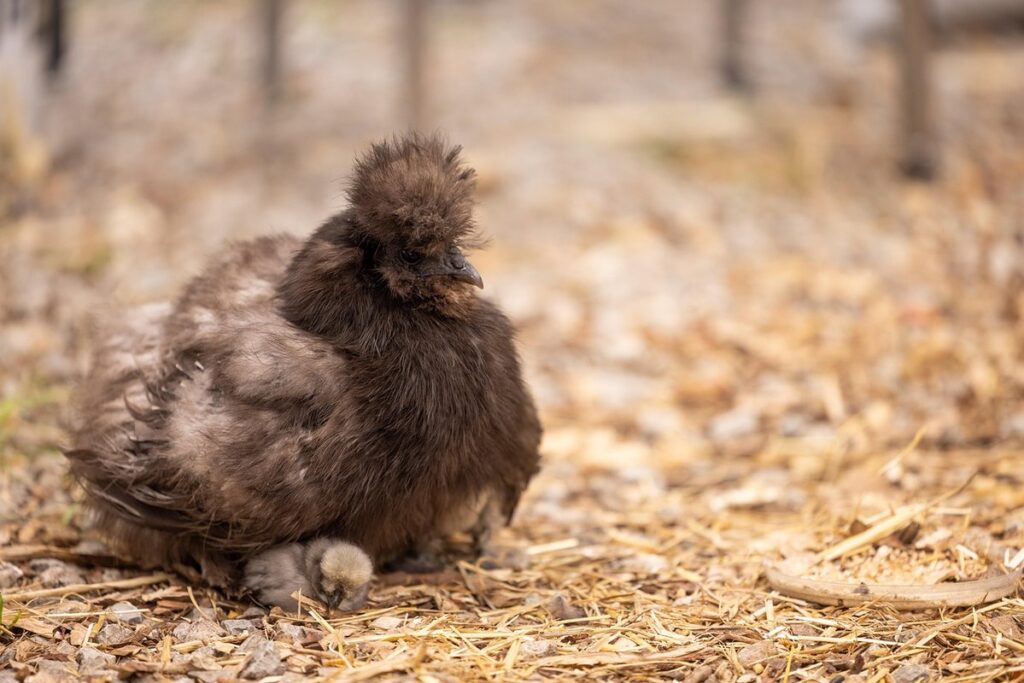
Silkies are renowned for their enchanting appearance, which is largely due to their unique body type and coat. One of the most distinctive features of silkies is their fluffy feathers, which cover their entire body, including their face, neck, and legs. This feathered face, known as a beard, and the flapping skin hanging from their chin, called wattles, give them an endearing, baby-like appearance.
However, this extraordinary coat also poses some health risks. Silkies are prone to respiratory issues due to their flat faces and compact bodies, which can cause breathing difficulties in hot or humid environments. Regular cleaning of their eyes and nostrils is essential to prevent infections.
Moreover, silkies’ loose feathers can make them more susceptible to frostbite in cold climates. Providing a draft-free coop and keeping an eye on the temperature during winter months can help mitigate this issue. Despite these potential health concerns, many breeders and owners find the charms of the silkie’s appearance well worth the extra care required.
Egg Laying Habits and Capacity
Silkies are known for their unique appearance and gentle nature, but did you know that they can also be quite prolific egg layers? On average, a silkie hen will lay around 120-150 eggs per year, although some breeds have been known to produce up to 200 eggs or more.
Factors such as diet and nutrition play a significant role in influencing an individual silkie’s egg-laying capacity. A balanced diet rich in calcium, protein, and other essential nutrients is crucial for maintaining healthy egg production. For example, supplementing with oyster shells or crushed eggshells can provide the necessary calcium boost to support strong eggshell formation.
Good management practices also contribute to a silkie hen’s overall productivity. Providing ample space, fresh air, and regular exercise can help reduce stress levels and promote optimal health. It’s essential to note that over-breeding or over-working your silkies can lead to decreased egg production and even affect their physical well-being. By prioritizing their welfare and providing the right conditions, you can encourage your silkie hens to reach their full egg-laying potential.
In addition, it’s also worth noting that silkies are a cold-hardy breed, making them suitable for backyard flocks in temperate climates. However, they may require some extra care during extreme weather conditions, such as providing additional heat or shelter when necessary.
By understanding and catering to your silkie hen’s specific needs and habits, you can enjoy an abundance of fresh eggs from these lovely birds.
Factors Influencing Silkie Egg Color
When it comes to silkie hens’ egg color, several key factors come into play that can affect the final result. Let’s take a closer look at these influencing elements together.
Genetics and Inheritance
Genetics play a significant role in determining eggshell color, with several genes contributing to the final result. The interaction of these genes and their combinations determine the dominant traits, such as black, white, and blue, while recessive traits like cream and lavender are expressed when a hen lacks certain dominant genes.
For example, if a silkie hen inherits one gene for black and one gene for white, her eggs will likely be brown. This is because the gene for black is dominant over the gene for white. On the other hand, if she inherits two genes for blue, her eggs will be blue. Understanding these inheritance patterns can help you predict eggshell color based on your silkie hen’s parents.
In practice, breeders often work with a variety of colors to create new ones through selective breeding. This involves choosing hens that exhibit desired traits and mating them with other birds to produce offspring with the intended characteristics. By controlling for dominant and recessive genes, breeders can increase their chances of producing eggs in specific colors.
Nutrition and Diet Effects on Egg Color
The relationship between a silkie hen’s diet and eggshell color is more complex than you might think. While genetics play a significant role in determining egg color, nutrition can also have a substantial impact on the final product.
For instance, adequate calcium intake is crucial for producing strong, well-colored eggs. If your hens are not getting enough calcium from their feed or supplements, it may result in pale or washed-out eggshells. Conversely, excessive calcium consumption can lead to overly dark or purple-tinged eggs.
Other essential nutrients like biotin and vitamin B12 also play a role in maintaining healthy eggshell color. A deficiency in these vitamins can cause issues with shell production, leading to weakened shells that may be more prone to cracking.
To optimize your silkie hens’ diet for optimal egg color, ensure they are receiving a balanced mix of calcium, biotin, and vitamin B12 through their feed or supplements. Also, consider adding foods rich in these nutrients, such as leafy greens like kale or spinach, to their daily meal plan.
Common Silkie Egg Colors and Patterns
Silkies are known for their beautiful egg colors, which can vary from light to dark and come in a range of patterns. Let’s take a closer look at these unique color options.
White Eggs
When it comes to egg color, Silkie hens are known for their ability to produce white eggs. But what makes these eggs so special? One of the most notable characteristics of white eggs laid by Silkies is their cleanliness and lack of pigmentation. Unlike brown or blue eggs, which get their color from various pigments in the hen’s diet, white eggs owe their hue to the complete absence of these pigments.
This means that Silkie hens don’t have to eat a specific diet to produce white eggs; they’re simply not producing any pigment at all. In fact, Silkies will often lay white eggs regardless of what they eat. This makes them an excellent choice for backyard chicken keepers who want to raise birds with minimal dietary restrictions.
One other unique feature of Silkie eggs is their texture and appearance. White eggs tend to be whiter than brown or blue eggs, and may have a slightly higher shell thickness due to the hen’s genetics. Of course, individual egg quality will vary depending on factors like nutrition and environment – but Silkies are generally known for producing clean, healthy eggs with robust shells.
As a Silkie owner, you can encourage your hens to produce high-quality white eggs by providing them with a balanced diet rich in calcium, as well as access to plenty of fresh water and exercise. With proper care, your Silkies will reward you with an abundance of fresh, white eggs all year round.
Brown Eggs
When it comes to Silkie hens, brown eggs are one of the most common and sought-after colors. But have you ever wondered what makes their eggshells turn that rich, earthy hue? The answer lies in a combination of physical and chemical properties.
Pigmentation is the primary factor responsible for brown eggshell color. In particular, the presence of porphyrins – complex organic compounds containing iron – plays a crucial role. These pigments are produced by the hen’s metabolism and deposited into the shell membranes as it forms. The intensity of the brown color depends on the concentration of these molecules, which can vary among individual hens.
Interestingly, genetics also come into play when determining the shade of brown. While some Silkies may produce light beige or pale tan eggs, others may lay darker chocolate-brown ones. Environment, nutrition, and health also influence eggshell color, but pigmentation is the underlying factor that gives brown eggs their distinct appearance.
Blue-Green or Speckled Eggs
When it comes to Silkie hens, one of the most unique and fascinating eggshell colors is blue-green or speckled. But have you ever wondered what causes these beautiful patterns? The truth is, genetic mechanisms are at play here.
It’s a complex interplay between multiple genes that determine the color and pattern of an eggshell. In the case of blue-green eggs, it’s often the result of a specific gene combination that affects the production of porphyrins, pigments responsible for red, orange, and yellow colors in eggs. However, when these pigments are broken down or altered, they can create a range of shades from pale blue to green.
Speckled eggs, on the other hand, owe their unique appearance to tiny deposits of pigment that scatter light as it passes through the eggshell. These specks can be scattered randomly or form patterns depending on the individual hen’s genetics. To increase your chances of hatching blue-green or speckled eggs from your Silkie flock, consider selecting breeding pairs with a history of producing these colors and focusing on genetic diversity within your flock.
Health Considerations and Care Tips
When caring for silkie hens, it’s essential to be aware of their unique health needs and provide special attention to prevent common issues. This can help ensure your girls thrive and stay happy in their coop.
Common Health Issues Affecting Silkie Egg Color
When it comes to silkie hens and their egg color, health issues can significantly impact not only the quantity but also the quality of eggs produced. Metabolic disorders, for instance, are a common concern among silkie breeds. As these birds are prone to obesity due to their compact bodies and love for food, they can easily become susceptible to conditions like fatty liver syndrome or hyperlipidemia. These issues can cause yolk abnormalities, leading to eggs with unusual colors, shapes, or even internal defects.
Parasites like mites, lice, or worms can also compromise egg color and quality by draining the hen’s energy resources and compromising her overall health. Respiratory issues, which are prevalent among silkies due to their flat faces and short nasal passages, can further exacerbate these problems. Keeping your silkie hens’ environment clean, providing a balanced diet, and monitoring their health regularly can help prevent or identify these conditions early on. Regular vaccinations, as well as deworming and parasite control measures, are also essential for maintaining the overall health of your flock.
Nutrition and Hydration for Optimal Egg Production
When it comes to achieving optimal egg production in silkie hens, nutrition and hydration play a crucial role. A balanced diet rich in essential nutrients supports reproductive health, while adequate hydration ensures the hen’s overall well-being.
Silkie hens require a high-quality layer feed that meets their nutritional needs. Look for a feed formulated specifically for laying hens, with a mix of protein (16-18%), calcium, and other essential vitamins and minerals. Supplementing with oyster shells or crushed eggshells can also provide an extra boost of calcium, which is vital for strong eggshell production.
In addition to a nutritious diet, ensure your silkie hens have access to fresh, clean water at all times. A general rule of thumb is to provide one ounce of water per pound of body weight per day. You can also add a few drops of apple cider vinegar or electrolyte powder to the water to help maintain pH balance and support overall health.
Regularly monitor your silkie hens’ diet, ensuring they’re not overeating or under-eating. A well-balanced nutrition plan will help promote optimal egg production, as well as overall health and happiness in your feathered friends.
Frequently Asked Questions
Can I still get silkie eggs if my hen is not purebred?
Yes, many backyard chicken keepers successfully raise silkie crosses that produce beautiful eggs with unique colors and patterns. However, it’s essential to note that the egg-laying abilities and characteristics may vary depending on the parent breeds used in the cross.
How can I determine the genetic influence on my silkie hen’s egg color?
While breed and nutrition play significant roles in determining egg color, genetics also come into play. You can try crossing different silkie lines or keeping track of your hens’ family trees to see if you notice any patterns or consistencies in their egg-laying abilities.
What are some common health issues that affect silkie egg production?
Silkies are prone to a few health issues, such as respiratory problems and obesity, which can impact egg production. Providing regular exercise, maintaining a balanced diet, and ensuring adequate ventilation in your coop can help mitigate these risks.
Can I use supplements to enhance my silkie hen’s nutrition for better egg color?
While a well-balanced diet is crucial for healthy eggs, excessive supplementing may not necessarily result in improved egg color or production. Focus on providing a nutrient-rich layer feed and consider consulting with a veterinarian or poultry expert before adding any supplements.
How often should I expect my silkie hen to lay eggs, and what’s the average clutch size?
Silkies typically lay around 100-120 eggs per year, depending on factors like breed, nutrition, and individual bird characteristics. Clutch sizes may vary, but most silkies will aim for a moderate-sized brood of 3-5 eggs at a time.