
Silkie Polish chickens are undoubtedly one of the most charming breeds you’ll ever lay eyes on. With their fluffy, soft plumage and adorable little faces, it’s no wonder why many chicken enthusiasts fall head over heels for these lovable birds. But there’s more to Silkie Polish chickens than just their good looks – they also have a rich history and unique characteristics that make them stand out from other breeds.
If you’re thinking of adding a Silkie Polish chicken to your flock or simply want to learn more about this breed, we’ve got you covered. In this comprehensive guide, we’ll delve into the world of Silkie Polish chickens, covering their care requirements, breeding habits, and exhibiting tips. Whether you’re an experienced breeder or just starting out, our expert advice will help you navigate the world of these enchanting birds with confidence.
Introduction to Silkie Polish Chickens
Silkie Polish chickens are known for their stunning appearance and unique characteristics, making them a popular choice among backyard chicken enthusiasts. This section will introduce you to the basics of this fascinating breed.
What are Silkie Polish Chickens?
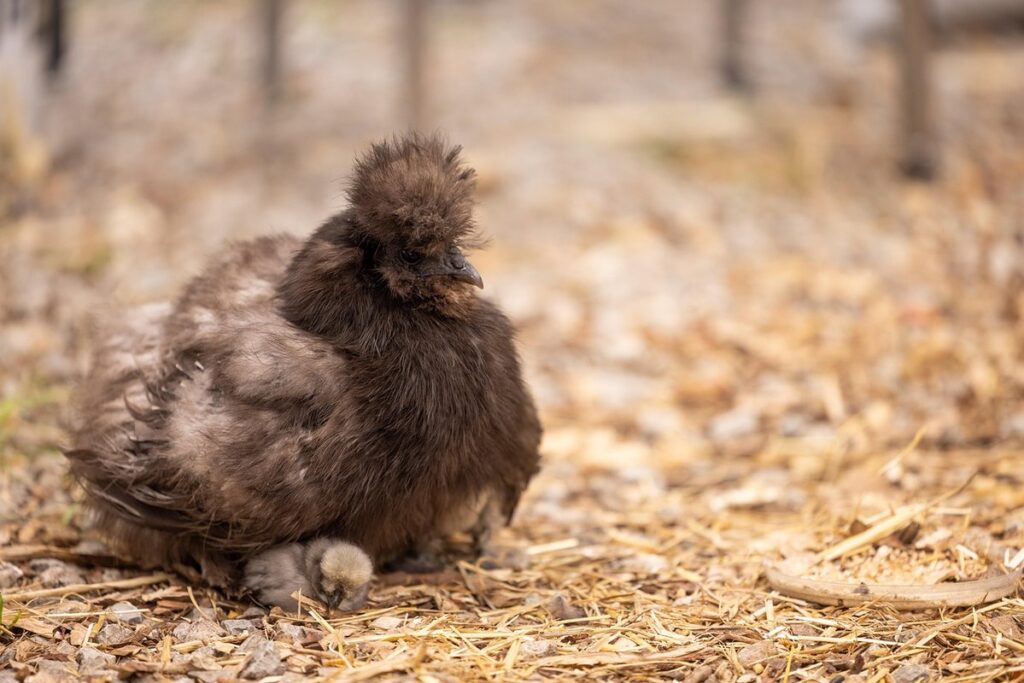
The Silkie Polish chicken is one of the most recognizable and beloved breeds in the world. Originating from China over 1,000 years ago, this breed has been prized for its stunning appearance and unique characteristics. The Silkie Polish is easily identifiable by its fluffy, soft plumage that resembles silk, hence its name.
One of the standout features of the Silkie Polish is their appearance. They have a crest on top of their head, which can be quite large and unruly if not properly groomed. Their feathers are also extremely soft to the touch, often described as “velvety” or “downy.” This unique plumage makes them look like they’re wearing a miniature cloak.
Silkie Polish chickens come in a variety of colors, including white, black, blue, and buff. They have a gentle disposition and make excellent pets for backyard chicken keepers who want to add some charm and personality to their flock. If you’re new to raising Silkie Polishes, be prepared for their strong attachment to their owners – they will often follow you around the yard in search of treats or attention.
Silkie Polish chickens are not just pretty faces, however; they also have a rich history and cultural significance in many parts of Asia. They were once considered a status symbol in China due to their rarity and beauty. Today, they remain a popular choice for chicken enthusiasts worldwide who appreciate their unique charm and affectionate nature.
History of Silkie Polish Chickens
The Silkie Polish chicken breed has a rich and fascinating history that spans over 600 years. Originating from Asia, specifically from the Yangtze River Delta region of China, these birds were highly prized for their unique appearance and gentle nature. The first recorded mention of Silkie Polishes dates back to the Ming dynasty (1368-1644), where they were known as “Laoxian” chickens.
During this time, Silkies were bred specifically for their beautiful plumage and were often given as gifts to royalty and nobility. In fact, it’s said that Emperor Qin Shi Huang, who ruled China during the Qin dynasty (221-206 BCE), was particularly fond of Silkies and had them raised on his imperial farms.
As trade routes expanded between Asia and Europe, Silkie Polishes were introduced to the Western world in the 16th century. They quickly gained popularity among chicken enthusiasts due to their stunning appearance and friendly demeanor. Today, Silkie Polish chickens are a beloved breed around the globe, cherished for their unique characteristics and endearing personalities.
Their rich history is a testament to the breed’s enduring appeal, and it’s no wonder that Silkie Polishes remain one of the most sought-after breeds among backyard chicken keepers and enthusiasts alike.
Physical Characteristics and Appearance
Silkie Polish chickens are known for their unique and stunning physical characteristics, which set them apart from other breeds. In this next part of our guide, we’ll take a closer look at what makes these birds so beautiful.
Coat and Feathers
One of the most distinctive and charming features of Silkie Polish chickens is their unique coat and feather patterns. These soft, fluffy birds have a thick undercoat that’s protected by a layer of longer, coarser feathers. The exact texture can be quite varied, with some Silkies having a more rugged, wavy coat while others are smooth to the touch.
In terms of colors, Silkies come in a range of hues including black, blue, buff, chocolate, lavender, red, silver-laced, and white. Some birds may have multiple colors or patterns on their feathers, adding an extra layer of visual interest. For example, you might see a Silkie with a golden-brown back and white underside, or one with a blue-gray body and white wing tips.
When it comes to feathering, Silkies are known for their “frizzy” appearance. Their feathers tend to grow in all directions, giving them a somewhat unruly look. This unique characteristic can make Silkies stand out in the coop – but be aware that they require more frequent cleaning due to their tendency to shed heavily.
Eyes and Beak Shape
One of the most distinctive features of Silkie Polish chickens is their unique eye shape and beak characteristics. Their eyes are large, round, and protruding, giving them a sweet and endearing expression. This characteristic is often described as “exotic” or “oriental,” which is fitting given the breed’s history as a prized companion bird in ancient Asia.
In terms of their beaks, Silkie Polish chickens have small, soft beaks that are usually black in color. These beaks are well-suited to their gentle and docile nature, as they don’t need to peck at hard food or withstand harsh weather conditions. In fact, Silkie Polishes are often described as “beak-less” due to the softness of their beaks.
When choosing a Silkie Polish chicken, look for eyes that are large, round, and well-placed on the face. Avoid chickens with sunken or deep-set eyes, as these can be a sign of underlying health issues. In terms of beak shape, opt for birds with small, soft beaks that are free from any signs of damage or deformity.
Body Type and Size
Silkies are known for their unique and endearing appearance, but one of the most distinctive features is their compact body type. These adorable birds typically weigh between 2.5 to 4 pounds (1.1 to 1.8 kg), with some individuals reaching a maximum weight of around 5 pounds (2.3 kg). When it comes to size, Silkies are generally smaller than other breeds of chickens.
One key characteristic of the Silkie’s body type is their loose, fluffy feathers that create a puffy appearance. This can sometimes make them appear larger than they actually are, which may be a pleasant surprise for new owners. However, as with any breed, it’s essential to note that individual variations can occur.
When selecting a Silkie, consider the ideal weight range and body proportions you prefer in your flock.
Temperament and Personality
When it comes to silkie polish chicken temperament, one of their most defining characteristics is their gentle nature. They make great family pets due to their affectionate personalities.
Friendly and Affectionate Nature
When it comes to temperament and personality, Silkie Polish chickens truly shine. One of their most endearing qualities is their friendly and affectionate nature, making them a popular choice for families with children. They have a gentle disposition, often described as “lap birds” due to their love of human interaction.
Silkies are known to form strong bonds with their owners, and they’re not picky about who gets attention – they’ll happily snuggle up on anyone’s lap. Their calm demeanor makes them an excellent choice for families with young children, as they’re less likely to get stressed or frightened by noise and commotion.
In fact, Silkies are often used in therapy programs due to their soothing presence. With proper socialization from a young age, these birds can become incredibly trusting and affectionate, even seeking out interaction with strangers. If you’re looking for a breed that will bring joy and companionship into your life, the Silkie Polish chicken is an excellent choice.
Trainability and Handling
When it comes to trainability and handling, Silkies are known for being one of the most docile breeds around. They’re often described as ” Velcro chickens” due to their tendency to follow their owners everywhere, which makes them a joy to handle and train.
One key aspect of training Silkies is patience. These birds can be stubborn at times, but it’s essential to remember that they’re intelligent and sensitive animals. Start by establishing trust and creating a positive association with handling and training sessions. Use treats, gentle voice commands, and rewards to encourage good behavior. Be gentle when picking them up or touching their feathers; Silkies are extremely sensitive to touch.
Here are some tips for handling and training your Silkie Polish:
• Be consistent in your interactions: Establish a routine for feeding, cleaning, and interacting with your birds.
• Use positive reinforcement techniques: Reward desired behavior with treats, praise, and affection.
• Handle them frequently: Regular interaction will help your Silkie get used to being handled and develop trust.
• Keep them on a leash: When introducing your Silkie to new environments or people, keep them on a leash for their safety.
Remember, Silkies are not high-maintenance when it comes to handling and training. With patience, consistency, and positive reinforcement, you can develop a strong bond with these lovable birds.
Health and Hardiness
Silkies are generally known for their robust health and hardiness. They are less prone to diseases compared to other breeds, mainly due to their genetic makeup that includes a mix of Polish and Cochin genetics. However, like all chicken breeds, Silkies can still be susceptible to certain health concerns.
Some potential health issues that may arise in Silkies include respiratory problems due to their flat faces, which can make breathing more difficult during hot weather or high-altitude conditions. Additionally, they may experience eye problems, such as bulging eyes, which are relatively common in Polish breeds. Keeping a clean and dry coop environment, providing adequate ventilation, and ensuring access to fresh air can help mitigate these issues.
Proper nutrition also plays a significant role in maintaining the overall health of Silkies. A balanced diet rich in protein, vitamins, and minerals is essential for their growth, development, and immune system function. Regular monitoring of your Silkie’s weight, egg-laying capacity, and overall behavior will help you detect any potential health issues early on.
Silkies are also generally quiet birds, which means they can thrive well with backyard flock dynamics, even in small or urban settings. However, their docile nature may sometimes make them susceptible to predator attacks from other animals, such as dogs, coyotes, or foxes.
Care and Management
To ensure the health and happiness of your Silkie Polish chickens, it’s essential to understand their specific care and management needs. We’ll walk you through each step in our comprehensive guide.
Housing and Space Requirements
When it comes to housing and space requirements for Silkie Polish chickens, you’ll want to create an environment that meets their unique needs. Silkies are a quiet, laid-back breed that don’t require a lot of space to roam, but they do need a safe and comfortable place to call home.
A good rule of thumb is to provide at least 2-4 square feet of space per bird inside the coop. However, since Silkies are known for their tendency to escape and roost outside, you’ll want to make sure your coop has adequate ventilation and protection from predators. Consider adding a secure run or fenced area where they can safely explore and exercise.
In terms of outdoor access, Silkies love to be let out into the yard or garden, but they should always be supervised to prevent escape attempts. You can also provide toys and activities to keep them entertained while they’re free-ranging. As for coop size, a small flock can thrive in a 4×8 foot coop, while larger flocks may require more space.
Remember to research local building codes and regulations before constructing your chicken coop or run. With the right housing and space setup, you’ll be well on your way to creating a happy and healthy Silkie Polish flock.
Diet and Nutrition
When it comes to maintaining healthy and happy Silkie Polish chickens, their diet plays a crucial role. These birds have unique nutritional requirements due to their gentle nature, soft feathers, and sensitive digestive system.
One key aspect of their dietary needs is the requirement for high-quality protein sources. You should provide them with a balanced layer feed that contains around 16-18% protein content. However, it’s essential to supplement their diet with fresh fruits and vegetables, as these will provide essential vitamins and minerals.
Some recommended feeding options for Silkie Polish chickens include leafy greens like kale and spinach, as well as fruits like berries and citrus slices. Avoid giving them foods that are high in fat or salt, such as processed meats and sugary treats. Also, ensure they have access to clean water at all times.
It’s also crucial to note that Silkie Polish chickens can be prone to obesity if overfed. Therefore, monitor their food intake closely and adjust as necessary based on your flock’s specific needs.
Health Checks and Veterinary Care
Regular health checks and veterinary care are crucial for maintaining the well-being of your Silkie Polish chickens. These gentle birds can be prone to certain health issues due to their unique characteristics, such as their fluffy coat and compact size.
One of the most common health problems affecting Silkies is respiratory issues, caused by their brachycephalic (short-nosed) face structure. Regular checks for signs of respiratory distress, such as wheezing or panting, can help you catch any potential issues early on. Make sure to inspect your birds’ nostrils and airways regularly to ensure they are free from blockages.
Additionally, Silkies are prone to obesity due to their love for food, so monitor their diet closely and provide regular exercise opportunities to keep them healthy. It’s also essential to have a veterinarian familiar with the breed on hand in case of any health emergencies.
Schedule regular check-ups with your vet at least twice a year, or more often if you notice any unusual behavior or symptoms. By prioritizing your Silkies’ health checks and veterinary care, you’ll be able to provide them with a happy and healthy life.
Breeding and Raising Silkie Polish Chickens
When it comes to raising silkie polish chickens, one of the most crucial aspects is understanding their breeding and upbringing needs. Let’s dive into the specifics of how to breed and raise healthy silkies.
Selecting a Breeder or Hatchery
When it comes to selecting a reputable breeder or hatchery for your Silkie Polish chicks, there are several factors to consider. First and foremost, research is key. Look for breeders who have experience with Silkies and a good reputation among other chicken enthusiasts. Check online forums, social media groups, and review websites to get an idea of their quality.
A reputable breeder will be transparent about the health and ancestry of their birds. They should provide you with detailed information about the parents of your chicks, including their bloodlines and any relevant health testing. Be wary of breeders who seem evasive or secretive about this information.
Another important factor is health guarantees. A good breeder will stand behind their birds and offer a guarantee against certain health issues. Look for breeders who have a clear policy in place for dealing with health problems that arise.
Finally, be sure to ask plenty of questions when selecting a breeder or hatchery. What kind of care do they provide for their birds? How are the chicks handled and shipped? By doing your research and asking the right questions, you can find a reputable breeder who will help you raise healthy, happy Silkie Polish chickens.
Hatching and Brooding
Hatching and brooding Silkie Polish chicks requires attention to detail and proper care. If you’re planning to hatch eggs at home, make sure you have a suitable incubator that can maintain a consistent temperature between 99-100°F (37-38°C) during the first 24 days of incubation. It’s essential to monitor the temperature closely, as Silkie Polish chicks are sensitive to extreme temperatures.
Once the eggs start hatching around day 21-22, ensure the incubator is set to a slightly higher temperature to mimic a natural brooding situation. Remove any unhatched eggs after 24 days, as they may be infertile or not viable.
After hatching, Silkie Polish chicks require careful brooding. Keep them in a warm and draft-free area with a heat source, such as a heat lamp or ceramic heat emitter. Maintain a temperature of around 90-95°F (32-35°C) for the first week, gradually decreasing it by 5-10°F (3-6°C) each week.
Make sure to provide adequate ventilation to prevent moisture buildup and reduce the risk of disease. Monitor your chicks closely for signs of stress or illness, and seek veterinary advice if you notice any unusual behavior. With proper care and attention, your Silkie Polish chicks will thrive and grow into healthy, happy birds.
Growing and Maturation
Silkie Polish chickens are known for their slow growth rate compared to other breeds. They typically take around 18-20 weeks to reach full maturity. This slower growth can be attributed to their fluffy coat, which requires extra energy and nutrients to maintain.
During the first few months of life, Silkies grow rapidly and require a nutrient-rich diet to support this growth. It’s essential to provide them with high-quality feed specifically formulated for slow-growing breeds. A balanced diet that includes protein, calcium, and other essential vitamins and minerals will help promote healthy growth.
As they mature, Silkies begin to develop their characteristic fluffy coats. Regular grooming is crucial during this period to prevent matting and tangling of the feathers. It’s also an excellent opportunity to check for any health issues or signs of stress.
By around 6-8 months, Silkie Polish chickens should have reached their full size and be ready to start laying eggs. However, it’s not uncommon for them to begin producing eggs as early as 16-18 weeks.
Showing and Exhibiting Silkie Polish Chickens
When it comes time to show off your prized Silkie Polish chicks, you’ll want to know the ins and outs of exhibiting these stunning birds. We’ve got a rundown on the process to help you get started.
Breed Standards and Requirements
When it comes to showing Silkie Polish chickens, adhering to breed standards and requirements is crucial for success. The American Bantam Association (ABA) is one of the governing bodies that sets standards for Silkie Polish chickens.
Silkies must conform to specific criteria regarding their feathering, beak shape, earlobe size, comb type, and overall appearance. For example, Silkies should have a maximum of 3-4 inches of “silk” on their faces, which is the long, soft feathers that cover their beaks and ears.
In terms of movement, Silkies are known for being calm and gentle, but they still need to demonstrate proper walking and striding abilities when shown. Judges will evaluate how well the bird carries itself with poise and balance. To prepare your Silkie Polish chicken for showing, make sure to handle them regularly to help develop their confidence and movement skills.
Remember to also consider your breed’s specific requirements regarding age, sex, and weight when entering shows. By understanding and adhering to these standards, you can increase the chances of success with your Silkie Polish chicken at competitions.
Preparation and Training
Preparation and training are crucial steps in getting your Silkie Polish chicken ready for exhibition. As you work towards perfecting your bird’s conformation, it’s essential to develop a routine that includes regular handling and presentation practice. Start by gently acclimating your chick to being handled from an early age, allowing them to become comfortable with human interaction.
As your Silkie grows, gradually increase the duration and frequency of handling sessions. Practice picking up, holding, and supporting your bird, paying attention to their natural stance and movement. This will help you develop a sense of awareness about their posture and structure, which is vital for exhibition purposes.
When it comes to presentation, focus on showcasing your Silkie’s unique characteristics, such as their fluffy plumage, small size, and gentle nature. Learn how to properly pose and angle your bird to highlight these features, taking care not to cause stress or discomfort. Regular practice will help you refine your presentation skills and build confidence in handling your prized Silkie.
Competition and Judging
When participating in shows and exhibitions with your Silkie Polish chickens, understanding the competition and judging process is crucial to succeed. The judging criteria typically focus on the bird’s overall appearance, breed standard conformity, and temperament.
Each judge may have their own preferences and priorities, but generally, they evaluate silkie polish chickens based on their size, plumage quality, feather color and pattern, beak shape and color, legs and feet, and overall posture. To improve your chances of success, familiarize yourself with the breed standard and practice presenting your birds in a way that highlights their best features.
Attend shows and observe experienced breeders to learn from them. Practice handling and grooming techniques to make your birds look their best. Remember that each show has its own unique set of rules and regulations; be sure to review these beforehand to avoid any issues. By being prepared and knowing what to expect, you can confidently showcase your silkie polish chickens and increase your chances of winning awards.
Conclusion and Final Thoughts
Now that you’ve learned everything there is to know about Silkie Polish chickens, let’s wrap up our comprehensive guide by summarizing the key takeaways. Here are some final thoughts to ponder as you consider adding these lovable birds to your flock.
Recap of Key Points
In this comprehensive guide to Silkie Polish chickens, we’ve covered the essential characteristics and needs of these unique birds. Let’s recap the key points to ensure you have a thorough understanding of what it takes to raise happy and healthy Silkie Polishes.
These chickens are known for their fluffy coats, which can come in various colors such as white, black, blue, or even gray. Their silvery-blue skin is also one of their distinctive features. However, this unique trait requires extra care, as they need regular cleaning of their vents to prevent ammonia buildup and potential health issues.
Silkie Polishes are friendly birds that thrive on human interaction and make great pets for families with children. They’re relatively quiet compared to other breeds, but do have a tendency to squawk loudly when they want attention or food. To keep them happy, provide plenty of space for exercise and offer a balanced diet rich in protein.
When it comes to egg production, Silkie Polishes are not prolific layers and may produce only 120-150 eggs per year. However, their beautiful eggs are large and light brown, making them a delightful addition to any farm or backyard flock.
To ensure the health and well-being of your Silkie Polish chickens, make sure to provide regular veterinary check-ups, maintain good hygiene practices in the coop, and keep an eye out for potential health issues such as frostbite, respiratory problems, and parasites. With proper care and attention, these lovable birds can bring joy and companionship to your life.
By following the tips and advice outlined in this guide, you’ll be well-equipped to raise happy and healthy Silkie Polish chickens that will become beloved members of your family.
Frequently Asked Questions
How do I ensure my Silkie Polish chickens have enough space to move around?
Silkie Polish chickens require a minimum of 2-3 square feet of space per bird inside the coop, and at least 8-10 square feet of outdoor space for exercise. Make sure your run is well-ventilated and protected from predators. You can also consider adding toys and perches to keep them entertained.
What are some common health issues that affect Silkie Polish chickens?
Silkie Polish chickens can be prone to respiratory problems, especially in humid environments. They may also experience eye problems due to their small eyes and beak shape. Regular health checks with a veterinarian and maintaining good hygiene practices can help prevent these issues. Keep an eye out for signs of illness and address any concerns promptly.
How do I handle the high-maintenance nature of Silkie Polish chickens’ feathers?
Silkie Polish chickens require regular grooming to prevent matting and tangling of their feathers. Set aside time each week to gently brush and clean your birds’ feathers, paying extra attention to areas prone to matting. You can also consider using a deshedding tool or consulting with an experienced breeder for tips on managing their unique coat.
Can I keep Silkie Polish chickens with other breeds in my flock?
While Silkie Polish chickens are generally friendly and social birds, they may not always get along with other breeds. Introduce them slowly and under close supervision to prevent conflicts. Consider separating them from more aggressive or dominant breeds to ensure a harmonious coexistence.
How do I know if my Silkie Polish chicken is ready for showing and exhibiting?
Before entering your Silkie Polish chickens into competitions, make sure they meet the breed standard and exhibit characteristics such as good feather quality, proper beak shape, and correct body type. Research local show rules and regulations, and consult with experienced breeders or judges to ensure you’re prepared for the competition.