
If you’re a fan of small but mighty birds, you won’t want to miss this guide on Silkie Polish Bantams. These adorable birds have been charming breeders and enthusiasts alike for centuries with their fluffy feathers and gentle nature. But did you know that there’s more to these little guys than just their looks? As it turns out, Silkie Polish Bantams are quite the history buffs, with roots dating back to 16th-century Europe. In this article, we’ll delve into the fascinating story behind these birds, exploring their unique features and providing expert care tips for breeders and enthusiasts alike. Whether you’re a seasoned breeder or just starting out, this comprehensive guide will help you get the most out of your Silkie Polish Bantam experience.
History and Origins
Silkie Polish Bantam chickens have been a beloved breed for centuries, with their unique appearance and endearing personality captivating chicken enthusiasts worldwide. In this section, we’ll delve into their fascinating history and origins.
Origin Story: From Poland to the World
The Silkie Polish Bantam breed has a rich and fascinating history that spans centuries. Originating from Poland, this charming chicken has captivated the hearts of poultry enthusiasts worldwide with its fluffy feathers, playful demeanor, and affectionate nature. The breed’s ancestors were highly valued in Europe for their unique characteristics and gentle temperament.
In the 13th century, Polish farmers selectively bred chickens to create a distinct strain that would become known as the Silkie Polish Bantam. These birds were prized for their beautiful plumage and laid eggs with blue-green shells, which were considered a delicacy at the time. As European powers expanded their empires, the Silkie Polish Bantam breed spread throughout Europe, gaining popularity in countries such as France, England, and Russia.
The breed’s global popularity continued to grow when it was introduced to the United States in the late 19th century. Today, the Silkie Polish Bantam is a beloved pet and show chicken in many parts of the world. Whether you’re a seasoned breeder or a newcomer to the world of backyard chickens, the Silkie Polish Bantam’s charming personality and stunning appearance make it an excellent choice for anyone looking to add some joy and excitement to their flock.
Breeding and Development Over Time
Silkies have a rich history that spans centuries, and their evolution into the modern Silkie Polish Bantam is a fascinating tale of selective breeding. The breed’s earliest origins date back to China during the Han Dynasty (206 BCE – 220 CE), where they were prized for their gentle nature, beautiful plumage, and ability to thrive in harsh environments.
Over time, Silkies were introduced to Europe through trade routes, where they became popular among royal courts and monasteries. Breeders began to selectively breed them for desirable traits, such as smaller size, unique feathering, and improved egg-laying abilities. The result was the creation of various Silkie breeds, including the Polish variety.
By the 19th century, the Silkie Polish Bantam had emerged as a distinct breed, known for its distinctive crest, gentle nature, and compact size. Modern breeders continue to refine this breed through careful selection and breeding programs, resulting in the stunning, docile birds we know today. With patience, dedication, and attention to breed standards, you too can raise your own Silkie Polish Bantam flock.
Physical Characteristics
One of the most distinctive features of Silkie Polish Bantam chickens is their unique physical appearance, which sets them apart from other breeds. Let’s take a closer look at what makes these birds so special.
Unique Feathers: Soft, Fluffy, and Luscious
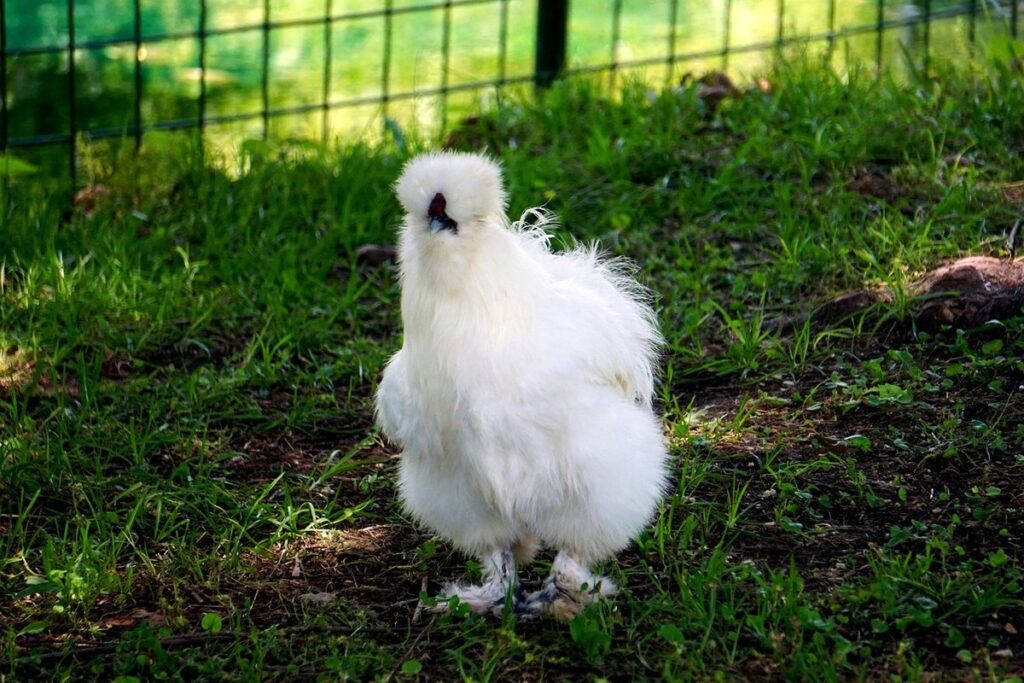
One of the most striking features of the Silkie Polish Bantam is its stunning plumage. When you run your hand over a Silkie’s feathers, you’ll notice just how soft and fluffy they are. This unique texture is due to the absence of barbs on their individual feathers, creating a gentle, velvety sensation.
The softness of Silkie feathers can be attributed to their genetic makeup, which includes mutations that affect feather structure. As a result, their feathers lack the stiff quills found in most other breeds, resulting in an irresistibly cuddly appearance. If you’re looking for a breed with feathers so divine they’ll make you want to snuggle your chickens, look no further than the Silkie Polish Bantam.
In terms of color, Silkies come in a wide range of hues, including black, white, blue, and many gorgeous varieties in between. Their luscious plumage is not only breathtakingly beautiful but also requires regular maintenance to prevent matting and tangling. Regular grooming sessions can help keep your Silkie’s coat looking its absolute best.
Size and Build: Compact and Sweet-Dispositioned
When it comes to physical characteristics, one of the standout features of Silkie Polish Bantam chickens is their compact size. On average, these adorable birds weigh between 1.5 and 2 pounds (0.7-0.9 kg) and stand about 6 inches (15 cm) tall. Their petite build makes them an ideal choice for families with small backyards or those who want a low-maintenance pet.
Despite their small size, Silkie Polish Bantams have a sweet disposition that’s perfect for handling and interacting with children. They’re known to be friendly, docile, and curious, making them a joy to watch and care for. In fact, many owners report that their Silkie Polish Bantam chickens will even follow them around the yard or perched on their shoulders.
If you’re considering bringing home a Silkie Polish Bantam chicken, remember to provide them with adequate space to roam and play. A secure enclosure or run is essential to ensure they get enough exercise and don’t escape. With proper care and attention, these charming birds will bring endless delight to your family.
Temperament and Personality
Silkie Polish Bantams are known for their affectionate and gentle nature, making them an excellent choice for families and backyard flocks. Let’s explore what to expect from these lovable birds’ temperament and personality traits.
Silkie Polish Bantam Temperament: Friendly and Docile
Silkies are renowned for their gentle nature, making them an excellent choice for families with children or first-time chicken owners. Their friendly and docile temperament is one of the breed’s most endearing qualities.
In fact, Silkies have been known to form close bonds with their human caregivers, often seeking attention and affection on demand. This characteristic can be attributed to their calm and even-tempered disposition, which makes them less prone to stress and anxiety compared to other breeds.
When interacting with people, Silkies are generally very trusting and social. They will often follow you around the yard or coop, curiously inspecting every nook and cranny. This docile nature also extends to their behavior around other animals, making them a great addition to multi-species farms or backyards.
As a responsible owner, it’s essential to provide Silkies with plenty of space to roam and exercise, as they can become overweight if not given sufficient opportunity for physical activity. By doing so, you’ll be able to appreciate their charming personalities and enjoy the many benefits that come with owning a Silkie Polish Bantam.
Training and Handling: Tips and Tricks
When it comes to training and handling Silkies, many owners find that their gentle nature can sometimes be a double-edged sword. On one hand, they are extremely affectionate and loving, making them a joy to be around. However, this also means that they can become quite skittish or fearful if not handled carefully from an early age.
To avoid any potential behavioral issues down the line, it’s essential to socialize your Silkie chicks extensively during their critical imprinting period (up to 16 weeks). This involves exposing them to various sights, sounds, and experiences that will help build their confidence and calmness in new situations. For instance, introduce them to other animals, people of different ages and professions, and even some basic machinery noises.
As your Silkie grows into a more independent bird, you can begin teaching basic obedience commands like “come” and “stay.” However, keep in mind that Silkies are notorious for their stubbornness, so be patient and consistent in your training. Also, don’t underestimate the importance of regular grooming sessions, which not only help maintain their striking plumage but also provide an excellent opportunity to bond with your bird and check for any potential health issues.
When it comes to handling your Silkie, remember that they are a fragile breed and require gentle care. Support their body weight when lifting them, and avoid sudden movements or loud noises that might startle them. By following these simple tips and tricks, you’ll be well on your way to raising a happy and well-adjusted Silkie Polish Bantam chicken.
Health Considerations
As you consider adding a Silkie Polish Bantam to your flock, it’s essential to think about their specific health needs and potential vulnerabilities. This section will explore those key considerations for these lovable birds.
Common Health Issues in Silkie Polish Bantams
As you care for your beloved Silkie Polish Bantams, it’s essential to be aware of potential health issues that may affect this charming breed. Respiratory problems are a common concern, particularly due to the breed’s flat face and compact body. The tendency to puff out their feathers when stressed or hot can exacerbate breathing difficulties, making them more susceptible to conditions like pneumonia.
Obesity is another issue Silkie owners should watch for, as these birds tend to overeat if not properly managed. A diet that balances protein with fiber-rich foods can help maintain a healthy weight and prevent related health issues.
Feather pecking, or the habit of picking at feathers, is also prevalent in Silkies due to their strong social bonds and desire for interaction. To mitigate this behavior, provide your birds with plenty of space, toys, and activities that promote exercise and stimulation. Regular grooming sessions can also help reduce feather picking by keeping your Silkie’s coat clean and healthy.
By understanding these potential health issues, you can take proactive steps to ensure the well-being of your Silkies and enjoy their loving companionship for years to come.
Tips for Maintaining Good Health: Nutrition, Exercise, and Veterinary Care
To maintain the health and well-being of your Silkie Polish Bantams, proper nutrition is essential. Provide a balanced diet that includes high-quality commercial chicken feed as the main staple, supplemented with fresh fruits and vegetables. Leafy greens like kale and spinach are particularly beneficial for their iron content. However, ensure you introduce new foods gradually to prevent digestive issues.
Regular exercise is also vital for your Silkie Polish Bantams’ health. Provide ample space for them to roam, stretch, and engage in natural behaviors. Aim for at least 8-10 hours of sunlight exposure daily, as this will help regulate their circadian rhythms and maintain a healthy immune system.
In addition to nutrition and exercise, regular veterinary check-ups are crucial. Schedule annual vaccinations and health checks with an avian-savvy veterinarian to detect any potential issues early on. Be aware of common Silkie Polish Bantam health concerns, such as hypothyroidism, respiratory problems, and feather pecking, and take proactive measures to prevent or manage these conditions.
Monitor your flock’s behavior, appetite, and overall appearance to identify any signs of illness or stress. Early detection can save their lives.
Breeding and Raising
Breeding and raising Silkies can be a fun and rewarding experience, but it requires knowledge of their specific needs and characteristics to ensure healthy chicks. Let’s dive into how to successfully breed and raise these adorable birds.
The Art of Breeding Silkies: A Guide for Breeders
When it comes to breeding Silkies, you’re not just creating new birds, but also carrying on their unique characteristics and traits. To start, selecting the right breeding stock is crucial. Look for birds that exhibit excellent conformation, temperament, and egg-laying abilities. It’s essential to choose birds with a balanced genetic makeup, including both males and females with desirable traits.
Understanding genetics is vital in breeding Silkies. Familiarize yourself with terms like homozygous and heterozygous, as these will help you make informed decisions about your breeding program. For instance, if you want to breed for the Silkie’s signature fluffy plumage, you’ll need to select birds that are homozygous dominant for this trait.
Managing fertility is also critical in a successful breeding program. Make sure to keep records of egg production, hatch rates, and chick quality. This will help you identify areas for improvement and make data-driven decisions about your breeding stock. Regular health checks and vaccinations can also boost fertility by reducing the risk of diseases that can affect reproduction.
When selecting breeding birds, consider their pedigree and lineage. Research the breeders who have produced them and look for a history of healthy, well-tempered birds. This will not only ensure the quality of your offspring but also contribute to the preservation of the Silkie Polish Bantam’s unique characteristics.
Tips for Raising Chicks and Young Birds: Nutrition, Vaccinations, and Environmental Control
Raising young Silkies requires careful attention to their nutritional needs. Start by providing a high-quality starter feed that’s specifically formulated for young chickens. This will ensure they get the necessary proteins and energy to grow strong and healthy. For the first 4-6 weeks, supplement with probiotics to support gut health.
As your chicks grow into young birds, switch to a layer feed or a balanced diet of grains, fruits, and vegetables. Remember to provide fresh water at all times and ensure access to grit for proper digestion.
Vaccinations are crucial in protecting your Silkies from diseases. Consult with a veterinarian to determine the best vaccination schedule for your flock. Typically, young birds receive their first vaccinations between 4-6 weeks of age.
Maintaining a clean and healthy environment is also vital. Ensure good ventilation and provide adequate space for your birds to move around. Keep their living area dry and free from drafts. A clean and well-maintained coop will go a long way in preventing diseases and keeping your Silkies happy and healthy.
Show and Competition
When showing off your Silkie Polish Bantam at a poultry competition, there are several key things to consider for a winning appearance. We’ll cover the essential factors that judges look for in a show bird.
Showing Your Silkie Polish Bantam: Rules, Regulations, and Best Practices
When it’s time to show off your prized Silkie Polish Bantam at a poultry exhibition, knowing the rules and regulations is crucial. Understanding breed standards will help you prepare your bird for competition and give you an edge over other exhibitors.
Firstly, familiarize yourself with the American Poultry Association (APA) or the American Bantam Association (ABA) breed standard for Silkie Polish Bantams. This will provide you with a comprehensive guide on the physical characteristics that are expected of a show-quality bird, including its plumage, beak shape and size, comb type, and overall conformation.
When it comes to handling your Silkie Polish Bantam at the show, remember to keep it calm and secure in its coop. This will not only prevent stress but also ensure that judges can easily examine your bird’s features.
To present your bird for judging, make sure to follow these simple steps:
* Brush your Silkie Polish Bantam thoroughly to remove any dirt or debris from its plumage.
* Clean the beak and nails regularly to maintain a neat appearance.
* Trim the wings if necessary, but avoid over-trimming which can cause discomfort to the bird.
By following these tips and guidelines, you’ll be well-prepared for showing your Silkie Polish Bantam at a poultry exhibition.
Preparing for Shows: Conditioning, Trimming, and Grooming
Preparing for shows requires attention to detail when it comes to conditioning, trimming, and grooming of your Silkie Polish Bantams. A well-conditioned bird is not only healthier but also presents a better image at the show ring.
Start by maintaining a consistent feeding schedule to ensure that your birds receive essential nutrients for optimal health and plumage growth. Silkie Polish Bantams require about 12-14 hours of darkness per day, so adjust their lighting accordingly. This will help regulate their circadian rhythm and promote overall well-being.
Trimming is an art that requires patience and practice. Use nail clippers specifically designed for poultry to trim your bird’s nails every few weeks. Be cautious not to cut the quick, as this can cause bleeding and pain. Trimming beards and muffs also requires precision; use a pair of sharp scissors or clippers to shape these features without causing discomfort.
Grooming is an essential aspect of show preparation. Regularly brush your Silkie Polish Bantam’s feathers using a soft-bristled brush or a grooming glove, paying special attention to areas prone to matting. This will not only prevent tangles but also distribute natural oils throughout their plumage.
Frequently Asked Questions
Can I raise Silkie Polish Bantams with other breeds?
Yes, Silkies can get along well with other breeds if introduced properly. However, it’s essential to consider their gentle nature and potential for bullying by more aggressive breeds. Start with introducing them in a neutral area, and monitor their behavior closely. With proper introduction and management, you can successfully integrate Silkie Polish Bantams into your flock.
How often should I trim my Silkie’s feathers?
Silkies have unique, fluffy feathers that require regular maintenance to prevent matting and tangling. Trim their feathers every 6-8 weeks, paying extra attention to areas prone to matting like the vent and legs. Keep in mind that Silkies are more sensitive than other breeds, so be gentle when handling them during grooming sessions.
Can Silkie Polish Bantams adapt to cold climates?
While Silkies have a thick undercoat, they can still struggle with extreme cold temperatures. Provide your flock with adequate shelter, insulation, and ventilation to protect them from harsh weather conditions. In extremely cold regions, consider using a chicken coop heater or other climate-control measures to ensure their comfort.
How do I handle broody behavior in Silkie Polish Bantams?
Silkies are known for their maternal instincts and can easily become broody. To prevent this, provide plenty of nesting boxes and make sure your flock has access to adequate light and exercise. If a Silkie does go broody, gently remove her from the nest after 3-4 weeks, as prolonged broodiness can lead to health issues.
What are some common health issues to watch out for in Silkie Polish Bantams?
Silkies are prone to several health issues, including Marek’s disease, respiratory problems, and obesity. Regularly monitor their weight, provide a balanced diet, and ensure they receive proper ventilation and exercise. Consult with a veterinarian experienced in chicken care to identify potential health concerns early on.