
Are you ready to meet your new feathered friends? If you’re considering bringing home a Silkie, Polish, or Frizzle chicken, you’re in for a treat. These adorable breeds and their hybrids have captured the hearts of many backyard chicken enthusiasts. But what makes them so special? Let’s start with the basics: Silkie chickens are known for their fluffy, soft feathers that resemble silk, while Polishes boast their crested heads and friendly personalities. Frizzle chickens, on the other hand, take the cake with their unique, curly plumage. In this article, we’ll delve into the fascinating world of these breeds, exploring their origins, characteristics, care requirements, and tips for choosing the right one for you. Whether you’re a seasoned chicken keeper or just starting out, you’ll want to learn more about these delightful birds and how to give them the best life possible.
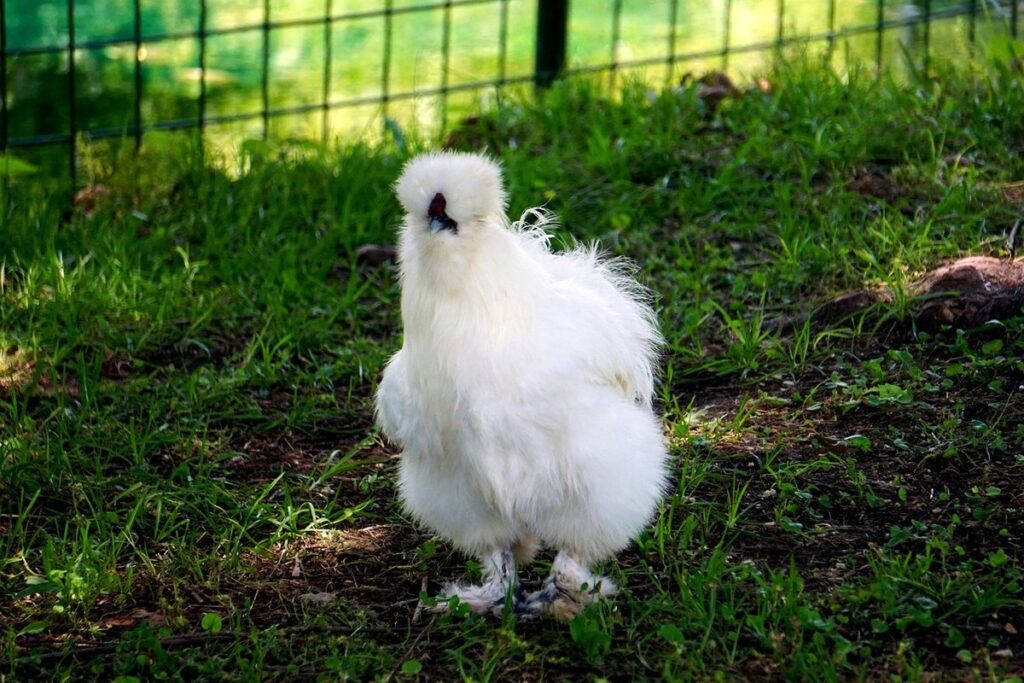
What are Silkie Polish Frizzle Chickens?
Let’s get started on understanding what makes these lovable birds so unique. Here, we’ll delve into the characteristics that define the Silkies, Polishes, and Frizzles, and how they differ from one another.
Origin and History
Silkie Polish Frizzle chickens have a rich and fascinating history that spans centuries. Originating from Asia, this breed has been prized for its unique appearance and gentle nature. The exact timing of the Silkie’s arrival is unclear, but it’s believed to date back to the 13th century when they were first introduced to Europe.
Over time, the Silkie Polish Frizzle developed through selective breeding, resulting in the beautiful yet quirky chickens we know today. Their distinctive appearance is characterized by their fluffy coat, which can be a variety of colors including white, black, and gray. The feathers are so soft that they resemble silk, giving them their name.
One interesting aspect of Silkie Polish Frizzle history is its connection to royalty. In the 16th century, these chickens were highly sought after by European nobility for their ornamental value. They were often kept in palaces and prized for their unique appearance and gentle nature. Today, enthusiasts around the world continue to appreciate the Silkie Polish Frizzle’s charm and beauty.
In fact, many breeders are working to preserve this unique breed, ensuring that its history and characteristics are not lost over time.
Breed Characteristics
Silkies are known for their fluffy, soft feathers and docile nature. They typically weigh between 3-4 pounds and have a rounded body shape. One of the most distinctive features of Silkies is their beards and muffs, which give them a charming, endearing appearance.
Polishes, on the other hand, have a crest or topknot on their heads, giving them a regal, majestic look. They are also known for their large size, typically weighing between 5-6 pounds, and have a more slender build than Silkies. Their feathers are often sleeker and more refined, with a distinctive sheen.
Frizzles have a unique characteristic: their feathers don’t lie flat against their bodies like other breeds do. Instead, they create a ‘frizzy’ effect due to the abnormal growth of their feathers. This can make them appear larger than they actually are, as well as giving them a more rustic, homespun appearance.
While Silkies and Polishes have distinct physical characteristics, Frizzles stand out for their unusual feather pattern. Despite these differences, all three breeds share a friendly and affectionate nature, making them wonderful pets for chicken enthusiasts.
The Silkie Breed: Temperament, Feeding, and Health
When it comes to raising your own Silkie Polish Frizzle chickens, understanding their temperament, feeding needs, and potential health issues is crucial for a harmonious and healthy flock. Let’s dive into these essential details together.
Temperament and Behavior
Silkies are known for their gentle and affectionate nature, making them a favorite among backyard chicken enthusiasts. They adore human interaction and will often seek out attention from their owners. In fact, Silkies are so social that they can become quite demanding if they don’t receive regular attention. If you’re considering bringing a Silkie into your flock, be prepared for a feathered companion that will follow you around the yard.
In terms of interactions with other animals in the flock, Silkies tend to be peaceful and easy-going. They generally get along well with other breeds, although they may not tolerate bullying from larger or more dominant birds. To promote harmony within your flock, it’s essential to introduce Silkies slowly and under close supervision. With proper introduction and management, you can create a harmonious and thriving flock.
One thing to note is that Silkies can be prone to “following” behavior, where they become overly attached to one particular person or animal in the flock. While this can be charming, it’s essential to maintain a balanced social structure within your flock to prevent any potential conflicts or stress on individual birds.
Feeding and Nutrition Requirements
When it comes to feeding Silkies, their unique characteristics and genetic makeup require special attention to their dietary needs. As a Silkie owner, it’s essential to provide them with a balanced diet that meets their specific requirements.
Silkies are known for their high protein needs due to their gentle nature and tendency to overeat. They thrive on a diet rich in quality proteins such as chicken meal, fish meal, or egg meal. However, they also require a balance of calcium and phosphorus to maintain strong bones and beak health.
A good starting point is to provide them with a premium commercial feed specifically formulated for Silkies or other heritage breeds. This type of feed usually contains the right mix of nutrients and minerals tailored to their needs.
In addition to a balanced commercial feed, you can supplement your Silkie’s diet with healthy treats like leafy greens, fruits, and vegetables. Some owners swear by adding oyster shells as a calcium source to support strong eggshell production.
Remember, overfeeding is common in Silkies, so be sure to monitor their food intake closely to avoid obesity-related health issues. A happy and healthy Silkie will have shiny feathers, bright eyes, and plenty of energy – all indicators of good nutrition!
The Polish Breed: Crested Characteristics and Care
If you’re thinking of bringing a Silkie Polish Frizzle into your flock, understanding their unique characteristics and needs is essential to ensure you provide the best possible care. This section will delve into the specific requirements for this breed.
Unique Physical Features
One of the most striking features of the Silkie Polish Frizzle breed is their unique crest. This iconic tuft of feathers that crowns their head has been a hallmark of the breed for centuries, and it’s not hard to see why – it adds an unmistakable charm to these already captivating birds.
In terms of health, the crest can be both a blessing and a curse. On one hand, its presence often means that Polish chickens are less susceptible to heatstroke, as the feathered covering protects their sensitive heads from direct sunlight. However, this same feature also makes them more prone to respiratory issues, particularly in dry or dusty environments where the feathers can become matted with debris.
To keep your Polish chicken‘s crest healthy and clean, it’s essential to provide a dust-free environment, such as by using a humidifier or placing their coop on a raised platform to reduce soil exposure. Regular grooming is also crucial – gently brush out tangles and mats daily, paying extra attention around the eyes and ears where skin irritation can occur.
Ultimately, with proper care and attention, the crest of your Silkie Polish Frizzle will remain one of its most beautiful assets – a true showstopper that’s sure to turn heads in any backyard flock.
Grooming and Maintenance Requirements
Caring for a Polish chicken’s crest is an essential part of their overall care and maintenance. Regular grooming helps prevent matting and tangling of the feathers around the face and head. To achieve this, gently brush the feathers with a soft-bristled brush or your fingers daily to keep them in place.
It’s crucial to monitor for potential health concerns such as respiratory issues caused by the build-up of dust and debris under the crest. Cleaning the area regularly with a damp cloth will help prevent any problems from arising.
Additionally, trimming of the crest may be necessary if it becomes excessively long or unruly. However, this should only be done by an experienced breeder or veterinarian to avoid causing any harm to the chicken.
If you notice that your Polish chicken is experiencing excessive panting or difficulty breathing, seek veterinary advice promptly as these could be symptoms of a larger issue.
The Frizzle Breed: Mating and Egg-Laying Habits
When it comes to breeding Frizzle chickens, understanding their unique mating habits is crucial for successful reproduction. Let’s take a closer look at how these birds pair up and lay eggs.
Unique Physical Features
One of the most recognizable and intriguing features of the Silkie Polish Frizzle breed is their unique physical characteristic: frizzled feathers. The fluffed, crinkled appearance of these feathers sets them apart from other chicken breeds, making the Silkie Polish Frizzle a true standout in the world of backyard chickens.
The frizzling process occurs due to a genetic mutation that affects the shape and structure of the feathers, causing them to curl back upon themselves. This results in a soft, fluffy plumage that’s both aesthetically pleasing and surprisingly resilient to harsh weather conditions. Silkie Polish Frizzle owners often comment on how well these birds adapt to cold climates, with their frizzled feathers providing excellent insulation against frost and snow.
When it comes to daily care, the Silkie Polish Frizzle’s distinctive features require some consideration. For instance, their frizzled feathers can be prone to matting if not properly maintained through regular grooming. To prevent this, owners should gently work out any tangles with a soft-bristled brush or their fingers, taking care not to pull on individual feathers.
By understanding and appreciating the Silkie Polish Frizzle’s unique physical features, owners can better provide for these birds’ needs and enjoy their fascinating presence in the backyard.
Breeding and Reproduction Practices
When it comes to breeding and reproduction practices for Frizzles, several factors come into play. One of the key considerations is compatibility with other breeds. While Frizzles can be cross-bred with various breeds, their unique characteristics make them a challenging match for some.
In general, Frizzle’s are most compatible with breeds that have similar feathering and temperament traits. For instance, pairing a Frizzle with a Polish or Silkied breed can result in beautiful offspring with a combination of the parents’ desirable features.
However, potential challenges arise when breeding Frizzles with breeds that have distinct differences in body type or temperament. For example, attempting to cross-breed a Frizzle with a heavy-boned breed like an Orpington may not yield the desired results due to the size difference and structural inconsistencies.
To overcome these challenges, experienced breeders often prioritize careful selection of suitable breeding partners, focusing on compatibility based on genetic similarities rather than just visual appeal. This approach helps ensure healthier offspring that exhibit the best qualities from both parents, contributing to the preservation and improvement of the Frizzle breed.
Caring for Silkies Polish Frizzle Hybrids
Now that you have your lovable Silkie Polish Frizzle hybrids at home, let’s dive into the specifics of caring for their unique needs and requirements. Proper care is key to keeping them happy and healthy.
General Health Considerations
As you care for your Silkie Polish Frizzle hybrids, it’s essential to be aware of their specific health considerations. These delightful birds are prone to certain health issues that can arise due to their unique characteristics.
One common issue affecting hybrid chickens is obesity. With their fluffy feathers and compact size, Silkie Polish Frizzles love to eat and can easily become overweight. To prevent this, make sure they have plenty of space to roam and engage in physical activity. Limit treats and ensure their diet is balanced with a mix of protein-rich foods and fresh vegetables.
Another concern is respiratory problems, which can be exacerbated by the birds’ fragile respiratory systems. Keep an eye out for labored breathing or wheezing, especially during hot weather. Provide plenty of ventilation in their coop and make sure they have access to clean water at all times.
Regular health checks are also crucial to identify any potential issues early on. Consult with a veterinarian experienced in poultry care to determine the best course of action for your flock’s specific needs.
Housing and Environmental Requirements
When it comes to housing and environmental requirements for your Silkie Polish Frizzle hybrids, understanding their specific needs is essential. These charming birds are known for their unique appearance, but they also have distinct preferences when it comes to living spaces.
First and foremost, Silkie Polish Frizzles require ample space to move around comfortably. A minimum of 2-3 square feet per bird is recommended, with a maximum capacity of 5-6 birds per coop. This allows them to stretch their wings, exercise, and engage in natural behaviors without feeling cramped.
Proper ventilation is also crucial for maintaining a healthy environment. Silkie Polish Frizzles are sensitive to extreme temperatures and humidity levels, so ensuring good airflow within the coop and run is vital. Consider installing windows or vents that allow fresh air to circulate while keeping predators out.
Temperature control is another critical aspect to consider. Silkies prefer temperatures between 40°F (4°C) and 80°F (27°C), making them relatively tolerant of mild climates. However, it’s still essential to provide adequate insulation, shade, and shelter from harsh weather conditions.
Tips for Choosing the Right Breed or Hybrid
When selecting a Silkie Polish Frizzle chicken, it’s essential to consider factors that will ensure your new feathered friend thrives in its new home and brings you joy. Here are some key tips to guide your decision-making process.
Researching Different Breeds
When it comes to choosing the right breed or hybrid of Silkie Polish Frizzle chickens, researching different breeds is a crucial step in making an informed decision. With so many unique characteristics and traits among various breeds, it’s essential to learn about their individual needs, temperaments, and egg-laying abilities.
To start your research, you can begin by exploring the differences between purebred Silkie chickens and Polish Frizzle chickens. While both breeds share some similarities, they also have distinct characteristics that set them apart. For example, Silkies are known for their fluffy feathers and calm nature, while Polish Frizzles have a unique frizzy appearance and are often described as more energetic.
Consider factors such as egg-laying capacity, noise level, and space requirements when evaluating different breeds. You may also want to think about the climate you live in and how it will affect your chickens’ health and well-being. By doing thorough research on various breeds, you’ll be better equipped to make a decision that suits your lifestyle and living situation.
Take note of online forums, breed associations, and reputable sources that provide valuable information on different breeds. These resources can offer first-hand accounts from experienced chicken keepers and experts in the field.
Finding Reputable Breeders or Suppliers
When seeking out reputable breeders or suppliers for Silkie Polish Frizzle chickens, it’s essential to do your research thoroughly. Start by asking fellow chicken enthusiasts, breed clubs, and online forums for recommendations. Look for breeders who are transparent about their breeding practices, health clearances, and genetic diversity.
Check for certifications from reputable organizations such as the American Bantam Association (ABA) or the British Poultry Standards. These certifications ensure that the breeder adheres to high standards of quality and welfare. Be wary of breeders who seem overly aggressive in their marketing or promise “exceptional” birds with no proof.
Visit potential breeders in person, if possible, to see the conditions and health of the chickens firsthand. Ask to meet the parents of the birds you’re interested in purchasing and inspect their breeding stock for signs of good health and temperament. Finally, don’t be afraid to ask questions – a reputable breeder will welcome your inquiries and provide detailed information about their flock.
Researching local breed clubs or attending chicken shows can also help you connect with experienced breeders who can guide you through the process.
Conclusion: Embracing the Diversity of Silkies Polish Frizzle Chickens
As you’ve learned about the fascinating Silkie Polish Frizzle chickens, it’s time to reflect on their unique qualities. These birds have captured the hearts of many with their gentle nature and stunning appearance. Rather than trying to conform them to a specific breed standard, why not celebrate their individuality? By embracing their differences, you’ll create a more harmonious and interesting flock. For instance, consider setting up a “chicken show” where your Silkie Polish Frizzles can strut their stuff, and let the other birds be the judges. This playful approach encourages diversity and showcases each bird’s unique characteristics.
In doing so, you’ll not only enrich the lives of your chickens but also create a more engaging and dynamic experience for yourself as a breeder or owner.
Frequently Asked Questions
What are the most important things to consider when introducing Silkie, Polish, or Frizzle chickens to my existing flock?
When integrating new birds, it’s essential to consider their temperament, energy level, and compatibility with your current flock. Start by observing the behavior of both old and new birds, and ensure there’s enough space for all to thrive. Also, make sure to provide a gradual introduction process to prevent stress.
How do I handle common health issues in Silkie, Polish, or Frizzle chickens, such as frostbite or respiratory problems?
Regular grooming is crucial for these breeds. Be prepared to handle potential health issues like frostbite, respiratory problems, or skin conditions. Learn how to identify early warning signs and take preventative measures, such as providing a warm shelter and maintaining good hygiene.
What are some tips for choosing the right Silkie Polish Frizzle hybrid for my backyard flock?
Consider factors like egg-laying capacity, noise level, and space requirements when selecting the perfect breed or hybrid. Research the specific needs of each breed to ensure you can provide the best environment for them to thrive.
Can I raise Silkies, Polishes, or Frizzles in colder climates, or do they require warmer temperatures?
Yes, Silkie Polish Frizzle chickens are relatively cold-hardy and can adapt to various climates. However, extreme cold snaps may still cause discomfort or health issues. Provide adequate shelter, insulation, and protection from wind chill to keep your birds comfortable.
How often should I trim the feathers of my Silkie, Polish, or Frizzle chicken’s crests and frills?
Regular grooming is necessary to prevent matting and tangling of their unique feathers. Trim crests and frills as needed, ideally every 6-8 weeks during molting periods or when excessive growth occurs. Use gentle techniques to avoid causing discomfort or stress to your birds.