
Are you excited to welcome a new batch of adorable runner ducklings to your family? Caring for these little balls of fluff requires attention to detail, but with the right guidance, you’ll be well on your way to raising happy and healthy runners. If you’re new to keeping ducks, or if you’ve had them before but want some expert advice, this guide is perfect for you.
We’ll cover everything from housing and nutrition to health, grooming, socialization, and even advanced care considerations that will take your runner duckling care to the next level. From setting up a safe and comfortable coop to ensuring they get the right balance of nutrients, we’ve got you covered. Whether you’re a seasoned duck parent or just starting out, this comprehensive guide will give you the confidence to provide top-notch care for your feathered friends.
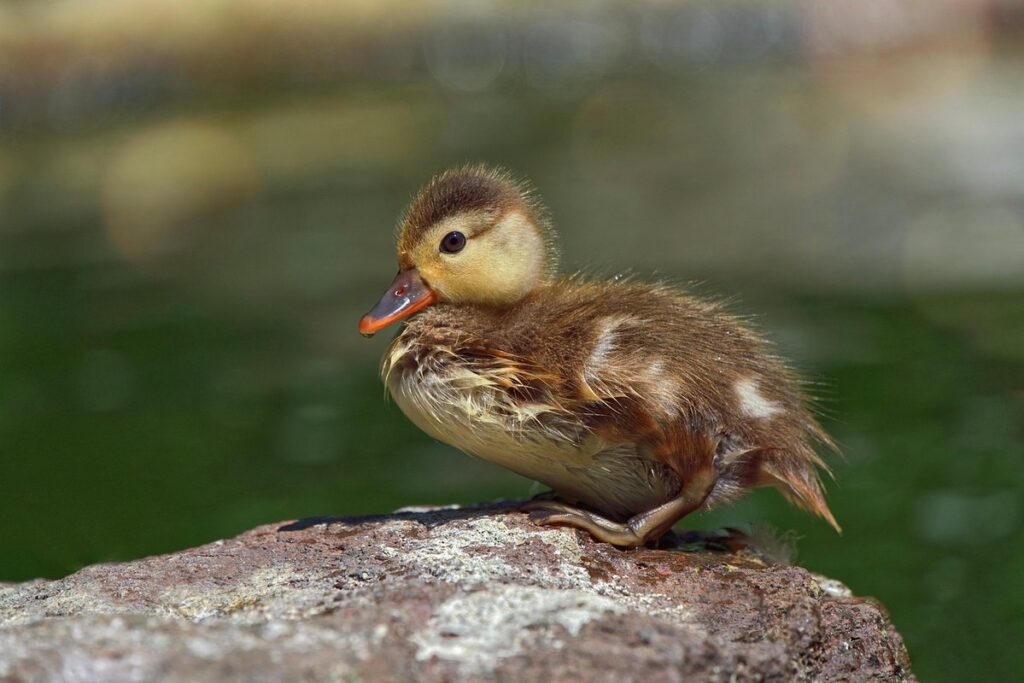
Understanding Runner Ducklings
When it comes to raising ducklings, understanding their unique needs is crucial. This section will delve into the specific characteristics and requirements of runner ducklings, helping you provide the best care possible.
What are Runner Ducklings?
Runner ducklings are a unique and fascinating breed of young waterfowl. Originating from Europe, runner ducklings were selectively bred for their exceptional egg-laying ability and robust constitution. They’re often described as “dual-purpose” birds, meaning they’re suitable for both meat production and egg farming.
Characterized by their sturdy build and docile nature, runner ducklings are easy to handle and care for. Female runner ducklings can produce up to 200 eggs per year, making them a popular choice among backyard farmers and small-scale producers. One notable characteristic of runner ducklings is their ability to adapt well to different environments – from free-range farms to backyard coops.
When raising runner ducklings, it’s essential to provide them with a balanced diet rich in protein and calcium to support their growth and development. A nutritious starter feed or a mixture of commercial pellets and fresh vegetables should be introduced at an early age. With proper care and attention, runner ducklings can thrive and grow into healthy, productive adults.
Housing Requirements for Runner Ducklings
When it comes to raising runner ducklings, providing a suitable environment is crucial for their growth and development. One of the most critical aspects of housing requirements for runner ducklings is ensuring they have enough space to move around comfortably.
Runner ducklings need a safe and clean area to grow and exercise, ideally with a minimum of 2-3 square feet per bird inside. This allows them to stretch their wings, swim, and engage in natural behaviors without feeling confined or stressed.
In addition to sufficient space, the enclosure should also provide adequate ventilation, protection from predators, and shelter from extreme weather conditions. A secure and predator-proof coop is essential to safeguard your ducklings from potential threats.
It’s also vital to consider the temperature requirements for runner ducklings. They need a consistent temperature range of 90-100°F (32-38°C) during the first week after hatching, which can be achieved by placing the brooder in a warm and draft-free location or using heat lamps.
Nutrition and Feeding
When it comes to feeding your runner ducklings, providing a balanced diet is crucial for their growth and development. We’ll cover the essential nutrients they need to thrive in this section.
Balanced Diet for Runner Ducklings
When it comes to runner duckling care, providing a balanced diet is essential for their growth and development. A well-balanced diet will not only help them grow into healthy adult ducks but also give them the energy they need to thrive.
Starter feed is a staple in any duckling’s diet. It provides them with the necessary nutrients, including protein, vitamins, and minerals, that they need to grow strong and healthy. However, starter feed alone may not provide all the nutrients your runner ducklings need. That’s where vegetables come in – they’re an excellent addition to their diet.
Some of the best vegetables for ducklings include leafy greens like kale and spinach, as well as broccoli and carrots. You can add them to their water or mix them into their feed. For example, you can chop up a bunch of kale and add it to their water for them to forage through. Make sure to introduce new foods gradually to prevent digestive upset.
A balanced diet should include a mix of grains, vegetables, and fruits. Avoid feeding them avocado, onions, or garlic as they can be toxic to ducklings. Stick to the recommended amounts on the starter feed packaging and supplement with fresh veggies daily for optimal health.
Supplementing with Fresh Fruits and Vegetables
When introducing fresh fruits and vegetables to your runner duckling’s diet, it’s essential to do so gradually and in moderation. Start by offering a small amount of their favorite fruits and veggies as treats, such as sliced apples or carrots. This will help them become accustomed to the new flavors and textures.
As they grow, you can introduce more varieties and increase the portion size. For example, ducklings love to forage for leafy greens like kale and spinach. You can place a few leaves in their enclosure, and they’ll happily munch on them throughout the day.
Some safe options for fruits include berries, melons, and citrus fruits. However, be sure to remove seeds and pits as they can cause choking hazards. For vegetables, try offering cucumbers, bell peppers, or zucchini slices. Avoid giving too many high-calorie treats, as this can lead to weight gain.
Remember, fresh produce should not exceed 10-15% of their daily diet. Stick to a balanced commercial duck feed as the main staple, and supplement with fruits and vegetables for optimal health.
Health Considerations
When it comes to runner duckling care, their health and well-being should always be a top priority. Let’s take a closer look at some essential health considerations for these adorable feathered friends.
Common Health Issues in Runner Ducklings
As a runner duckling owner, it’s essential to be aware of the common health issues that can affect these adorable birds. Respiratory problems are one of the most significant concerns for runner ducklings. Since they’re prone to wet feet and skin irritation, bacterial and fungal infections can easily take hold. Look out for symptoms such as labored breathing, wheezing, or coughing.
Parasites like mites, lice, and worms can also infest runner ducklings, especially if their environment is not properly cleaned and disinfected. Regularly inspect your ducklings’ feathers, skin, and droppings for signs of infestation. Keep their living area clean, dry, and free from debris to reduce the risk of parasite infestations.
In addition to these issues, runner ducklings can be susceptible to diseases such as avian pox and infectious bronchitis. Ensure your ducklings receive a balanced diet, plenty of fresh water, and regular veterinary check-ups to prevent health problems. Monitor their behavior, appetite, and droppings closely, and seek professional help if you notice any unusual signs or symptoms.
Preventative Measures Against Diseases
Maintaining a healthy environment is crucial to preventing diseases in runner ducklings. Provide them with clean and well-ventilated living spaces by regularly removing droppings and uneaten food from the enclosure. Ensure adequate space for each bird, as overcrowding can lead to stress and health issues.
Preventative measures against diseases include proper vaccinations and parasite control. Consult a veterinarian experienced in poultry care to determine the best vaccination schedule for your runner ducklings. Regularly check their droppings for signs of internal parasites such as worms or mites. Administering dewormers according to the veterinarian’s instructions can help prevent infestations.
Keep an eye out for common diseases like avian cholera, botulism, and respiratory infections caused by bacteria like E. coli and Pasteurella. Practice good hygiene when handling ducklings, wash your hands before and after interaction, and ensure their food and water are kept clean. Monitor the flock regularly for signs of illness or stress, such as labored breathing, lethargy, or changes in droppings. Early detection is key to preventing disease outbreaks and promoting a healthy flock.
Grooming and Hygiene
Proper grooming and hygiene are essential for your runner ducklings’ health, so make sure to regularly clean their feathers, beak, and living area. This includes daily checks for mites, lice, and fleas.
Importance of Regular Cleaning
Regular cleaning is essential to maintain a clean and healthy environment for your runner ducklings. A dirty enclosure can lead to health issues, stress, and even disease in the ducklings. Imagine stepping into a room that’s been neglected for weeks – it wouldn’t feel very inviting, right? The same applies to your ducklings’ living space.
A regular cleaning schedule will help keep their home clean and free from bacteria, mites, and other unwanted visitors. Start by removing soiled bedding material, disinfecting feeding and watering equipment, and scrubbing the enclosure with a mild detergent solution. Don’t forget to sanitize any surfaces that come into contact with the ducklings’ droppings.
For runner ducklings, it’s recommended to clean their area at least twice a week, more frequently if you have multiple birds or notice excessive mess. This might seem like a lot of work, but trust us – it’s worth it! Not only will your ducklings stay healthy and happy, but you’ll also enjoy the peace of mind that comes with knowing their environment is clean and safe.
Tips on Trimming Beaks and Nails
Trimming beaks and nails is an essential part of runner duckling care. If left unattended, overgrowth can lead to serious health issues such as vision problems, impaired movement, and even self-mutilation.
Before starting the trimming process, it’s crucial to gather all necessary supplies: a nail clipper specifically designed for birds, a beak trimmer or Dremel tool with a sanding attachment, and some styptic powder to stop any bleeding. It’s also essential to familiarize yourself with the correct angles and techniques to avoid causing harm.
Begin by gently grasping your duckling, taking care not to constrict their movement. Trim the nails in small increments, working from one end to the other. Be cautious not to cut too close to the quick, as this can be painful for your duckling. Next, use a Dremel tool with a sanding attachment to smooth out any rough edges and prevent splintering.
Remember, trimming beaks and nails requires patience, care, and practice. Start slowly and observe your duckling’s behavior, adjusting your technique accordingly. Regular trimming will help maintain their overall health and well-being.
Socialization and Training
Now that you have a happy, healthy brood, it’s time to socialize and train your runner ducklings so they grow into confident and friendly adults. Proper training helps prevent behavioral issues down the line.
Socialization with Other Poultry
Socializing runner ducklings with other poultry is an essential part of their development and can help prevent behavioral problems later on. When introducing your ducklings to other birds, start by keeping them separate but allowing them to see each other through a fence or gate. This will allow them to become familiar with the sight and sounds of the other birds without the risk of aggression.
Once you feel they are ready, it’s time for supervised interactions. Begin with short sessions under close observation, and reward calm behavior with treats. If you notice any signs of aggression or stress, such as feather pecking or hissing, separate the birds immediately.
Some breeds work better together than others – for example, geese can be quite protective of their space, while chickens tend to be more social. Consider your ducklings’ personalities and match them with compatible birds to create a harmonious flock.
Basic Training for Ducklings
When it comes to runner duckling care, socialization and training are crucial for their development into confident, well-adjusted adult ducks. One of the most essential aspects of basic training for ducklings is teaching them to respond to commands and come when called.
To start, you’ll want to begin with simple vocal cues. Hold a duckling in your lap or on the ground nearby and say its name followed by “come” or “here.” Repeat this process several times, rewarding the duckling with treats and affection when it responds correctly. This will help it associate the sound of its name and the command with coming to you.
As they grow, gradually increase the distance between yourself and the ducklings, calling them from further away to encourage them to come to you on their own. Be patient and consistent in your training, as ducklings can be easily distracted by their surroundings. With time and practice, your runner duckling will learn to respond promptly to your calls, making interactions and outings much more enjoyable for both of you.
Advanced Care Considerations
As a runner duckling owner, it’s essential you’re aware of the advanced care considerations necessary to ensure your feathered friend stays healthy and thrives throughout its life. This includes specialized diets and health monitoring.
Migrating Runner Ducks from the Brooder to Outdoor Ponds
When it’s time to move your runner ducklings from their cozy brooder to an outdoor pond, it’s essential to do so gradually to prevent stress and ensure a smooth transition. Start by preparing the new enclosure about a week before the transfer, allowing the ducks to become familiar with the sights, sounds, and smells of their future home.
Begin by placing the brooder in front of the pond, so the ducklings can see and explore the outdoor space through a mesh or screen door. This will help them get used to the new environment without feeling overwhelmed. Once you’ve observed your ducklings showing interest and confidence near the entrance, it’s time for the transition.
When moving your ducks from the brooder to the pond, do so in small batches, allowing each group to settle before releasing more birds. Monitor their behavior closely, watching for signs of stress or anxiety, such as panting, pacing, or hiding. Be prepared to provide a safe retreat area within the pond if needed.
Remember to also introduce any necessary fencing and netting to protect your ducks from predators while they acclimate to their new surroundings.
Additional Tips for Experienced Breeders
As an experienced breeder, you’re likely looking to refine your care techniques and ensure the health and well-being of your runner ducklings. One key area to focus on is nutritional optimization. Consider supplementing their diet with probiotics or crushed oyster shells to support digestive health. Also, keep in mind that runner ducklings require a balanced ratio of protein to energy-rich foods; aim for a mix of 15-20% protein and 2-3% calcium.
When it comes to brooding, experienced breeders know the importance of temperature control. Keep your nursery at around 90°F (32°C) during the first week, gradually reducing the temperature by 5°F (3°C) each subsequent week. This will help acclimate them to external temperatures and reduce stress.
Additionally, monitor their environment closely for signs of ammonia buildup or excessive moisture. Regularly clean and disinfect the brooder to prevent disease outbreaks and ensure a healthy start for your ducklings. With these advanced care considerations in mind, you’ll be well on your way to raising robust and thriving runner ducks.
Frequently Asked Questions
How Often Should I Clean the Ducklings’ Brooder?
Regular cleaning is crucial to prevent health issues. As a general rule, clean the brooder at least once a week, removing soiled bedding and replacing it with fresh material. Be sure to disinfect all surfaces and equipment thoroughly to maintain a healthy environment for your ducklings.
Can I Raise Runner Ducklings Indoors?
While it’s technically possible to raise runner ducklings indoors, it’s not the most ideal setup. They require regular access to fresh air, sunlight, and space to move around. If you don’t have outdoor space, consider setting up a large indoor enclosure with proper ventilation to meet their needs.
What Happens if My Ducklings Get Sick?
Common health issues in runner ducklings include respiratory problems, bacterial infections, and parasites. If you notice any signs of illness, such as labored breathing or lethargy, isolate the affected duckling immediately and consult a veterinarian experienced in caring for waterfowl. Regular preventative measures, like vaccination and proper hygiene, can also help minimize the risk.
Can I Introduce Runner Ducklings to Other Poultry Too Quickly?
When introducing new ducklings to existing poultry, do it gradually to prevent stressing them out. Start by keeping them separated but allowing visual contact, then slowly introduce them under close supervision. Monitor their behavior and adjust your introduction schedule as needed to ensure a smooth transition.
How Do I Know When My Runner Ducklings Are Ready for Outdoor Ponds?
Look for signs like increased activity levels, stronger swimming abilities, and a decrease in brooder dependence. Typically, this occurs when they’re around 8-10 weeks old. Be sure to introduce them to the outdoor pond gradually, starting with short periods and increasing exposure over time, to prevent shock or stress.