
When it comes to adding variety to your homestead, few options are as appealing as geese or ducks. These feathered friends can provide a reliable source of fresh eggs and meat, as well as help with pest control and lawn maintenance. However, both species have unique needs and requirements that must be carefully considered before deciding which one is right for you.
As you weigh the pros and cons of keeping geese versus ducks on your property, it’s essential to think about their feeding and nutrition requirements, health and disease management, and how they will integrate into your existing operations. In this article, we’ll explore the ins and outs of raising these species, including their specific needs and challenges, to help you make an informed decision for your homestead.
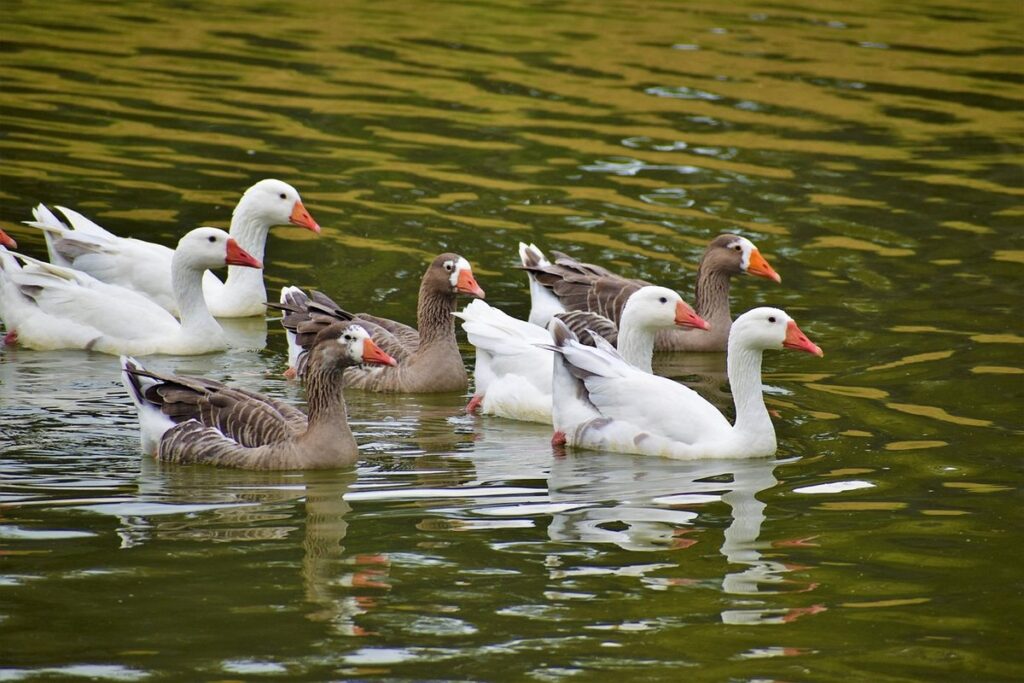
Understanding the Basics of Raising Waterfowl
When it comes to raising waterfowl on your homestead, understanding their basic needs is crucial for a successful and harmonious relationship between you and your feathered friends. Let’s explore what it takes to care for these fascinating birds.
Types of Waterfowl Suitable for Small-Scale Farming
When it comes to small-scale farming, several types of waterfowl are suitable for homesteads. Geese and ducks, as mentioned, are two popular choices. However, other species like swans, muscovy ducks, and mergansers can also thrive in a well-managed environment.
Swans, with their majestic appearance, can add beauty to your property but may require more space due to their size and territorial nature. Muscovy ducks, on the other hand, are known for their robust health and ability to adapt to warmer climates. Mergansers, being carnivorous birds, require a diet rich in protein and can be challenging to manage.
When selecting waterfowl for your homestead, consider factors such as climate, available space, and personal preferences. Research the specific needs of each species to ensure you’re prepared to provide the necessary care. This will help you make an informed decision when comparing geese and ducks for your property.
Feeding and Nutrition Requirements
When it comes to feeding and nutrition requirements, geese and ducks have some distinct differences. Geese are grazers and require more grass and forage in their diet compared to ducks. They also need access to clean water for drinking and swimming throughout the day. For optimal health, provide geese with a mix of grains like oats or barley, along with high-quality hay or pasture.
On the other hand, ducks have a higher protein requirement due to their fast growth rate. Feed them a diet rich in commercial duck pellets or game bird feed, supplemented with fruits and vegetables. Ensure they always have access to clean water for drinking and bathing. A good rule of thumb is to provide about 1/4 pound of food per day for every 10 birds.
Keep in mind that young goslings require more frequent feeding than adult geese, while ducklings can be fed on demand. Be sure to adjust their feed according to the season and available forage, as well as the bird’s age and health status. Regularly monitoring your waterfowl’s weight, plumage condition, and overall appearance will help you gauge whether they’re receiving the right amount of nutrients.
Geese: Pros and Cons for Homesteading
When considering geese as a homestead addition, it’s essential to weigh their benefits against potential drawbacks, including noise, property damage, and aggressive behavior. Let’s explore the pros and cons of keeping geese on your homestead.
Advantages of Keeping Geese on Your Homestead
Keeping geese on your homestead comes with numerous advantages that can benefit you and your property. One of the primary benefits is their exceptional guarding abilities. Geese are known to be fiercely protective of their territory and family, making them an excellent addition to farms or homesteads with a high predator presence. They will sound an alarm call to alert you of potential threats, giving you time to react and take necessary precautions.
In addition to guarding, geese can also provide valuable products for your household. Their down feathers are highly prized for their softness, warmth, and lightweight properties, making them ideal for bedding or filling pillows. Geese meat is also a lean protein source, rich in iron and low in saturated fat. They can be raised for consumption or sold to local markets.
Geese also make great companions, requiring attention and interaction from their owners. However, they are relatively easy to care for compared to other livestock. If you’re looking to reduce your reliance on pesticides, geese can be used for natural pest control. They feed on insects, slugs, and other pests that might damage your crops or garden.
Disadvantages of Raising Geese on a Small Scale
While geese can be a wonderful addition to a homestead, there are some challenges associated with raising them on a small scale. One of the most significant drawbacks is their noise level. Geese are loud birds that will honk loudly to alert you to potential threats or to communicate with each other. If you live in a neighborhood with close proximity to your neighbors, this can be a major issue. In addition to noise, geese are also known for their territorial behavior, which can lead to aggressive behavior towards people and other animals. They may also view your property as part of their territory and cause damage to gardens, lawns, and even buildings.
To mitigate these issues, it’s essential to provide a safe and secure enclosure that is specifically designed for geese. This should include sturdy fencing that is at least 6 feet tall to prevent escape and predators from getting in. You’ll also want to consider using noise-dampening materials or soundproofing your coop to minimize the disturbance. Additionally, introducing multiple species of waterfowl can help reduce aggression levels among geese by providing a social hierarchy.
Ducks: Pros and Cons for Homesteading
When considering adding ducks to your homestead, it’s essential to weigh their benefits against potential drawbacks, including property damage and noise levels. This section explores the pros and cons of keeping ducks on a homestead.
Advantages of Keeping Ducks on Your Homestead
Keeping ducks on your homestead can be an incredibly rewarding experience, offering numerous benefits that make them an attractive addition to your property. One of the primary advantages is their ability to provide a steady supply of fresh eggs. With proper care and nutrition, a single duck can lay up to 300 large brown eggs per year, making them a valuable asset for households relying on backyard egg production.
Ducks are also a great source of meat, with a number of breeds suitable for small-scale processing. Many homesteaders enjoy raising ducks specifically for their succulent meat, which is often lower in fat and higher in protein compared to chicken. Additionally, duck down is a highly prized material for bedding and insulation, providing a natural and eco-friendly alternative to synthetic options.
One of the most overlooked benefits of keeping ducks is their ability to serve as natural pest control agents. These birds are voracious eaters, feeding on slugs, snails, and other pests that can damage your garden or crops. By introducing ducks into your ecosystem, you can enjoy a more balanced and sustainable approach to pest management.
Disadvantages of Raising Ducks on a Small Scale
Raising ducks on a small scale can be a rewarding experience, but it’s not without its challenges. One of the main concerns is disease transmission. Ducks are susceptible to various health issues, such as avian cholera and botulism, which can spread quickly among flocks. To mitigate this risk, it’s essential to maintain strict biosecurity protocols, including regular vaccinations, proper sanitation, and isolation procedures for new birds.
Another issue with raising ducks on a small scale is their noise level. While geese are often stereotyped as being loud, ducks can be just as vocal, especially when they’re startled or communicating with each other. If you live in close proximity to neighbors or have noise restrictions, this could be a significant concern. To minimize the disturbance, consider providing a covered run or enclosure for your ducks during peak vocal hours.
In terms of space requirements, ducks need room to move around and exercise. A minimum of 2-3 square feet per bird is recommended, but it’s essential to provide more space if you can. A well-designed coop with adequate ventilation and access to outdoor areas will help ensure the health and happiness of your duck flock.
Keep in mind that these challenges are not insurmountable. With proper planning, attention to detail, and a willingness to adapt, raising ducks on a small scale can be a highly rewarding experience. Consider consulting with experienced homesteaders or joining online forums to learn from others who have successfully raised ducks on their properties.
Geese vs Ducks: Space and Housing Requirements
When it comes to setting up a homestead, knowing how much space your geese or ducks need is crucial for providing them with a happy and healthy home. We’ll break down their housing requirements in this section.
Comparing the Space Needs of Geese and Ducks
When it comes to choosing between geese and ducks for your homestead, understanding their unique space and housing needs is crucial. Geese require significantly more space than ducks due to their larger size and energetic nature. A minimum of 1/4 acre per pair of geese is recommended, with a 6-foot tall fence to prevent escape and protect from predators.
In contrast, ducks can thrive in smaller spaces, typically requiring around 10-20 square feet per bird inside the coop and about 2-3 times more space outside. However, even with their smaller needs, ducks still require a secure enclosure to protect them from foxes, coyotes, and other predators.
When planning your homestead’s layout, consider these space requirements carefully. If you have a large property, geese might be a good fit, but if you’re working with a smaller plot, ducks are likely a better choice. Keep in mind that both species will still need access to a pond or pool for swimming and water activities.
In terms of coop design, geese require more ventilation due to their larger size and heat production, while ducks prefer a cozier space with adequate insulation. By understanding these differences, you can create a harmonious living environment for your chosen waterfowl species.
Design Considerations for Waterfowl Housing
When designing waterfowl housing that will meet the needs of both geese and ducks on your homestead, there are several key considerations to keep in mind. First and foremost, ensure adequate ventilation is provided to prevent respiratory issues caused by ammonia buildup from droppings. A minimum of 1 square foot of window space per bird is recommended, with windows placed high enough to prevent predators from reaching through.
Insulation is also crucial, particularly in colder climates. Use materials such as straw or shredded newspaper to line the walls and floor, which will help retain warmth while allowing for good air circulation. Predator protection should not be overlooked – geese and ducks are vulnerable to foxes, coyotes, and other predators, so a secure enclosure with fencing at least 3 feet high is essential.
In terms of design, consider a layout that allows for easy access to the housing area for cleaning and maintenance. A removable roof or side panels can make this process much simpler, saving you time and effort in the long run. By incorporating these design elements, you’ll be well on your way to creating a safe and healthy environment for both geese and ducks on your homestead.
Geese vs Ducks: Health and Disease Management
When it comes to raising geese and ducks on your homestead, understanding how to manage their health is crucial for preventing diseases that can spread quickly in waterfowl populations. Regular monitoring and swift action are key.
Common Diseases Affecting Geese and Ducks
When it comes to managing a homestead with waterfowl, one of the most pressing concerns is disease prevention. Both geese and ducks are susceptible to various diseases that can have devastating effects on your flock and potentially spread to other birds on neighboring properties.
Some common diseases affecting geese and ducks include avian influenza, respiratory infections, and histomoniasis (also known as blackhead disease). Avian influenza, for instance, is a highly contagious and often fatal disease caused by the H5N1 virus. Respiratory infections can be caused by bacteria such as E. coli or Pasteurella multocida, which can lead to secondary complications like pneumonia.
To prevent the spread of disease on your homestead, make sure to maintain proper biosecurity measures. These include keeping a clean and dry living area for your birds, ensuring adequate ventilation in their coop, and practicing good hygiene when handling them or their droppings. Regular vaccinations and monitoring for signs of illness can also help identify potential issues early on. By taking proactive steps towards disease prevention, you can keep your waterfowl healthy and thriving on your homestead.
Vaccination and Parasite Control Strategies
When it comes to managing disease and parasites in geese and ducks on your homestead, vaccination and parasite control strategies are crucial. Regular health checks and monitoring are essential for identifying potential issues early on.
For both geese and ducks, a comprehensive vaccination program should include core vaccinations that protect against diseases such as Newcastle disease, avian influenza, and Marek’s disease. It’s also important to consider vaccinating against specific regional threats. For example, if you live in an area prone to West Nile virus outbreaks, vaccination against this disease may be necessary.
In addition to vaccination, parasite control measures like deworming and mite management are vital. Regular monitoring for internal parasites such as worms, lice, and fleas can help prevent infestations. Mite management involves keeping your flock’s environment clean, dry, and free of debris, which can harbor these pests.
To stay on top of health issues, schedule regular check-ups with a veterinarian who specializes in poultry. This will enable you to catch any potential problems before they become serious. Some signs that indicate your geese or ducks may be ill include changes in appetite, droppings, or overall behavior.
Geese vs Ducks: Laying Performance and Egg Quality
When it comes to choosing between geese and ducks for your homestead, understanding their egg-laying abilities is crucial. In this next part, we’ll compare their laying performance and egg quality.
Comparing Laying Performance Between Geese and Ducks
When it comes to laying performance, both geese and ducks have their strengths. Geese are known for their consistent egg production, with some breeds laying around 100 eggs per year. The Embden geese, for example, are a popular choice among homesteaders due to their large white eggs and high laying rate.
On the other hand, ducks tend to outshine geese in terms of egg production, with some breeds laying up to 300 eggs per year. Khaki Campbell ducks, in particular, are renowned for their prolific egg-laying abilities. However, it’s essential to note that duck eggs often have a thicker shell and may be more prone to cracking during transportation.
To optimize laying performance on your homestead, ensure that your geese or ducks have access to clean water, nutritious feed, and adequate space to roam. A balanced diet rich in protein, calcium, and other essential nutrients will also help support healthy egg production. Regular health checks and vaccinations can further reduce the risk of reproductive issues and promote overall well-being. By providing optimal living conditions and care, you can unlock the full potential of your waterfowl’s laying abilities.
Factors Affecting Egg Quality and Production
When it comes to raising geese and ducks on your homestead, understanding the factors that affect egg quality and production is crucial for maximizing yields. A balanced diet plays a significant role in determining the nutritional value of eggs. Geese require a high-protein diet rich in energy sources such as grains and vegetables, while ducks benefit from a more omnivorous diet with fruits, insects, and aquatic plants.
Health status also significantly impacts egg quality and production. Regular veterinary check-ups can help prevent diseases that compromise fertility or eggshell quality. Environmental conditions like temperature fluctuations, humidity levels, and exposure to predators can further impact egg production.
To promote optimal egg quality and production, ensure your birds have access to fresh water, shelter, and adequate space to roam. A clean coop with proper ventilation is also essential for maintaining healthy air quality. By paying attention to these factors and making adjustments as needed, you can boost the number of eggs produced by both geese and ducks on your homestead.
Integrating Geese and Ducks into Your Homestead
When it comes time to introduce these new feathered friends to your homestead, you’ll want to consider their individual needs and personalities. Let’s dive into how to successfully integrate geese and ducks onto your property.
Strategies for Introducing Waterfowl to Your Homestead
When introducing waterfowl to your homestead, it’s essential to prepare their enclosure for a smooth transition. Start by ensuring the enclosure is escape-proof and predator-resistant. A sturdy fence around 6 feet tall should suffice, with hardware cloth or chicken wire buried at least 12 inches underground to prevent burrowing. Next, provide adequate shelter from the elements, such as a coop or a three-sided shed.
To manage feed and nutrition, start by providing high-quality starter feed for both geese and ducks. You can also supplement their diet with fresh vegetables and fruits, but ensure they have access to clean water at all times. A general rule of thumb is to provide 1/4 pound of food per bird per day, adjusting according to age, size, and activity level.
To ensure the well-being of both geese and ducks, prioritize health checks, vaccinations, and parasite control. Monitor their behavior and watch for signs of stress or illness. A healthy waterfowl flock is a balanced one – with enough space to roam, exercise, and engage in natural behaviors like foraging and swimming.
Managing the Relationship Between Geese and Ducks
When integrating geese and ducks into your homestead, it’s essential to consider their relationship and ensure they coexist peacefully. Geese can be quite protective of their territory and may view ducks as intruders if not managed correctly.
To promote harmony between these species, start by designing a spacious enclosure with adequate room for both groups to roam freely without feeling confined. Geese require more space than ducks, so allocate at least 10 square feet per bird for geese versus 5-7 square feet for ducks. Provide separate areas for each group’s feeding and watering stations to prevent competition.
Implement a rotation system where geese and ducks have access to the same areas but not simultaneously. This will give both groups a chance to establish dominance without conflicts escalating into aggression. Monitor their behavior closely, and be prepared to intervene if you notice any signs of tension or stress. By managing their interaction with care, you can create a harmonious coexistence between geese and ducks on your homestead.
When issues arise, be aware that common problems include territorial disputes, resource competition, and predation concerns. Keep an eye out for any unusual behavior, and address these issues promptly to maintain peace among your waterfowl flock.
Frequently Asked Questions
What’s the ideal time of year to introduce geese or ducks to my homestead?
When integrating new waterfowl onto your property, it’s essential to consider the seasonality of their needs. Typically, spring and early summer are good times to introduce young birds, while fall can be a better option for adult birds that will need to adjust to their new environment before winter.
Can geese and ducks coexist on a small homestead without causing problems?
While both species can thrive in harmony, introducing geese and ducks together requires careful consideration. Ensure you provide sufficient space and resources for each group, as conflicts over food, water, and living quarters can arise. Monitor their behavior closely and take corrective action if necessary.
How do I determine the best breed of waterfowl for my specific homestead climate?
The suitability of a particular breed depends on your local climate, available space, and desired uses (e.g., egg or meat production). Research breeds known to thrive in similar conditions and discuss with experienced breeders or owners about their experiences with various breeds in your area.
What’s the best way to manage waterfowl health and disease prevention on a small homestead?
Preventative measures are key. Maintain clean living quarters, provide access to fresh water and nutritious feed, and ensure regular vaccination and parasite control strategies. Monitor bird behavior closely for signs of illness or stress, and seek professional advice promptly if issues arise.
Can I raise geese and ducks without significant knowledge of their specific needs?
While it’s possible to start with minimal expertise, doing so may lead to challenges and decreased chances of success. Familiarize yourself with the unique requirements of each species, including feeding, housing, and health considerations, to ensure a harmonious and productive relationship between you and your waterfowl.