
Are you considering bringing Chinese geese into your backyard or farm? With their unique characteristics and special needs, it’s essential to know everything about caring for these fascinating birds. Not only are they relatively low maintenance compared to other waterfowl, but they also provide a delightful addition to any landscape. However, proper housing, diet, and health considerations are crucial to ensure their well-being.
In this article, we’ll delve into the world of Chinese geese, covering everything from their specific housing requirements to their dietary needs. We’ll also discuss important health considerations and share expert advice on handling these remarkable birds. Whether you’re a seasoned bird enthusiast or just starting out, this guide will provide you with the knowledge and confidence needed to care for your Chinese geese effectively.
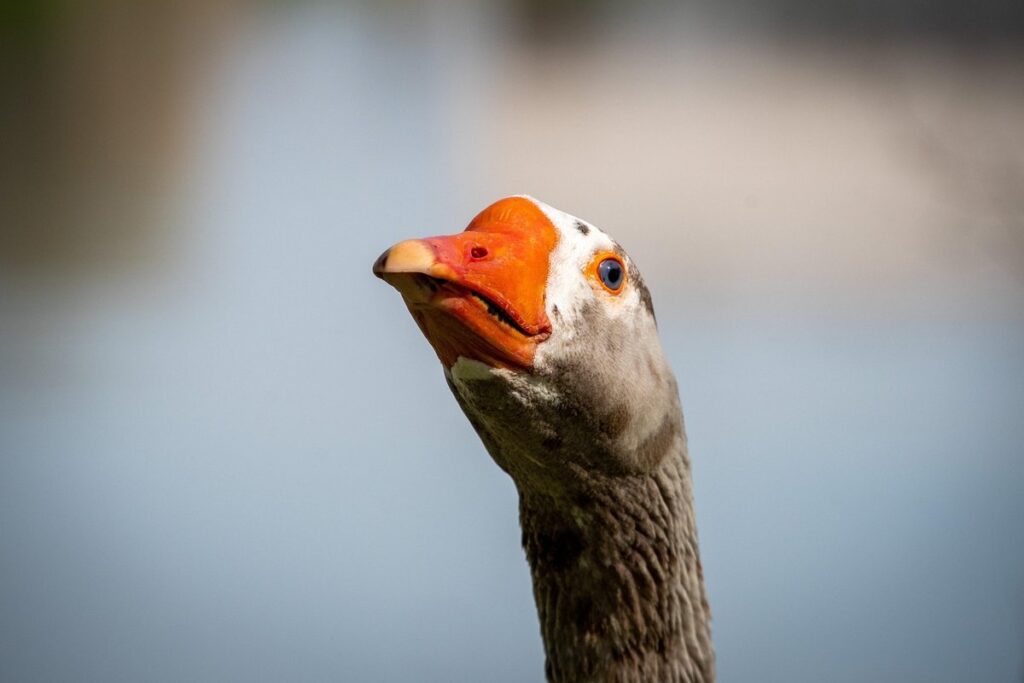
Introduction to Chinese Geese
Chinese geese are a beloved waterfowl species, known for their striking white and brown plumage and endearing personalities. In this section, we’ll delve into the world of these magnificent birds.
What are Chinese Geese?
Chinese geese are one of the most recognizable and beloved domesticated waterfowl species globally. Originating from China, these magnificent birds have been bred for their unique characteristics and temperament over thousands of years. As a result, they possess several distinct traits that set them apart from other goose breeds.
One of the primary characteristics of Chinese geese is their impressive size. They can grow up to 2-3 feet tall and weigh between 10-15 pounds. Their long, slender necks and elegant appearance make them a popular choice for many backyard farmers and waterfowl enthusiasts.
Chinese geese are also known for their calm and gentle nature, making them an ideal addition to families with children or those who live in close proximity to neighbors. They are relatively low-maintenance birds, requiring less space and care compared to some other domesticated species.
Their feathered coats can vary greatly in color, ranging from pure white to various shades of gray, brown, and black. Some breeds even display striking markings on their necks or heads. Chinese geese are also renowned for their distinctive honking calls, which they use to communicate with each other.
History and Domestication
Chinese geese have a rich history that spans centuries, with their introduction to the Western world playing a significant role in shaping their popularity as ornamental birds. Originating from Asia, these birds were initially brought to Europe by traders and travelers for their meat and hunting prowess. In fact, during the 16th century, Chinese geese were highly prized for their flavor and tender meat, which was considered a delicacy among the upper class.
However, it wasn’t until the 19th century that Chinese geese began to gain popularity as ornamental birds. Their striking appearance, with their snow-white feathers and subtle gray undertones, made them an attractive addition to many gardens and parks. As more people became aware of their unique characteristics and gentle nature, their appeal as pets grew. Today, Chinese geese can be found in many backyards and farms worldwide, cherished for their friendly demeanor and adaptability.
The shift from being used primarily for meat and hunting to becoming beloved ornamental birds is a testament to the versatility and charm of Chinese geese. Their ability to thrive in various environments has made them an ideal choice for those looking to add a touch of elegance to their outdoor spaces, while also providing a unique opportunity to connect with nature.
Housing and Environment for Chinese Geese
When it comes to providing a happy and healthy home for your Chinese geese, their housing and environment play a crucial role in their overall well-being. Let’s dive into what you need to know about creating an ideal habitat for them.
Choosing the Right Location
When it comes to selecting a suitable location for your Chinese goose flock, there are several key factors to consider. First and foremost, you’ll want to think about the climate where you live. Chinese geese are hardy birds that can tolerate a range of temperatures, but they do prefer a cool to temperate climate with moderate humidity.
In terms of space requirements, it’s essential to provide your geese with enough room to roam and exercise. A general rule of thumb is to allocate at least 10-15 square feet of space per bird, taking into account the area needed for nesting boxes and other infrastructure. When choosing a location, consider the topography of your land – a slight slope can help with drainage and prevent waterlogging.
Another crucial factor to consider is noise levels. Chinese geese are vocal birds that can be quite loud, so if you live in close proximity to neighbors or have local noise restrictions, it’s essential to choose a location that minimizes the impact on those around you. Consider installing sound barriers or choosing a site with natural windbreaks to help mitigate noise pollution.
Ultimately, selecting the right location for your Chinese goose flock requires careful consideration of these factors and more. By taking the time to assess your land and climate, you can create a happy and healthy environment for your geese to thrive in.
Coop Design and Construction
When designing and constructing a coop for your Chinese geese, it’s essential to consider their specific needs. These birds require adequate ventilation to stay healthy, particularly in warmer climates. Ensure that the coop has windows on at least two sides for cross-ventilation and install vents or fans to regulate airflow.
Proper lighting is also crucial for Chinese geese. They need a photoperiod of around 14 hours of daylight to maintain their natural rhythm. Consider installing automatic lights or using natural light from the sun during the day, and cover the coop with blackout material at night to simulate darkness.
Predator protection is another vital aspect to consider when building a coop for Chinese geese. Secure the coop with sturdy materials, such as hardware cloth or chicken wire, and bury it 12 inches underground to prevent digging predators like foxes or raccoons from entering. Keep in mind that larger predators like coyotes can easily jump over lower fencing, so ensure your coop is at least 6 feet tall.
Regular cleaning of the coop is also vital for maintaining good health among Chinese geese. Remove waste daily and clean the entire coop every week to prevent disease outbreaks.
Diet and Nutrition for Chinese Geese
When it comes to feeding your Chinese geese, providing a balanced diet is crucial for their overall health and well-being. A good understanding of their nutritional needs will ensure they thrive in your care.
What to Feed Your Geese
When it comes to feeding your Chinese geese, providing them with a well-balanced diet is crucial for their overall health and well-being. A good starting point is to offer high-quality commercial goose feed as the main staple of their diet. This type of feed provides all the necessary nutrients and minerals for healthy growth and maintenance.
In addition to commercial goose feed, you can supplement their diet with fruits and vegetables. Leafy greens like kale and spinach are excellent choices, while fresh berries such as strawberries and blueberries make a tasty treat. However, be sure not to overdo it – a small amount of fruit and veggies is enough to keep them happy and healthy.
On the other hand, there are some foods that you should avoid feeding your Chinese geese altogether. Avocado, for instance, contains a toxic compound called persin that can cause serious health problems if ingested in large quantities. Similarly, onion and garlic belong to the Allium family, which can also be toxic to waterfowl.
It’s also essential to introduce new foods gradually to prevent digestive issues. For example, you can start by offering small amounts of fresh veggies at breakfast time and monitor their reaction before adding more to their diet later in the day. By following these simple guidelines, you’ll be able to create a nutritious and varied diet for your Chinese geese that will keep them happy and healthy for years to come.
Water Quality and Availability
When it comes to caring for Chinese Geese, ensuring access to clean water is essential. Not only does this affect their overall health and well-being, but also influences the quality of their feathers and eggs (if laying). A reliable water supply should be a top priority in any goose-keeping setup.
It’s recommended to change the water at least once a day to prevent bacterial growth and contamination. You can do this by removing any visible debris or algae buildup, then replacing it with fresh water. To maintain a consistent water supply, consider setting up an automatic watering system or installing a float valve in your pond or pool. This way, you’ll never have to worry about running out of water.
In addition to regular changes, make sure the water source is free from any potential hazards like chemicals or pollutants. Regularly inspect your water quality by checking for signs of contamination such as cloudy water or an unusual odor. If you’re unsure whether your water is safe, consider consulting with a local expert or conducting a water test.
Remember, providing clean and accessible water is crucial to keeping your Chinese Geese healthy and happy. By following these simple tips, you’ll be well on your way to creating a thriving environment for your feathered friends!
Health Considerations and Common Issues
When caring for Chinese geese, it’s essential to be aware of common health concerns that can arise, as well as proactive steps you can take to prevent them.
Vaccinations and Preventative Care
As a responsible goose owner, it’s essential to prioritize the health and well-being of your Chinese geese through vaccinations and preventative care. Vaccinations are crucial in protecting your birds from diseases such as Newcastle disease, avian influenza, and infectious bronchitis.
In most areas, local veterinarians recommend vaccinating against these diseases annually or bi-annually, depending on the region’s health status. It’s also vital to administer a booster shot within 48 hours of hatching to ensure maximum protection for your young birds. Regular check-ups with your veterinarian will help determine the best vaccination schedule for your flock.
In addition to vaccinations, parasite control measures should not be overlooked. Internal parasites such as worms and external parasites like mites and lice can cause significant stress and discomfort for your geese. Use a reputable deworming medication according to label instructions to prevent internal parasites, and treat any flea or tick infestations promptly.
Another critical aspect of preventative care is maintaining a clean living environment. Ensure that food, water, and living areas are always clean and free from contamination. Regularly inspect your birds’ living spaces for signs of pests or mold growth, and address these issues promptly to prevent health problems.
Recognizing and Managing Common Diseases
Chinese geese are generally hardy birds, but they can still be prone to certain health issues. Respiratory problems are a common concern, especially during the colder months when the air is drier and pollution levels tend to rise. Symptoms may include labored breathing, wheezing, or even coughing. In severe cases, respiratory infections can lead to pneumonia.
Bumblefoot, another common issue, typically affects the feet of Chinese geese. Blisters and sores on the webbed feet can become inflamed, causing discomfort and pain for the bird. This condition is often caused by dirty living conditions or rough surfaces that rub against the skin.
To manage these issues, it’s essential to maintain clean living quarters with adequate ventilation and regular cleaning of perches and floors. Ensure your geese have access to plenty of fresh water and a balanced diet. Monitor their behavior closely for any signs of illness, and seek veterinary attention if you notice anything unusual. Regular foot trimming can also help prevent bumblefoot from developing in the first place.
Breeding and Raising Goslings
If you’re planning to breed Chinese geese, understanding their reproductive cycle and raising healthy goslings is crucial for a successful breeding program. This section will walk you through the basics of gosling care and development.
Selecting the Right Breed
When it comes to selecting the right breed of Chinese goose for your needs, you have several options to consider. For meat and egg production, popular breeds include the Toulouse, Embden, and Pilgrim. These birds are known for their robust growth rate and high egg-laying capabilities, making them ideal for commercial producers.
If you’re a hobby breeder looking to raise unique varieties, there are many heritage breeds worth exploring. Consider the Chinese Guanci or the Chinese Geese of Hubei Province, both prized for their distinctive feather patterns and gentle nature. These birds require less space and care but can still provide entertainment and companionship.
Before making a decision, consider factors such as your available space, climate, and desired egg-laying or meat production levels. Research each breed’s specific needs and temperaments to ensure you’re getting the right fit for your operation. By carefully selecting a breed that suits your goals, you can enjoy the rewards of raising Chinese geese while minimizing potential challenges.
Caring for Goslings
Caring for goslings requires attention to their dietary needs, living space, and protection from predators. When they first hatch, it’s essential to provide a brooder with adequate ventilation and warmth, as goslings are sensitive to cold temperatures. Maintain the temperature at around 90-100°F (32-38°C) during the first week of life, gradually reducing it by 5°F (3°C) each day until they’re about three weeks old.
Feed your goslings a high-quality starter feed specifically formulated for waterfowl, and provide fresh water at all times. A mix of starter feed and oats or barley can be given as treats to supplement their diet. It’s also crucial to ensure the goslings have access to grit, which helps them digest food.
Keep an eye out for signs of stress or illness in your goslings, such as labored breathing, loss of appetite, or lethargy. Monitor their environment closely and maintain a clean brooder to prevent disease spread. Once they’re around three weeks old, you can begin integrating them into the main flock under close supervision.
Handling and Training Chinese Geese
When it comes to handling and training your Chinese geese, establishing trust and clear communication is essential for a harmonious relationship. This section will walk you through the steps to achieve just that.
Safety Precautions
When handling adult Chinese geese, safety precautions are crucial to avoid injury to both humans and birds. Geese can be unpredictable, especially when they feel threatened or territorial, so it’s essential to approach them with caution.
Firstly, always wear protective clothing such as long sleeves, gloves, and closed-toe shoes to minimize the risk of pecking or scratching injuries. When approaching a goose, move calmly and slowly to avoid startling them. It’s also crucial to be aware of your body language, avoiding direct eye contact and sudden movements that may be perceived as aggressive.
To restrain an adult Chinese goose safely, use a sturdy, well-fitting harness specifically designed for waterfowl. Place the harness around their wings and under their neck, ensuring it’s snug but not constricting. Never grab or hold a goose by its wings or legs, as this can cause significant pain and injury.
When training geese to accept handling, start with gentle interactions, offering treats and gradually increasing contact over time. This will help them become more comfortable with human presence, reducing the likelihood of aggressive behavior. By following these guidelines and taking necessary precautions, you can minimize the risks associated with handling adult Chinese geese.
Teaching Good Behavior
Teaching good behavior is an essential part of raising Chinese Geese. These birds are intelligent and can be trained to follow basic obedience commands, but they also have a natural inclination towards aggression and escape artistry.
To manage their aggressive behavior, it’s crucial to socialize them from an early age. This means exposing them to various environments, people, and other animals to help them become confident and calm in new situations. Start by introducing them to gentle pets like dogs or cats, then gradually increase the number of interactions with strangers. Positive reinforcement techniques such as treats and praise work wonders in shaping their behavior.
To prevent escape artistry, make sure your enclosure is secure and has no gaps or weaknesses that can be exploited. Chinese Geese are notorious for their ability to squeeze through small openings, so double-check all gates and doors regularly. You can also train them to stay within a designated area by using verbal cues and rewards. For example, use the command “go home” when you want them to return to their coop or enclosure.
Regular training sessions will help your Chinese Geese become well-behaved pets that are a joy to live with.
Conclusion: The Rewards and Challenges of Keeping Chinese Geese
As you reach the end of your journey with Chinese geese, it’s essential to weigh the pros against the cons and consider what this unique experience has brought into your life.
Final Thoughts on Ownership
As you’ve made it through this comprehensive guide to caring for Chinese geese, we hope you’re now better equipped to tackle the rewards and challenges that come with keeping these incredible birds. If you’re just starting out, remember that ownership is a two-way street – while they bring immense joy and companionship, Chinese geese require dedication and attention.
One of the biggest benefits of owning Chinese geese is their ability to form strong bonds with their owners. With proper training and socialization, these geese can become loyal and affectionate companions. However, this also means that you’ll need to be prepared for the potential noise and mess they can create. If you’re considering keeping them commercially, be aware of local regulations regarding noise ordinances and property damage.
Ultimately, owning Chinese geese is a long-term commitment that requires careful planning and consideration. But if you’re willing to put in the work, these remarkable birds will reward you with years of companionship and entertainment. With their unique personalities and adaptability, it’s no wonder why many bird enthusiasts swear by them as pets or for commercial purposes.
Tips for New Owners
As you embark on your journey of keeping Chinese Geese, it’s essential to remember that their needs are unique and require attention to detail. First-time owners often underestimate the importance of providing adequate space for exercise and socialization. Ensure that your enclosure is at least 10 feet wide and 20 feet long to accommodate your geese comfortably. Consider a fenced area where they can roam freely, ideally with a pool or shallow water area for them to wade in.
Another critical aspect to consider is nutrition. Chinese Geese are prone to obesity, so it’s crucial to provide a balanced diet that includes plenty of fresh veggies and fruits. Aim for 2-3% of their body weight in feed daily, but avoid overfeeding, which can lead to health issues. Regularly inspect your geese’s droppings to monitor their digestive health.
Lastly, be prepared for the social dynamics within your flock. Chinese Geese are social birds that thrive on interaction and hierarchy establishment. Monitor their behavior closely and intervene if necessary to maintain harmony among your feathered friends. With these tips in mind, you’ll be well-equipped to provide a happy and healthy environment for your Chinese Geese to flourish.
Frequently Asked Questions
Can I raise Chinese geese in a small backyard with limited space?
Yes, Chinese geese can thrive in smaller spaces as long as they have adequate housing and access to water. However, it’s essential to ensure their living area is escape-proof and provides sufficient room for exercise and movement. A minimum of 10-15 square feet per bird is recommended, but this may vary depending on the breed and your specific situation.
How do I introduce new geese to an existing flock?
Introducing new geese to a flock can be challenging, so it’s crucial to do it gradually and under close supervision. Start by keeping the new birds in a separate enclosure near the main flock, allowing them to become familiar with each other’s scents and sounds. Once they appear comfortable together, you can slowly integrate them into the main group.
What are some common health issues I should be aware of when caring for Chinese geese?
Common health issues in Chinese geese include respiratory problems, parasites, and foot diseases. Regular vaccinations, preventative care, and maintaining a clean living environment can help prevent these issues. It’s also essential to monitor your birds’ behavior and seek veterinary advice if you notice any unusual signs or symptoms.
How often should I clean the water in my goose pond?
Clean the water at least once a week, and more frequently during hot weather. Remove any debris, algae, or buildup from the pond walls and floor. Use a skimmer to remove floating particles and change about 10-20% of the water to maintain good water quality.
Can I keep Chinese geese with other types of poultry?
Yes, Chinese geese can be kept with other types of poultry like chickens and ducks, but it’s crucial to ensure compatibility and provide sufficient space for all birds. Geese are social animals and prefer the company of their own kind, so it’s best to introduce them gradually and under close supervision.