
Are you looking to start your own backyard flock or simply want to know which breeds will deliver the most eggs? Choosing the right laying chicken breed can be overwhelming, especially with so many options available. From Leghorns to Rhode Island Reds and Barred Plymouth Rocks, each breed has its unique characteristics that set it apart from the rest.
In this article, we’ll take a closer look at some of the top laying chicken breeds and what makes them tick. We’ll dive into their egg production rates, temperaments, and adaptability to help you find the perfect fit for your needs. Whether you’re a seasoned chicken owner or just starting out, understanding which breed will deliver the most eggs is essential to ensuring a successful and productive flock.
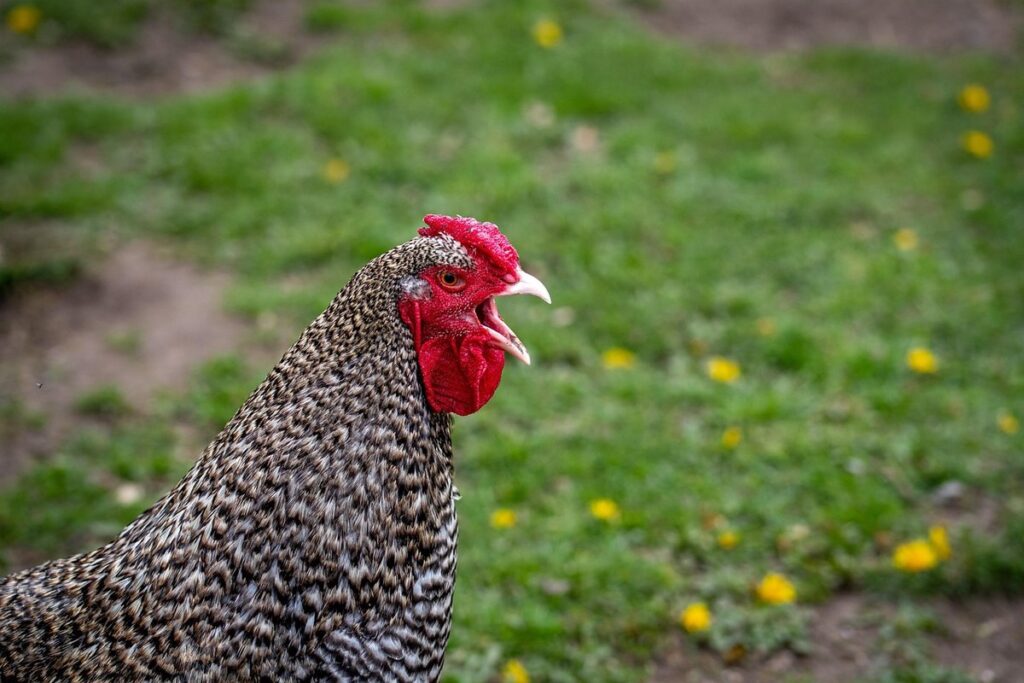
Choosing the Right Breed for Your Flock
When selecting a breed for your flock, it’s essential to consider their temperament, egg-laying abilities, and adaptability to ensure they thrive in your backyard. This section will guide you through key factors to consider when making this crucial decision.
Considerations for Selecting a Laying Breed
When selecting a laying chicken breed for your flock, there are several key factors to consider. First and foremost, egg production is a top priority for most backyard chicken keepers. Look for breeds that are known for their high egg-laying capacity, such as Leghorns or Rhode Island Reds, which can lay up to 300 eggs per year.
Another important consideration is temperament. Some breeds are more docile and easy-going, while others can be quite feisty. If you have young children or plan to let your chickens free-range, a friendly and gentle breed like the Buff Orpington may be a better fit.
Climate adaptability is also crucial, as some breeds thrive in hot weather while others prefer cooler temperatures. Research breeds that are well-suited to your local climate to ensure their health and happiness. Finally, consider the space requirements of your chosen breed. Larger breeds, such as Plymouth Rock chickens, require more space to roam than smaller breeds like the Silkie.
By weighing these factors, you can choose a laying chicken breed that meets your needs and provides years of egg-laying pleasure.
Popular Temperament Traits in Laying Breeds
When it comes to choosing the right laying breed for your flock, understanding their temperament traits is crucial. Different breeds prioritize various characteristics such as docility, friendliness, or energy level, which can significantly impact your daily interactions and management tasks.
For instance, some popular laying breeds like Leghorns are known for being bold and energetic, requiring plenty of space to roam and exercise. On the other hand, breeds like Orpingtons are often described as gentle and docile, making them an excellent choice for small farms or backyard flocks with children.
If you’re looking for a breed that’s easy-going and friendly, consider the Marans or Plymouth Rock. These birds are known to be relatively low-maintenance and adapt well to different environments. However, if you have limited space, breeds like the Araucana or Ameraucana might not be the best fit due to their high energy levels.
Ultimately, understanding your specific needs and circumstances will help you make an informed decision when selecting a laying breed that suits your lifestyle and preferences.
Climate Adaptation: How to Select a Breed That Thrives in Your Area
When choosing a breed for your flock, it’s essential to consider not only their egg-laying capabilities but also their ability to thrive in your local climate. Climate adaptation is crucial for the health and productivity of your chickens. A breed that excels in a hot and humid environment may struggle in colder climates, and vice versa.
To select a breed that thrives in your area, research breeds specifically developed for your region’s climate. For example, if you live in a cold climate, consider breeds like Leghorns or Rhode Island Reds, which are known for their hardiness in cooler temperatures. If you’re in a hot climate, look to breeds like Australorps or Orpingtons, which have been bred to withstand heat stress.
Consider factors such as temperature tolerance, humidity adaptation, and sun protection when selecting a breed. You should also think about the local disease pressures and how well a particular breed has fared against them in your region. By choosing a breed that’s well-suited to your climate, you’ll be setting your flock up for long-term health and productivity.
Top-Laying Chicken Breeds by Egg Production
If you’re looking for top-performing egg layers, we’ve got you covered – here are some of the best chicken breeds for maximum egg production per year. Let’s take a closer look at their impressive stats.
1. Leghorn – High-Egg-Producers
The Leghorn breed is renowned for its exceptional egg-laying capabilities, making it a popular choice among backyard chicken enthusiasts. Originating from Italy in the 19th century, this hardy and adaptable bird was selectively bred to prioritize egg production over meat quality.
One of the primary advantages of owning Leghorns is their prolific egg laying – hens can produce up to 320 large brown eggs per year, making them an excellent choice for families or small-scale farmers seeking a reliable egg source. Their average weight is around 4-5 pounds, with roosters weighing slightly more.
However, some disadvantages of owning Leghorns include their relatively high noise level and assertive nature, which can be challenging to manage in smaller backyard flocks. They also require regular exercise and mental stimulation to prevent boredom and stress, which can impact egg production. Despite these considerations, the rewards of owning a Leghorn flock far outweigh the drawbacks for many chicken keepers.
2. Rhode Island Red – Hardiness and High Earnings
The Rhode Island Red is renowned for its exceptional hardiness and impressive egg-laying capabilities. With an average lifespan of 8-12 years, this breed’s durability makes it a long-term investment for backyard chicken keepers.
One of the standout features of the Rhode Island Red is its high egg yield. On average, a healthy Rhode Island Red hen will lay around 200-220 large brown eggs per year, with some individuals producing up to 300 eggs annually. This consistent and substantial egg production makes it an ideal choice for households seeking reliable fresh eggs.
Temperament-wise, the Rhode Island Red is friendly, social birds that get along well with other chickens. They are relatively quiet, making them a great option for urban or suburban settings where noise concerns may be a consideration. With proper care and attention, these hardy birds can thrive in various environments and adapt to changing circumstances.
In terms of care, it’s essential to provide your Rhode Island Red hens with adequate space, nutrition, and regular health checks to ensure they remain healthy and productive throughout their lives.
3. Barred Plymouth Rock – Gentle Giants with Good Egg Production
The Barred Plymouth Rock is an excellent choice for backyard chicken keepers looking for a breed that lays plenty of eggs. These gentle giants are known for their impressive egg-laying abilities, producing around 200-220 brown eggs per year. Their sturdy build and friendly disposition make them an ideal addition to any flock.
One of the standout features of the Barred Plymouth Rock is its ability to adapt to various environments and management styles. They thrive in both small backyards and larger farms, making them a versatile choice for chicken enthusiasts. Additionally, they are relatively low-maintenance birds, requiring regular exercise and a balanced diet but tolerating some neglect when necessary.
To maximize egg production from your Barred Plymouth Rock hens, make sure to provide a nutritious layer feed and plenty of fresh water throughout the year. Regular check-ups with a veterinarian can also help identify any potential health issues before they become major problems. With proper care, these gentle giants will reward you with an abundance of delicious eggs for years to come.
Heritage Breeds for Unique Characteristics
If you’re looking for chickens that stand out from the crowd, heritage breeds are a great place to start, with their one-of-a-kind characteristics and traits. We’ll explore some of these unique breeds in more detail below.
1. Australorp: A Popular Choice for Egg Lovers
Australorp is one of the most popular laying chicken breeds for good reason. This heritage breed has been a favorite among backyard chicken keepers and commercial farmers alike due to its exceptional egg-laying abilities and gentle nature.
One of the standout features of Australorps is their high egg production rate. On average, an Australorp hen will lay around 200-220 large brown eggs per year, making them an excellent choice for families or individuals looking for a reliable source of fresh eggs. But what really sets them apart from other breeds is their calm and gentle disposition.
Australorps are known to be friendly and docile, even with children and other pets. They’re relatively easy to care for, requiring minimal maintenance and upkeep. With proper feed and attention, an Australorp hen can thrive in a backyard flock or commercial setting, providing an abundance of fresh eggs for years to come.
When considering adding an Australorp to your flock, it’s essential to provide them with adequate space, shelter, and nutrition. A balanced diet rich in protein and calcium will support their high egg production, while regular exercise and social interaction will keep them happy and healthy.
2. Orpingtons: Known for Their Gentle Temperament and Plump Eggs
Orpingtons are a popular choice among backyard chicken enthusiasts due to their gentle temperament and exceptional egg-laying abilities. When it comes to laying large eggs with high protein content, Orpingtons excel. On average, an Orpington hen will produce around 200-220 large brown eggs per year, making them an excellent option for families or those who consume a lot of eggs.
One of the benefits of owning Orpingtons is their relatively quiet nature. Unlike some other breeds, Orpingtons are not prone to loud squawking, which can be a bonus for urban dwellers or those who live in close proximity to neighbors. In addition to their calm demeanor, Orpingtons are also easy-going and can thrive in a variety of environments. They are relatively low-maintenance birds that require minimal attention and care.
If you’re considering adding an Orpington to your flock, be sure to provide them with plenty of space to roam and forage. With proper care and nutrition, Orpingtons will reward you with an abundance of delicious, protein-rich eggs for years to come.
Breeds That Are Easy to Raise for Beginners
If you’re new to raising chickens, don’t worry – some breeds are much easier to manage than others. Here we’ll cover the top beginner-friendly laying chicken breeds that are perfect for small farms and backyard flocks.
1. Golden Comet – Friendly, Low-Maintenance Chickens
If you’re new to chicken keeping, you might want to consider raising Golden Comets. This breed is known for its friendly and docile nature, making them an excellent choice for beginners. They are also relatively low-maintenance, which means they don’t require a lot of attention or specialized care.
One of the reasons why Golden Comets are ideal for new chicken keepers is their moderate egg production. They lay around 200-220 brown eggs per year, which is perfect for small-scale backyard farming or even just having a few eggs to collect from your own yard each day. Their laid-back personality also means they get along well with other chickens and can adapt easily to different living situations.
What’s more, Golden Comets are relatively hardy birds and can withstand various climate conditions. They require minimal space and can thrive in small areas as long as they have enough food and water. Overall, Golden Comets offer a wonderful combination of friendly temperament and moderate egg production, making them an excellent breed for beginners to consider.
2. Easter Egger: Versatile Chickens with Good Egg-Laying Capabilities
Easter Eggers are a popular choice among backyard chicken keepers due to their unique characteristics and excellent egg-laying capabilities. These birds are known for their ability to lay eggs with blue, green, or pink shells, making them a fun addition to any flock.
One of the best things about Easter Eggers is their versatility. They can thrive in a variety of environments and are relatively easy to care for, making them an excellent choice for beginners. Their temperament is also friendly and docile, which makes them a great fit for families with children or for those who want a low-maintenance pet.
In terms of egg production, Easter Eggers are capable of laying around 280-300 large brown eggs per year. This is comparable to some other popular breeds, making them a great choice for those who want a consistent supply of fresh eggs without breaking the bank. To get the most out of your Easter Egger’s egg-laying capabilities, be sure to provide them with plenty of space, a balanced diet, and regular veterinary care.
When selecting an Easter Egger, look for birds that are around 20-24 weeks old and have a good weight range. This will ensure that you’re getting a healthy bird that will thrive in its new environment. With proper care and attention, your Easter Egger can become a beloved member of your flock and provide you with years of enjoyment and fresh eggs.
Raising Laying Chickens in Small Spaces or Backyard Flocks
If you’re short on space or want to try your hand at keeping a backyard flock, we’ve got some expert advice on how to raise laying chickens efficiently and effectively.
Setting Up a Coop for Your Laying Hens
When it comes to setting up a coop for your laying hens, it’s essential to create a safe and functional space that meets their needs. Start by considering the size of the coop – aim for at least 2-4 square feet per hen inside the coop itself. Don’t forget to add some extra room outside for scratching and foraging.
The coop should be well-ventilated, dry, and protected from predators. You can achieve this with wire mesh or hardware cloth covering all openings, along with a secure roof. Consider adding nesting boxes – about one per 3-4 hens is ideal. Make sure they’re easily accessible and have a slope to encourage egg-laying.
When it comes to design, keep it simple and easy to clean. A predator-proof run is also crucial – aim for at least 8 feet high to prevent climbing. Consider adding some perches or roosting bars for your hens to roost on, but make sure they’re not too close together.
In terms of budget, you don’t have to break the bank to create a functional coop. Repurpose materials from around your house and get creative with DIY projects. Just remember to prioritize safety and functionality above aesthetics. With these practical tips in mind, you’ll be well on your way to creating a happy and healthy home for your laying hens.
Health Considerations When Keeping a Backyard Chicken Flock
When keeping a backyard chicken flock, it’s essential to consider their health and well-being. With so many laying breeds to choose from, some may be more suitable for small spaces or beginner keepers than others.
Health concerns can arise when introducing chickens to your backyard flock, particularly if you’re new to raising poultry. Chickens require regular veterinary care, vaccinations, and parasite control measures. It’s crucial to research the specific health needs of your chosen breed and ensure you can provide the necessary care.
Some breeds are more prone to certain health issues than others. For example, Leghorns are known for their high egg production but may be more susceptible to reproductive problems if not properly cared for. Meanwhile, Orpingtons are often healthier overall but can be more prone to obesity if overfed.
To maintain the health of your backyard flock:
* Regularly check for signs of illness or stress
* Provide a balanced diet and clean living conditions
* Practice good biosecurity measures to prevent disease transmission
By being aware of these health considerations, you can create a safe and healthy environment for your chickens to thrive in.
Breed Selection: Tips and Tricks from Experienced Owners
Choosing the right breed for your backyard flock can be overwhelming, but experienced owners have some valuable tips to share on making informed decisions that boost egg production.
Expert Insights on Selecting the Right Breeds for Your Needs
When it comes to choosing the right laying chicken breeds for your needs, there’s no one-size-fits-all solution. Each breed has its unique characteristics, advantages, and disadvantages. To help you make an informed decision, I’ve consulted with seasoned chicken keepers who have shared their personal experiences and valuable insights into breed selection.
For instance, Sarah from Oregon recommends the Leghorn breed for its high egg production. “I get about 300 large eggs per year from my two girls,” she shares. However, she also notes that they can be a bit flighty and require more attention to keep them contained. On the other hand, Mark from California swears by the Rhode Island Red breed, citing their friendly demeanor and gentle nature. “They’re great with children and other pets in our backyard flock,” he says.
When selecting breeds, consider your climate, available space, and personal preferences. If you live in a hot or cold region, choose breeds that are tolerant of extreme temperatures. For example, the Plymouth Rock breed excels in cooler climates, while the Australorp does well in warmer conditions.
Other factors to keep in mind include egg size, noise level, and feather maintenance. Some breeds, like the Silkie, have beautiful but high-maintenance feathers that require regular grooming. Others, like the Easter Egger, may not lay as consistently as other breeds but produce unique-colored eggs that are a delight to collect.
Ultimately, it’s essential to research and understand the needs and characteristics of each breed before making a decision. By doing so, you’ll increase your chances of finding the perfect fit for your flock – and enjoying an abundance of fresh eggs from happy, healthy birds.
Conclusion: Choosing the Best Laying Chicken Breed for You
Now that you’ve weighed your options and considered various laying chicken breeds, it’s time to make a decision. Think about what matters most to you in a backyard flock: egg production, temperament, space requirements, or climate adaptability. Take note of the characteristics that are non-negotiable for you and your family. For example, if you have young children, a docile breed like Rhode Island Reds may be the best fit. On the other hand, if you’re looking to maximize egg production, a prolific breeder like Leghorns could be the way to go. Whatever your needs, remember that each breed has its unique strengths and weaknesses – take your time and choose the one that best fits your lifestyle.
Frequently Asked Questions
Can I raise laying hens if I live in an area with harsh winters?
Yes, many breeds can adapt to cold climates, but it’s essential to choose a breed that is specifically suited for your region. Consider breeds like Rhode Island Reds or Barred Plymouth Rocks, which are known for their hardiness and can thrive in areas with freezing temperatures.
How do I know if my laying hens are healthy?
Regularly check your flock’s overall health by looking for signs of illness, such as labored breathing, lethargy, or changes in egg production. Ensure they have access to clean water, nutritious feed, and a safe living space to reduce the risk of disease.
Can I mix different laying breeds together in my backyard flock?
Yes, but it’s crucial to consider their temperaments and compatibility before introducing new birds to your existing flock. Some breeds may get along better than others, so research and understand their specific needs and personalities to ensure a harmonious flock.
How often should I collect eggs from my laying hens?
Collect eggs daily, as leaving them in the coop can lead to breakage and contamination. This will also help you monitor egg production and detect any potential health issues early on.
Can I raise laying hens in small spaces or backyards with limited square footage?
Yes, but it’s essential to provide adequate space for your birds to move around comfortably. Consider breeds like Golden Comets or Easter Eggers, which are known for their compact size and don’t require a large amount of space to thrive.