
Are you wondering if your hens really need a rooster to start laying those delicious eggs? You’re not alone! Many backyard chicken keepers have asked this very question, but the answer is more complex than a simple yes or no. The truth is that chickens can indeed produce eggs without males present, which might come as a surprise to some of you. But what’s really going on in the world of chicken reproduction? In this article, we’ll be debunking common myths surrounding roosters and egg-laying hens, exploring how females can still thrive without a male companion, and providing you with the facts you need to make informed decisions about your flock. So, let’s get cracking (pun intended!) and discover the truth about roosters’ role in egg production!
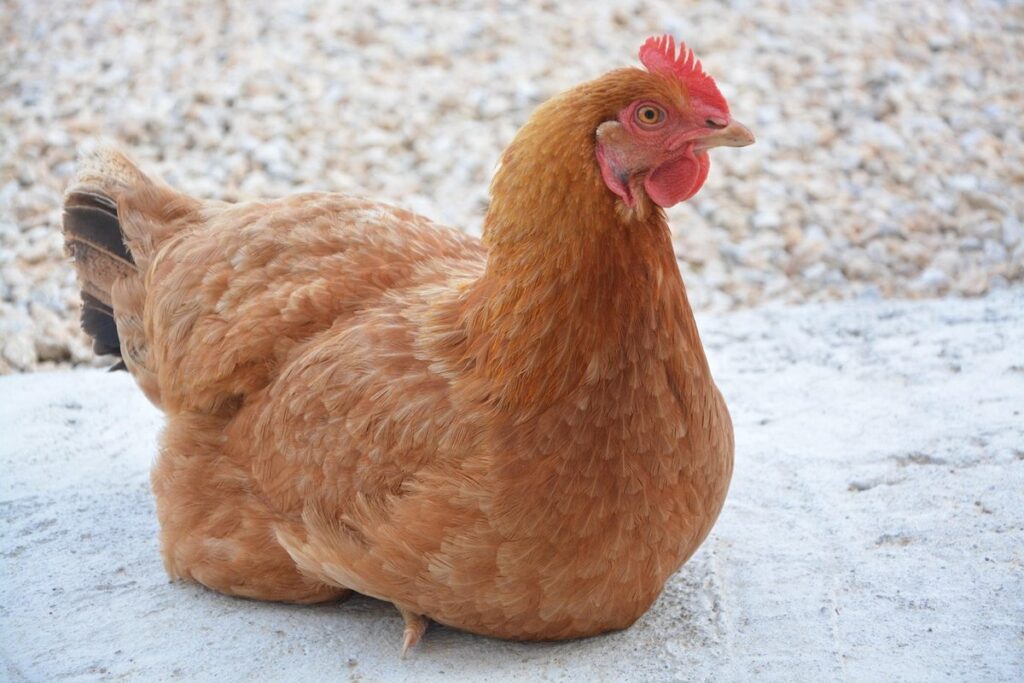
The Basics of Chicken Reproduction
To understand whether chickens need roosters to lay eggs, it’s essential to grasp the basics of chicken reproduction and how egg-laying works in hens. This foundation will help you make informed decisions about your flock.
Understanding the Role of Roosters in Hatching Chicks
When it comes to hatching chicks, roosters play a crucial role. Their primary function is to fertilize eggs, making them viable for incubation and subsequent hatching. For breeding purposes, having a rooster is essential as it ensures that the females produce fertile eggs.
To understand how this process works, let’s break it down: when a hen lays an egg, it contains a yolk but lacks a sperm. The rooster’s role is to fertilize this yolk during mating, which happens through a complex process involving internal fertilization. Once the sperm has penetrated the yolk, the egg becomes fertile and ready for incubation.
In contrast to egg-laying, roosters are not necessary for hens to produce eggs. Hens will continue to lay eggs without fertilization, but these eggs will be infertile. If you’re looking to breed chickens, it’s essential to have a rooster in the flock to ensure that your females produce fertile eggs.
For those interested in breeding, consider the following: when selecting a rooster, look for one with good temperament and breed characteristics. This will not only enhance fertility but also contribute to the overall health of your flock.
Key Differences Between Sexes in Chickens
When it comes to understanding why chickens need roosters to lay eggs, it’s essential to grasp the key differences between sexes. Male and female chickens exhibit distinct physical and behavioral characteristics that play a crucial role in their reproductive functions.
One of the most notable differences is the size and plumage. Roosters are generally larger and more ornate than hens, with brightly colored feathers and a prominent comb on top of their heads. Hens, on the other hand, tend to be smaller and have duller feathers. This physical disparity affects their behavior, as roosters often engage in dominance displays and courtship rituals to attract hens.
In terms of behavior, roosters are responsible for initiating mating activities, while hens will only respond if they’re fertile. Without a rooster present, hens may still lay eggs, but these eggs won’t be fertile due to the lack of male stimulation. This highlights why having a rooster is vital for chicken breeders who want to hatch chicks.
It’s also worth noting that some breeds of chickens are more inclined towards laying eggs without the presence of a rooster. However, even in these cases, a rooster can still be beneficial for maintaining genetic diversity within the flock.
Do Roosters Stimulate Egg-Laying in Hens?
Let’s dive into whether roosters actually play a role in stimulating egg-laying in hens, and what that means for your backyard flock.
The Impact of Roosters on Hen Behavior
When it comes to egg production, many backyard chicken keepers wonder if the presence of a rooster affects their hens’ behavior and laying habits. While the main purpose of a rooster is for breeding, its influence on hen behavior can indeed have an impact on egg production.
In terms of frequency, research suggests that the presence or absence of a rooster does not significantly affect the number of eggs laid by hens. A study conducted in the UK found no difference in egg-laying performance between flocks with and without roosters. However, there are some interesting observations to note: In a flock with a dominant rooster, hens may become more active during peak laying hours, potentially increasing overall egg production.
In fact, some chicken keepers report that the presence of a rooster helps their hens establish a regular routine, which can lead to increased productivity. This is likely due to the rooster’s role in maintaining social order within the flock.
Research on Rooster-Free Flocks
Research on rooster-free flocks has provided valuable insights into whether hens can thrive and produce eggs without male companions. A study published by the University of Georgia found that egg production was not significantly affected by the absence of roosters in chicken flocks. In fact, one flock produced 280 eggs per year with no noticeable decline in productivity compared to a matched flock with a rooster.
Another study conducted at Purdue University monitored the health and well-being of hens in both rooster-present and rooster-absent groups. The results showed that hens without roosters were less likely to experience feather pecking and aggressive behavior, which can lead to stress and decreased egg production. This suggests that removing roosters from a flock may actually promote a more harmonious and healthy environment for the hens.
To replicate these findings in your own backyard or farm, consider implementing a few key strategies: maintaining a balanced and nutritious diet, ensuring adequate space and exercise opportunities for your hens, and providing enrichment activities to keep them stimulated. By doing so, you may find that your rooster-free flock is just as productive – if not more so – than one with a male companion.
Can Hens Lay Eggs Without Roosters?
Let’s get straight to it: can hens lay eggs without roosters, or do they need a male partner to produce eggs at all? We’ll dive into this egg-cellent question next.
The Biological Process of Egg-Laying
Hens have a complex reproductive system that allows them to lay eggs even without the presence of roosters. The process begins with yolk release from the hen’s ovaries, which is triggered by a natural hormonal cycle controlled by the hen’s pituitary gland. The released yolk then travels through the oviduct, where it’s surrounded by layers of albumen and membranes to form a complete egg.
This biological process occurs independently of roosters, as hens are capable of producing eggs without any external stimulation or presence of males. In fact, most commercial chicken farms don’t keep roosters in their flocks because the hens will still lay eggs regularly. The absence of roosters can even lead to a more predictable and efficient egg-laying schedule for farmers.
It’s worth noting that while roosters play no direct role in egg production, they do contribute to other aspects of chicken health and social behavior, such as mating and pecking order establishment. However, if you’re specifically concerned with maximizing egg production, the absence of a rooster won’t have any impact on your hens’ ability to lay eggs regularly.
Examples of Rooster-Free Flocks in Practice
Many farms and breeders have successfully raised and bred chickens without roosters, proving that hens can indeed lay eggs without their presence. One notable example is the farm of renowned poultry expert, Joel Salatin, who has been raising egg-laying hens without roosters for over a decade.
On his Polyface Farm in Virginia, Salatin raises over 10,000 pastured hens using a unique breeding program that prioritizes egg quality and fertility. He uses AI (artificial insemination) to artificially inseminate his female birds with the semen of high-quality roosters from other flocks, eliminating the need for an on-site rooster.
Other breeders and farmers have also reported success in raising rooster-free flocks using various methods, including natural mating and embryo transfer. For example, some farms have found that removing roosters from their flock can lead to a significant reduction in stress-related behaviors, such as feather pecking and egg eating.
By adopting innovative breeding techniques, farmers can reap the benefits of rooster-free flocks while still producing high-quality eggs.
Debunking Common Myths About Roosters and Egg-Laying
Let’s set the record straight: many misconceptions abound regarding roosters and egg-laying, so let’s debunk some of these myths once and for all.
The Role of Males in Chicken Health
Many chicken keepers believe that roosters play a crucial role in maintaining flock health. However, this is far from true. In fact, the presence of a rooster can actually contribute to stress and disease within the flock. When a rooster is introduced to a group of hens, it’s not uncommon for them to engage in aggressive behavior, pecking at each other and fighting over dominance. This stress can weaken the immune system of individual birds, making them more susceptible to illness.
In some cases, the presence of a rooster has been linked to an increased incidence of diseases such as Marek’s disease and respiratory infections. For example, a study conducted by the University of California found that flocks with roosters had a higher rate of Marek’s disease than those without them. This suggests that roosters may be inadvertently spreading disease within the flock.
If you’re concerned about maintaining the health of your flock, consider raising chickens without a rooster. Many breeders and farmers swear by this approach, citing improved overall health and reduced stress levels among their birds. By removing the rooster from the equation, you can create a more harmonious and healthy environment for your hens to thrive in.
Separating Fact from Fiction: Egg-Laying and Roosters
One of the most enduring myths surrounding egg-laying hens is that they need roosters to lay eggs. This notion has been perpetuated by popular culture and even some backyard chicken enthusiasts, but is it based on fact or fiction? Let’s take a closer look.
The idea that hens require roosters to induce ovulation is largely a myth with no scientific backing. In reality, egg-laying in chickens is primarily controlled by genetics and is not influenced by the presence or absence of a rooster. Many backyard chicken keepers can attest to this fact, as they have successfully raised numerous flocks of hens that lay eggs without ever having a rooster present.
In fact, research has shown that hens will continue to lay eggs at a consistent rate regardless of whether a rooster is present or not. For example, studies have demonstrated that hens in all-female flocks can maintain high egg-laying rates for extended periods, often rivaling those of mixed-sex flocks.
So, what’s the take-home message? If you’re looking to raise chickens for eggs, you don’t necessarily need a rooster present. In fact, having only hens can simplify your flock management and reduce potential conflicts that may arise from introducing males into your coop.
Practical Considerations for Keeping Hens Without Roosters
Now that we’ve discussed why hens can lay eggs without roosters, let’s dive into some practical considerations to keep in mind when raising your flock.
Setting Up a Rooster-Free Flock
When setting up a rooster-free flock, it’s essential to consider breeding programs. You’ll want to choose breeds that are known for their high egg production and docile nature. For example, Leghorns, Rhode Island Reds, and Barred Rocks are popular choices for backyard flocks.
Nutrition is also crucial in maintaining a healthy and thriving rooster-free flock. Ensure your hens have access to a balanced diet rich in protein, calcium, and vitamins. A laying mash or pellets specifically formulated for egg-laying breeds will meet their nutritional needs. You may also consider supplementing with fresh fruits and vegetables to provide essential micronutrients.
Overall health management is critical in maintaining a rooster-free flock. Regular vaccinations and parasite control measures should be implemented. Monitor your hens’ behavior, appetite, and droppings for signs of illness or stress. Provide adequate space, shelter, and ventilation to prevent disease outbreaks. With proper care and attention, your rooster-free flock will thrive and produce an abundance of eggs.
Tips for Raising Healthy Hens in the Absence of Roosters
When raising hens without roosters, it’s essential to focus on providing them with optimal living conditions, nutrition, and health care. Start by creating a spacious and well-ventilated coop that allows for easy movement and dust-free air circulation. A minimum of 4 square feet per hen is recommended to prevent overcrowding and stress.
A balanced diet is also crucial for maintaining your hens’ overall health. Ensure they have access to a high-quality layer feed, supplemented with fruits, vegetables, and calcium-rich foods to support strong eggshell production. Consider adding a few feet of fencing around the run to allow them to engage in natural behaviors like foraging and exercise.
Regular health checks are vital to prevent diseases that can be more prevalent without roosters present to help regulate the flock’s social dynamics. Monitor your hens’ behavior, watch for signs of illness or stress, and take prompt action if you notice any unusual symptoms. Regular cleaning and disinfection of the coop will also help reduce the risk of disease transmission. By following these tips, you can raise healthy, thriving hens without roosters that will provide you with plenty of eggs and entertainment.
Conclusion: The Verdict on Roosters and Egg-Laying
Now that we’ve weighed the pros and cons, let’s get to the bottom line: can you actually rely on a rooster to boost your hens’ egg-laying abilities?
Recap of Key Points
In conclusion, let’s recap the key points from our discussion on whether roosters are necessary for hens to lay eggs. We’ve explored the age-old myth that roosters are essential for egg-laying, and now we can confidently say it’s just that – a myth.
It all comes down to genetics: some breeds of chickens are designed to be prolific layers regardless of the presence of a rooster. For example, Leghorns can lay up to 300 eggs per year without any male influence. Other breeds like Orpingtons and Australorps also excel at egg-laying without needing a rooster.
In fact, some studies have shown that the mere presence of a rooster can actually decrease egg production in some hens due to stress and competition for resources. So, if you’re looking to optimize your flock’s egg production, it’s best to focus on providing a healthy environment with plenty of food, water, and space.
To summarize: while roosters play an important role in fertilizing eggs, they are not necessary for hens to lay eggs in the first place. Whether you choose to keep a rooster or not, your laying hens will thank you for prioritizing their needs and creating a happy, productive coop environment.
Final Thoughts: Understanding Chicken Reproduction
As we conclude our exploration of whether chickens need roosters to lay eggs, it’s essential to take a step back and appreciate the intricate dance between genetics, environment, and behavior that influences chicken reproduction. Understanding this complex interplay is crucial for raising healthy and productive hens.
When it comes to egg-laying, genetics play a significant role in determining an individual hen’s reproductive potential. However, environmental factors such as nutrition, lighting, and social interaction also have a profound impact on her overall health and fertility. A rooster may not be necessary for egg production, but his presence can contribute to the hens’ well-being by introducing fresh genetic material and stimulating natural behaviors.
In many backyard flocks, experienced breeders swear by the benefits of having a rooster to enhance egg quality, increase fertility rates, and even boost the hens’ overall disposition. While there’s no one-size-fits-all approach, acknowledging the interconnectedness of genetics, environment, and behavior can help you make informed decisions about your flock’s health and productivity. By embracing this holistic understanding, you’ll be better equipped to create an optimal environment for your girls to thrive in, with or without a rooster by their side.
Frequently Asked Questions
Can I still breed hens if I don’t have a rooster?
Yes, it’s possible to breed hens without a rooster by using artificial insemination (AI) or purchasing fertile eggs from a reputable breeder. This method ensures that the females produce fertile eggs for incubation and subsequent hatching.
How do I know if my flock is fertile without a rooster present?
To determine fertility, you can monitor your hen’s behavior, egg production, and the overall health of the flock. Regularly check for signs of broodiness (such as nesting and clucking) and inspect the eggs for any visible cracks or damage.
Can I mix hens from different breeds without a rooster?
It’s generally recommended to keep hens of the same breed together, regardless of whether there is a rooster present. Mixing breeds can increase the risk of stress, disease transmission, and fertility issues in your flock.
How do I maintain good egg production in my hen flock without a rooster?
Maintaining healthy living conditions, providing adequate nutrition, and ensuring regular veterinary check-ups are essential for maintaining good egg production in hens. A balanced diet rich in calcium and vitamin D3 can also support optimal egg-laying.
Can I raise chicks from eggs laid by hens not bred with a rooster?
Yes, you can still hatch chicks from eggs laid by hens not bred with a rooster using artificial incubation or purchasing fertile eggs from a reputable breeder. However, it’s essential to ensure that the eggs are collected within 24 hours and stored in a clean environment to maintain their viability for incubation.