
As a backyard chicken keeper, you know how essential it is to provide your flock with a safe and healthy environment. One often-overlooked aspect of this is choosing the right egg box for your laying hens. A high-quality chicken egg box can make all the difference in preventing breakage, contamination, and stress on your birds. But with so many options available, how do you select the perfect one? In this article, we’ll dive into the key factors to consider when selecting a chicken egg box, including material, size, and maintenance requirements. We’ll also share expert tips on how to prevent breakage and contamination for a safe and healthy flock. Whether you’re a seasoned or beginner chicken keeper, read on to learn how to choose the best egg box for your birds.
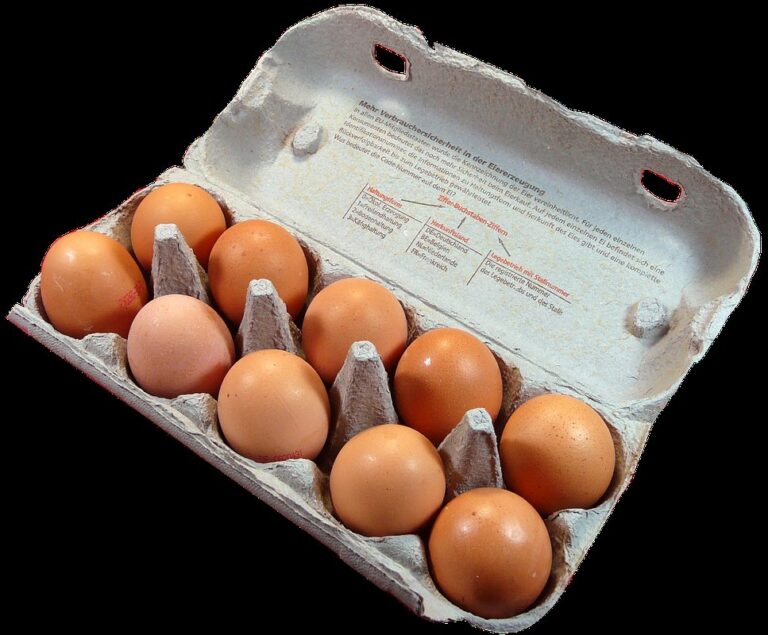
Understanding the Importance of Egg Box Quality
When it comes to collecting fresh eggs from your backyard flock, the quality of your egg box can make all the difference. A good egg box is essential for protecting those delicate eggs.
Benefits of a Good Egg Box Design
A well-designed egg box is not just about aesthetics; it plays a crucial role in maintaining the health and safety of both chickens and eggs. A good egg box can prevent breakage by providing individual compartments that keep each egg separate, reducing the likelihood of cracking or breaking during collection.
Moreover, an effective egg box design helps keep eggs clean by preventing dirt and debris from accumulating on them. This is particularly important in free-range or backyard chicken setups where chickens may have access to external environments that can introduce contaminants. By keeping eggs clean, a well-designed egg box reduces the risk of bacterial contamination and associated health issues.
A good egg box also reduces stress on the chicken by providing a comfortable and secure place for them to lay their eggs. When chickens are able to lay their eggs in peace, they experience less anxiety and stress, which can positively impact overall health and productivity.
Common Mistakes to Avoid When Choosing an Egg Box
When selecting an egg box, many people make common mistakes that can compromise the quality and safety of their eggs. One of the most critical errors is choosing a box that’s too small for the number of eggs being laid. This can cause eggs to break or get damaged during transportation, resulting in financial losses and wasted resources.
Another mistake is opting for egg boxes made from poor-quality materials. These boxes may not provide adequate protection against dust, moisture, or pests, which can contaminate the eggs and make them unsuitable for consumption. For instance, using cardboard boxes with weak seams can allow rodents to access the eggs, while plastic boxes with scratches or cracks can harbor bacteria.
To avoid these pitfalls, it’s essential to consider the following factors when choosing an egg box: the size of the box in relation to the number of eggs being laid; the material’s durability and resistance to pests and moisture; and any additional features that promote egg protection, such as ventilation holes or secure closures.
Types of Chicken Boxes for Laying Eggs
When it comes to choosing the right chicken boxes for laying eggs, understanding your options is key. Let’s explore the different types available to you.
Wooden vs. Plastic Egg Boxes: Which is Best?
When it comes to choosing an egg box for your chickens, two popular options are wooden and plastic. Both have their pros and cons, which we’ll break down below.
Wooden egg boxes are a classic choice for chicken keepers. They’re often seen as more aesthetically pleasing than plastic alternatives, and can be stained or painted to match your coop’s decor. However, they do require more maintenance than plastic – you’ll need to clean them regularly with soap and water to prevent bacterial growth, and may need to replace them every few years due to wear and tear. On the plus side, wooden egg boxes are generally easier on your chickens’ sensitive pecking beaks.
Plastic egg boxes, on the other hand, are a low-maintenance option that’s easy to clean and sanitize. They’re also often cheaper upfront than their wooden counterparts. However, they can become brittle over time and may crack if dropped, which could lead to messes or even accidents for your chickens. Some plastic egg boxes also have ridges or seams where eggs can get stuck.
Ultimately, the choice between a wooden and plastic egg box comes down to personal preference and your individual needs. If you’re looking for a more rustic, low-tech option that’s gentle on your chickens’ pecks, wood might be the way to go. But if you prioritize ease of cleaning and maintenance, plastic could be the better bet.
Automatic vs. Manual Egg Collectors
When it comes to choosing the right chicken boxes for laying eggs, one crucial decision is whether to opt for an automatic or manual egg collector. Both types have their advantages and disadvantages that you should consider before making a choice.
Automatic egg collectors are designed to reduce labor and make egg collection easier. They typically use sensors or rollers to detect and collect eggs from the nesting box, often without the need for human intervention. This can be especially beneficial for large flocks or busy farmers who have limited time to tend to their birds. However, automatic systems require a significant initial investment, take up more space due to their complex design, and may produce noise levels that disturb your flock.
On the other hand, manual egg collectors are simple, low-cost options that don’t require any electricity or specialized equipment. They rely on farmers to collect eggs by hand, which can be time-consuming but allows for a hands-on approach to monitoring your birds’ health and behavior. This option is ideal for small-scale farming operations or those with limited space and budget constraints.
How to Choose the Right Size Chicken Box
When it comes to selecting a chicken box for your laying hens, choosing the right size is crucial to ensure their comfort and health. Let’s break down what you need to consider when picking the perfect fit.
Factors Affecting Egg Box Size: Number of Hens, Breeding Type, and More
When it comes to choosing the right size chicken box, several factors come into play. The number of hens you plan to keep is one of the most crucial considerations. A general rule of thumb is to allocate about 3-4 square feet per hen inside the coop and 8-10 square feet in the run. For example, if you’re keeping five hens, a minimum egg box size would be around 15-20 square feet.
The breed type of your chickens also plays a significant role in determining the ideal egg box size. Larger breeds like Orpingtons or Plymouth Rocks require more space than smaller breeds like Leghorns or Bantams. If you’re keeping larger birds, you’ll need to allocate more space within the coop and run. Additionally, if you plan to keep multiple chickens in a single egg box, make sure each bird has enough room to move comfortably.
In terms of available space, consider the overall size of your property and how much land you can dedicate to the chicken run. A larger run will require a bigger egg box to accommodate more hens safely.
Calculating Your Chicken Box Space Requirements
To calculate the correct size of your chicken’s egg box, you’ll need to consider the number of birds and their expected egg production. A general rule of thumb is to provide 2-3 square inches of space per hen for nesting boxes. However, this can vary depending on breed and size.
Let’s use a simple formula to estimate the required space: (Number of hens) x (Average eggs laid per week) x (Space needed per egg). For example, if you have 5 hens that lay an average of 280 eggs per year (around 5-6 eggs per week), your calculation would be: 5 hens x 5-6 eggs/week x 2-3 square inches/hen = 10-18 square inches of nesting space.
Keep in mind that this is a rough estimate, and you may need to adjust based on the actual egg production and behavior of your flock. It’s also essential to consider the size and layout of the box itself, as well as any additional features like perches or roosts.
Installing and Maintaining a Chicken Egg Box
Now that you have your chicken boxes, let’s dive into the nitty-gritty of setting them up and keeping them clean to ensure optimal egg-laying conditions for your hens. Proper installation is crucial.
Tips for Proper Installation: Leveling, Support, and More
When installing an egg box, proper leveling is essential to ensure the eggs are collected safely and efficiently. Start by placing the egg box on a flat surface, ensuring it’s level both front to back and side to side. You can use shims or wedges under the feet of the egg box to achieve this.
Supporting the egg box is also crucial, especially if you have a large flock. Consider installing metal brackets or screws to secure the egg box to the coop wall. This will prevent it from tipping over in case some birds get too excited about laying an egg.
Additionally, make sure the egg box is easily accessible for cleaning and maintenance. Place it at a height that’s comfortable for you to reach without straining your back. You can also consider installing a ramp or step for easy access. Remember to clean the egg box regularly to prevent bacterial growth and keep your flock healthy.
Cleaning and Sanitizing Your Chicken Egg Box
Maintaining cleanliness and hygiene is crucial when it comes to storing eggs from your chicken coop. A clean egg box not only ensures that your eggs are safe for consumption but also prevents the spread of diseases among your flock. As a responsible backyard chicken owner, you should prioritize regular cleaning and sanitizing schedules for your egg box.
Clean the egg box at least once a week by removing all the eggs and washing it with warm soapy water. Scrub away any visible stains or debris using a non-abrasive brush or sponge. Rinse thoroughly and dry the box before returning the eggs to their storage space. To sanitize, mix 1 tablespoon of unscented bleach with 1 quart of water and soak the egg box for 10-15 minutes. Remove, rinse, and dry as usual.
Remember, cleaning and sanitizing are not one-time tasks but a regular routine to keep your egg box hygienic. Set reminders on your calendar or mark a specific day each week to perform these tasks. This simple habit will contribute significantly to the overall health and well-being of your chickens.
Egg Safety: How to Prevent Breakage and Contamination
When it comes to egg safety, preventing breakage and contamination is crucial to ensure the quality of your eggs. In this critical aspect, we’ll walk you through essential tips to keep your eggs safe.
Strategies for Reducing Breakage Rates
When it comes to minimizing breakage rates of eggs laid by hens in chicken boxes, careful handling and placement are crucial. Start by gently lifting the box out of its storage area or from under the coop’s nesting bars, making sure not to jostle the box excessively. Next, place the box on a flat surface, ideally a sturdy table or counter, where it can be easily accessed without having to lift or move it.
Using protective inserts in your chicken boxes is another effective strategy for reducing breakage rates. These inserts typically consist of soft materials like foam or egg crates that provide extra cushioning around each egg as they’re laid. Consider adding an insert with a gentle slope or incline, allowing eggs to roll smoothly into the protective area without getting stuck.
Regular cleaning and maintenance of your chicken boxes are also essential in preventing breakage. Remove any debris, old bedding material, and droppings to create a clean environment for hens to lay their eggs safely.
Maintaining a Safe Environment Around the Egg Box
When it comes to maintaining a safe environment around the egg box, there are several key considerations to keep in mind. First and foremost, proper ventilation is crucial to prevent moisture buildup and associated odors that can lead to pest infestations and contamination risks.
To ensure adequate airflow, position the chicken boxes near a wall or in an open area to facilitate cross-ventilation. A minimum of 1 inch (2.5 cm) of clearance between the box’s top edge and any adjacent structure is recommended. This will also make cleaning and maintenance easier.
Temperature control is another critical aspect of maintaining a safe environment around the egg box. Chickens should be kept in an area with natural light but protected from extreme temperatures, direct sunlight, or drafts. A temperature range of 40°F to 80°F (4°C to 27°C) is ideal for healthy chicken production.
Regular monitoring and maintenance are essential to preventing pest infestations and maintaining the overall cleanliness of the egg box area. Consider installing hardware cloth or chicken wire around the perimeter to deter predators, such as raccoons, foxes, and hawks. By taking these precautions, you’ll be well on your way to creating a safe and secure environment for your chickens and their eggs.
Conclusion: Choosing the Perfect Chicken Egg Box for Your Flock
Now that you’ve weighed your options and considered factors such as size, material, and design, it’s time to make a decision. When choosing the perfect chicken egg box for your flock, remember that it’s not just about aesthetics – it’s about functionality and comfort for your hens. Consider how easy the eggs will be to collect and whether the box is accessible for cleaning. Think about the durability of the material and whether it can withstand the elements. For example, if you live in an area prone to heavy rain or snow, a waterproof option would be a wise choice. By taking these factors into account, you’ll be able to find the perfect chicken egg box that meets your needs and keeps your hens happy and healthy.
Frequently Asked Questions
What is the ideal number of eggs per chicken box to prevent overcrowding?
When selecting a chicken egg box, it’s essential to consider the ideal number of eggs per compartment to prevent overcrowding and breakage. As a general rule, allow about 1-2 inches (2.5-5 cm) of space between each egg for easy retrieval and to prevent cracking. For most backyard flocks, 12-18 eggs per box is a good starting point.
Can I use an old wooden crate as an egg box if it’s clean?
While an old wooden crate can be repurposed as an egg box, ensure it’s thoroughly cleaned and sanitized before using it to store fresh eggs. Wood can harbor bacteria, which can contaminate the eggs. Use a mild detergent and hot water to clean the crate, then let it dry completely before storing eggs.
How often should I clean and sanitize my chicken egg box?
Regular cleaning and sanitizing are crucial to maintaining a safe environment for your flock. Clean the egg box at least once a week with soap and water, paying attention to any areas where dirt or debris accumulate. Sanitize the box every 2-3 months using a solution of one part white vinegar to nine parts water.
What’s the best way to prevent eggs from rolling out of the chicken box during collection?
To prevent eggs from rolling out of the chicken box during collection, make sure the box is securely positioned on a flat surface. Use a non-slip mat or a rubber liner under the egg box to prevent it from sliding around. You can also consider using an automatic egg collector for easier and safer retrieval.
Can I use a plastic egg box with a lid as a substitute for a wooden one?
Plastic egg boxes with lids can be a convenient alternative to traditional wooden ones, but they may not provide the same level of protection against breakage and contamination. Plastic egg boxes are often more prone to cracking under pressure, which can lead to egg breakage. If you do choose a plastic egg box, ensure it’s designed specifically for egg storage and follows proper installation guidelines.