
If you’re raising meat birds for your family or on a small farm, getting their nutrition right is crucial. A well-balanced diet is essential to ensure they grow strong and healthy, but it can be overwhelming with all the different feed options available. That’s where a comprehensive meat bird feeding chart comes in handy. This chart will help you determine how much feed your birds need at each stage of growth, avoiding common mistakes that can lead to stunted or underweight flocks. In this article, we’ll explore how to create a balanced diet for your meat birds and share a step-by-step guide to calculating their feed requirements using our easy-to-use feeding chart. By the end of this post, you’ll be confident in creating a healthy and productive flock.
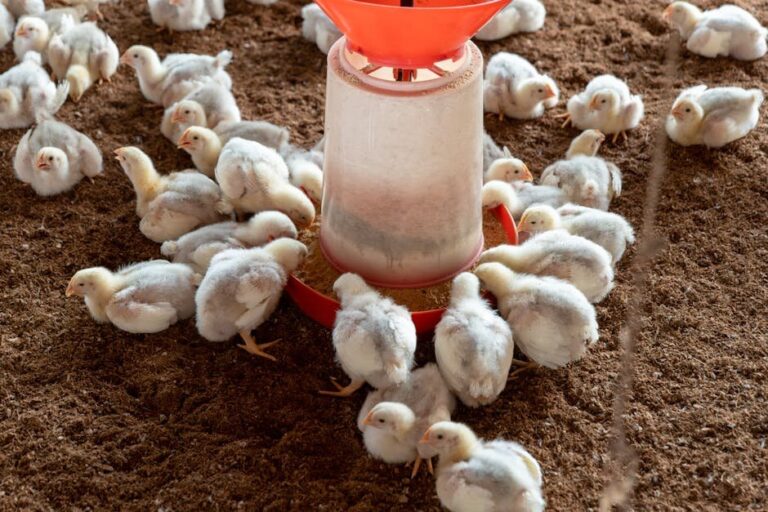
Understanding Your Meat Birds’ Nutritional Needs
When it comes to raising healthy and productive meat birds, getting their nutrition right is crucial. In this section, we’ll delve into the specific dietary needs of your flock.
Factors to Consider in a Meat Bird Diet
When it comes to feeding meat birds, providing the right nutrients is crucial for their health and productivity. Meat birds require a diet rich in protein, calcium, and phosphorus to support rapid growth and development.
Protein is essential for building muscle mass and maintaining overall health. A good quality layer feed or starter/grower feed should provide around 18-20% protein content. It’s also essential to ensure the protein sources are from animal origin, such as fishmeal, rather than plant-based sources like soybean meal, which can be less digestible.
Calcium and phosphorus are also critical for meat bird development. Calcium is necessary for building strong bones and eggshell production, while phosphorus supports bone growth and overall health. Aim to provide around 1-2% calcium and 0.5-1% phosphorus in the diet.
A balanced diet that meets these nutritional requirements will ensure your meat birds grow healthy and strong. It’s essential to choose a feed that is specifically formulated for meat production, as it will have the correct balance of nutrients to support rapid growth.
The Role of Commercial Feed in a Meat Bird’s Diet
When it comes to meeting the nutritional needs of your meat birds, commercial feed plays a significant role. These pre-mixed feeds are formulated to provide a balanced diet that includes all the essential nutrients for optimal growth and health. One of the primary benefits of using commercial feed is convenience – it saves you time and effort in mixing and preparing individual ingredients. Additionally, commercial feeds often contain added nutrients like vitamins and minerals that might be difficult to replicate with homemade mixes.
However, relying solely on commercial feed can have limitations. For instance, some farmers prefer a more customized approach to nutrition, which may not be feasible with pre-mixed feeds. Moreover, using the same feed for an extended period can lead to a lack of variability in your birds’ diets, potentially affecting their health and performance.
It’s essential to choose a high-quality commercial feed that aligns with your specific breed’s needs and production goals. Be sure to read the label carefully and look for feeds that are specifically formulated for meat production. Consult with your veterinarian or poultry expert to determine the best feeding strategy for your operation.
Creating a Feeding Chart for Your Meat Birds
Now that we’ve covered the basics of meat bird nutrition, it’s time to create a feeding chart tailored to your flock’s needs. This section will walk you through creating a customized feeding schedule.
Calculating the Amount of Feed Required per Day
Calculating the amount of feed required per day for your meat birds is crucial to ensure they receive the right nutrients at the right time. The general rule of thumb is to provide 1-2% of their body weight in feed daily, but this can vary depending on factors such as age and breed.
To calculate the correct amount of feed, start by determining the average weight of your birds. If you’re raising a batch with varying weights, use the heaviest bird’s weight as a benchmark. For example, if your birds weigh an average of 1.5 kg each, provide 15-30 grams of feed per bird daily (1.5 kg x 10-20 = 15-30 grams).
Another factor to consider is age. Chicks require more frequent feeding than adults, as they need to grow rapidly in the first few weeks. Aim for 3-4% of body weight in feed for chicks under 6 weeks old.
It’s also essential to take into account breed differences. Some breeds, like Leghorns and Cornish Cross, are bred specifically for meat production and may require more feed than others. Make sure to research your specific breed’s feeding requirements to ensure you’re meeting their nutritional needs.
Example Feeding Charts for Different Breeds and Ages
When it comes to creating a feeding chart for your meat birds, it’s essential to consider their breed and age. Different breeds have unique nutritional requirements, and as they grow, their needs change too. Here are some example feeding charts tailored to specific breeds and ages of meat birds:
Broilers (0-6 weeks)
For broiler chickens, a starter feed with 20% protein is recommended from day one to six weeks old. Feed them ad libitum (free-choice), but be sure to provide fresh water at all times. As they approach six weeks, switch to a finisher feed with 18% protein.
Pullets (6-16 weeks)
For pullets, start with a grower feed containing 16% protein from six to eight weeks old. Gradually increase the age and reduce the protein content to 14% by 12 weeks. Ensure they always have access to fresh water and a balanced calcium source.
Cockerels (6-24 weeks)
For cockerels, follow similar guidelines as for broilers, but adjust the feeding schedule according to their growth rate. A starter feed with 20% protein is suitable from day one to six weeks old. For finisher feed, switch to 18% protein from eight to 12 weeks and then 16% until harvest.
Remember to monitor your birds’ growth, health, and egg production (if applicable) and adjust the feeding chart as needed.
Tips for Managing Feed and Water in Your Flock
To raise a healthy flock, it’s essential to get feed and water management right from day one. Proper feeding and watering strategies will make all the difference in your meat bird’s growth and development.
Best Practices for Providing Fresh Water
Providing fresh water at all times is crucial for the health and well-being of your meat birds. Just like humans, they need access to clean drinking water to stay hydrated and maintain their energy levels. In fact, a study by the University of California found that water intake directly impacts egg production in laying hens, which can also be applied to meat birds.
To ensure your flock always has fresh water, it’s essential to maintain clean drinking areas. Here are some tips to keep your water containers spotless: change the water completely every day, scrub the container with a non-toxic soap at least once a week, and position them in a shaded area to prevent algae growth.
In addition, make sure the waterers are easy for the birds to access, as they may struggle to drink from shallow or narrow containers. Use a waterer that’s specifically designed for meat birds, which usually have larger openings and deeper cups. This will not only save you time but also help your flock stay healthy and happy.
Regularly inspect your waterers and containers for any signs of contamination, such as cloudy water or an unusual smell. If you notice anything out of the ordinary, change the water immediately to prevent bacterial growth. By following these simple tips, you’ll be able to provide your meat birds with fresh water at all times.
Strategies for Reducing Feed Waste and Costs
Reducing feed waste and costs is crucial for any meat bird operation, as it can account for up to 10% of total expenses. To minimize losses, start by implementing proper storage techniques. Feed should be stored in a cool, dry place, away from direct sunlight and moisture. This will prevent degradation and spoilage.
When it comes to feeding, use the right type and quantity of feed for your flock’s needs. Overfeeding can lead to waste, so follow the recommended feeding chart guidelines. Also, consider using feeders that minimize waste, such as troughs with built-in feed pans or automatic feeders that control the amount dispensed.
Another key strategy is monitoring feed consumption closely. Regularly check the feeders and adjust the amount of food provided based on your flock’s consumption patterns. This will help prevent overfeeding and reduce waste. By implementing these simple strategies, you can minimize feed waste and lower costs associated with managing your meat bird operation.
Monitoring Your Meat Birds’ Growth and Development
As you strive for optimal growth and development in your meat birds, it’s essential to monitor their progress regularly to ensure they’re reaching their full potential. Here, we’ll walk you through how to do just that effectively.
Signs of Nutritional Deficiencies or Excesses
When monitoring your meat birds’ growth and development, it’s essential to be aware of common signs of nutritional deficiencies or excesses. These can manifest as various symptoms, from stunted growth to poor eggshell quality. Keep an eye out for the following:
* Stunted growth: If you notice that some birds are significantly smaller than others at the same age, it may indicate a nutritional deficiency.
* Poor feather quality: Lack of nutrients like protein or vitamins can cause brittle, thin, or patchy feathers.
* Lethargy and weakness: Birds with nutritional deficiencies often appear sluggish and lethargic, while those with excesses may be overly energetic.
* Eggshell problems: Weak or soft eggshells can be a sign of inadequate calcium or other minerals.
To address these issues, make sure to provide a balanced diet that meets your birds’ nutritional needs. Use the meat bird feeding chart in this guide to ensure you’re providing the right amounts of protein, fat, and other essential nutrients. Regularly inspect your flock’s health and adjust their diet accordingly.
How to Adjust Feed Rations Based on Bird Performance
Monitoring bird performance is crucial to ensure they’re receiving the right amount of nutrients for optimal growth and development. To do this effectively, you need to keep a close eye on their overall health, weight gain, and feed consumption.
Start by tracking individual bird weights regularly to identify any potential issues. For example, if birds in a specific coop are consistently gaining weight at a slower rate than others, it may indicate that they’re not receiving enough energy or protein-rich nutrients. Conversely, if some birds are putting on too much weight too quickly, you might need to adjust their feed rations to prevent health problems like organ damage and mobility issues.
To make adjustments to your feeding chart, consider the following factors:
* Energy levels: Birds with high activity levels will require more energy to support growth.
* Nutrient intake: If birds are showing signs of nutrient deficiencies (e.g., soft-shelled eggs or poor feather condition), adjust their feed rations accordingly.
* Age and sex: Different ages and sexes have varying nutritional requirements; make sure to tailor your feeding chart to meet these needs.
By monitoring bird performance closely, you can identify areas for improvement and make data-driven decisions about adjusting your feed rations.
Common Feeding Mistakes to Avoid
When it comes to feeding your meat birds, there are a few common mistakes that can hinder their growth and health. Let’s take a closer look at what to avoid.
Overfeeding: A Major Cost Factor for Meat Producers
Overfeeding is one of the most significant and costly mistakes meat producers make. It not only increases costs but also compromises the quality of the meat. When birds are overfed, they consume more energy than they can burn, leading to weight gain rather than efficient growth. This excessive weight gain puts a strain on the bird’s body, causing it to deposit more fat in its muscles and organs.
As a result, the meat produced becomes less tender and leaner, which is undesirable for consumers. Moreover, overfeeding can lead to an increased incidence of health issues such as fatty liver syndrome, obesity, and lameness in birds. This not only affects the bird’s welfare but also impacts the producer’s bottom line due to higher mortality rates and veterinary costs.
To avoid overfeeding, it’s essential to monitor your birds’ feed intake and adjust their feeding schedule accordingly. Start by tracking their growth rate and adjusting the quantity of feed provided based on their individual needs.
Underfeeding: A Threat to Flock Health and Productivity
Underfeeding can have severe consequences on a flock’s health and productivity. One of the most significant effects is stunted growth, which can lead to reduced egg production and decreased meat quality. When birds are not provided with enough nutrients, their bodies divert energy away from growth and development, resulting in smaller, less efficient birds.
Reduced fertility is another critical consequence of underfeeding. Nutrient deficiencies, particularly protein and calcium, can impact reproductive health, leading to lower hatch rates and reduced egg production. For example, a study on broiler chickens found that underfed birds had significantly lower fertility rates compared to those with adequate nutrition.
To avoid these issues, it’s essential to ensure your flock is receiving the right amount of feed for their age, breed, and activity level. Use our meat bird feeding chart as a guide to determine the ideal feeding schedule for your birds. Monitor their growth and adjust feed intake accordingly to prevent underfeeding. Keep in mind that overfeeding can be just as detrimental, so strike a balance between providing enough nutrients and avoiding excessive consumption.
Additional Considerations for Small-Scale or Backyard Meat Producers
As a small-scale meat producer, you may face unique challenges when it comes to feeding your flock, such as limited space and resources. Let’s dive into some valuable considerations for optimizing their nutrition.
Specialized Feeding Needs for Heritage Breeds or Rare Varieties
When working with heritage breeds or rare varieties, their specialized feeding needs must be taken into account to ensure optimal growth and health. These birds often have unique nutritional requirements due to their specific genetics and historical origins.
Some heritage breeds may require more protein-rich diets, such as the Dorking breed which benefits from a 22-24% protein feed. Others like the Silkie or Polish may need extra calcium and phosphorus to support their distinctive beak growth. Researching the specific needs of your particular breed is essential to providing them with the best possible care.
In terms of actual feeding, it’s not just about the type of feed but also the quantity. For example, heritage breeds like the Ayam Cemani may require smaller amounts due to their compact size and slower growth rates. Conversely, larger breeds such as the Jersey Giant may need more calories to support their massive size.
It’s also worth noting that many heritage breeds are raised for exhibition or specialty markets rather than meat production. As a result, they often receive more attention to feed quality and nutrition, which can be beneficial for producers looking to raise these birds. By understanding and meeting the specific needs of your heritage breed or rare variety, you can help them thrive and produce high-quality products.
Tips for Managing Feed Costs on a Limited Budget
Managing feed costs can be a challenge for small-scale or backyard meat producers. To minimize expenses, prioritize high-quality feed that provides optimal nutrition to your birds. Consider purchasing feed in bulk and storing it properly to maintain freshness.
When planning your feeding strategy, take into account the breed and age of your birds, as well as their growth rate and activity level. Younger birds require more calories per pound than mature birds, so adjust their feed intake accordingly. A general rule of thumb is to provide 1/4 to 1/2 pound of starter feed per day for chicks and 1/2 to 3/4 pound of finisher feed for adults.
To further reduce costs, consider incorporating local ingredients into your feed mix. For example, you can add supplements like oyster shells or mealworms to provide essential nutrients at a lower cost.
Frequently Asked Questions
How do I know if my meat birds are getting enough calcium?
Calcium is crucial for strong bone development, so ensure your feed contains sufficient amounts (around 1-2% calcium content). You can also supplement with crushed oyster shells or eggshells. Monitor your flock’s overall health and watch for signs of weakness or soft bones.
Can I use table scraps to supplement my meat birds’ diet?
While occasional treats are okay, relying on table scraps can lead to nutritional imbalances. Sticking to a balanced commercial feed ensures your birds receive the necessary protein, calcium, and phosphorus for optimal growth. Limit table scraps to 10% of their daily intake.
What’s the best way to monitor my meat birds’ feed consumption?
Track feed usage using a simple log or spreadsheet, noting the amount fed each day and the corresponding flock weight. This helps you adjust feed rations based on bird performance and prevents overfeeding or underfeeding.
Can I create a custom feeding chart for my specific breed and climate?
Yes! While our general meat bird feeding chart provides a solid starting point, consider your unique situation when adjusting the chart. Factors like temperature, humidity, and breed-specific needs may require adjustments to ensure optimal nutrition.
How do I store feed safely to prevent spoilage and pests?
Keep feed in rodent-proof containers or bins with tight-fitting lids, stored away from direct sunlight and moisture. Regularly inspect your storage area for signs of pest activity or feed degradation.
My Cornish Cross birds are 4 weeks old. Is there a point where I should not have feed available 24 hrs a day?