
As a guinea fowl parent, you’re probably eager to get your newly hatched keets off to a flying start. Feeding them the right foods is crucial for their growth and development, but with so many options available, it can be overwhelming. From what to feed them from hatch to adulthood, to ensuring optimal nutrition and proper water quality, there’s a lot to consider. In this comprehensive guide, we’ll walk you through the best ways to select feed that meets your keets’ needs at every stage of their growth. We’ll also share expert advice on supplementing with fruits and vegetables, and provide tips for maintaining crystal-clear water that promotes healthy digestion and overall well-being. By following our expert advice, you can give your keets a solid foundation for a happy, healthy life.
Importance of Proper Nutrition
Now that we’ve covered their basic needs, it’s essential to focus on providing your guinea keets with proper nutrition for optimal growth and health. This includes a balanced diet rich in protein, vitamins, and minerals.
Understanding Guinea Keet Growth Stages
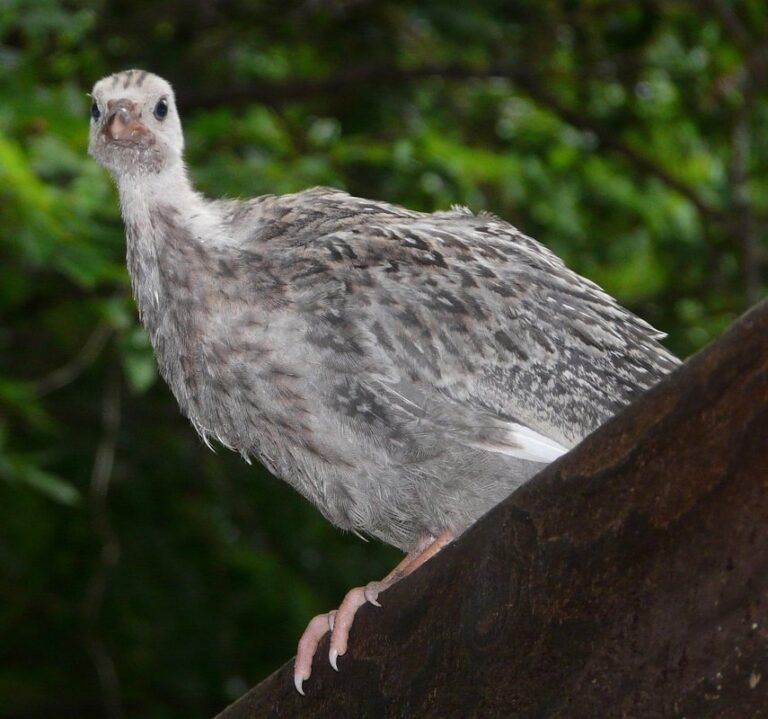
Guinea keets go through several distinct growth stages as they develop from hatch to adulthood. These stages are critical periods of development, and proper nutrition is essential for optimal growth and health.
The first stage, from hatch to 4-5 weeks old, is a period of rapid growth and development. During this time, guinea keets rely heavily on their yolk sac for energy and nutrients. As they begin to forage, provide a starter feed that’s high in protein (around 20%) to support muscle growth and feather development.
Between 4-8 weeks old, guinea keets transition from relying solely on their yolk sac to eating solid foods. Introduce a grower feed with around 16% protein content to continue supporting growth and development. Make sure fresh water is always available.
From 8-12 weeks onwards, guinea keets are almost fully grown, but they still require nutrient-rich food to maintain optimal health and productivity. A finisher feed with around 14% protein can be introduced during this stage. Remember, the key to raising healthy guinea keets is providing a balanced diet tailored to their specific growth needs at each stage.
Nutritional Requirements for Guinea Keets
Guinea keets require a balanced diet rich in essential nutrients to grow and thrive. Protein is crucial for their development, especially during the first few weeks of life when they are growing rapidly. A minimum of 20% protein content in their feed is recommended, with a mix of animal and plant-based sources such as soybean meal, fish meal, and oats.
Calcium is also vital for guinea keets, particularly to support strong bone growth and development. A ratio of 2:1 (calcium to phosphorus) is essential to prevent metabolic disorders. Vitamin D3 is necessary for calcium absorption, while vitamin E supports overall health and immunity. Vitamins A and K are important for various bodily functions, including vision, immune response, and blood clotting.
A well-balanced feed should also contain B-complex vitamins, which play a crucial role in energy metabolism and nerve function. Provide fresh vegetables like leafy greens and fruits as treats to supplement their diet with essential micronutrients. A good quality guinea keet starter feed or layer feed can be a convenient option for owners who are new to raising these birds.
Choosing the Right Feed
When it comes to feeding your guinea keets, choosing the right feed is crucial for their healthy growth and development. In this section, we’ll explore the best options for your young keets’ nutritional needs.
Types of Feed Available
When it comes to feeding your guinea keets, selecting the right type of feed is crucial for their growth and development. Fortunately, there are various types of feeds available, each catering to different stages of a guinea keet’s life.
Starter feed is designed for young keets, typically from day-old to 16 weeks old. It contains higher protein levels (around 18-20%) to support rapid growth and development during this critical period. A good starter feed should also include essential vitamins and minerals like calcium and phosphorus for strong bone growth.
Grower feed takes over after the starter phase, usually around 16 weeks of age. Its protein content is slightly lower (15-17%) as keets begin to transition into adult birds. Grower feed still provides a balanced mix of nutrients but with less emphasis on rapid growth.
Layer feed is specifically formulated for adult guinea fowl, typically from 24 weeks onwards. It contains even lower protein levels (around 12-14%), focusing more on egg production and overall health maintenance. Layer feed also includes additional calcium to support strong eggshell formation.
Treats are a fun way to add variety and excitement to your keets’ diet. However, be mindful of their nutritional content as excessive treats can lead to an imbalanced diet. Opt for nutrient-rich treats like fruits, vegetables, or commercial guinea fowl treats specifically formulated to complement their regular feed.
Factors to Consider When Selecting a Feed
When selecting a feed for your guinea keets, it’s essential to consider several factors that cater to their unique needs. The age of your keets plays a significant role, as starter feeds are designed specifically for young birds and provide the necessary nutrients for growth and development. Look for feeds labeled as “starter” or “grower” for keets under 20 weeks old.
As your guinea keets mature, you’ll need to transition them to a layer feed that’s formulated for adult birds. This type of feed is higher in calcium to support strong eggshell production. If you’re planning to breed your guineas, consider a breeder or show bird feed that contains additional nutrients and minerals.
Climate also affects the nutritional needs of your keets. In colder climates, you may need to provide more energy-rich feeds to help them stay warm. Conversely, in hot climates, look for feeds with built-in cooling agents to prevent heat stress. Additionally, consider the health status of your flock; if they’re prone to specific health issues, choose a feed that addresses those needs.
Providing Fresh Water and Supplements
Now that you know how much food guinea keets need, let’s talk about providing them with fresh water and essential supplements to support their growth. You’ll want to ensure they have a steady supply of clean water and nutritious additives.
Importance of Clean Drinking Water
Providing clean drinking water is essential for guinea keets’ health and well-being. A constant supply of fresh water is vital to prevent dehydration and support their growth and development. However, contamination can easily occur if the water source is not properly maintained.
Regularly change the water in your guinea keets’ container to ensure it remains clean and free from bacteria. Aim to replace the water at least twice a day, more often in hot weather or if you notice any signs of contamination. Check the water for any visible signs of dirt, grime, or mold before offering it to your keets.
To prevent contamination, use a waterer that allows easy access and minimizes splashing. Position the waterer at an angle to encourage the guinea keets to drink from one end rather than all sides. Clean the waterer regularly with mild soap and warm water to prevent bacterial growth. By following these simple steps, you can provide your guinea keets with a safe and reliable source of clean drinking water.
Supplementing with Fresh Fruits and Vegetables
When it comes to supplementing with fresh fruits and vegetables for guinea keets, it’s essential to choose safe and healthy options. Start by introducing a variety of leafy greens like kale, spinach, and collard greens, which are rich in vitamins A and K. Other suitable choices include carrots, sweet potatoes, and berries like blueberries and strawberries. Avoid giving citrus fruits, as their acidity can be problematic for keets.
Remember to introduce new foods gradually to prevent digestive upset. Start with small amounts (about 1-2 teaspoons per keet) and increase the portion size based on individual tolerance. Some vegetables can be offered raw, while others may require steaming or cooking to make them more palatable. For instance, cooked carrots are easier for keets to digest than raw ones.
While fruits and veggies can provide essential nutrients, overindulgence in treats can lead to health issues like obesity, vitamin A toxicity, or an imbalance of calcium and phosphorus levels. Always maintain a balanced diet with commercial starter feed as the main staple, and reserve fresh produce for occasional treats (about 10-15% of their total diet).
Avoiding Common Feed-Related Problems
Guinea keets can be prone to certain feed-related issues, such as overeating and nutritional deficiencies. Let’s explore some common problems to watch out for and how you can avoid them.
Overfeeding and Obesity
Guinea keets require a delicate balance of nutrients to grow and thrive. Overfeeding can lead to serious problems that compromise their health and productivity. One of the most significant risks is obesity, which can cause a range of issues including joint problems, reduced mobility, and an increased risk of disease.
When guinea keets consume more calories than they need, it can result in slow growth rates, weakened immune systems, and even reproductive problems if applicable (e.g., egg production). Overfeeding can also lead to an imbalance of essential nutrients, causing deficiencies in vitamins and minerals that are critical for optimal health.
It’s essential to monitor your guinea keets’ food intake closely and adjust their diet accordingly. A general rule of thumb is to provide 1/4 to 1/2 cup of feed per bird daily, depending on age and breed. Keep an eye out for signs of overfeeding, such as a bulging belly or lethargy, and consult with your veterinarian if you suspect that your birds are not receiving the right amount of food. Regular weighing and health checks will help you identify any potential issues early on, ensuring your guinea keets stay healthy and thrive.
Underfeeding and Malnutrition
Underfeeding guinea keets can have severe and long-lasting consequences on their health and well-being. When young keets are not receiving enough nutrients, it can lead to stunted growth, as they may not be able to reach their full potential size. This is particularly concerning during the first few weeks of life when keets require a diet rich in protein and calcium to support bone development.
Underfeeding can also weaken a guinea keet’s immune system, making them more susceptible to diseases such as coccidiosis and respiratory infections. Imagine your keet struggling to fight off an infection due to inadequate nutrition – it’s heartbreaking! To prevent this, ensure you’re providing enough food at regular intervals. A good rule of thumb is to provide 20-25% of their daily calorie intake in the first few weeks.
Monitor your keets’ weight and adjust feeding schedules accordingly. It’s also essential to note that overfeeding can be just as detrimental as underfeeding. Balance is key. By providing a nutritious diet and monitoring their progress, you’ll give your guinea keets the best chance at growing strong and healthy.
Additional Tips for Successful Feeding
As you’ve learned what and when to feed your guinea keets, here are some additional tips to help you refine their feeding routine and ensure optimal health. Some common mistakes to avoid will be covered.
Monitoring Growth Rates
Monitoring growth rates is crucial to ensure that your guinea keets are developing at an optimal pace. You can measure growth by tracking their weight and length regularly. A good rule of thumb is to weigh them weekly, starting from around 5-6 weeks old. This will help you identify any deviations from the average growth rate.
To put this into perspective, a healthy guinea keet gains about 2-3 grams per day in its first few weeks of life. By monitoring their weight daily, you can catch any issues early on. For instance, if a keet is not gaining weight or seems lethargic, it may be an indication that they are not getting enough nutrients.
If you notice your guinea keets’ growth rates slowing down, don’t panic! There could be several reasons for this, such as inadequate nutrition, poor health, or even environmental factors. Identify the cause and take corrective action to ensure your keets receive the best possible care. Regular monitoring will help you detect potential issues before they become major problems.
Keeping Records and Adjusting Feed Rations
Keeping accurate records of feed intake, growth rates, and health status is crucial for successful guinea keet management. By monitoring these factors, you can identify potential issues early on and make informed decisions about adjustments to their diet.
To start keeping records, set up a simple spreadsheet or use a dedicated bird-keeping app. Track the following metrics:
* Daily feed intake (in pounds or kilograms)
* Weight gain or loss
* Changes in droppings quality or quantity
* Any health issues or symptoms
Regularly reviewing these records will help you identify trends and patterns. For instance, if you notice that your keets are consistently losing weight during a specific period, it may indicate an underlying issue with their diet.
Adjusting feed rations based on individual bird needs is essential to prevent nutritional deficiencies or excesses. Consider the following factors when making adjustments:
* Age: Guinea keets have different nutritional requirements at various stages of growth
* Breed: Different breeds have unique characteristics and feeding needs
* Health status: Keets with health issues may require special diets
Troubleshooting Common Feeding Issues
Don’t worry if you’re struggling to get your guinea keets to eat – we’ve all been there! This section is dedicated to helping you troubleshoot common feeding issues.
Identifying and Addressing Nutritional Deficiencies
Identifying and addressing nutritional deficiencies is crucial for ensuring the optimal health of your guinea keets. One common issue is calcium deficiency, which can lead to softening of the bones, known as “frog-leg” syndrome. To identify this condition, look for signs such as swollen joints, lethargy, or difficulty walking.
A well-planned diet rich in leafy greens like kale and spinach can help prevent calcium deficiencies. You can also supplement their feed with crushed eggshells or oyster shells. Ensure the supplements are specifically designed for guinea keets to avoid overloading on calcium.
Another common issue is vitamin D deficiency, which can lead to softening of the keets’ bones as well. Watch out for symptoms like lethargy, loss of appetite, and increased susceptibility to disease. You can address this by providing a balanced diet rich in vitamin D-rich foods such as mealworms or by adding supplements specifically designed for guinea keets.
It’s also essential to monitor your keets’ overall health and adjust their feed accordingly. Consult with a veterinarian if you notice any unusual signs, and always follow the recommended feeding guidelines to ensure you’re providing the necessary nutrients for optimal growth and development.
Managing Feed-Related Health Issues
As you continue to care for your guinea keets, it’s essential to be aware of common health issues related to their feed. Gastrointestinal problems and allergic reactions are two frequent concerns that can arise if the right precautions aren’t taken.
Gastrointestinal issues often stem from consuming contaminated or spoiled feed. This can lead to symptoms such as diarrhea, vomiting, or lethargy in your keets. To prevent this, make sure to store their feed in a cool, dry place and regularly inspect it for signs of spoilage. If you notice mold, mildew, or an off smell, discard the affected portion immediately.
To manage gastrointestinal issues, provide your keets with probiotics, such as live cultures found in yogurt or kefir, to help maintain a balanced gut flora. Monitor their feed intake and adjust as necessary to prevent overfeeding, which can put additional strain on their digestive systems.
Some guinea keets may also experience allergic reactions due to certain ingredients in their feed. Watch for symptoms like excessive drooling, skin irritation, or labored breathing. If you suspect an allergy, consult with a veterinarian to determine the best course of action and implement necessary dietary changes.
Conclusion
In conclusion, feeding your guinea keets requires careful planning and attention to their nutritional needs. As you’ve learned throughout this guide, providing a balanced diet that includes a mix of grains, proteins, and fresh vegetables is essential for their growth and development. Remember, it’s not just about filling their bellies, but also about giving them the nutrients they need to thrive. Start by introducing a starter mash or crumble into their diet at around 1-2 weeks old, gradually increasing the amount of solid food as they grow. With patience and consistency, you’ll be well on your way to raising healthy and happy guinea keets that will bring joy and companionship to your family for years to come.
Frequently Asked Questions
Can I mix different types of feed together for my guinea keets?
Yes, you can mix different types of feed together to provide a balanced diet for your guinea keets. However, be sure to choose feeds that complement each other and avoid over-supplementing with specific nutrients.
When mixing feeds, start by following the manufacturer’s guidelines for combining products, and monitor your keets’ growth and health closely. Keep in mind that guinea keets have different nutritional requirements at various stages of development, so adjust feed ratios accordingly.
How often should I provide fresh water and supplements to my guinea keets?
Fresh water and supplements are essential for maintaining optimal health and digestion in guinea keets. Provide clean drinking water at all times, and change it daily to prevent bacterial growth. Offer fresh fruits and vegetables as supplements, but limit them to 10-15% of the total diet.
Aim to provide supplements 2-3 times a week, depending on your keets’ age and nutritional needs. For example, young guinea keets may require more frequent supplementation with calcium-rich foods like crushed eggshells or dark leafy greens.
What if I notice my guinea keets are losing weight or not growing at an expected rate?
If you observe slow growth or unexplained weight loss in your guinea keets, reassess their diet and environment. Check for signs of illness, parasites, or nutritional deficiencies, and consider consulting a veterinarian specializing in poultry care.
In the meantime, try adjusting feed rations to ensure adequate nutrition, and provide more frequent access to fresh water and supplements. Monitor growth rates closely, keeping records to identify patterns and make data-driven decisions.
Can I raise guinea keets on grass or forage instead of commercial feed?
While it’s possible to incorporate grass and forage into your guinea keet’s diet, rely primarily on high-quality commercial feed for nutritional balance and consistency. Grass and forage can be a nutritious addition, but may lack essential nutrients like protein and calcium.
Use grass and forage as supplements in moderation, taking care not to over-supplement with specific nutrients that could lead to deficiencies elsewhere in the diet. Balance your keets’ natural grazing habits with commercial feed to ensure optimal nutrition and growth.
How long does it take to notice improvements in guinea keet health after adjusting their diet?
Improvements in guinea keet health may be subtle at first but become more pronounced over time. Notice changes in appetite, energy levels, and overall well-being within 2-4 weeks of adjusting the diet.
Keep records of growth rates, feed rations, and any notable changes in behavior or appearance to track progress and make informed decisions about future adjustments.