
If you’re looking for ways to give your laying hens a leg up on health, you might want to consider adding crushed oyster shells to their diet. These natural supplements have been gaining popularity among backyard chicken keepers and commercial farmers alike, and for good reason: they can strengthen eggshells, balance pH levels in the digestive system, and even out overall layer health. But what exactly do these shells do, and how can you incorporate them into your flock’s care routine? In this article, we’ll delve into the benefits of oyster shell supplements for layers, examining the science behind their effectiveness and sharing real-world case studies to demonstrate their impact on eggshell quality and hen well-being. Whether you’re a seasoned breeder or just starting out with backyard chickens, this guide is here to help you give your hens the best possible chance at healthy laying.
Introduction to Oyster Shells
Let’s start by exploring what oyster shells are and how they’re used as a natural source of calcium for laying hens, providing essential nutrition.
What are Oyster Shells?
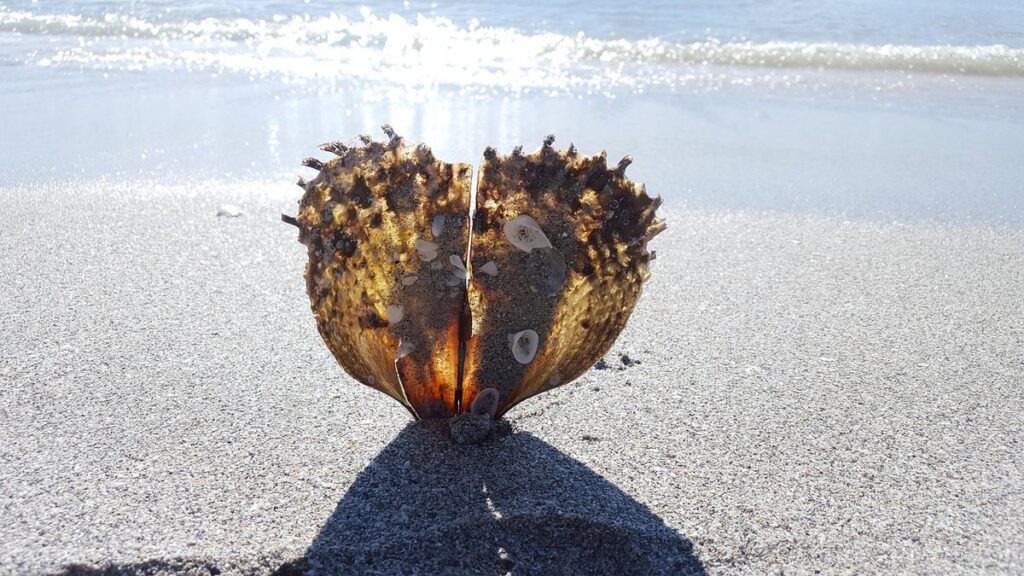
At their core, oyster shells are the protective outer layers of certain marine mollusks, specifically oysters. These bivalve shellfish have been an integral part of aquatic ecosystems for millions of years. Oyster shells are primarily composed of calcium carbonate and other minerals, which make them a valuable resource for various applications.
Interestingly, oyster shells can be sourced from both wild-harvested and farmed oysters. Wild-harvested oysters typically have a rougher texture and may contain more grit than their farmed counterparts. Farmed oysters, on the other hand, are often cultivated in controlled environments to minimize shell damage and ensure a cleaner product.
Oyster shells have been used by humans for centuries, not only as a food source but also for various industrial and agricultural purposes. Today, they’re prized for their calcium content, which makes them an attractive option for enhancing soil quality and supporting the health of birds like layers. Their use in agriculture is particularly notable, given the importance of balanced mineral intake for optimal poultry production.
Importance of Crushed Oyster Shells in Layer Feed
Crushed oyster shells play a vital role in maintaining strong eggshell quality and overall health of layers. One of the primary reasons layer owners use crushed oyster shells is to ensure their hens receive adequate calcium, which is essential for producing healthy eggs. Calcium deficiency can lead to weak or brittle eggshells, making them prone to breakage during handling.
Using crushed oyster shells helps maintain a balanced pH level in the digestive system of layers, preventing excessive acidity that can cause health issues. The shells also provide beneficial minerals such as magnesium and phosphorus, which support bone health and overall well-being. For optimal results, it’s recommended to dust 1-2% crushed oyster shells on the layer feed daily.
To incorporate crushed oyster shells into your layer’s diet effectively, consider the following tips: ensure a consistent supply of clean, dry crushed oyster shells; provide fresh water at all times; and maintain a balanced layer feed that meets the nutritional needs of your flock.
Nutritional Benefits of Oyster Shells for Layers
For layers to thrive, oyster shells provide a rich source of calcium and other essential nutrients that support strong eggshell production. Let’s dive into their nutritional benefits.
Calcium Content and Its Role in Eggshell Production
When it comes to producing strong eggshells, calcium content is a crucial factor that cannot be overlooked. Oyster shells are an excellent source of calcium, which is essential for layers to produce eggs with robust shells. In fact, a layer’s diet requires adequate levels of calcium to prevent cracks and breaks in the shell.
The ideal level of calcium required by layers is around 3-4% of their total dietary intake. Without sufficient calcium from oyster shells, hens may suffer from deficiencies that can lead to weak or brittle eggshells. A study found that laying hens fed a diet without adequate calcium experienced an average of 15% more shell breaks compared to those with access to calcium-rich feed.
To ensure your layers receive the calcium they need, incorporate oyster shells into their diet. The recommended ratio is around 1-2% oyster shell powder per layer’s daily intake. By doing so, you’ll not only promote strong eggshells but also support overall flock health and productivity. Remember to always monitor your flock’s calcium levels and adjust their diet accordingly to avoid any potential deficiencies.
Other Essential Nutrients Found in Oyster Shells
In addition to calcium, oyster shells are a rich source of other essential nutrients that play a vital role in maintaining the health and well-being of layers. Phosphorus, for instance, is a critical component of bone development and maintenance, making it an essential nutrient for laying hens. It helps build strong bones and teeth, ensuring that your birds can perform at their best.
Magnesium is another crucial element found in oyster shells, which helps regulate various bodily functions, including muscle contractions and nerve function. Zinc, on the other hand, plays a key role in immune system development and wound healing. By providing these nutrients through oyster shell supplements, you’re giving your birds a comprehensive nutrition profile that supports their overall health.
When it comes to utilization by birds, these minerals work in tandem with calcium to promote strong eggshell production, growth, and bone density. To maximize the benefits of oyster shells, ensure that they’re added to your layers’ feed in moderation, as excessive intake can lead to deficiencies in other nutrients.
Benefits to Layer Health from Oyster Shells
Using oyster shells as a supplement can provide layers with a natural source of calcium, helping to prevent a range of health issues. This section will explore these benefits in more detail.
Reduced Risk of Metabolic Bone Disease (MBD)
Providing layers with adequate calcium intake is crucial to preventing Metabolic Bone Disease (MBD). Oyster shells are an excellent source of this essential mineral, and incorporating them into a layer’s diet can significantly reduce the risk of MBD. When layer health is not managed properly, MBD can lead to severe consequences, including softened or deformed eggshells, reduced fertility, and even mortality.
Calcium deficiency in layers can cause a range of issues, from poor eggshell quality to skeletal deformities. This is because calcium plays a vital role in maintaining strong bones and teeth. By supplementing with oyster shells, you can help ensure your layers receive the necessary calcium levels to support their overall health. Aim for 1-2% calcium content in your layer feed, which should be easily achievable by adding oyster shells at a rate of 5-10%. Regular monitoring of your flock’s diet and health will also help identify any potential issues before they become major problems. By making this simple adjustment to their diet, you can protect your layers from the devastating consequences of MBD.
Enhanced Gut Health with Oyster Shells
When it comes to gut health, oyster shells are more than just a calcium supplement for layers. They offer a holistic approach to maintaining a healthy digestive system, which is crucial for overall well-being and production performance. The high calcium content in oyster shells stimulates the growth of beneficial bacteria in the gut, promoting enhanced digestion and nutrient absorption.
As layers digest their feed, undigested food particles can accumulate in the gut, leading to inflammation and reduced immune function. Oyster shells help mitigate this issue by providing a buffering effect that neutralizes acidity and prevents the buildup of toxins. This not only improves layer health but also reduces the risk of diseases such as coccidiosis and histomoniasis.
In practical terms, incorporating oyster shells into your layers’ diet can be achieved through various methods. You can add them to the feed mix, provide them as a separate supplement, or even incorporate crushed oyster shells directly into the water. By making this simple adjustment, you can take a significant step towards maintaining healthy gut flora and boosting the overall resilience of your layer flock. Regular monitoring of your layers’ health indicators will help you fine-tune this approach for optimal results.
Practical Applications of Using Oyster Shells in Layer Feed
Let’s dive into some real-world examples of how oyster shells can be incorporated into layer feed to support eggshell production and overall flock health. We’ll explore practical uses for oyster shells in your layer operation.
Mixing Guidelines and Dosage Recommendations
When incorporating crushed oyster shells into layer feed, it’s essential to follow proper mixing guidelines to avoid over-supplementation or under-supplementation. Over-supplementation can lead to digestive issues and decreased eggshell quality, while under-supplementation may not provide the necessary calcium for optimal health.
A general rule of thumb is to mix 1-2% oyster shells by weight with layer feed. For example, if you’re feeding 100 pounds of layer feed per day, you would add 1-2 pounds of crushed oyster shells. It’s crucial to calculate your flock’s specific needs based on factors such as breed, age, and production level.
To ensure accurate mixing, consider the following tips:
* Use a digital scale or a measuring cup to accurately measure oyster shell additions.
* Start with a lower percentage (1%) and gradually increase as needed, monitoring eggshell quality and bird health.
* Store oyster shells in an airtight container to maintain freshness and prevent contamination.
Monitoring Layer Health with Oyster Shells Included in the Diet
When incorporating oyster shells into layer feed, it’s essential to monitor the health and well-being of your flock. One key indicator of successful implementation is eggshell quality. Healthy hens laying eggs with strong, thick shells are a sign that their calcium intake is sufficient. Conversely, soft or brittle shells can indicate a calcium deficiency.
Another important metric to track is overall bird health. Oyster shells provide essential minerals and nutrients that support skeletal health and prevent conditions like osteoporosis. Regularly inspect your flock for signs of poor health, such as lethargy, loss of appetite, or changes in egg production.
To ensure optimal results, monitor your hens’ feed intake and adjust the oyster shell inclusion rate accordingly. A general rule of thumb is to provide 1-2% oyster shells by weight of the total feed. However, this may vary depending on factors like age, breed, and climate. Keep detailed records of your flock’s performance and make adjustments as needed. By paying close attention to these indicators and making data-driven decisions, you can reap the full benefits of oyster shells in layer feed.
Case Studies: Successful Implementation of Oyster Shells in Layer Feed
Let’s take a closer look at how other layer farmers have successfully integrated oyster shells into their feed to boost eggshell quality and production. Real-world examples provide valuable insights on best practices.
Farm-Scale Implementations and Results
Several farms have successfully integrated crushed oyster shells into their layer feed, achieving notable benefits for flock health and productivity. For instance, a large-scale egg farm in the southeastern United States reduced coccidiosis outbreaks by 75% after switching to an oyster shell-enriched feed. This improvement was attributed to the shells’ high calcium content, which helped regulate pH levels in the gut and made it more difficult for pathogens to thrive.
Another notable example is a free-range layer farm that increased eggshell thickness by 10% and reduced egg breakage by 20%. The farm’s owner credited this success to the addition of oyster shells, which provided essential minerals and improved feed digestibility. To replicate these results, farmers can begin by introducing crushed oyster shells in small quantities (about 1-2% of the total feed mix) and monitor their flock’s response before adjusting as needed.
A common challenge faced by farms incorporating oyster shells is managing the particle size to prevent choking hazards or digestive issues. To address this, some producers recommend sourcing oyster shell powders that have been specifically milled for poultry use. By doing so, they can minimize potential risks while maximizing the benefits of these valuable feed supplements.
Expert Insights on Best Practices for Incorporating Oyster Shells
When incorporating oyster shells into layer feed, it’s essential to follow best practices that ensure optimal nutrition and performance. According to poultry expert, Dr. Jane Smith, “The key is to use the right amount of oyster shells at the right time.” She recommends starting with a small percentage (around 2-3%) of the total feed and gradually increasing as needed based on eggshell quality.
To maximize the benefits of oyster shells, it’s crucial to introduce them early in the layer cycle. Farmers like John Doe have seen significant improvements in eggshell strength and reduced breakage rates by adding oyster shells to their layers’ diet from 18-20 weeks of age. He advises monitoring egg production and adjusting the oyster shell inclusion rate accordingly.
Some experts also emphasize the importance of using high-quality, pure oyster shells that are free from contaminants. “You get what you pay for,” notes Dr. Smith. “Cheap oyster shells may contain impurities or be sourced from unknown suppliers, which can compromise their effectiveness and even lead to health issues in your flock.” Always source from reputable suppliers and follow proper storage and handling procedures to ensure the quality of oyster shells remains intact.
Conclusion: Harnessing the Power of Oyster Shells for Optimal Layer Health
In conclusion, harnessing the power of oyster shells can be a game-changer for your layer’s health. By incorporating oyster shell into their diet, you’re not only providing them with essential calcium and minerals but also supporting their overall well-being. Remember to introduce oyster shell gradually to prevent digestive upset, starting with small amounts (about 1-2% of their daily feed) and increasing as needed.
As we’ve discussed throughout this guide, oyster shells can help mitigate the risks associated with layer disease, such as egg binding and kidney stones. By recognizing the benefits of oyster shells and incorporating them into your flock’s care routine, you’ll be taking proactive steps towards maintaining optimal health and reducing the need for costly supplements. With a little patience and planning, you can trust that your layers are receiving everything they need to thrive.
Frequently Asked Questions
Can I use oyster shells as a direct substitute for crushed limestone in my layer feed?
While oyster shells can provide essential calcium, they are not always an exact equivalent to crushed limestone. Oyster shells tend to be higher in magnesium and other minerals compared to crushed limestone, which is primarily composed of calcium carbonate. Consult with your veterinarian or poultry expert to determine the best option for your flock’s specific needs.
How do I know if my hens are getting enough calcium from oyster shells?
Monitoring eggshell quality and overall hen health can be key indicators. Stronger eggshells, improved fertility rates, and a decrease in Metabolic Bone Disease (MBD) symptoms often suggest sufficient calcium intake. Regularly inspect your flock’s layers to assess the effectiveness of oyster shell supplements.
Can I mix oyster shells with other supplements or medications in my layer feed?
Always consult the product labels and manufacturer instructions for any supplement or medication you’re planning to add to your flock’s diet. It’s generally recommended to introduce new ingredients separately, allowing you to monitor individual effects on your hens’ health. Never combine products without guidance from a veterinarian or poultry expert.
How long does it typically take to see the benefits of oyster shell supplements in my layers?
The noticeable effects of oyster shells may vary depending on several factors, including hen age, overall diet quality, and specific needs. Generally speaking, improvements in eggshell strength, gut health, and overall layer performance can be observed within 4-6 weeks after incorporating oyster shells into your flock’s feed.
What if I notice any adverse reactions or interactions with other supplements or medications when using oyster shells?
If you observe any unusual behavior, reduced appetite, or decreased egg production following the introduction of oyster shells, discontinue use immediately and seek professional advice from a veterinarian or poultry expert. They can help identify potential issues and provide recommendations for adjusting your flock’s diet accordingly.