
When it comes to keeping chickens, one often-overlooked aspect is providing enough space for them to roam. The ideal square footage per chicken in a run is crucial to ensure your flock stays happy and healthy. You’ve probably heard that different breeds have unique needs, but did you know that climate and life stages also play a significant role? Without adequate room to move around, your chickens can become stressed, bored, or even develop health problems. In this article, we’ll delve into the world of square feet per chicken in run, exploring expert recommendations and real-life examples to help you create an optimal environment for your feathered friends. By understanding breed-specific requirements and considering climate and life stages, you’ll be well on your way to creating a thriving backyard flock.
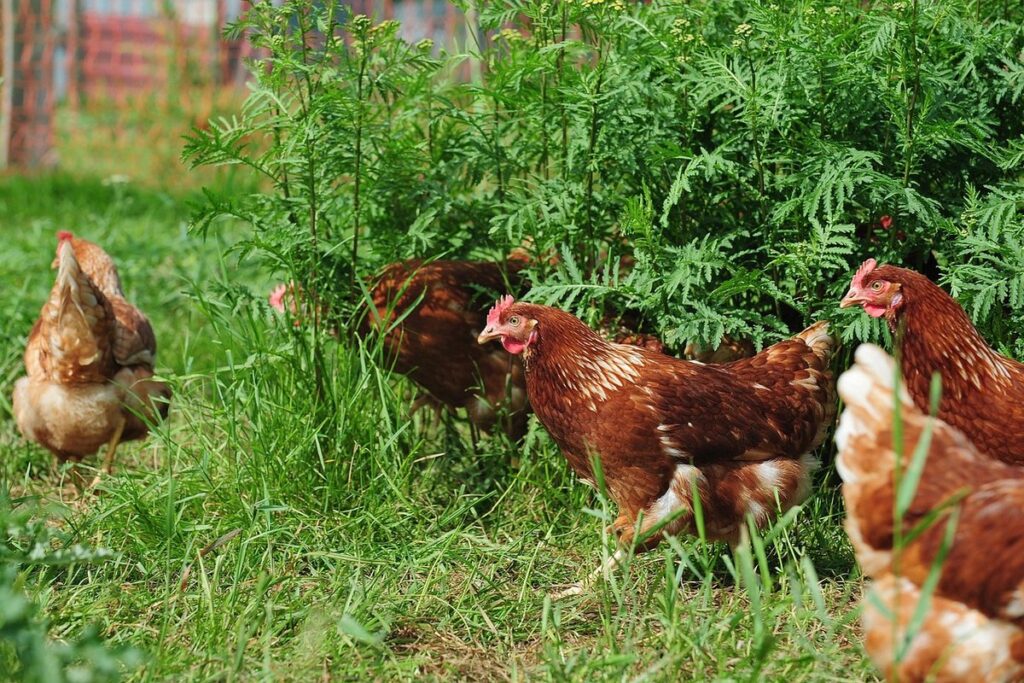
Understanding the Importance of Space Per Chicken
When it comes to creating a chicken-friendly backyard, understanding why square feet per chicken matter is crucial for keeping your flock happy and healthy. This essential space can prevent stress and disease.
Why Proper Space is Crucial for Your Flock’s Health
When you’re raising chickens, it’s easy to get caught up in all the wonderful things they bring to our lives: fresh eggs, entertainment, and a connection to nature. But if we don’t provide them with enough space to move around comfortably, we risk compromising their health and happiness.
Proper space is crucial for your flock’s overall well-being. When chickens are confined to too small of an area, they can become stressed, which weakens their immune system and makes them more susceptible to disease. This can lead to a host of problems, including respiratory issues, feather pecking, and cannibalism.
To give your birds the space they need, consider the following guidelines: for every 10 square feet of coop space, provide at least 8-12 square feet of outdoor run area per chicken. This allows them room to stretch their wings, exercise, and engage in natural behaviors like foraging and dust bathing. By doing so, you’ll be creating a happy, healthy environment that promotes overall well-being and reduces the risk of stress-related problems.
Common Mistakes to Avoid When Calculating Space
When calculating square feet per chicken, it’s easy to fall into common traps that can lead to overcrowding and stress on both you and your flock. One major mistake is making assumptions about breed-specific needs without researching the specific requirements of your birds. For example, some breeds like Silkies or Bantams are naturally more compact, while others like Orpingtons or Brahma require more space to roam.
Another critical error is neglecting to account for essential features like nesting boxes and roosting bars in your calculations. These areas may not take up much square footage, but they’re crucial for your chickens’ well-being and can actually reduce the amount of space needed for actual roaming. Think about it: a decent-sized nesting box might only be 2×2 feet, but without one, hens will need significantly more room to roost safely.
To avoid these mistakes, start by researching the specific needs of your breed(s) and ensure you have enough space for both birds and essential features. A good rule of thumb is to add about 10-20% to your initial calculation to account for these extras. This way, you can provide a happy, healthy environment for all your feathered friends without sacrificing too much square footage in the process.
Determining the Right Square Footage Per Chicken
When planning a chicken run, it’s essential to determine the right square footage per chicken to ensure your flock stays happy and healthy. This calculation can make all the difference in their quality of life.
Factors Affecting Space Requirements (Breed, Age, and Climate)
When it comes to determining the right square footage per chicken in a run, several factors come into play. One of the most significant variables is the breed of chicken you’re raising. For instance, larger breeds like Orpingtons and Brahmas require more space to move around comfortably. On the other hand, smaller breeds such as Silkies and Polish chickens can thrive in smaller spaces.
Another important consideration is the age of your chickens. Chicks and pullets (young hens) need less space than mature birds, which makes sense given their smaller size and lower energy levels. As chickens grow and mature, they’ll require more room to stretch their wings and engage in natural behaviors like foraging and flying.
Climate also plays a role in determining the right square footage per chicken. In hot and humid environments, chickens will need even more space to escape the heat and find relief. Conversely, in colder climates, you may be able to get away with smaller spaces since your chickens will likely spend more time indoors.
Using a Chicken Space Calculator: Pros and Cons
Using online calculators can be an efficient way to determine square feet per chicken. These tools, known as chicken space calculators, simplify the process by providing instant estimates based on user input. One of the significant advantages is convenience – simply enter a few parameters such as breed, age, and desired living space, and you’ll get your answer. This can be particularly helpful for those new to backyard chickens or with limited expertise in animal husbandry.
However, there are also some potential drawbacks to consider. For instance, online calculators often rely on algorithms that might not account for personal circumstances. A chicken’s individual needs can be influenced by factors such as climate, health issues, and the specific breed’s temperament. This lack of personalization can lead to oversimplification or even inaccurate estimates.
It’s essential to weigh these considerations before solely relying on a calculator. For example, if you live in an area with harsh winters, you may need to provide extra space for your chickens to stay warm. In such cases, using a calculator as a starting point and then making adjustments based on specific needs is a more effective approach.
Square Feet per Chicken for Different Life Stages
As your flock grows and matures, their space needs change too. In this next part of our guide, we’ll break down square feet requirements by chicken life stage.
Chickens as Chicks: How Much Space Do They Need?
When it comes to raising young chickens, also known as chicks, their living space needs are distinct from those of adult hens. During this critical stage of development, they require a safe and healthy environment that supports the growth of strong immune systems.
Proper ventilation is essential for young chickens. A well-ventilated coop helps prevent respiratory problems by removing ammonia buildup from droppings and maintaining a stable temperature. Aim to provide at least 20 square feet per chick in a run with adequate ventilation, ensuring easy airflow and access to fresh air. This can be achieved through the use of windows, vents, or mesh panels.
Maintaining optimal temperatures is also crucial for young chickens’ development. Keep the coop between 90°F (32°C) and 100°F (38°C) during the first few weeks after hatching, gradually lowering it by 5°F (3°C) each week until you reach a comfortable temperature range of around 60-70°F (15-21°C). By ensuring proper ventilation and temperature control, you’ll be giving your chicks the best chance to develop strong immune systems that will serve them well throughout their lives.
Adult Hens vs. Roosters: Are Their Needs Different?
When it comes to determining square feet per chicken, many backyard flock owners wonder if adult hens and roosters have different space requirements. The answer is yes – their needs can vary significantly.
Firstly, male chickens (roosters) tend to be more aggressive and dominant within the flock, which can lead to stress and behavioral issues if they’re not provided with enough space. Research suggests that a minimum of 10-12 square feet per rooster is necessary to prevent territorial behavior and reduce aggression towards hens. This is because roosters are natural competitors for food and mates, and their dominant nature can be exacerbated by confinement.
In contrast, adult hens typically require less space – around 5-7 square feet per bird – as they’re generally more docile and social creatures that thrive in smaller groups. However, it’s essential to remember that individual personalities can vary greatly within both sexes. To ensure the health and well-being of your flock, consider separating roosters from hens or providing a larger enclosure specifically designed for the rooster(s). This will help mitigate aggression and create a more harmonious living environment for all birds.
The Impact of Weather on Chicken Space Requirements
When it comes to calculating square feet per chicken, weather conditions can greatly affect how much space your flock needs. Let’s dive into how temperature and precipitation impact chicken run requirements.
Hot Weather Considerations: Providing Shade and Ventilation
When you’re considering square feet per chicken in a run, it’s essential to remember that chickens need protection from extreme temperatures, especially during the hot summer months. Chickens can suffer from heat stress when temperatures rise above 80°F (27°C), which can lead to reduced egg production, lethargy, and even death.
To prevent heat-related issues, providing adequate shade is crucial. You can do this by installing a chicken coop or run with walls that are at least three feet high to block direct sunlight. Adding tarps, canopies, or umbrellas above the run can also provide extra shade for your birds.
Ventilation is just as important as shade in managing heat stress. Ensure that there’s sufficient airflow within the run by installing windows, vents, or screens on all four sides. You can also use fans to circulate air and reduce humidity. By maintaining proper ventilation and providing adequate shade, you’ll help keep your chickens cool and comfortable throughout the summer.
Cold Weather Challenges: Insulation and Bedding Options
As winter approaches, it’s essential to ensure your chicken coop and run are equipped to keep your flock warm and comfortable. Insulation is a crucial factor in maintaining a healthy and happy flock during cold weather. You can use materials like straw bales or shredded newspaper to line the walls and floor of the coop, but make sure they’re dry and free from mold.
For bedding, you can opt for natural options like pine shavings or peat moss that provide good insulation without compromising health. Avoid using wood chips or sawdust, as they can be prone to moisture buildup. Consider adding a layer of clear plastic sheeting over the run to trap warm air and prevent cold winds from entering.
When choosing bedding materials, look for products with low ammonia levels to minimize respiratory issues in your flock. You can also add a few inches of straw or hay on top of the bedding to provide extra insulation during extreme cold snaps. By taking these simple precautions, you’ll be able to keep your chickens warm and cozy throughout the winter months.
Real-Life Examples of Successful Chicken Runs
Let’s take a look at some real-life examples of chicken runs that have successfully balanced space and happiness for their feathered friends and owners alike.
Case Study 1: A Small Backyard Flock with Limited Space
Meet Sarah, a backyard chicken enthusiast who lives on a small urban lot with limited space. Despite having only 1/4 acre of land, she’s successfully managed a flock of six chickens with a cleverly designed chicken run. The key to her success lies in optimizing the available space and creating a functional layout that meets her chickens’ needs.
Sarah’s coop measures just 8 feet by 10 feet, but she’s made the most of it by incorporating vertical elements like nesting boxes and perches. She’s also used a clever divider system to create separate areas for feeding, resting, and exercise. This efficient use of space allows each chicken to have around 4-5 square feet per bird, which may seem low but is actually within the recommended range for small-scale operations.
By carefully planning her flock’s layout and prioritizing their needs, Sarah has created a thriving backyard ecosystem that showcases the importance of creative problem-solving in small-scale chicken keeping. Her experience serves as a valuable lesson: even with limited space, it’s possible to create a happy and healthy environment for your chickens by thinking outside the box (or coop!)
Case Study 2: An Urban Farm’s Large-Scale Operation
Let’s take a look at Green City Acres, an urban farm based out of Kansas that has taken chicken keeping to a whole new level. This operation is truly massive, with 20,000 square feet of land dedicated specifically to raising chickens for both eggs and meat production.
Here’s the impressive part: they manage to fit an astonishing 1,200 hens into this space, resulting in a remarkable density of just 0.5 square feet per bird. To put that in perspective, most backyard chicken keepers would be lucky to achieve even half that number without sacrificing quality and welfare.
But what’s the secret to Green City Acres’ success? The key lies in their innovative approach to run design and layout. They use narrow aisles between rows of cages, allowing for easy access and management while maximizing floor space. Their clever use of elevated walkways and tiered levels also ensures that chickens can roam freely without taking up valuable real estate.
By embracing creativity and flexibility in their design, Green City Acres has proven that even the most ambitious chicken keepers can achieve remarkable efficiency with available space. So if you’re planning a large-scale operation or just looking to upgrade your backyard coop, take note of this operation’s game-changing strategies for making the most of square footage per bird.
Frequently Asked Questions
How do I calculate the square footage per chicken for my backyard flock?
Conduct a thorough analysis of your chickens’ breed, age, and climate to determine their specific space requirements. Use online resources or consult with a poultry expert to ensure you’re providing enough space for comfortable movement and exercise. For example, if you have 5 hens that are 2 years old and live in a hot climate, consider allocating at least 8-10 square feet per bird.
Can I use the same space requirements for all chicken breeds?
No. Different breeds have unique characteristics that affect their space needs. Some breeds, like Orpingtons, require more space due to their large size, while others, like Leghorns, need less space but require more vertical access. Research the specific breed(s) you’re raising and adjust your calculations accordingly.
How do I ensure my chicken run is safe from predators?
Predator-proofing your chicken run is crucial for protecting your flock. Consider using hardware cloth or chicken wire with openings of 1 inch or smaller to prevent foxes, coyotes, and raccoons from entering. Also, make sure the enclosure is at least 3 feet high to deter climbing predators.
What if I live in an area with extreme weather conditions – hot summers or cold winters?
Extreme weather conditions can significantly impact chicken space requirements. In hot climates, provide shade, ventilation, and adequate watering systems to prevent heat stress. For cold climates, ensure your run is well-insulated and provides enough bedding material for warmth and comfort.
Can I use a chicken space calculator as a one-size-fits-all solution?
While online calculators can be helpful tools, they may not always provide accurate results due to the unique needs of each flock. It’s essential to understand the limitations of these tools and supplement their calculations with expert advice or on-site assessments to ensure you’re providing the best possible environment for your chickens.