
When it comes to starting your backyard chicken flock or scaling up for commercial farming, you’re faced with an important decision: straight run or pullet. Many new chicken keepers get caught up in the excitement of bringing home baby chicks and may not fully consider the implications of each option. But understanding the key differences between straight run and pullet flocks can make all the difference in your flock’s health, productivity, and overall well-being. In this article, we’ll delve into the growth patterns, health considerations, egg production, and cost implications of each option, helping you make an informed decision for your needs. Whether you’re a seasoned farmer or just starting out, this guide will give you the knowledge to choose the best fit for your flock.
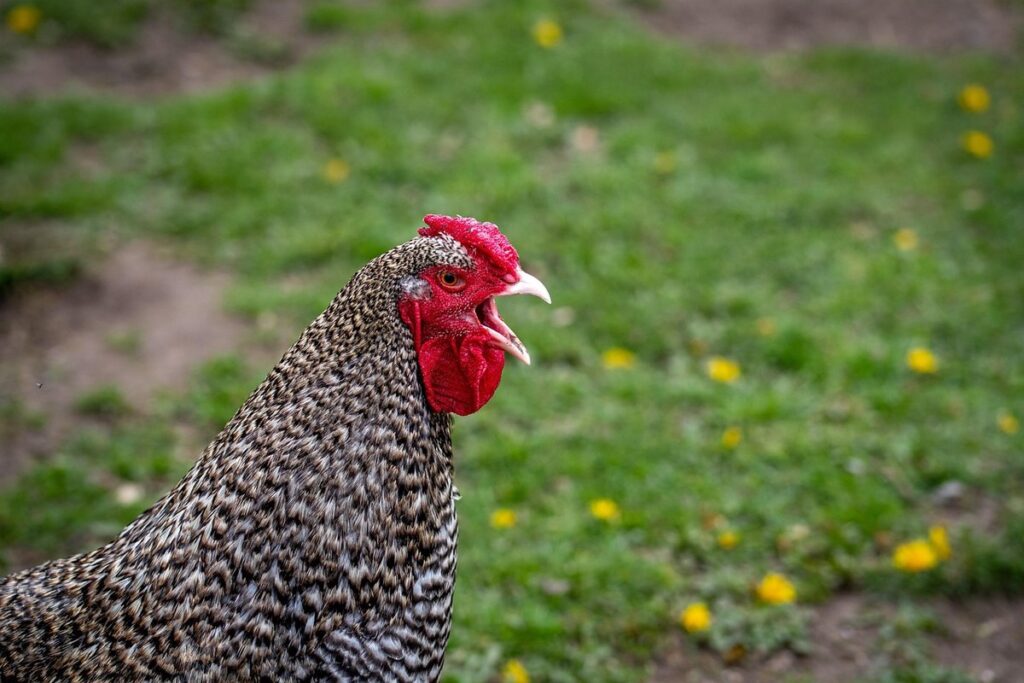
What is a Straight Run Flock?
A straight run flock is made up of chicks of both sexes, raised together until they’re old enough to determine their sex. This means you get an unexpected mix of hens and roosters in your coop.
Characteristics of Straight Run Chickens
When it comes to straight run chickens, one of their defining characteristics is their mixed-sex nature. This means that a straight run flock will contain both males and females, which can make for an interesting dynamic when it comes to growth rates and overall behavior.
One thing you may notice with a straight run flock is variable growth rates among the birds. Since there’s no guarantee of sex, some chickens may grow into large roosters while others remain smaller hens. This can be beneficial if you’re looking for a more natural, diverse flock, but it also means that you’ll need to plan accordingly when it comes to feed and resources.
To give you a better idea, consider this: in a straight run flock of 10 birds, you might have three or four large roosters, two or three medium-sized hens, and the remaining five smaller pullets. This can be a great way to create a more dynamic and interesting flock, but it does require some extra planning and management.
As a general rule, straight run chickens tend to grow at different rates than sexed chicks, which are typically grouped by their potential size and sex. However, with the right care and attention, your straight run flock can thrive and become a unique and loving part of your family.
Advantages of Keeping a Straight Run Flock
Raising a straight run flock offers several advantages that can benefit backyard chicken keepers and commercial producers alike. One of the primary benefits is increased genetic diversity. By not separating chicks by sex at hatch, you’re allowing them to develop into pullets, cockerels, or even roosters as nature intended. This diversity leads to a more robust and resilient flock, better equipped to handle disease outbreaks and other challenges.
In terms of cost-effectiveness, straight run flocks can be more budget-friendly than purchasing separate breeds for egg-laying and meat production. You’ll save money on the initial purchase price and avoid the need for separate housing and equipment. However, it’s essential to consider that you may end up with some males in your flock, which could lead to aggressive behavior during mating season.
To make the most of a straight run flock, choose breeds known for their docility and egg-laying ability, such as Leghorns or Golden Comets. This will help minimize any potential aggression issues while still benefiting from genetic diversity.
What is a Pullet?
So, you’re curious about pullets and want to know what they are? A pullet is essentially a young female chicken, typically under one year of age.
Characteristics of Pullets
Pullets are young hens that have not yet reached maturity. They typically begin laying eggs at around 18-24 weeks of age and can continue to do so for several years with proper care. One key characteristic of pullets is their sex, as they are female chickens specifically bred for egg production.
In terms of growth patterns, pullets tend to develop more slowly than cockerels (male chicks). They typically take around 16-18 weeks to reach maturity, whereas males usually grow faster and may be ready to be processed for meat by 12-14 weeks. This slower growth rate can make pullets a better choice for backyard farmers who want to raise chickens for eggs.
It’s essential to note that some breeds are naturally more inclined towards being egg layers than others. For example, Leghorns and Rhode Island Reds are popular choices for their high egg production rates. When selecting a breed, consider factors such as desired egg size, frequency of laying, and overall temperament.
To raise healthy pullets, it’s crucial to provide them with a balanced diet, adequate space, and regular veterinary care. With proper management, you can expect your pullets to thrive and become productive members of your flock.
Purpose of Raising Pullets
Raising pullets is an attractive option for farmers and backyard chicken keepers who want to optimize their egg production. By choosing pullets over straight-run chickens, you can tap into a more predictable and efficient way of raising laying hens. Pullets are young female chickens that have been raised specifically for their egg-laying potential, making them an ideal choice for those looking to establish a productive flock.
One significant advantage of raising pullets is that they come with a known breed history, which ensures a consistent supply of eggs. This is particularly useful for farmers who need to meet specific market demands or for backyard chicken keepers who want to enjoy a reliable egg supply from their own coop. Furthermore, pullets are less likely to have the same health issues that can plague straight-run chickens, such as reproductive problems or poor laying performance.
When selecting pullets, it’s essential to consider factors like breed, age, and origin to ensure you get high-quality birds that will thrive in your environment. By doing so, you’ll be well on your way to establishing a thriving flock that provides you with fresh eggs for years to come.
Straight Run vs Pullet: Growth Patterns
When it comes to choosing between straight run and pullet chicks, understanding their growth patterns is crucial for a successful flock. Let’s dive into the differences in growth rates between these two options.
Differences in Growth Rates
When it comes to managing your flock, understanding the differences in growth rates between straight run chickens and pullets is crucial. Straight run chickens typically grow faster than pullets, with some breeds reaching market weight in as little as 14-16 weeks. In contrast, pullets take around 18-20 weeks to reach full maturity.
This disparity in growth rates affects management decisions in several ways. For instance, if you’re looking to raise chickens for meat production, straight run birds may be the better choice due to their faster growth rate. However, if you’re focused on egg production and want your flock to begin laying eggs earlier, pullets might be a more suitable option.
It’s essential to note that growth rates can also impact health and well-being. Fast-growing breeds are often more prone to diseases and skeletal issues due to the rapid pace of development. On the other hand, slower-growing birds may be less susceptible to these problems but require more time and resources for feed and care. By understanding the unique growth patterns of straight run chickens and pullets, you can make informed decisions that prioritize both productivity and animal welfare.
Implications for Feed Efficiency
When it comes to feed efficiency and costs, the growth patterns of straight run chickens versus pullets can have significant implications. One key consideration is that straight run birds tend to grow faster than pullets, reaching market weight sooner. While this may seem beneficial, it also means they require more feed to achieve optimal growth.
Studies have shown that straight run chickens consume up to 20% more feed than pullets over the same period of production. This increased feed consumption can result in higher feed costs for farmers and producers. On the other hand, pullets take a bit longer to mature but are generally more feed-efficient, using resources more wisely.
To mitigate these differences, some farms have adopted strategies such as adjusting feeding schedules or implementing targeted nutritional programs. These approaches aim to optimize growth while minimizing waste and reducing overall production costs. By understanding the unique needs of straight run chickens and pullets, farmers can make informed decisions about their operations and strive for greater efficiency in feed usage.
Health Considerations: Straight Run vs Pullet
When it comes to choosing between straight run and pullet chicks, health considerations are a top priority for any backyard chicken owner. Let’s take a closer look at how these two types of chickens compare in terms of their overall well-being.
Disease Susceptibility
When it comes to disease susceptibility, both straight run and pullet flocks have unique challenges. Straight run flocks, being a mix of males and females, are more susceptible to respiratory diseases due to the male’s tendency to engage in aggressive behavior, which can lead to stress and weakened immune systems. This vulnerability is further exacerbated by the fact that straight run birds often grow at different rates, creating an uneven age distribution within the flock.
In contrast, pullet flocks, consisting only of young female chickens, tend to be less susceptible to respiratory diseases but are more prone to reproductive tract disorders due to their hormonal fluctuations during adolescence. This highlights the importance of considering sex-specific health concerns when managing your flock. To mitigate these risks, it’s essential to maintain proper biosecurity measures, ensure adequate ventilation in your coop, and provide a balanced diet that supports immune function. Regular health checks and vaccination programs can also help prevent disease outbreaks.
Management Strategies for Prevention
When it comes to health considerations, management strategies play a crucial role in preventing and mitigating potential issues. To start, ensure you’re providing adequate ventilation in your coop by ensuring proper airflow, using windows, and installing vents or fans. This helps reduce ammonia buildup and the risk of respiratory problems.
Implementing a robust cleaning schedule is also essential. Clean the coop regularly, removing droppings and old bedding, and disinfect all surfaces with a safe and effective sanitizer. This reduces the spread of diseases and parasites.
Another vital management practice is to maintain a balanced diet for your birds. Provide high-quality feed that meets their nutritional needs, and supplement with fruits and vegetables when possible. Ensure access to clean water at all times, changing it frequently to prevent bacterial growth.
Monitor your flock closely, watching for signs of illness or stress, such as changes in behavior, appetite, or droppings. Keep accurate records of vaccinations, health checks, and any treatments administered. This helps you identify potential issues early on and take corrective action promptly.
Egg Production and Breeding Programs
When it comes to raising chickens for eggs, understanding how they’re bred is crucial. In this next part, we’ll delve into egg production and breeding programs that produce pullets versus straight run chickens.
Comparison of Egg Yields
When it comes to egg production, one of the most significant differences between straight run chickens and pullets lies in their age. Pullets are young hens that have not yet reached maturity, typically between 16-20 weeks old when they start laying eggs. Straight run chickens, on the other hand, can begin laying eggs anywhere from 18-24 weeks of age.
While breed also plays a crucial role in egg production, pullets tend to outperform straight run chickens by about 10-15% per year. For example, a Leghorn pullet might lay around 280-300 brown eggs per year, whereas a straight run Leghorn might produce around 240-260 eggs. However, these numbers can vary depending on the individual bird’s genetics and nutrition.
To maximize egg production from your flock, make sure to provide high-quality feed that meets their nutritional needs. A balanced diet rich in protein, calcium, and other essential nutrients will help support optimal egg-laying performance. Consider supplementing with oyster shells or crushed eggshells to boost calcium intake and promote stronger eggshell quality.
Keep in mind that straight run chickens can still become excellent layers over time, but pullets tend to hit their stride earlier on. If you’re aiming for peak productivity from your flock, investing in pullet chicks might be the better choice.
Implications for Breeding Programs
When it comes to breeding programs, the differences between straight run and pullet chicks have significant implications. Breeders must consider these variations when selecting for desirable traits, such as egg-laying capacity, fertility, and growth rate.
Straight run birds, being a mix of sexes, may exhibit inconsistent reproductive performance, making them less ideal for breeding purposes. On the other hand, pullets are sexed at hatch, ensuring consistency in their reproductive development. This predictability is crucial when selecting birds with specific traits.
To adapt to these differences, breeders should establish separate breeding programs for straight run and pullet chicks. This will enable them to target specific characteristics in each group. For instance, breeders may focus on improving fertility rates in straight run birds while emphasizing egg-laying capacity in pullets.
Ultimately, understanding the implications of straight run vs pullet differences allows breeders to refine their selection methods, leading to more efficient and effective breeding programs. By doing so, they can produce healthier, more productive flocks that meet industry demands.
Cost Considerations: Straight Run vs Pullet
When choosing between straight run and pullet chicks, one of the most significant factors to consider is the cost. Let’s break down the expenses involved in raising each type of chick.
Initial Investment Costs
When it comes to raising chickens, one of the most significant initial investment costs is equipment and feed expenses. For straight run chicks, you can expect to spend around $10-$15 per chick on equipment such as brooders, feeders, and waterers. This may seem like a small amount, but with 20-25 chicks in a batch, that’s an additional $200-$375 just for equipment.
On the other hand, pullets come equipped with some of this initial investment already covered. Pullet growers typically purchase chicks from hatcheries or reputable breeders, who have already invested in equipment and feed for the first few weeks of life. This can save you around $10-$15 per chick on equipment costs alone. However, it’s essential to consider the higher upfront cost of purchasing pullets (typically $5-$7 more per bird) versus straight run chicks.
To give you a better idea, here are some estimated costs for the first 4-6 weeks of raising either straight run or pullet chickens:
Long-Term Savings Opportunities
When it comes to long-term savings opportunities, choosing between straight run and pullet chickens can make a significant difference. Straight run chickens are typically cheaper upfront, but they may not live as long as pullets, which can pay for themselves over time.
For example, if you purchase 10 straight run chicks at $5 each, that’s a total of $50. However, these birds may only live for 4-6 years, meaning their average lifespan is around 5 years. This equates to an annual cost of $10 per bird.
On the other hand, pullet chickens can live up to 8-12 years, making them a more long-term investment. If you purchase 10 pullets at $20 each (a more expensive upfront cost), their longer lifespan means they’ll pay for themselves over time. In fact, with an average annual cost of around $2 per bird, the initial investment can be recouped in just a few years.
Ultimately, if you plan to keep your chickens for the long haul, pullets may offer greater long-term savings opportunities. However, if you’re looking for a more affordable upfront option and don’t mind replacing birds every 5-6 years, straight run chickens could still be a viable choice.
Frequently Asked Questions
Can I mix straight run and pullet chickens together in the same coop?
No, it’s not recommended to mix chicks of different ages and sex together in the same coop. Straight run and pullet chickens have different growth rates and social structures, which can lead to conflicts and stress on the birds.
How do I handle a rooster that develops after raising a straight run flock?
If you’ve raised a straight run flock and end up with unwanted males, consider rehoming them or selling them to other backyard chicken keepers. You may also need to modify your coop design to accommodate roosters’ aggressive behavior towards humans.
What’s the best way to prevent disease susceptibility in my flock?
To minimize disease risk, ensure proper ventilation, sanitation, and biosecurity practices in your coop. Regularly clean and disinfect equipment, maintain a balanced diet, and monitor your birds for signs of illness or stress.
Can I start with a small straight run flock and then transition to pullets later on?
Yes, starting with a small straight run flock can be a great way to get started with backyard chicken keeping. As you gain experience and confidence, you can transition to raising pullets or scaling up your operation.
How do I manage the variable growth rates in my straight run flock?
To manage variable growth rates, ensure that your birds have access to adequate feed, water, and space. Monitor their weight and size regularly, and adjust feeding schedules accordingly to prevent overfeeding or underfeeding certain individuals.