
Are you looking for ways to boost your farm or garden’s fertility without breaking the bank? You’re not alone. Many farmers and gardeners are turning to chicken manure as a nutrient-rich fertilizer, and it’s easy to see why. Not only is it an excellent source of nitrogen, phosphorus, and potassium, but it’s also a cost-effective alternative to synthetic fertilizers.
In this article, we’ll dive into the benefits of using chicken manure as fertilizer, from creating nutrient-rich compost to exploring safer processing methods. We’ll also cover some essential best practices for safely applying it to your soil, so you can avoid any potential health risks or environmental hazards. Whether you’re a seasoned farmer or just starting out, this guide will walk you through the ins and outs of using chicken manure as fertilizer, helping you to grow healthier, more resilient crops with minimal expense.
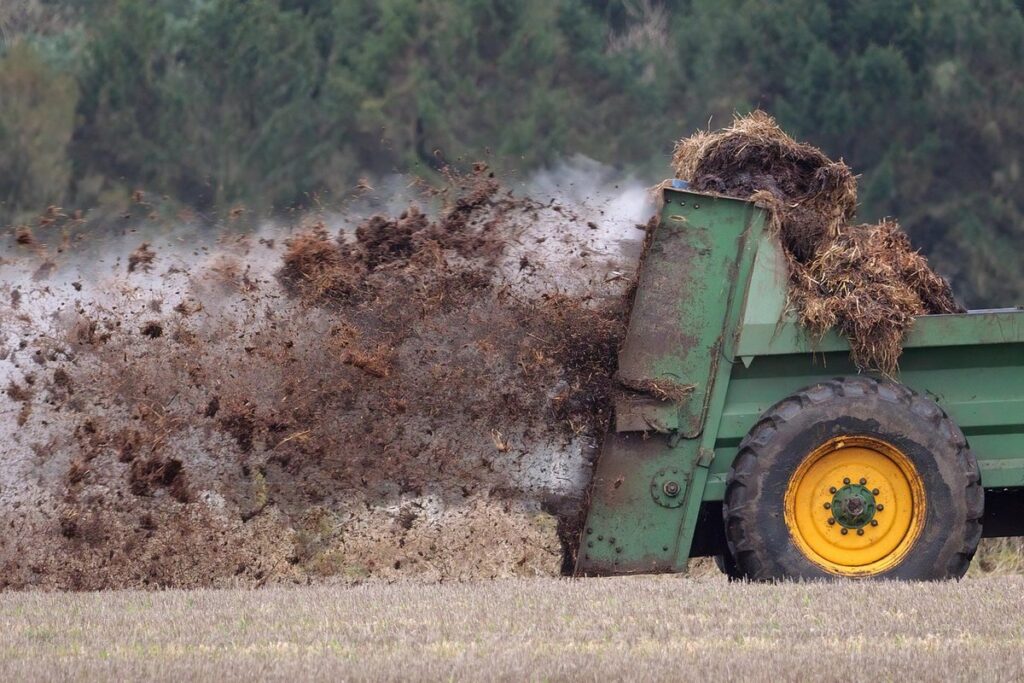
Benefits and Advantages of Using Chicken Manure as Fertilizer
When it comes to reaping the rewards of using chicken manure as fertilizer, let’s dive into its numerous benefits and advantages that can boost your crops’ growth.
Nutrient-Rich Compost
When it comes to nutrient-rich compost, chicken manure stands out from the rest. Not only is it an excellent source of nitrogen, phosphorus, and potassium, but it also contains other essential micronutrients that promote healthy plant growth.
In terms of its nutritional profile, chicken manure has a nitrogen content of around 12-15%, making it one of the highest among organic fertilizers. For comparison, cow manure typically has a nitrogen content of around 7-10%. This means that when used as a fertilizer, chicken manure can provide plants with the necessary nutrients to thrive.
Chicken manure also contains phosphorus and potassium in significant amounts, with phosphorus levels reaching up to 4% and potassium levels up to 3%. These essential macronutrients play critical roles in plant development, including root growth and fruit production. When mixed into compost, chicken manure can help create a nutrient-rich soil amendment that promotes healthy microbial activity and supports plant nutrient uptake.
To make the most of chicken manure as a fertilizer, it’s essential to mix it with other organic materials to achieve a balanced nutritional profile. A general rule of thumb is to combine 20-30% chicken manure with 70-80% other compost materials, such as leaves or grass clippings. This blend will provide plants with the necessary nutrients without overloading them with excessive nitrogen levels.
Environmental Benefits
Using chicken manure as fertilizer is not only an eco-friendly option but also an effective way to reduce waste disposal costs. When you use chicken manure, you’re diverting a significant amount of waste from landfills and minimizing the environmental impact associated with traditional waste management practices.
The benefits don’t stop there. By using chicken manure as fertilizer, you can conserve water by reducing the need for synthetic fertilizers that require massive amounts of water to produce. In fact, according to the United States Environmental Protection Agency (EPA), it takes approximately 1 gallon of water to produce just one pound of nitrogen-based fertilizer.
This shift towards using organic fertilizers also helps mitigate soil pollution. Synthetic fertilizers can contaminate soil and groundwater, posing a significant threat to ecosystems and human health. In contrast, chicken manure is rich in nutrients and microorganisms that promote healthy soil biota, ultimately leading to better crop yields and more resilient ecosystems.
To reap these benefits, it’s essential to manage your chicken manure properly. This involves collecting the waste regularly, composting it when possible, and applying it at the right rates. By doing so, you can create a nutrient-rich fertilizer that not only enhances soil fertility but also reduces waste disposal costs and environmental pollution.
Cost-Effective Alternative
Using chicken manure as fertilizer can be a cost-effective alternative to synthetic fertilizers. On average, a 1-ton bag of chicken manure costs between $50 to $100, which is significantly cheaper than most commercial fertilizers. For instance, a 1-ton bag of ammonium nitrate, a common synthetic fertilizer, can cost upwards of $500.
To put this into perspective, consider the following example: A small-scale farmer using chicken manure as fertilizer can save up to 75% on their annual fertilizer costs compared to using synthetic fertilizers. This is because chicken manure is rich in nutrients and micronutrients that promote plant growth, reducing the need for additional fertilizers.
To incorporate chicken manure into your farming routine, start by calculating your current fertilizer costs and comparing them to the cost of purchasing or collecting chicken manure. You can also explore local resources such as farmers who raise chickens and offer their manure at a discounted rate or consider composting your own chicken manure to create a nutrient-rich soil amendment. By making this switch, you can not only save money but also reduce your environmental impact.
Types and Sources of Chicken Manure
Let’s dive into the different types of chicken manure you can use as fertilizer, from fresh droppings to aged composts. We’ll also explore where you can find them for your garden.
Layer Hen Manure vs. Broiler Manure
When it comes to using chicken manure as fertilizer, understanding the differences between layer hen manure and broiler manure is crucial. Layer hens are typically kept for their eggs, while broilers are raised for meat production. As a result, their diets and living conditions vary significantly.
Layer hen manure tends to be higher in nitrogen content than broiler manure, making it an excellent choice for crops that require plenty of nitrogen, such as leafy greens and legumes. However, layer hens often have access to a more varied diet, which can lead to inconsistent nutrient levels in their manure.
Broiler manure, on the other hand, is typically lower in nutrients but higher in phosphorus content. This makes it ideal for crops that require a boost of phosphorus, such as fruit trees and certain vegetables.
If you’re considering using chicken manure from your local farm or backyard flock, be sure to test the nutrient levels and pH before applying it to your garden. By understanding the unique characteristics of layer hen and broiler manure, you can make informed decisions about which type is best for your specific needs.
Collected vs. Raw Manure
When it comes to utilizing chicken manure as fertilizer, you have two primary options: collected and raw manure. Collected manure is processed to remove pathogens and other contaminants, making it safer for use in gardening and farming. This processing involves composting or drying the manure to kill off bacteria and viruses.
On the other hand, raw manure is used directly from the coop. While this approach can be more convenient, it poses significant health risks if not handled properly. Raw manure can contain pathogens like Salmonella and E. coli, which can contaminate soil and waterways. To use raw manure safely, you must follow strict guidelines: ensure it’s stored properly to prevent leakage or runoff, handle it with clean gloves and tools, and apply a thick layer (at least 4 inches) to the soil.
While collected manure is generally safer and more reliable, it may not be feasible for small-scale operations. In contrast, raw manure can provide significant benefits when handled correctly, including increased nutrient content and improved soil structure. Ultimately, choosing between these options depends on your specific needs and resources.
Small-Scale vs. Large-Scale Production
When it comes to producing chicken manure for fertilizer, the scale of production can significantly impact both the environment and the quality of the final product. Small-scale production on local farms often employs more labor-intensive methods that prioritize soil health and biodiversity. In contrast, large-scale industrial operations may rely on mechanized systems that focus on efficiency and economies of scale.
Small-scale producers tend to maintain smaller flocks, which can reduce disease transmission and minimize the need for antibiotics. They also often incorporate techniques like crop rotation, composting, and cover cropping to optimize nutrient cycling and mitigate runoff. For instance, a farm with 1,000 laying hens might use a combination of free-range grazing and integrated pest management (IPM) practices to promote soil health.
In contrast, large-scale industrial operations can lead to increased ammonia emissions, water pollution, and resource waste. However, some industrial producers are adopting more sustainable methods, such as anaerobic digestion or composting with bulking agents, to reduce their environmental footprint. When choosing between small-scale and large-scale manure production, consider the specific needs of your project and weigh the trade-offs between efficiency, cost, and environmental impact.
How to Process and Use Chicken Manure as Fertilizer
Now that you know the benefits of using chicken manure as fertilizer, it’s time to learn how to process and use it effectively in your garden. We’ll walk you through the necessary steps to turn this nutrient-rich resource into a valuable asset.
Composting Methods
Composting chicken manure is an excellent way to create a nutrient-rich fertilizer for your garden. However, there are various methods to consider, each with its own set of benefits and challenges.
One popular method is the cold composting technique, which involves layering ‘green’ materials like food scraps and grass clippings with ‘brown’ materials such as straw or shredded newspaper. This approach works well when done on a small scale, but it can be slow to break down the manure into a usable compost.
Another method is hot composting, also known as active composting. This technique involves actively managing the decomposition process by ensuring a mix of ‘green’ and ‘brown’ materials, maintaining optimal moisture levels, and turning the pile regularly. Hot composting can produce high-quality compost in a shorter period than cold composting but requires more effort and attention.
It’s also worth considering vermicomposting, which involves using worms to break down the manure into a nutrient-rich fertilizer. This method is ideal for small-scale operations or when space is limited.
Application Rates and Timing
When it comes to applying chicken manure as fertilizer, timing and application rates are crucial for optimal results. Too little fertilizer may not provide sufficient nutrients, while too much can cause damage to plants. As a general rule of thumb, a 10% solution of chicken manure (1 part manure to 9 parts water) is suitable for most crops.
To determine the right amount of fertilizer, consider the following: a well-fertilized field typically requires about 100-200 kg of nitrogen per hectare. Chicken manure contains approximately 8-10% nitrogen by dry weight, so you’ll need around 800-2,000 kg of manure to meet this requirement.
Timing is also essential. Apply chicken manure in early spring or fall when plants are actively growing but not under stress from heat or drought. Avoid applying during peak growth periods as excess nitrogen can promote lush foliage at the expense of fruiting and flowering. Always test your soil pH before application, as chicken manure can be acidic and may require additional lime to maintain optimal nutrient availability.
In practice, aim to apply a 5-10 cm thick layer of composted or aged chicken manure around plant bases, working it gently into the top 10-15 cm of soil. This allows for even distribution of nutrients while minimizing potential over-fertilization issues. Regular monitoring and adjustments will help you fine-tune your application rates and timing to suit specific crop needs.
Integrating Chicken Manure into Crop Rotations
Integrating chicken manure into crop rotations can be a game-changer for farmers looking to improve soil health and fertility. Rotation farming, also known as crop rotation, involves growing different crops on the same land over time. This practice not only breaks disease and pest cycles but also enhances soil structure, increases organic matter, and reduces erosion.
When incorporating chicken manure into your crop rotations, it’s essential to consider the type of crop being grown and the stage of growth. For example, legumes like beans and peas are natural nitrogen-fixers and can benefit from a high-nitrogen amendment like chicken manure. On the other hand, crops like corn and wheat may require more phosphorus, potassium, and other micronutrients.
To integrate manure effectively, start by applying it as a side-dress or top-dressing to crops like corn and soybeans. Mix 1-2 inches of fresh or composted chicken manure into the soil, depending on your crop’s needs. You can also use manure tea, a liquid solution made by steeping chicken manure in water, to provide nutrients directly to plant roots.
For long-term benefits, consider integrating chicken manure into your rotation planning. For instance, if you’re growing corn one year, follow it with legumes the next, and then apply chicken manure before planting another crop like wheat or oats. This approach will not only reduce fertilizer costs but also promote a balanced soil ecosystem, reducing the need for synthetic fertilizers and pesticides.
Safety Precautions and Considerations
When using chicken manure as fertilizer, it’s essential to take some crucial safety precautions to avoid any potential health risks and ensure a safe working environment. This includes proper handling and storage of the manure.
Pathogen Risks
When using chicken manure as fertilizer, it’s essential to consider the potential risks associated with pathogenic bacteria. Raw or improperly processed chicken manure can harbor Salmonella, E. coli, and Campylobacter, which can cause a range of illnesses from mild diarrhea to life-threatening conditions like kidney failure.
Pathogenic bacteria can enter the human body through direct contact with contaminated manure or by consuming food grown in soil treated with untreated chicken manure. For example, an outbreak in Wisconsin in 2006 was linked to fresh produce contaminated with E. coli from a farm that used raw chicken manure as fertilizer.
To mitigate these risks, it’s crucial to properly process and handle chicken manure before using it as fertilizer. This includes composting at high temperatures (at least 131°F) for an extended period to kill off pathogens. You can also pasteurize the manure by heating it to 160°F for a shorter duration.
Always follow proper handling, storage, and application procedures when working with chicken manure as fertilizer. Wear protective gear like gloves and masks when handling raw manure, and avoid applying it near water sources or areas where children play.
Handling and Storage Guidelines
When handling and storing chicken manure for fertilizer use, it’s essential to follow safe practices to avoid accidents, unpleasant odors, and environmental harm. One of the primary concerns is moisture content, which can lead to anaerobic conditions that produce toxic gases like ammonia and hydrogen sulfide. To mitigate this risk, ensure the manure is properly dried before storage. You can do this by spreading it thinly in a well-ventilated area or using specialized equipment for large quantities.
Proper storage involves securing the chicken manure in a covered, rodent-proof container with adequate ventilation to prevent moisture buildup and gas production. It’s also crucial to label the containers clearly, indicating their contents and handling requirements. For outdoor storage, consider elevated platforms or slabs to facilitate drainage and reduce the risk of water accumulation.
When storing large quantities, prioritize a secure location that minimizes the risk of accidental spills or leakage. Regularly inspect your stored chicken manure for signs of spoilage, such as unusual odors, slimy texture, or pest infestation. Take immediate action by transferring the spoiled material to an isolated area or properly disposing of it according to local regulations.
In addition to these general guidelines, consider consulting with experts in agricultural waste management or your local government’s environmental agency for specific advice tailored to your situation and regional requirements.
Case Studies and Real-World Applications
Let’s dive into real-world examples where chicken manure has successfully been used as fertilizer, showcasing its potential in different farming settings. We’ll explore successful case studies and applications that you can learn from.
Successful Farm Examples
One of the most compelling reasons to consider using chicken manure as fertilizer is seeing it in action on successful farms. Take for example, Green Earth Farm in Oregon, which has been using chicken manure composting for over a decade. They process around 100 tons of manure per year from their free-range chickens and have noticed significant improvements in soil fertility and crop yields.
Another notable example is Riverdog Farm in California, where they use chicken manure as part of their integrated pest management strategy. By applying it as a fertilizer, they’ve seen reduced weed pressure and improved soil structure. The farm’s owner reports that the composted manure has become an essential component of their farming system, allowing them to reduce chemical inputs and maintain soil health.
Both farms highlight the importance of proper handling and processing of chicken manure before application. They demonstrate how careful management can convert a potential pollutant into a valuable resource for sustainable agriculture. By understanding how these farms have successfully integrated chicken manure into their operations, you too can learn from their experiences and apply similar strategies to your own farm or garden.
Policy and Regulatory Frameworks
When using chicken manure as fertilizer, it’s essential to navigate the policy and regulatory frameworks that govern its application. Laws and regulations vary by region, so it’s crucial to familiarize yourself with local guidelines before making a purchase or implementing this practice on your farm.
In the United States, for example, the Environmental Protection Agency (EPA) regulates the use of chicken manure as fertilizer under the Clean Water Act and the Resource Conservation and Recovery Act. These regulations aim to prevent water pollution and ensure that waste is disposed of properly.
To navigate these policies effectively, start by researching local, state, and national laws governing agricultural waste management in your area. Contact your local agricultural extension office or department of environmental protection for guidance on permitting requirements, nutrient management plans, and best practices for using chicken manure as fertilizer.
Some regions also offer incentives for sustainable farming practices, such as tax credits or grants, which can help offset the costs associated with implementing a nutrient management plan. Research these opportunities to determine if they apply to your operation.
Conclusion
In conclusion, chicken manure can be a highly effective fertilizer for your garden or farm. By following the steps outlined in this guide, you can create a nutrient-rich compost that will boost plant growth and promote healthy soil biota. Remember to mix the manure with other organic materials to create a balanced blend, and avoid overloading your plants with too much nitrogen. With proper handling and application, chicken manure can be a game-changer for gardeners of all levels.
To get started, consider setting up a composting system specifically designed for chicken manure, such as a worm bin or a hot compost pile. This will allow you to manage the process safely and efficiently, while also minimizing odors and pests. By taking these simple steps, you can unlock the full potential of this valuable resource and grow healthier, more productive plants.
Frequently Asked Questions
How do I ensure safe handling and storage of chicken manure as fertilizer?
When collecting and storing chicken manure, it’s essential to take safety precautions to prevent disease transmission and environmental pollution. Wear protective gear like gloves and masks when handling the manure, and store it in a well-ventilated area with adequate covering to prevent spills and odors.
Can I use fresh or raw chicken manure as fertilizer, or do I need to compost it first?
While fresh or raw chicken manure can be used directly on your crops, composting it first offers several benefits. Composting reduces pathogens and weed seeds, making the manure safer for application. It also increases its nutrient content, allowing for more efficient use.
How do I know if my soil needs additional nutrients from chicken manure, or is it sufficient to just compost it?
To determine your soil’s nutritional needs, conduct a soil test before applying chicken manure. This will provide insight into the existing nutrient levels and help you tailor your fertilizer application accordingly. You may also consider consulting with an agronomist for personalized advice.
Are there any specific guidelines or regulations I should follow when using chicken manure as fertilizer in my region?
Local policies and regulations regarding organic farming practices, waste management, and environmental protection can impact how you use chicken manure as fertilizer. Familiarize yourself with regional guidelines and obtain necessary permits before starting your project.
What are some common mistakes to avoid when applying chicken manure as fertilizer, especially for small-scale farmers?
When using chicken manure as fertilizer, be cautious not to overapply it, which can lead to nutrient imbalances and environmental damage. Also, keep in mind that different types of crops require varying amounts of nutrients; ensure you’re applying the right amount based on your crop’s specific needs.