
Are you tired of low hatch rates and wondering how to improve your chances of successful brooding? Selecting, setting up, and maintaining an optimal incubation environment is crucial for achieving maximum success in hatching eggs. However, many breeders face challenges in creating a perfect setup that guarantees high hatch rates.
In this article, we’ll dive into the secrets of improving hatch rates in incubators. We’ll explore the essential factors to consider when selecting the right equipment and setting up an optimal environment for healthy embryo development. From temperature and humidity control to egg handling and monitoring, we’ll cover it all to help you maximize your hatch rates. Whether you’re a seasoned breeder or just starting out, this guide will provide you with actionable tips and expert advice to take your incubation skills to the next level.
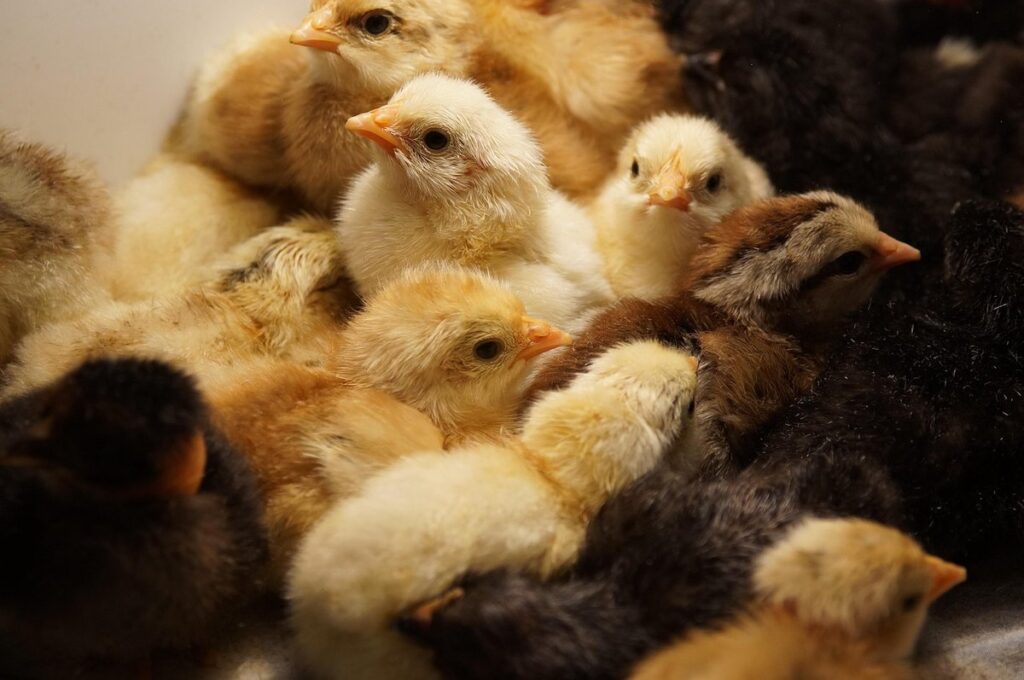
Understanding Hatch Rates and Their Importance
When it comes to improving hatch rates, understanding the fundamentals is crucial. In this next section, we’ll dive into what hatch rates are and why they matter in your incubation process.
What is Hatch Rate and Why Does it Matter?
In poultry farming, hatch rate is a critical parameter that measures the percentage of fertile eggs that successfully hatch into live chicks. Simply put, it’s the number of chicks hatched out of total eggs incubated. A high hatch rate indicates healthy and viable embryos, while a low rate suggests issues with fertility or incubation conditions.
For breeders and poultry farmers, understanding hatch rate is crucial as it directly impacts their profitability. A lower hatch rate means wasted resources on feed, water, and energy for unhatched chicks. To put this into perspective, a 10% reduction in hatch rate can result in significant losses, especially for large-scale operations. Therefore, improving hatch rates should be a top priority.
To grasp the significance of hatch rate, consider this: a mere 1-2% increase in hatch rate can translate to substantial financial gains for breeders and farmers. This is why monitoring and optimizing hatch rates are essential components of poultry farming strategies. In the following sections, we’ll delve into the factors affecting hatch rate and provide actionable tips on how to improve it in incubators.
Factors Influencing Hatch Rate
When it comes to achieving a high hatch rate in incubators, several factors come into play. One of the most significant influencers is breed type. Different breeds have varying levels of hatchability due to their genetic makeup and fertility characteristics. For example, some breeds like Leghorns are known for their high fertility rates, while others like Orpingtons may require more attention.
Incubation conditions also significantly impact hatch rate. Temperature, humidity, and ventilation all play crucial roles in creating a conducive environment for embryo development. Deviations from ideal temperatures (around 99.5°F) or humidity levels can lead to embryonic death or malfunction. Maintaining precise control over these factors is essential.
Embryo quality at the time of collection also affects hatch rate. Factors such as age, fertility level, and handling can impact embryo viability. Collecting embryos from high-quality parent stock, maintaining optimal storage conditions, and minimizing handling stress are all critical steps.
Inadequate egg cleaning and preparation procedures can also compromise hatch rates. Ensuring that eggs are properly cleaned and handled to prevent contamination is vital.
Incubator Selection and Setup
Choosing the right incubator is crucial for optimal hatch rates, so let’s dive into the process of selecting and setting up your ideal incubation environment.
Choosing the Right Incubator for Your Needs
Choosing an incubator that fits your farm’s needs is crucial for achieving optimal hatch rates. The type of incubator you select depends on various factors including the size of your farm, budget, and specific requirements.
For small-scale farmers or hobbyists, a manual incubator may be sufficient. These units are cost-effective, easy to use, and require minimal maintenance. However, they can be time-consuming and may not provide precise temperature control, which is essential for optimal hatch rates.
In contrast, digital incubators offer advanced features such as precise temperature control, humidity monitoring, and automatic turning of eggs. They are ideal for larger farms or those that require high levels of automation. Automatic incubators combine the benefits of manual and digital units, offering a balance between cost-effectiveness and precision.
When choosing an incubator, consider factors such as your farm’s size, budget, and specific requirements. For example, if you’re breeding exotic bird species, you may need an incubator with specialized features such as temperature-controlled ventilation or egg rotation systems. Ultimately, selecting the right incubator will depend on your unique needs and priorities.
Proper Incubator Setup and Maintenance
Setting up and maintaining an incubator is crucial for achieving optimal hatch rates. Temperature control is one of the most critical factors to consider. The ideal temperature range varies depending on the species being hatched, but a common range is between 99°F and 100°F (37°C to 38°C). Ensure that the incubator’s thermometer is calibrated accurately and that the temperature gradient is within the recommended range.
Maintaining optimal humidity levels is also essential. Most birds require a humid environment during incubation, with a relative humidity of around 50-60%. However, some species like chickens may need a higher or lower humidity level. Check your breed’s specific requirements to avoid any potential issues.
Regular cleaning and maintenance are vital to prevent contamination and maintain optimal incubator performance. Clean the incubator with mild soap and water every week, paying attention to areas around the vents and electrical components. Also, replace the water in the humidifier regularly to ensure accurate readings and prevent bacterial growth.
Breeding Stock Quality and Selection
When it comes to improving hatch rates, having high-quality breeding stock is crucial. In this section, we’ll explore how selecting and caring for optimal breeders can make a significant impact on overall hatch success.
Importance of Selecting High-Quality Breeding Stock
When it comes to improving hatch rates in incubators, many breeders overlook one crucial aspect: selecting high-quality breeding stock. This is a critical mistake, as the genetic makeup of your birds can significantly impact the success of your hatch rate.
Healthy, high-quality breeding stock is essential for achieving optimal hatch rates. When you select birds with robust immune systems and good egg-laying habits, they are more likely to produce healthy eggs that will incubate successfully. This, in turn, reduces the risk of embryonic mortality and increases the chances of successful hatching.
In fact, research has shown that breeding stock quality can account for up to 30% of the variation in hatch rates. This means that even with perfect incubation conditions, poor-quality breeding stock can still result in disappointing hatch rates. To avoid this, it’s essential to evaluate your breeding stock regularly and prioritize selection based on factors like fertility, egg quality, and genetic diversity.
By prioritizing high-quality breeding stock, you’ll set yourself up for success and create a foundation for achieving optimal hatch rates in your incubator.
Techniques for Evaluating Breeding Stock Health
When it comes to improving hatch rates in incubators, selecting high-quality breeding stock is crucial. But how do you assess their health and quality? A well-rounded evaluation involves a combination of visual inspections, blood tests, and genetic evaluations.
Start with visual inspections, which can reveal signs of stress, disease, or poor nutrition. Look for obvious issues like feather plucking, lethargy, or labored breathing. You should also monitor breeding stock’s growth rates, feed conversion ratios, and egg production. For example, if you notice a significant drop in egg production over time, it may indicate underlying health problems.
Blood tests can identify specific diseases or conditions, such as avian influenza or bacterial infections. These tests typically involve collecting a blood sample from the bird and sending it to a laboratory for analysis. Genetic evaluations can help identify inherited traits that affect fertility, hatchability, or egg quality. This information can be used to select breeding stock with desirable traits.
When evaluating breeding stock health, consider these key factors:
• Visual inspections of growth rates, feed conversion ratios, and egg production
• Blood tests to detect specific diseases or conditions
• Genetic evaluations to identify inherited traits
By incorporating these techniques into your breeding program, you can improve the overall health and quality of your breeding stock – ultimately leading to better hatch rates in your incubators.
Temperature Control and Management
Effective temperature control is crucial for successful incubation, as even slight deviations can significantly impact hatch rate. In this next step, we’ll explore how to manage temperature fluctuations.
Optimal Temperature Ranges for Different Stages of Incubation
Maintaining optimal temperature ranges throughout different incubation stages is crucial for improving hatch rates. The fertile egg stage requires a precise temperature range of 99-100°F (37.2-37.8°C) to initiate embryonic development.
As the embryo develops, temperatures should be adjusted slightly: between days 1-3, the temperature can drop by 0.5-1°F (0.28-0.56°C), and from day 4 onwards, it’s best to maintain a constant temperature of around 99°F (37.2°C).
During pipping (when the chick begins to break out of the shell), the temperature needs to be maintained at a relatively higher range of 100-101°F (37.8-38.3°C) to aid in this delicate process.
To ensure these precise temperature ranges are met, it’s essential to invest in accurate temperature control systems and monitor temperatures regularly using digital thermometers or data loggers. Additionally, maintaining consistent humidity levels within the incubator can also help regulate temperature fluctuations.
For example, a study by Hatchery Management Magazine found that eggs incubated at optimal temperature ranges (99-100°F) had a significantly higher hatch rate of 80% compared to those incubated at suboptimal temperatures (around 96°F).
Tips for Minimizing Temperature Fluctuations
Proper temperature control is crucial for maintaining optimal incubation conditions. One of the most significant factors affecting hatch rate is temperature fluctuations. These can be caused by various factors such as inadequate ventilation, insulation issues, or backup system failures.
To minimize temperature fluctuations, ensure that your incubator has adequate ventilation. This will help to maintain a consistent internal environment by removing excess heat and humidity. Use exhaust fans or vents to direct airflow away from the incubator and prevent hot air pockets from forming inside.
Insulation is also essential in maintaining stable temperatures within the incubator. Use high-quality insulation materials such as foam board or reflective insulation to line the incubator’s walls, floor, and ceiling. This will help to reduce heat loss and retain warmth inside the unit.
Implementing a backup system is another crucial strategy for minimizing temperature fluctuations. Consider investing in a redundant heating or cooling system that can take over if the primary one fails. This could be as simple as installing a separate heating element or a backup thermostat with automatic switching capabilities. Regular maintenance, monitoring, and testing of these systems will ensure they function correctly when needed.
Humidity Management and Monitoring
Maintaining optimal humidity levels is crucial for successful incubation, as fluctuations can significantly impact hatch rate. Let’s dive into effective humidity management and monitoring strategies.
Importance of Maintaining Optimal Humidity Levels
Maintaining optimal humidity levels is crucial for achieving high hatch rates in incubators. The ideal relative humidity (RH) range for incubation varies between 45% to 55%, depending on the breed and stage of development. However, deviations from this range can significantly impact embryonic development.
For example, if the RH is too low, it can lead to dehydration, resulting in delayed or arrested embryo growth, ultimately affecting hatch rates. Conversely, high humidity levels can cause respiratory problems, leading to increased mortality rates. To maintain optimal humidity, it’s essential to use a reliable hygrometer and adjust the incubator settings accordingly.
Regular monitoring of temperature and RH levels is also vital to prevent fluctuations that can stress embryos. Aim for a consistent daily range of ±1°C in temperature and ±2% in RH. This consistency will help create an ideal environment for embryonic development, ultimately leading to improved hatch rates. By paying attention to these small details, you can significantly enhance the overall hatch rate in your incubator.
Methods for Monitoring and Adjusting Humidity
Proper humidity management is crucial for optimal hatch rate. To achieve this, it’s essential to monitor and adjust humidity levels accurately. This can be done using a hygrometer, which measures the relative humidity (RH) in the incubator. There are two types of hygrometers: digital and analog. Digital hygrometers provide precise readings and often come with additional features such as data logging.
Data loggers are another essential tool for monitoring humidity levels. They record temperature and RH data at regular intervals, allowing you to track changes over time. This information is invaluable in identifying any fluctuations that may be affecting hatch rate. Some incubators also come equipped with built-in hygrometers and data loggers, making it easier to monitor humidity levels.
It’s recommended to calibrate your hygrometer regularly to ensure accuracy. Additionally, make sure the sensor is placed correctly within the incubator to obtain reliable readings. By monitoring and adjusting humidity levels effectively, you can create an optimal environment for hatching eggs, ultimately improving hatch rate.
Egg Handling and Storage Best Practices
When it comes to incubation, proper egg handling and storage are crucial for maintaining embryo health and increasing hatch rates. Let’s dive into some essential best practices to get right.
Proper Egg Cleaning and Sanitizing Techniques
When handling eggs for incubation, it’s crucial to implement proper egg cleaning and sanitizing techniques to prevent contamination. Bacteria such as Salmonella can easily contaminate eggs, causing damage to the embryo and ultimately leading to poor hatch rates.
To clean and sanitize eggs effectively:
* Begin by gently washing your hands with soap and water before handling the eggs.
* Gently brush away any visible dirt or debris from the eggshell using a soft-bristled brush. Avoid scrubbing too hard as this can damage the shell.
* Sanitize the egg in a solution of 1 tablespoon unscented chlorine bleach to 1 gallon of water for 10-15 minutes. This will help kill bacteria and other contaminants on the surface of the eggshell.
It’s essential to note that some studies have shown that washing eggs in cold water can lead to a decrease in hatch rates due to the increased risk of bacterial contamination. Always prioritize sanitizing over washing, especially when it comes to critical areas such as the air cell and blunt end.
To avoid re-contaminating the eggs after sanitizing, handle them carefully by placing them on their sides in egg cartons or trays, away from direct sunlight and drafts. Regularly cleaning and sanitizing your incubation equipment will also help maintain a healthy environment for the developing embryos.
Recommended Egg Storage Conditions
When storing eggs for incubation, it’s essential to maintain optimal conditions to ensure their viability and quality. The ideal storage temperature for eggs is between 55°F (13°C) and 60°F (15°C), as temperatures above or below this range can negatively impact the egg’s development.
Maintaining a humidity level of around 50-60% during storage will also help keep the eggs fresh. You can use a humidifier to achieve this, but ensure it doesn’t exceed 70% humidity, which can lead to mold and bacterial growth.
Protecting eggs from light is crucial as it can cause photoreactivation, where bacteria become active again after being inactivated by light. Store eggs away from direct sunlight or use a light-blocking material like paper or cardboard to shield them.
It’s also vital to keep the storage area clean, dry, and free from drafts. Regularly inspect the eggs for any visible cracks or damage before incubation.
Troubleshooting Common Incubator Issues
We’ve all been there – eggs not hatching as expected, and it’s time to troubleshoot common incubator issues that might be affecting your hatch rate. Let’s dive into some practical solutions together!
Identifying and Addressing Temperature-Related Problems
Temperature fluctuations and failures are among the most common temperature-related problems that can significantly impact hatch rates. To identify these issues, monitor your incubator’s temperature closely using high-quality thermometers and data loggers. Record the temperature readings at regular intervals to detect even slight variations.
When analyzing your temperature data, look for trends or patterns that may indicate a problem. For instance, if the temperature drops below the recommended range during the cooling phase, it could lead to embryo mortality. Similarly, if the temperature exceeds the set point during the incubation phase, it can cause stress and reduce hatch rates.
Addressing temperature-related issues requires prompt action. Start by checking the incubator’s calibration and ensuring that it is functioning correctly. Replace any faulty thermometers or sensors as needed. If the problem persists, consult your incubator’s user manual for troubleshooting guidance. Regular maintenance, such as cleaning and lubricating moving parts, can also help prevent temperature-related issues from arising in the future.
Resolving Humidity-Related Issues
Resolving humidity-related issues is crucial for maintaining optimal incubator conditions and achieving high hatch rates. Condensation, mold growth, and humidity imbalances can significantly impact the health and survival of embryos.
To address condensation, ensure proper ventilation within the incubator by installing a fan or adjusting airflow settings. Regularly inspect the incubator’s seals and gaskets to prevent moisture from entering. For instance, a study found that using a dehumidifier in conjunction with a fogger system improved hatch rates by 10% due to reduced condensation.
Mold growth can be prevented by maintaining optimal humidity levels between 50-60%. Regularly clean the incubator and its components, paying attention to areas prone to moisture accumulation. A case study demonstrated that implementing a strict cleaning schedule reduced mold-related embryo losses by 25%.
Humidity imbalances can be resolved by adjusting the humidistat or replacing the hygrometer. It’s essential to calibrate your humidity measuring equipment regularly to ensure accuracy. By addressing humidity-related issues promptly, you can significantly improve hatch rates and minimize embryo loss. Regular maintenance checks and prompt issue resolution are key components of achieving high-quality incubator performance.
Frequently Asked Questions
What if I’m just starting out with incubation and don’t have a lot of experience? How can I ensure successful hatching?
If you’re new to incubation, it’s essential to start with a basic setup that includes temperature and humidity control. Begin by monitoring your incubator’s temperature and humidity levels closely and make adjustments as needed. Practice makes perfect, so don’t be discouraged if you encounter some setbacks along the way. Start with a small number of eggs and gradually increase as you gain more experience.
How can I troubleshoot common issues like inconsistent hatch rates or dead-in-shell chicks?
To troubleshoot hatch rate inconsistencies, carefully examine your incubation environment for any potential issues such as temperature fluctuations, poor air circulation, or inadequate humidity levels. Check your egg handling and storage procedures to ensure they meet recommended standards. Additionally, consider consulting with a veterinarian or experienced breeder for guidance.
Can I use my existing incubator for breeding stock selection, or do I need separate equipment?
While you can use the same incubator for both purposes, it’s generally recommended to have a dedicated setup for evaluating breeding stock quality. This allows you to maintain precise control over temperature and humidity levels during testing without compromising your production flock.
What about maintaining proper hygiene in my incubation environment? How often should I clean and sanitize equipment?
Proper hygiene is critical for successful hatching. Regularly wash and dry all surfaces, including egg trays, with a mild detergent solution. Disinfect any items that come into contact with eggs or the incubator’s interior at least once a week, and more frequently if you notice any visible contamination.
Are there specific guidelines for maintaining humidity levels during different stages of incubation?
Yes, it is essential to maintain optimal humidity levels throughout the incubation process. For most species, this involves keeping the environment between 50-60% relative humidity during the first 18 days and reducing it slightly to around 40-50% until hatching. Consult your specific breed’s requirements for more detailed information on humidity management.