
Are you tired of watching your precious eggs incubate, only to have them succumb to the mysterious issue of “zipping” just before hatching? As any chicken keeper knows, zipping can be a devastating blow to even the most experienced breeders. Not only does it affect hatch rates, but it also puts stress on both the chicks and their mothers. In this article, we’ll dive into the causes behind zipping in chicks, expert tips for preventing it, and best practices for managing stress during hatching and brooding. From optimizing incubator settings to creating a healthy environment for your chicks, we’ll cover everything you need to know to ensure successful hatch rates.
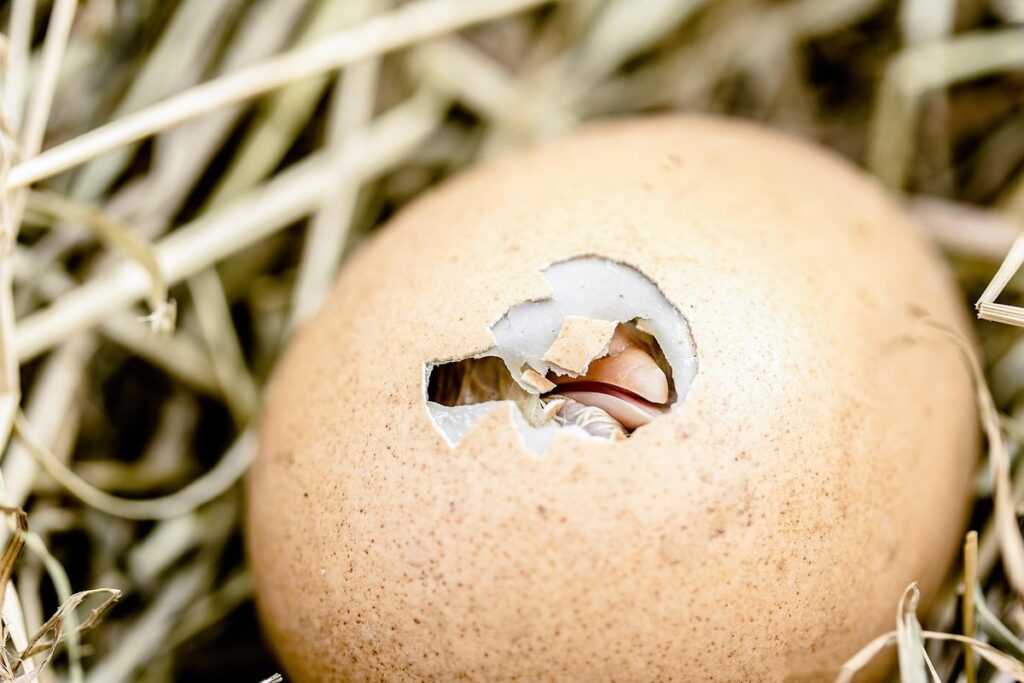
What is Zipping in Chicks
When it comes to hatching chicks, you may have heard of the term “zipping,” but what exactly does it mean and how does it relate to your chick’s development? Let’s break down this process.
Definition of Zipping
When you first bring home those adorable little chirping balls of fluff, it’s only natural to want everything to be perfect for them. However, it’s essential to recognize the signs that indicate something might not be quite right. One such sign is zipping.
Zipping refers to a peculiar behavior exhibited by some newly hatched chicks within 24-48 hours after hatching. They begin to draw their beaks together as if they’re zipping them up – it can be quite amusing, but also worrying if you don’t know what to look for.
This behavior is often seen in chicks that are under stress or experiencing discomfort due to various reasons such as temperature fluctuations, poor ventilation, or even being kept with siblings that might be competing for food and attention. So, how do you identify zipping? Look out for any chick that consistently keeps its beak closed, or shows reluctance to open it when feeding time comes around.
If you notice a chick exhibiting this behavior, don’t panic! Simply check the environment and make sure everything is comfortable for them – are they too hot or cold? Is there enough space in their enclosure? Make these adjustments as needed. By being proactive and attentive, you can prevent zipping from becoming more serious issues like frostbite or even fatalities.
Causes of Zipping in Chicks
When it comes to raising healthy chicks, zipping is a common issue that can have devastating consequences. But what causes zipping in chicks? The truth is, there are several factors at play, and understanding these causes is crucial for prevention.
Temperature fluctuations, for instance, can be a major contributor to zipping. When the temperature drops or rises suddenly, it can cause stress on the chick’s body, leading to respiratory problems. This is especially true in brooder environments where temperature control can be challenging. It’s essential to maintain a consistent temperature between 90-100°F (32-38°C) during the first few weeks of life.
Stress from handling or moving chicks can also lead to zipping. Chickens are naturally skittish birds, and excessive handling can cause them undue stress, weakening their immune system and making them more susceptible to respiratory issues. It’s crucial to handle your chicks gently and minimally until they’re around 5-6 weeks old.
Inadequate ventilation is another common culprit behind zipping. When the air in the brooder becomes stale or contaminated with ammonia from waste, it can lead to respiratory problems. Ensure that your brooder has proper airflow by using a combination of windows, vents, and fans.
Lastly, poor nutrition plays a significant role in zipping. A diet lacking essential nutrients such as protein, vitamins, and minerals can weaken the chick’s immune system, making them more prone to health issues. Feed your chicks a high-quality starter feed that meets their nutritional needs, and supplement with fresh fruits and vegetables for added benefits.
By understanding these causes of zipping, you can take proactive steps to prevent this issue in your flock. Remember, prevention is key, so keep a close eye on your chicks’ environment, diet, and stress levels to ensure they stay healthy and thrive.
Understanding the Hatching Process
Understanding the hatching process is a crucial step for any chick keeper, as it can make all the difference between life and death. In this section, we’ll break down each stage of hatching in detail.
Stages of Embryonic Development
As we delve into the fascinating process of zipping and hatching, it’s essential to understand the stages of embryonic development that occur before a chick emerges from its shell. This is where it all begins – inside the egg.
Around day 4-5 of incubation, the embryo starts to form basic body structures, including its eyes, beak, and claws. At this stage, you can observe the formation of tiny feathers on the embryo’s wings and tail. It’s crucial to maintain a consistent temperature between 99°F and 100°F (37°C to 38°C) during this period to promote healthy growth.
As incubation progresses (around day 10-12), you’ll notice more pronounced features, such as beak formation, claw development, and the start of feather growth. Beaks begin as a small bump on the embryo’s head, gradually growing into a shape similar to that of an adult chick’s beak. Claws emerge from tiny buds on the wings and legs, while feathers continue to grow in length and density.
By day 17-18, most internal organs are fully formed, including the digestive system and respiratory tract. This stage is critical for ensuring proper development and future growth once the chick hatches.
Physical Characteristics at Hatching
When chicks emerge from their shells at hatching, they are tiny, vulnerable creatures that require careful attention and handling. At birth, chicks are not yet fully formed and exhibit some peculiar physical characteristics.
Their eyesight is limited, with most chicks opening their eyes about 12-18 hours after hatching. Initially, the eyes may appear closed or partially opened, but as they begin to dry and develop, the lids start to open more widely. Don’t be alarmed if you notice your chick pecking around in darkness; it’s simply relying on its other senses.
Hearing is another crucial sense that chicks possess at hatching. Although their ears are small, they can detect sounds quite efficiently, often responding to even the faintest peeps or chirps from their siblings and mother.
Chicks also exhibit remarkable mobility soon after emerging, with most of them able to stand within 30 minutes of hatching. Their legs, though stumpy at first, start to develop rapidly as they begin to explore their surroundings. However, it’s essential to handle your chicks gently and carefully during this critical period to avoid any injuries or trauma.
Importance of Proper Temperature in Hatchery
Maintaining a stable temperature is crucial for healthy chick development, which is why proper incubator temperature control is essential to ensure successful hatching. Let’s explore this critical aspect further.
Ideal Temperature Ranges for Chicks
Maintaining an ideal temperature range is crucial for newly hatched chicks to develop and thrive. The environmental temperature affects their metabolism, growth rate, and overall health. For the first week after hatching, it’s essential to keep the brooder temperature between 95°F (35°C) and 100°F (38°C). This allows them to absorb heat efficiently from their yolk sac.
As they begin to grow feathers, the temperature can be gradually decreased by 5-10°F (3-6°C) every few days. By day seven, you can aim for a range of 80-85°F (27-29°C). Keep in mind that these are general guidelines and may vary depending on your specific hatchery conditions.
To maintain consistency, consider using a temperature-controlled brooder or thermostat. These devices ensure that the environment remains stable, even with minor fluctuations. A consistent temperature also helps prevent stress and promotes natural behavior among chicks.
For example, some breeders recommend using an infrared heat source for the first week, as it provides gentle warmth without overheating. Others prefer traditional heat lamps, but be sure to monitor their placement to avoid creating hotspots.
Risks Associated with Incorrect Temperatures
Incorrect temperatures can have severe consequences on chick development and overall health. When the temperature is too high or too low, it can lead to stunted growth, which may result in decreased egg production and poor feed efficiency later in life.
Respiratory problems are another risk associated with incorrect temperatures. High temperatures can cause excessive panting, while low temperatures can lead to cold stress, making chicks more susceptible to respiratory issues such as bronchitis or pneumonia. In extreme cases, the mortality rate may skyrocket due to temperature-related health issues.
To give you a better idea of the risks involved, let’s consider some statistics. For example, studies have shown that when chick embryos are incubated at temperatures above 100°F (38°C) or below 96°F (35.5°C), there is a significant increase in mortality rates. To minimize such risks, it is essential to maintain precise temperature control within the recommended range of 99°F to 100°F (37.2°C to 37.7°C).
Identifying Common Health Issues in Hatching Chicks
When you bring home a batch of newly hatched chicks, it’s not uncommon to notice some common health issues. In this section, we’ll walk you through the telltale signs to watch out for and how to identify them.
Beak Deformities and Other Abnormalities
As you carefully monitor the hatching process, you may notice that some chicks are born with deformities or abnormalities. Beak deformities are one of the most common issues you might encounter. These can manifest as twisted or bent beaks, which can make it difficult for the chick to eat and drink properly.
Some possible causes of beak deformities include genetics, nutritional deficiencies, or environmental factors during incubation. For instance, a lack of adequate calcium in the diet can lead to softening of the cartilage, resulting in a misshapen beak. Similarly, excessive heat or humidity during incubation can cause abnormal growth patterns.
When you notice a chick with a beak deformity, it’s essential to act quickly to provide supportive care. This may involve offering a shallow dish of food and water to prevent straining on the beak, or providing a specialized feeding system. Keep in mind that some chicks may still thrive despite their condition, while others may require more extensive care.
Respiratory Problems and Treatment Options
Newly hatched chicks are prone to respiratory problems due to their underdeveloped lungs and susceptibility to airborne pathogens. Common issues include pasty butt, where the vents become clogged with a sticky substance that can cause asphyxiation; wet hock, resulting from excessive moisture causing swelling in the legs and feet; and scaly leg mites, which lead to discomfort, pain, and difficulty walking.
Treatment options for respiratory problems depend on the severity of the issue. For pasty butt, gently wiping the vents clean with a warm cloth can help dislodge debris. In severe cases, antibiotics may be administered orally or through injection to combat secondary infections.
Monitor temperature and humidity levels in the brooder closely to prevent conditions that foster bacterial growth and infection. Regularly inspect chicks for signs of respiratory distress such as labored breathing, wheezing, or lethargy. Keep a clean environment by removing soiled bedding and disinfecting surfaces regularly. Consult with a veterinarian if you suspect a chick is struggling with a respiratory issue to determine the best course of action and prevent further complications.
Tips for Improving Hatch Rates
To achieve higher hatch rates, it’s essential to understand the factors that affect them and take steps to optimize your incubation environment. Here are some practical tips to get you started.
Breeding Strategies to Improve Fertility
When it comes to achieving higher hatch rates, breeding strategies play a significant role. Fertility is just as important as fertility preservation and can be improved through various methods. Breeders can start by selecting breeds with high fertility potential. Genetic selection involves identifying superior individuals that consistently produce healthy chicks.
Nutritional optimization is another crucial aspect of improving fertility. Providing your flock with a balanced diet rich in essential nutrients will help boost their reproductive health. This includes ensuring access to clean water, adequate protein intake, and vitamins A and E, which play key roles in sperm development and motility.
Maintaining optimal body condition through regular monitoring also helps prevent reproductive issues related to nutritional deficiencies. Regular health checks can identify any underlying problems early on, preventing potential fertility declines later down the line.
By incorporating these breeding strategies into your flock management routine, you’ll be better equipped to improve fertility rates and enjoy higher hatch success rates over time. Remember to monitor progress closely and make adjustments as necessary based on individual results.
Environmental Factors Influencing Hatch Success
When it comes to hatch success, environmental factors play a crucial role. You can’t control everything that happens during incubation, but being aware of the conditions that affect chick development will help you optimize your zipping and hatching process.
Humidity is one of the most critical environmental factors influencing hatch success. Chicks need a humid environment to develop properly, especially during the first few days after pip (when they start breaking through their shells). A humidity level between 50-60% is ideal, but it’s essential to maintain consistency throughout the incubation period. If the temperature and humidity levels fluctuate too much, it can cause stress on the developing chicks.
Temperature also plays a vital role in hatch success. Chicks require a stable temperature of around 99°F (37°C) during the first few days after pip. This is why many incubators have precise temperature control features. Proper lighting is also essential, as chicks need darkness to develop properly. Avoid exposing the eggs to direct sunlight or keeping them near windows, as this can disrupt the natural development process.
Remember that every breed of chick has specific environmental requirements. Research your breed’s needs and adjust your zipping and hatching setup accordingly. By controlling these environmental factors, you’ll be well on your way to achieving successful hatches.
Managing Stress and Handling Chicks
As you navigate the world of zipping and hatching, it’s essential to balance these tasks with the care and handling of your chicks. This means learning effective stress management techniques for both yourself and your young birds.
Minimizing Stress During Hatching and Brooding
When it comes to minimizing stress during hatching and brooding, gentle handling is crucial. Chicks are most vulnerable during this period, and rough handling can cause them undue stress, leading to poor health outcomes. To minimize stress, handle chicks as little as possible, making sure to support their fragile bodies. When transferring chicks from one place to another, use a soft, dry cloth or paper towels to cushion the move.
Adequate nutrition is also essential for minimizing stress during hatching and brooding. Ensure that your chicks have access to a balanced starter feed that meets their nutritional needs. A good quality feed should provide all the necessary nutrients for optimal growth and development. You can also supplement their diet with fresh fruits and vegetables, but make sure they are fed in moderation.
Proper ventilation is another key factor in minimizing stress during hatching and brooding. Chicks need a well-ventilated environment to breathe easily and maintain a healthy body temperature. Make sure your incubator or brooder has adequate airflow to prevent the buildup of ammonia and moisture.
Handling and Transportation of Newly Hatched Chicks
When handling and transporting newly hatched chicks, it’s essential to follow best practices to prevent injury or loss. Newly hatched chicks are fragile and require gentle care to ensure their survival. When removing them from the incubator or shipping container, handle them carefully by the legs, avoiding any direct contact with their bodies.
Transportation is also a critical factor. Keep the chicks in a secure, escape-proof container with adequate ventilation to prevent respiratory issues. Maintain a consistent temperature between 90-100°F (32-38°C) during transport to promote healthy growth and development. Use a sturdy, leak-proof shipping bag or box specifically designed for transporting chicks.
When transporting multiple batches of chicks, group them in separate compartments to avoid overcrowding and stress. Ensure the container is clean and disinfected before introducing new chicks. It’s also crucial to monitor temperature and humidity levels during transport, as extreme fluctuations can cause harm.
To minimize risk, it’s recommended to handle and transport chicks in a way that prevents sudden movements or jarring. This will reduce the likelihood of injury or loss during transit.
Conclusion
As you’ve now gained a deeper understanding of zipping and hatching in chicks, let’s summarize the key takeaways from this comprehensive guide. We’ll also discuss next steps for your backyard chicken adventure.
Recap of Key Takeaways
To ensure successful hatching of chicks, it’s essential to remember the key takeaways from this comprehensive guide. Understanding zipping and its implications for hatcheries is crucial for achieving optimal incubation conditions. Zipping occurs when air pockets form within an egg, disrupting gas exchange between the embryo and outside environment. Proper temperature control is critical in preventing zipping, as extreme temperatures can cause eggs to expand or contract excessively.
To recap, we discussed the importance of maintaining a consistent temperature range (99-100°F) for the first 18 days of incubation. Additionally, we highlighted the significance of monitoring humidity levels and ensuring proper ventilation within hatcheries. This will help prevent moisture buildup and maintain optimal conditions for hatching. Furthermore, we emphasized the need for precise temperature control to avoid shocking embryos during critical developmental stages. By keeping these key points in mind, you’ll be well-equipped to create an ideal environment for your chicks to develop and thrive. Remember, attention to detail is paramount when it comes to zipping awareness and temperature control in hatcheries.
Recommendations for Future Research
As we conclude our comprehensive guide to zipping and hatching in chicks, it’s essential to consider the significance of ongoing research in this area. Further investigation into the effects of zipping on chick development is crucial for optimizing breeding programs and improving overall health outcomes.
One potential avenue for future research is exploring the relationship between zipping and embryonic mortality rates. By analyzing data from commercial hatcheries, scientists can gain valuable insights into how zipping impacts chick viability. For instance, a study published in Poultry Science found that embryos subjected to moderate levels of zipping exhibited significantly lower mortality rates compared to those with extreme zipping.
Another critical area for exploration is the genetic factors influencing an individual’s susceptibility to zipping-induced stress. By identifying specific genetic markers associated with resilience or vulnerability, breeders can develop targeted breeding programs aimed at reducing the incidence of zipping-related issues.
Ultimately, continued research into the intricacies of zipping and its effects on chick development will help us better understand this phenomenon and develop more effective strategies for promoting healthy hatch rates and thriving flocks.
Frequently Asked Questions
How can I identify if my chicks are experiencing stress-related zipping behavior?
Stress-induced zipping is often accompanied by other signs such as lethargy, labored breathing, or erratic movements. Keep a close eye on your chicks’ behavior and watch for any unusual changes within 24-48 hours after hatching. If you notice these symptoms, take steps to minimize stress by providing a healthy environment, maintaining proper temperature ranges, and ensuring adequate ventilation.
Can I prevent zipping altogether?
While it’s challenging to completely eliminate the risk of zipping, optimizing your incubator settings and maintaining a clean, well-ventilated hatchery can significantly reduce its occurrence. Additionally, managing stress through gentle handling, providing ample space for movement, and maintaining optimal temperature ranges can also contribute to a lower incidence of zipping.
How do I know if my chicks are suffering from respiratory problems due to incorrect temperatures?
Respiratory issues often manifest as labored breathing, coughing, or difficulty standing. Monitor your chicks closely during the first few days after hatching, and maintain strict temperature control (around 99-100°F) in the brooder area to prevent such problems.
What’s the best way to handle a chick that exhibits abnormal beak development?
Gently remove any debris or blockages from the affected chick’s beak. Provide a shallow dish of water and soft food, like crushed oats, to help them eat comfortably. In severe cases, consult with a veterinarian for guidance on further treatment.
Can I reuse my incubator without proper cleaning and disinfection?
Reusing an incubator without thorough cleaning can spread diseases and affect future hatch rates. Disinfect all surfaces and replace any worn or damaged parts before each use to ensure optimal performance and hygiene.