
As a pet owner, you’re likely no stranger to the joys of watching your furry friend get clean in their dust bath. But have you ever stopped to think about the ingredients that go into making those baths so effective? From natural clays and diatomaceous earth to baking soda and more, there are countless options out there – but not all of them are created equal.
In this article, we’ll dive headfirst into the world of dust bath ingredients, exploring which ones work best for a safe and healthy experience. We’ll share recipes and expert tips on how to use these natural powders to keep your pet clean and happy. Whether you’re a seasoned pro or just starting out, our guide will walk you through everything you need to know about creating an effective dust bath that’s good for both you and your furry friend.
Understanding the Importance of Dust Baths
Dust baths are a crucial part of your pet’s grooming routine, and understanding their importance will help you choose the right ingredients for a beneficial soak. Let’s dive into why dust baths matter.
Benefits of Dust Baths for Pets
Dust baths have long been a popular grooming method for pets, and for good reason. Not only do they provide a fun and relaxing experience for our furry friends, but they also offer numerous benefits for their skin health and overall well-being.
Regular dust baths can help to improve skin health by removing dirt, oils, and other debris that can clog pores and cause irritation. This is especially beneficial for pets with sensitive skin or allergies, as it allows them to breathe easier and reduces the risk of skin infections. For example, a study found that dogs who underwent regular dust baths showed significant improvement in their skin condition compared to those who didn’t.
Dust baths can also help reduce shedding by removing loose hair and preventing matting. This is especially important for pets with thick coats or breeds prone to excessive shedding. By reducing the amount of loose hair, you’ll save time on brushing and grooming sessions, not to mention the reduced risk of hairballs and digestive issues.
Another significant benefit of dust baths is their ability to prevent fleas and ticks. These pesky parasites can cause discomfort, transmit diseases, and even lead to anemia in severe cases. By providing your pet with regular dust baths, you’ll reduce the likelihood of infestation and create a healthier environment for them to thrive in.
Types of Animals That Use Dust Baths
Dust baths are an essential part of many animals’ grooming routines. Whether it’s for cleanliness, parasite control, or even social bonding, various creatures from different species use dust baths to keep themselves clean and healthy.
Some of the most common animals that use dust baths include dogs, cats, birds, and small mammals like rabbits and guinea pigs. Dogs, in particular, often love dust baths as a way to relax and unwind after a workout or playtime. Some breeds even enjoy rolling around in the dirt to get their coats clean.
Cats are another example of animals that use dust baths to keep themselves clean. They’ll often dig into the sand or dusty area with their paws, then lick off the debris to remove any dirt or parasites from their fur. In the wild, birds like parrots and chickens will also engage in dust bathing as a way to control mites and other external parasites.
When it comes to using dust baths for your own pets, consider what type of ingredients you should use. For dogs, a mix of baking soda and water can help soothe their skin and remove dirt, while cats prefer a more gentle approach with oatmeal or aloe vera added to the dust bath. By understanding the specific needs of your pet, you can create a safe and effective dust bathing routine that keeps them clean and happy.
Common Dust Bath Ingredients
When it comes to creating a dust bath, you’ll want to know what ingredients work best for your pet. Let’s take a look at some common dust bath ingredients that are commonly used.
Natural Clay Powders
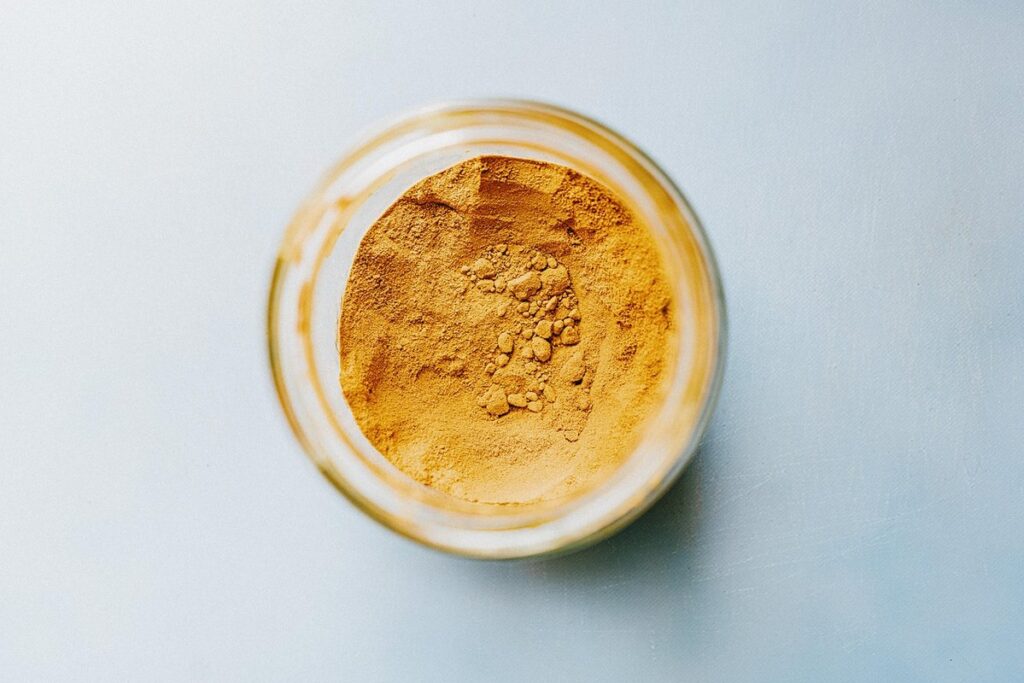
Natural clay powders are popular ingredients used in dust baths for their numerous benefits. Kaolin and bentonite clays are two of the most commonly used types. Kaolin clay is known for its gentle, non-abrasive properties, making it ideal for sensitive skin or pets with allergies. It helps to soothe skin irritations and absorbs excess oils.
Bentonite clay, on the other hand, has a higher absorbency rate than kaolin clay. It’s often used to detoxify the skin by pulling out impurities and toxins. When using bentonite clay in a dust bath, mix it with water first to create a paste before adding it to the dust bath.
Some users recommend rotating between kaolin and bentonite clays to reap their individual benefits. For instance, you can use kaolin clay during allergy season or for pets with skin conditions, while using bentonite clay for detoxification purposes. Always ensure to mix the natural clay powders according to the manufacturer’s instructions and in moderation, as excessive use may cause dryness or irritation.
Diatomaceous Earth (DE)
Diatomaceous Earth (DE) is a natural and popular ingredient used in dust baths to help control parasites on pets. So, how exactly does it work? DE is made up of tiny, porous particles that are derived from the fossilized remains of ancient aquatic organisms called diatoms. When ingested or inhaled by parasites such as fleas, ticks, and mites, these particles cause a dehydration effect, ultimately leading to the parasite’s demise.
This process occurs because the tiny pores on the surface of DE particles absorb the lipid layers that protect the parasite’s exoskeleton. As a result, the parasite loses its protective barrier and is unable to maintain its body fluids, eventually causing it to die. This dehydrating effect makes DE an effective ingredient for dust baths, allowing pets to relax in a safe and healthy environment while parasites are eliminated.
When using DE in your dust bath, be sure to follow these guidelines: start with small amounts (about 1-2 tablespoons per pound of food-grade DE) and gradually increase as needed. Also, ensure that the DE is sourced from reputable suppliers to avoid contamination risks. With proper use, DE can be a valuable addition to your pet’s parasite control regimen.
Baking Soda and Epsom Salt
When it comes to choosing ingredients for a dust bath, two popular options are baking soda and Epsom salt. Both of these household staples can provide numerous benefits for your furry friend’s skin and overall health.
Baking soda is a natural odor absorber that can help eliminate unpleasant smells from your pet’s fur. It also has gentle exfoliating properties that can help remove dirt and debris, leaving their coat feeling soft and clean. To use baking soda in a dust bath, simply add 1-2 cups to the mixture and let it sit for 5-10 minutes before rinsing off.
Epsom salt, on the other hand, is rich in magnesium, which can help soften skin and reduce irritation. Magnesium also has anti-inflammatory properties that can soothe itchiness and promote relaxation. When using Epsom salt in a dust bath, be sure to follow the recommended dosage (usually 1-2 cups per gallon of water) to avoid over-saturating your pet’s skin.
By incorporating either or both of these ingredients into their dust bath routine, you can help keep your pet clean, healthy, and happy.
Homemade Dust Bath Recipes
When it comes to creating a dust bath for your pet, using natural ingredients can be just as effective as store-bought products. Here are some simple homemade recipes you can try right away.
Simple Clay-Based Recipe
One of the simplest and most effective dust bath recipes is based on natural clay powders. These powders are gentle on your pet’s skin while effectively absorbing moisture and odors. To make a clay-based dust bath, you’ll need:
* 1 cup of bentonite clay powder
* 1/2 cup of kaolin clay powder
* 1 tablespoon of apple cider vinegar
* 10 drops of lavender essential oil (optional)
Mix the bentonite and kaolin clays together in a bowl until well combined. Add the apple cider vinegar and stir until the mixture has a smooth consistency. If desired, add the lavender essential oil for its calming benefits. Transfer the mixture to a container or bag and use as needed.
This recipe is perfect for small pets or those with sensitive skin. The bentonite clay helps to draw out moisture, while the kaolin clay soothes and calms irritated skin. Remember to always spot test any new ingredients on your pet’s skin before using them in a dust bath.
DE-Infused Recipe
If you’re looking for an added layer of protection against parasites, incorporating DE (diatomaceous earth) into your dust bath recipe is a great option. This natural powder is made from the fossilized remains of tiny aquatic organisms and works by dehydrating insects and worms, ultimately causing them to die.
To make a DE-infused dust bath recipe, start by adding 1-2 cups of food-grade diatomaceous earth to your existing recipe. You can mix it with the other ingredients or create a separate container specifically for the DE powder. The key is to ensure that the DE is evenly distributed throughout the dust bath so that all areas are covered.
A good rule of thumb is to use a 1:1 ratio when combining DE with another ingredient, such as baking soda or cornstarch. For example, if you’re using 2 cups of baking soda, add 2 cups of DE powder as well. This will create an effective barrier against parasites without overpowering the other ingredients.
Remember to always use food-grade diatomaceous earth and handle it with care, as it can be irritating to skin and respiratory systems in high concentrations.
Baking Soda and Epsom Salt Blend
When it comes to creating a soothing dust bath, combining baking soda and Epsom salt with other natural ingredients is an effective way to provide relief for your pet. One simple recipe that you can try at home involves mixing 1 cup of baking soda with 1/2 cup of Epsom salt in a large bucket or container. Next, add 1 tablespoon of bentonite clay and mix until well combined.
The combination of these three ingredients creates a dust bath that is both cleansing and soothing for your pet’s skin. The baking soda helps to neutralize odors and reduce inflammation, while the Epsom salt provides magnesium to help relax muscles and improve circulation. The bentonite clay adds an extra layer of detoxification properties, drawing out dirt and impurities from your pet’s coat.
To use this blend, simply sprinkle it liberally over a designated dust bath area or into a shallow dish for smaller pets. Let your pet spend as much time in the dust bath as they like, then rinse them off thoroughly with warm water to remove any excess debris.
Preparing the Perfect Dust Bath
When it comes to creating a dust bath, getting the ingredients just right is crucial. In this next step, we’ll cover everything you need to know for preparing the perfect dust bath.
Choosing the Right Container
When selecting a container for your dust bath ingredients, it’s essential to choose one that’s both functional and safe. The right container will not only prevent spills and messes but also ensure the longevity of your ingredients.
A good rule of thumb is to opt for a container that’s at least 1-2 inches deep to allow for easy mixing and stirring without spilling over. Avoid using shallow containers, as this can lead to a messy dust bath area. Consider using plastic or ceramic containers with lids, as they are easy to clean and can be sealed tightly to prevent contamination.
When it comes to material, stainless steel containers are also an excellent choice due to their durability and ease of cleaning. However, keep in mind that some materials, like glass, may not be suitable for storing moisture-sensitive ingredients.
Remember to always check the container’s size and material before purchasing to ensure it meets your needs. By choosing the right container, you’ll be able to create a dust bath area that’s both effective and mess-free.
Measuring Ingredients Correctly
Measuring ingredients accurately is crucial when preparing a dust bath for your reptile. To ensure you’re getting it right, let’s break down the process.
First and foremost, consult your pet’s specific needs regarding dust bath quantity and ingredient ratios. A general guideline suggests using 1-2 tablespoons of dry powder per square inch of enclosure space. However, this can vary depending on factors such as humidity levels and individual animal preferences.
For measuring accuracy, it’s best to use a digital scale or measuring cups specifically designed for dry ingredients. When scooping powder from a container, avoid compacting the ingredient by tapping the cup gently instead. This will help prevent excessive packing, which can skew measurements.
Additionally, ensure you’re using a dedicated dust bath area and separate equipment for each pet to prevent cross-contamination of ingredients or allergens.
Tips for a Safe and Comfortable Experience
When it’s time for your pet to indulge in their dust bath, ensuring their comfort and safety is paramount. Temperature control is crucial to prevent overheating or chilling. Aim for a temperature range of 70°F to 80°F (21°C to 27°C), which allows them to regulate their body heat effectively.
Make sure you’re supervising your pet closely during the dust bath experience. This will enable you to intervene immediately if they show signs of discomfort, such as panting excessively or attempting to exit the area hastily. A safe distance between your pet and any potential escape routes is also essential.
To create a distraction-free environment, consider using a separate enclosure for the dust bath or positioning your pet in a quiet corner of their designated play area. Regularly checking on your pet during the bath will help you gauge their comfort level and make adjustments as needed.
Potential Risks and Allergies
While dust baths can be incredibly beneficial for your pet, it’s essential to consider potential risks and allergies that may arise from certain ingredients. This includes recognizing signs of irritation or reaction in your furry friend.
Common Allergies to Watch Out For
When it comes to dust bath ingredients, there are certain allergens and sensitizers that pet owners should be aware of. Some common allergies to watch out for include reactions to essential oils, fragrances, and dyes.
Citrus-based products, such as those containing lemon or orange oil, can cause skin irritation and allergic reactions in some pets. Tea tree oil, while commonly used in many grooming products, can also be a culprit if ingested or applied undiluted to the skin.
Other potential allergens include fragrances like lavender and chamomile, which may cause skin redness and itching in sensitive pets. Additionally, some pets may develop contact dermatitis from exposure to certain dyes or colorants used in dust bath products.
To minimize the risk of allergic reactions, it’s essential to read product labels carefully and look for hypoallergenic or fragrance-free options. When introducing a new dust bath ingredient, start with a small patch test on your pet’s skin to monitor for any adverse reactions. By being mindful of these potential allergens and taking precautions, you can create a safe and comfortable dust bathing experience for your furry friend.
Precautions for Pets with Skin Conditions
If you’re considering creating a dust bath for your pet with skin conditions like eczema or hot spots, it’s essential to take extra precautions. A standard dust bath recipe can exacerbate sensitive skin, causing irritation and discomfort.
When choosing a dust bath ingredient, opt for gentle alternatives that are pH-balanced and free from harsh chemicals. Consider using oatmeal, baking soda, or colloidal oatmeal, which are known for their soothing properties. These ingredients help to reduce itching, inflammation, and redness associated with skin conditions.
Before creating the dust bath, ensure you’re aware of your pet’s specific needs. Consult with a veterinarian to determine the best course of action for your pet’s particular condition. They can recommend tailored treatments and provide guidance on how to create a dust bath that meets their unique requirements.
In addition to using gentle ingredients, it’s crucial to monitor your pet’s skin closely after each dust bath session. Be prepared to adjust the recipe or switch to an alternative ingredient if you notice any adverse reactions.
Conclusion
Now that you’ve learned what ingredients work best for a dust bath, let’s summarize the key takeaways to help you get started on creating your own safe and effective dust bath.
Recap of Key Points
As we come to the end of this comprehensive guide, let’s recap the key points covered so far. You now have a thorough understanding of the various dust bath ingredients that are essential for maintaining the health and well-being of your furry friends.
We’ve discussed the importance of incorporating dust baths into your pet’s grooming routine, highlighting their benefits in removing dirt and oils from their coat, promoting skin health, and reducing shedding. The right combination of dust bath ingredients can make all the difference in achieving these goals.
One of the most significant takeaways is the diverse range of options available for dust bath ingredients. From natural minerals like baking soda and Epsom salt to essential oils such as lavender and tea tree oil, each has its unique properties that cater to specific needs.
Some popular choices include:
* Baking soda: Known for its deodorizing properties and ability to neutralize skin pH.
* Epsom salt: Rich in magnesium, which helps to reduce inflammation and soothe itchy skin.
* Oatmeal: A natural anti-inflammatory that provides relief from allergies and irritations.
When selecting a dust bath ingredient, consider your pet’s individual needs and preferences. For example, if they have sensitive skin, you may want to opt for a gentle ingredient like oatmeal or coconut oil. On the other hand, if they suffer from shedding issues, baking soda could be an effective solution.
Remember, it’s essential to always supervise your pet during dust baths and ensure their comfort and safety. With this guide, you’re well-equipped to make informed decisions about dust bath ingredients and provide the best possible care for your beloved companion.
Frequently Asked Questions
How often should I use a dust bath for my pet, and how will I know it’s working effectively?
Concise, valuable answer…
Using a dust bath too frequently can strip your pet’s skin of its natural oils. We recommend using a dust bath 1-2 times a week, depending on your pet’s individual needs and activity level. As you introduce new ingredients, monitor your pet’s skin health and adjust the frequency accordingly.
Can I use baking soda and Epsom salt together in my homemade dust bath recipe?
Concise, valuable answer…
Yes! Baking soda and Epsom salt can complement each other well in a dust bath, helping to balance pH levels and soften skin. However, be cautious not to overdo it – excessive use of either ingredient can cause irritation.
What if my pet has sensitive skin or allergies? How do I identify potential allergens?
Concise, valuable answer…
If your pet has sensitive skin or allergies, introduce new ingredients gradually and in small amounts. Monitor their behavior and skin health closely for any adverse reactions. Common allergens to watch out for include natural clays, baking soda, and diatomaceous earth.
How do I store my dust bath ingredients properly to maintain their effectiveness?
Concise, valuable answer…
Store your dust bath ingredients in a cool, dry place to preserve their potency. Diatomaceous earth, in particular, can absorb moisture from the air, so keep it sealed tightly when not in use. For natural clays and powders, consider storing them in glass containers to prevent absorption of odors or moisture.
Can I make my own dust bath powder using a combination of ingredients?
Concise, valuable answer…
Yes! You can experiment with different combinations of natural powders to create your unique blend. However, be mindful of the overall pH level and ensure that your final product doesn’t contain any harsh or abrasive ingredients that might irritate your pet’s skin.
How do I know if my homemade dust bath recipe is too alkaline or acidic?
Concise, valuable answer…
To determine the pH balance of your recipe, consider consulting a pH test kit or using a DIY method involving vinegar and baking soda. Aim for a slightly alkaline pH (around 7-8) to help maintain skin health and prevent irritation.