
When it comes to your backyard flock, there are many fascinating features that make each bird unique. One aspect that’s often overlooked but plays a crucial role in their daily lives is the chicken wattle. These colorful flaps of skin hang from the neck and throat area, but they’re more than just a decorative trait. They serve a vital purpose in thermoregulation, helping chickens regulate their body temperature and stay comfortable in extreme weather conditions.
But that’s not all – wattles also play a significant role in attracting mates and identifying individual birds within your flock. In this article, we’ll delve into the importance of chicken wattles, covering topics from their function in thermoregulation to tips on how to care for them properly.
What Are Chicken Wattles?
So, you’re curious about chicken wattles and what they do? In this section, we’ll delve into their purpose and explore how these fascinating features play a role in your feathered friends’ lives.
Definition and Anatomy
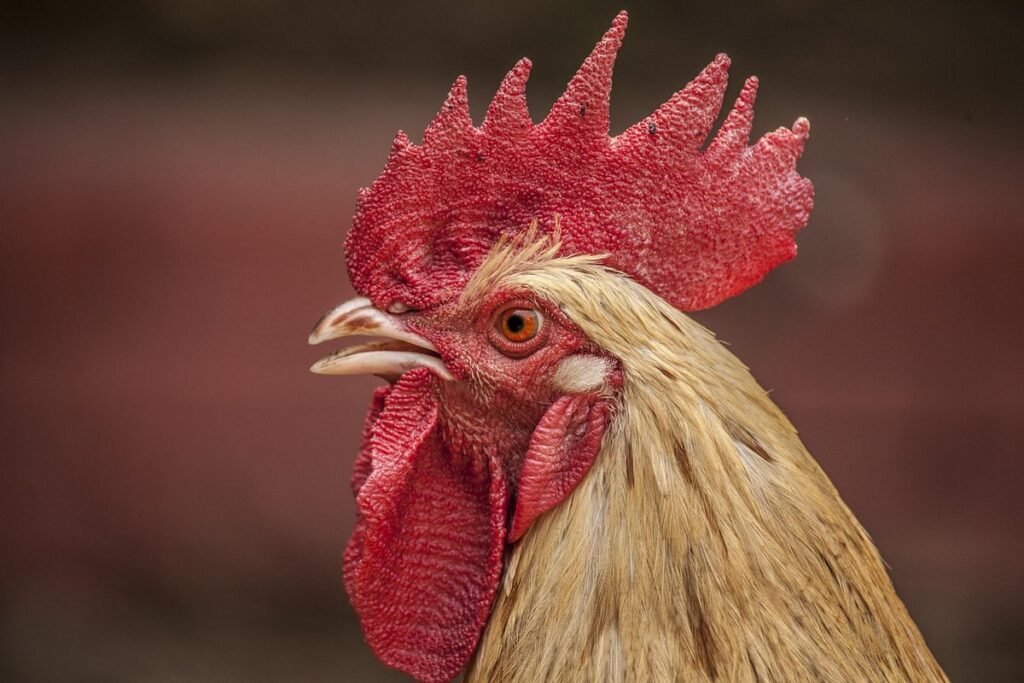
So, you want to know more about chicken wattles? Let’s start with the basics. A chicken wattle is a loose piece of skin that hangs from the neck of a chicken, typically below the beak. It’s one of those quirky features that can be quite endearing when you look at it, but what exactly is its purpose?
The anatomy of a chicken wattle is surprisingly straightforward. It’s made up of skin and connective tissue, which essentially means it’s a flap of flesh hanging from the neck. This might sound simple, but trust us, it plays a crucial role in how your chicken regulates its body temperature. The loose skin acts as a sort of heat exchange system, allowing the chicken to absorb or release heat efficiently.
This unique arrangement is quite effective, and studies have shown that chickens with larger wattles tend to perform better in hot climates. It’s also worth noting that some breeds are more prone to having large wattles than others. If you’re keeping backyard chickens, understanding their anatomy can help you provide the best care possible – for instance, knowing how to keep them cool during the summer months.
Importance for Identification
Chicken wattles are not only an interesting feature of our feathered friends but also serve as a valuable tool for identification. When it comes to distinguishing between different breeds of chickens, their wattles can be a key indicator of their heritage. Each breed has its unique characteristics, and the size, shape, and color of the wattle can vary significantly from one breed to another.
For instance, some well-known breeds with distinctive wattles include the Polish, the Silkie, and the Sultan. The Polish chicken boasts long, pendant-like wattles that hang below its chin, while the Silkie’s wattles are fluffy and soft to the touch. The Sultan, on the other hand, has small, rounded wattles that are more discreet than those of its counterparts.
To identify a breed based on its wattle, pay attention to its size, shape, and color. Some breeds have wattles that are relatively long and dangly, while others have shorter, more compact ones. By taking note of these characteristics, you can narrow down the possible breed and make an educated guess about your chicken’s ancestry.
Evolutionary Purpose of Chicken Wattles
Chicken wattles serve a vital evolutionary purpose, providing protection and insulation for our feathered friends. Let’s dive into how they’ve adapted to benefit these birds over time.
Thermoregulation and Cooling
Chickens’ ability to thrive in various environments is largely due to their unique thermoregulation system, and chicken wattles play a significant role in this process. When it’s hot outside, the hanging skin of the wattle helps to dissipate heat from the neck area, which can be quite a challenge for chickens.
As you might know, chickens have a limited ability to sweat compared to humans. They rely on panting and transpiring through their respiratory system to cool down. However, this method is not always effective, especially in extremely hot environments. The wattle acts as an additional mechanism to aid in cooling the chicken’s body temperature.
When it gets too hot for your chickens, make sure they have access to a shaded area or use misting systems to lower their environment’s temperature. Keeping them hydrated is also crucial to prevent heat stress. In some cases, you might consider trimming the wattle if it becomes overly large and obstructs the chicken’s vision. However, this decision should be made after careful consideration of its potential impact on the bird’s thermoregulation ability.
Attracting Mates
When it comes to attracting mates, large wattles may play a more significant role than you think. In the world of chicken courtship, display and appearance can make all the difference. Male chickens with prominent wattles are often seen as more attractive to potential mates.
Studies have shown that female chickens tend to prefer males with larger, more vibrant wattles. This is because these characteristics signal to the female that the male is healthy, strong, and capable of providing for her and their future offspring. In fact, research has found that females will even choose a male with a larger wattle over one with better genetic quality if given the choice.
If you’re looking to encourage your male chicken‘s wattles to grow, ensure he’s receiving a balanced diet rich in protein and nutrients. A lack of essential vitamins can hinder growth, so make sure his feed is complete. Also, provide him with a stress-free environment where he can focus on development rather than competing for resources. By giving your male chicken the best chance to thrive, you may be surprised at just how attractive those wattles become!
Care and Maintenance of Chicken Wattles
To keep your chickens looking and feeling their best, it’s essential to understand how to properly care for those adorable dangling wattles. Here, we’ll cover the basics of wattle maintenance.
Keeping Wattles Clean
Keeping wattles clean is an essential aspect of chicken care that often gets overlooked. However, dirty wattles can become a breeding ground for bacteria and fungi, leading to infections that can be painful for your birds. When your chicken’s wattles are wet or dirty, it creates an ideal environment for pathogens to thrive. This can result in conditions like wet litter syndrome, which can lead to serious health issues if left unaddressed.
To keep your chicken’s wattles clean and dry, make sure to check them regularly after dust baths or playtime outdoors. Gently pat the area with a soft cloth or paper towel to remove any dirt or debris. If you notice that your chicken’s wattles are excessively dirty or have developed an unpleasant odor, mix 1 part white vinegar with 9 parts water and gently wipe the area clean.
It’s also crucial to ensure good ventilation in your coop to prevent moisture buildup. You can achieve this by installing proper airflow systems or simply leaving a window open for cross-ventilation.
Preventing Injury
Preventing Injury to Your Chicken’s Wattle is Crucial
When it comes to chicken wattles, preventing injury is of utmost importance. Those soft, fleshy appendages are not only essential for regulating body temperature but also highly susceptible to damage. One of the most common causes of wattle injury is entanglement with feeders or fencing. To avoid this, ensure that any enclosures have adequate space and a sturdy design that won’t catch your chicken’s wattle.
It’s equally important to provide enough room for your birds to move around comfortably. This will help reduce stress on their wattles and minimize the risk of injury. A good rule of thumb is to allocate at least 3-4 square feet of space per bird inside the coop, with additional outdoor areas offering ample space for exercise.
When introducing new feeders or modifying existing enclosures, consider factors like wattle-friendly design and optimal ventilation. By doing so, you’ll not only safeguard your chicken’s physical well-being but also promote overall health and happiness. Regular cleaning and maintenance of these areas will further reduce the risk of injury and prevent potential health issues down the line.
Health Implications of Chicken Wattle Problems
When caring for chickens, it’s essential to be aware of the potential health risks associated with wattle problems, which can arise from neglect or poor management. This section explores those critical implications in more detail.
Injuries and Trauma
When caring for your flock, it’s essential to be aware of the potential risks associated with chicken wattle problems. Injuries and trauma can affect the wattle, leading to discomfort, infection, and even life-threatening complications if left untreated.
One common type of injury is a torn or cut wattle, which can occur due to pecking, fighting, or accidental damage from fencing or equipment. If you notice your chicken’s wattle is bleeding or swollen, it’s crucial to provide immediate attention. For minor wounds, apply gentle pressure with a clean cloth for 5-10 minutes to stop the bleeding. You can also use a topical antibiotic ointment to prevent infection.
More severe injuries, such as those caused by deep cuts or puncture wounds, may require veterinary attention. In these cases, it’s vital to keep an eye on your chicken’s behavior and watch for signs of stress, pain, or illness. If you suspect your bird is experiencing complications, consult a veterinarian experienced in poultry care to ensure proper treatment and prevent long-term health issues.
Signs of Underlying Conditions
As you observe changes in your chicken’s wattle, it’s essential to consider underlying health issues that may be contributing to these changes. Respiratory infections, for instance, can cause the wattle to turn pale or develop a grayish tint due to lack of oxygenation. Nutritional deficiencies, particularly vitamin E and selenium shortages, can lead to brittle, discolored wattles.
Hormonal imbalances, such as those caused by stress or adrenal fatigue, may also affect wattle appearance. For example, high levels of estrogen can cause the wattle to become enlarged or develop redness. On the other hand, low testosterone in males can result in a shrunken or discolored wattle.
If you notice any unusual changes in your chicken’s wattle, monitor their overall health and behavior closely. Keep an eye out for signs of illness like labored breathing, lethargy, or loss of appetite. Regularly inspect your flock’s living conditions to prevent stress-related issues. Consult a veterinarian if you suspect underlying health problems affecting your chickens’ wattles.
Raising Chickens with Large Wattles: Considerations and Challenges
Raising chickens with large wattles requires careful consideration of their unique needs, including specialized care for their extra skin folds. When it comes to these birds, there are specific challenges you’ll need to address.
Managing Stress
Managing stress is crucial for chickens with large wattles that may be prone to injury. When these birds are under stress, they’re more likely to engage in behaviors that can exacerbate wattle problems, such as pacing, panting, and excessive noise-making.
To create a calm environment for your flock, consider providing natural light exposure. Chickens have an innate sense of timing and will adjust their behavior according to daylight hours. Placing perches near windows or installing skylights allows birds to bask in sunlight during the day, which can help regulate their circadian rhythms.
Adequate space is also essential for reducing stress levels. Hens need room to move around comfortably without feeling cramped or crowded. A general rule of thumb is to provide at least 2-3 square feet of floor space per bird inside the coop and about 8-10 square feet in the run. This ensures that your chickens have enough space to stretch their wings, exercise, and engage in natural behaviors without causing stress on their bodies, particularly their wattles.
Feeding Strategies
When it comes to raising chickens with large wattles, ensuring they receive a balanced diet is crucial for maintaining their overall health and preventing irritation. Chickens with large wattles are more prone to skin issues due to the excess skin folds, making it essential to provide them with a nutrient-rich feed that supports skin health.
A well-rounded chicken feed should include a mix of vitamins A, E, and C, as well as omega-3 fatty acids, which help maintain healthy skin. Avoid feeds containing fillers or by-products, which can exacerbate skin issues. Instead, opt for high-quality commercial feeds or consider a homemade diet with fresh fruits and vegetables.
It’s also essential to provide chickens with access to fresh water at all times to prevent dehydration and irritation. Adding a pinch of apple cider vinegar to their water may help balance their digestive system and reduce the risk of skin irritation.
Conclusion: Understanding the Importance of Chicken Wattles
In conclusion, understanding the importance of chicken wattles is crucial for any chicken keeper. These fleshy appendages may seem like a mere cosmetic feature, but they play a vital role in a chicken’s overall health and well-being. By recognizing their purpose, we can take steps to ensure our feathered friends receive proper care and attention. For instance, keeping the wattles clean and dry is essential to prevent bacterial infections. Regularly checking for signs of irritation or injury will also help you address any issues promptly. By doing so, you’ll not only improve your chicken’s quality of life but also strengthen your bond with them.
Frequently Asked Questions
Can I trim or remove my chicken’s wattle to prevent health issues?
Yes, trimming or removing your chicken’s wattle can be done, but it’s essential to do so carefully to avoid causing more harm than good. If you’re concerned about your chicken’s wattle, consult with a veterinarian for advice on how to proceed safely.
How often should I clean my chickens’ wattles?
Cleaning your chickens’ wattles regularly is crucial to prevent bacterial and fungal infections. Check their wattles daily, especially during hot weather or when they’re stressed, and gently wipe them clean with a damp cloth.
Can the size of my chicken’s wattle affect its health or behavior?
Yes, large wattles can sometimes lead to health issues like heat stress or skin problems, while smaller wattles might be more prone to injury. However, some breeds are naturally born with larger or smaller wattles, and this doesn’t necessarily impact their overall health or behavior.
How do I prevent my chickens from injuring themselves on their own wattles?
To prevent injuries, ensure your chickens have enough space to move around comfortably, and provide adequate ventilation in their coop. You can also trim long pieces of skin hanging from the neck area to reduce the risk of entanglement or irritation.
Are there any specific feeding strategies that can help keep my chicken’s wattle healthy?
Yes, providing a balanced diet rich in omega-3 fatty acids can promote overall health and well-being for your chickens, including their wattles. Ensure they have access to clean water and maintain good hygiene practices around the coop to prevent disease transmission.