
Broiler processing age is more than just a number – it significantly impacts the quality, consistency, and ultimately, the profitability of your poultry products. As the demand for high-quality protein sources continues to rise, understanding broiler processing age has become increasingly important for producers, processors, and consumers alike.
In this article, we’ll delve into the world of broiler processing age, covering its definition, key influencing factors, and the importance of accurate determination. We’ll also explore best practices for assessing processing age, emerging technologies that are changing the game, and the latest trends in the industry. By the end of this comprehensive guide, you’ll have a deeper understanding of how to optimize your production processes, improve product quality, and stay ahead of the competition in today’s fast-paced poultry market.
Defining Broiler Processing Age
To better understand broiler processing age, it’s essential to first define what this term means and how different ages impact your poultry business. Let’s break down the basics together.
Overview of Terms and Definitions
Broiler processing age is a crucial factor in poultry production that affects not only the quality of the final product but also the overall efficiency and profitability of the process. To fully grasp this concept, it’s essential to understand its definition and importance.
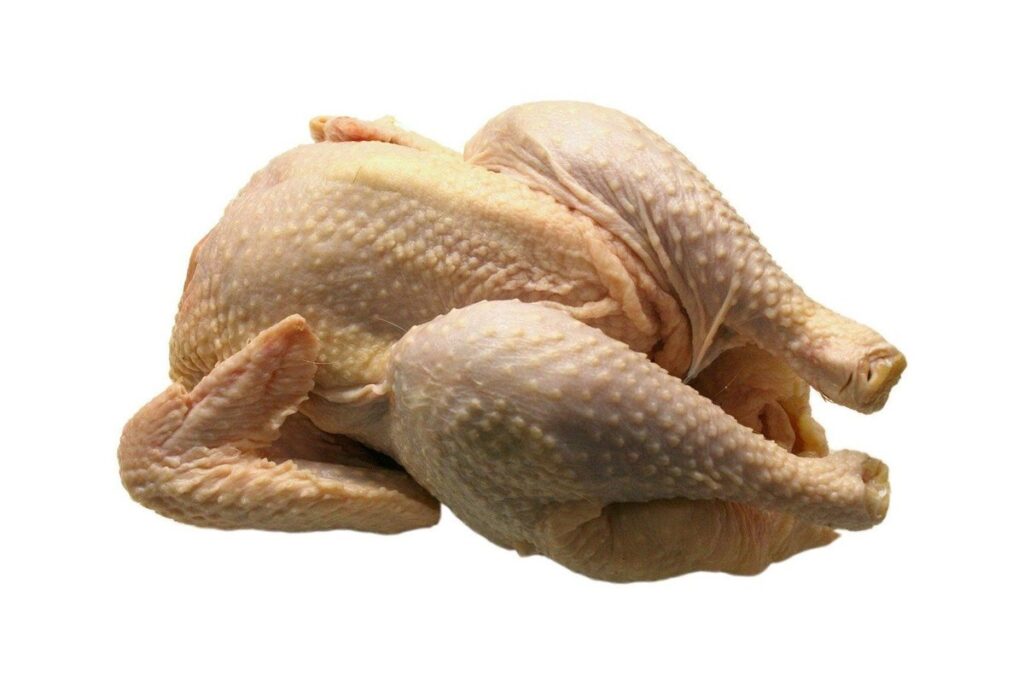
In simple terms, broiler processing age refers to the stage at which chickens are processed for human consumption. It is a critical phase in the production cycle that involves several key steps, including scaling, evisceration, and packaging. The importance of accurate timing cannot be overstated, as it directly impacts the quality and safety of the meat.
Key terms associated with broiler processing age include “chill time,” which refers to the period between processing and chilling, and “dressing percentage,” which measures the proportion of usable meat on a bird. Understanding these definitions is vital for poultry producers to optimize their operations and ensure compliance with regulatory standards. By grasping the basics of broiler processing age, producers can make informed decisions that enhance efficiency, quality, and profitability in their production processes.
Factors Influencing Broiler Processing Age
The factors that influence broiler processing age are multifaceted and can significantly impact the overall efficiency of a poultry production system. Breed selection is one key factor, as different breeds have varying growth rates and processing ages. For instance, some popular commercial broiler breeds like Ross 308 and Cobb 500 have recommended processing ages of around 38-40 days.
Genetics also play a crucial role in determining broiler processing age. Selective breeding programs have led to the development of faster-growing birds that can reach market weight in as little as 28-30 days. However, these accelerated growth rates often come at the cost of increased feed consumption and potential health issues.
Nutrition is another critical factor influencing broiler processing age. A balanced diet that includes essential nutrients like protein, energy, and amino acids can support optimal growth rates and reduce the likelihood of metabolic disorders. Environmental conditions such as temperature, humidity, and ventilation also impact bird growth and development.
In practical terms, poultry producers must carefully balance these factors to achieve optimal processing ages. This may involve selecting breeds with suitable growth profiles, implementing targeted nutrition programs, and ensuring adequate environmental controls.
Importance of Accurate Processing Age
Accurately determining a broiler’s processing age is crucial for ensuring quality and food safety, as it directly impacts the final product. In this next part, we’ll explore why accuracy matters.
Economic Implications of Inaccurate Ages
Inaccurate or inconsistent broiler processing ages can have far-reaching economic implications for poultry farms and processing facilities. When ages are not accurately recorded or reported, it can lead to a range of problems, from lost revenue to increased costs and reduced profitability.
For instance, if a processor inaccurately labels their birds as younger than they actually are, the producer may lose out on premium pricing opportunities. Conversely, if older birds are labeled as younger, the processor may face penalties or fines for violating age-related regulations. This not only affects the bottom line but also damages the industry’s reputation and consumer trust.
To mitigate these risks, it’s essential to implement robust systems for tracking and verifying broiler processing ages. This includes investing in reliable data collection tools, conducting regular audits, and establishing clear policies for age verification. By doing so, producers can ensure accurate labeling, maintain compliance with regulations, and protect their revenue streams.
Consumer Confidence and Trust
When consumers make purchasing decisions about meat products, accurate processing age information plays a crucial role in building trust. A significant portion of consumers rely on labels to ensure they’re buying quality food that meets their dietary needs and expectations.
For instance, some consumers prioritize freshness, while others focus on the humane treatment of animals. Accurate processing age helps brands communicate this information transparently, which can be a game-changer for consumer confidence. According to a survey by the National Chicken Council, 72% of consumers consider the origin and production methods when choosing chicken products.
By providing accurate processing age data, companies demonstrate their commitment to transparency, accountability, and animal welfare. This information empowers informed purchasing decisions and fosters trust between brands and consumers. To build consumer confidence, it’s essential for companies to provide clear and concise labeling that includes processing age, origin, and production methods.
Determining Broiler Processing Age
To accurately determine broiler processing age, you need to consider various factors such as breed, growth rate, and sex to ensure optimal quality. This section will explore these key considerations in more detail.
Visual Inspection Methods
When it comes to estimating broiler processing age, visual inspection methods are a crucial tool for producers and inspectors. One of the most widely used external features is the comb color and size. A fully feathered and plump comb indicates an older bird, while a smaller or pale-colored comb suggests younger age. Beak condition and overall body development can also provide valuable clues.
Internal examination involves checking the crop, abdominal fat, and breast muscle mass to estimate age. For example, if the crop is large and firm, it may indicate that the bird has had sufficient time to digest its feed and store energy reserves, suggesting an older age. On the other hand, a small or soft crop might suggest younger age.
Weight-based estimates are another useful visual inspection method. By comparing the weight of birds to established standards for their breed and sex, producers can make educated estimates about processing age. This is particularly helpful when external features are inconclusive or missing.
Advanced Technologies for Accurate Age Estimation
Computer vision technology uses cameras and algorithms to analyze images of broilers at various stages of growth. This approach can help identify sex, weight, and age with high accuracy. For instance, a study found that computer vision-based systems could accurately estimate the age of chicken broilers with an average error rate of 4%. This is a significant improvement over traditional manual methods.
Another advanced technology gaining traction in the industry is DNA analysis. By extracting DNA from broiler samples, researchers can analyze genetic markers associated with aging. This approach has shown promising results, particularly in estimating broiler age during the early stages of growth.
Machine learning algorithms are also being explored for their potential to enhance accuracy in broiler processing age estimation. These algorithms learn from large datasets and can identify patterns that would be difficult for humans to discern. By integrating these technologies, producers can reduce errors and ensure more accurate assessments of broiler processing age.
Benefits and Challenges of Improved Processing Age Determination
As you navigate the world of broiler processing age, it’s essential to consider both the advantages and drawbacks of determining an accurate age for these birds. Let’s explore what this entails.
Enhanced Food Safety and Quality
Improved processing age determination is a critical aspect of broiler production that significantly contributes to enhanced food safety and quality control measures. By accurately determining the age of broilers at processing, poultry producers can ensure that birds are harvested at optimal stages, reducing the risk of contamination and improving overall product quality.
This improved accuracy enables producers to implement more stringent sanitation protocols and better monitor for any signs of disease or illness. Moreover, with precise age determination, processors can avoid over- or under-processing, which can lead to inconsistent meat quality and potential food safety issues. For instance, over-processing can cause moisture loss, leading to tougher meat, while under-processing may result in a higher risk of bacterial contamination.
In practice, this means that producers must adopt more accurate methods for determining broiler age, such as advanced imaging technologies or digital monitoring systems. By doing so, they can maintain the highest standards of food safety and quality control throughout their operations, ultimately benefiting both consumers and businesses alike.
Increased Efficiency and Cost Savings
Accurate broiler processing ages have a significant impact on operational efficiency and cost savings. One of the primary benefits is reduced waste. When processing ages are accurate, it enables more precise planning and preparation, minimizing the likelihood of under- or over-cooking birds. This results in fewer rejects and reduced waste, which can be substantial considering an average broiler plant processes tens of thousands of birds daily.
Moreover, optimized resource allocation is another significant advantage of accurate processing ages. By knowing exactly how long each bird has taken to reach a particular weight or age milestone, farmers can better allocate resources such as feed, water, and labor. This leads to improved productivity, reduced energy consumption, and lower operational costs.
In addition to these benefits, accurate processing ages also enable more informed decision-making regarding inventory management and supply chain logistics. By knowing exactly how long each batch of birds has taken to mature, farmers can make more accurate predictions about future demand and adjust their supply chains accordingly. This leads to reduced storage costs and minimized losses due to overstocking or understocking.
Industry Best Practices for Broiler Processing Age Determination
To ensure accurate and efficient broiler processing, it’s essential to understand and follow industry best practices for determining age. This includes considerations like breed, growth rate, and weight.
Standardization and Consistency
Standardization and consistency are crucial in broiler processing age determination to ensure accuracy and fairness across farms and processing facilities. To achieve this, it’s essential to implement industry-recognized standards and guidelines for age determination.
One widely adopted method is the “Days-to-Slaughter” (DTS) system, which calculates an animal’s age based on its weight, breed, and sex. This approach allows for a more accurate estimation of broiler processing age. To standardize DTS calculations, farms and processors can utilize software or mobile apps that provide pre-programmed formulas and data entry templates.
Another key aspect is to establish clear guidelines for handling and documenting live bird weights at various stages of growth. For instance, daily weight measurements should be taken and recorded accurately, with any deviations from expected growth patterns flagged for further investigation. This ensures that all processing facilities adhere to the same standards, eliminating potential biases or inconsistencies in age determination.
To maintain consistency across farms and processing facilities, it’s vital to train personnel on industry-recognized best practices for broiler processing age determination. Regular audits and quality control checks can also help identify areas for improvement.
Training and Education Programs
Training and education programs are essential for poultry professionals to ensure accurate and consistent age estimation practices. These programs equip industry experts with the necessary knowledge and skills to identify key characteristics that indicate broiler age.
Proper training helps professionals recognize developmental stages, such as feathering, comb development, and leg growth, which are crucial in determining a bird’s age. For instance, at 14-16 days of age, chicks start showing early signs of feather growth, while at 21-24 days, they have developed fully functional combs.
Training programs should cover topics like breed-specific characteristics, sexing techniques, and the importance of regular monitoring for optimal accuracy. Industry leaders emphasize hands-on training experiences, where professionals can practice their skills under expert guidance.
Regular refreshers and updates on new research findings also play a critical role in maintaining high standards within the industry. By investing time and resources into education and training, poultry professionals can ensure that broiler processing age determination remains accurate and consistent across all facilities.
Future Directions and Research Opportunities
As we’ve explored the complexities of broiler processing age, let’s now look ahead to where this knowledge can lead, and what research areas are ripe for further exploration.
Emerging Technologies and Trends
As we continue to navigate the complex landscape of broiler processing age determination, it’s essential to consider emerging technologies and trends that may shape the future of this field. One area of significant interest is precision agriculture, which leverages data analytics, sensors, and AI to optimize crop yields, reduce waste, and promote sustainable farming practices.
Precision agriculture can potentially impact broiler processing age by enabling more accurate monitoring of bird growth rates, nutritional intake, and environmental factors that influence development. This, in turn, could lead to improved precision in age estimation, reduced variability, and enhanced product quality. For instance, a study on broiler growth monitoring using AI-powered sensors found a 15% increase in accuracy compared to traditional methods.
Another area gaining momentum is the application of artificial intelligence (AI) in broiler processing age determination. AI algorithms can analyze large datasets, identify patterns, and make predictions with greater accuracy than human experts. By integrating AI into existing workflows, companies may be able to automate age estimation processes, reducing errors and increasing efficiency. To stay ahead of the curve, it’s crucial for industry stakeholders to explore these emerging technologies and adapt them to their specific needs.
Knowledge Gaps and Research Priorities
While significant progress has been made in estimating broiler processing age, there are still knowledge gaps and areas that require further research to improve accuracy and applicability. One critical area is the development of more precise methods for assessing the processing age of birds from different breeds and production systems.
Currently, most estimation methods rely on a combination of visual inspection, weight measurement, and regression equations. However, these approaches have limitations when applied to diverse broiler populations. For instance, birds from heritage or specialty breeds may exhibit varying growth rates, making it challenging to accurately estimate their processing age using conventional methods.
To address these challenges, research should focus on developing breed-specific estimation models that account for genetic and environmental factors influencing growth rate and carcass quality. Additionally, the incorporation of advanced technologies such as near-infrared spectroscopy (NIRS) or computer vision could enhance accuracy and efficiency in broiler processing age estimation.
Ultimately, addressing knowledge gaps and improving estimation methods will require a collaborative effort from researchers, industry professionals, and policymakers to prioritize research needs and allocate resources effectively. By closing these knowledge gaps, the poultry industry can optimize production, reduce waste, and promote more humane and sustainable practices throughout the supply chain.
Frequently Asked Questions
Can I apply the concepts of broiler processing age to other types of poultry production?
While this article focuses on broilers, many principles can be applied to other poultry species like turkeys, ducks, and geese. When adapting these concepts to your specific operation, consider factors unique to your species, such as growth rates and processing requirements.
How do I accurately determine the age of my birds in a small-scale or backyard setting?
Accurate age determination is crucial even for smaller operations. You can use visual inspection methods like feather development, beak length, and weight gain to estimate broiler processing age. Consider consulting with experts or taking online courses to improve your skills.
What are some common mistakes to avoid when implementing new technologies for accurate age estimation?
When introducing advanced technologies, ensure you have a clear understanding of their capabilities and limitations. Avoid rushing into implementation without proper training and testing, and be cautious of potential software compatibility issues with existing systems.
Can I use external factors like weather or nutrition to estimate broiler processing age?
While external factors can influence growth rates, they are not reliable indicators of processing age alone. Relying on these factors can lead to inaccurate determinations, potentially affecting product quality and profitability. Instead, focus on direct measurements and visual inspections.
How do I communicate the importance of accurate processing age to my team or stakeholders?
Effectively conveying the value of accurate processing age requires clear explanations and examples. Focus on the benefits to product quality, customer satisfaction, and overall efficiency, using data and industry trends to support your arguments.