
If you’re a backyard chicken enthusiast, you know how frustrating it can be to deal with unwanted visitors in your chicken coop. Rats are common pests that can sneak into your coop and wreak havoc on your flock’s health and well-being. Not only do rats carry diseases like leptospirosis, but they also compete with your chickens for food and resources. That’s why effective rat control is crucial to maintaining a safe and healthy environment for your birds. In this article, we’ll explore natural deterrents like essential oils, humane trapping methods, and exclusion techniques to help you take back control of your chicken coop from these unwanted critters. By the end of this post, you’ll be equipped with the knowledge to keep rats at bay and protect your flock.
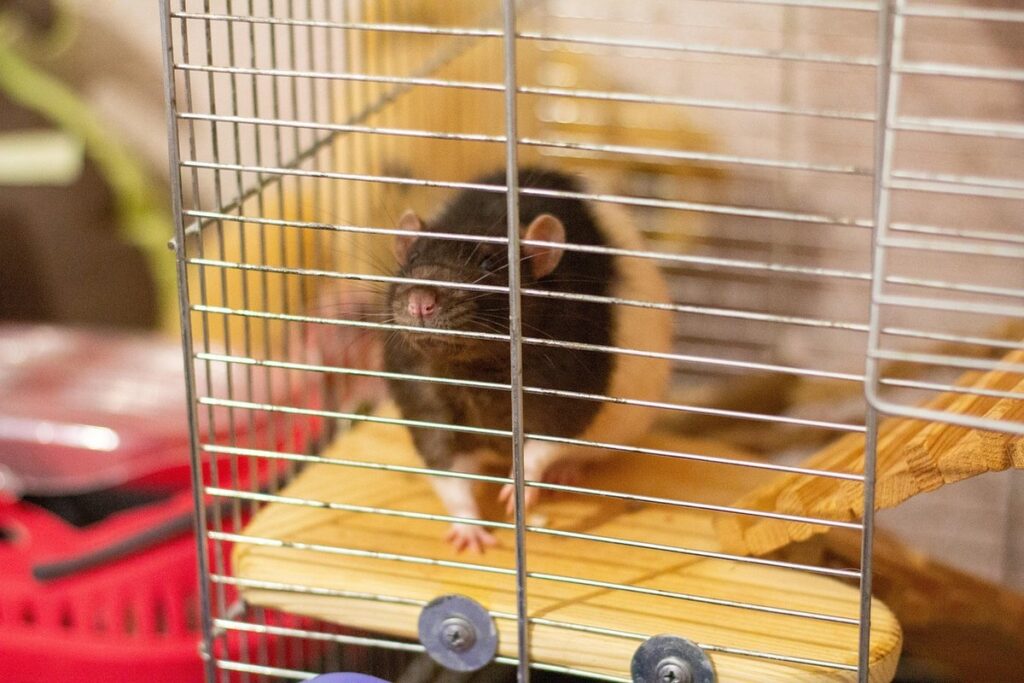
Understanding Rat Infestations in Chicken Coops
Rats in your chicken coop can be a real problem, so let’s dive into understanding what causes infestations and how to spot early signs of rat activity.
Signs of a Rat Infestation
If you suspect that rats have invaded your chicken coop, it’s essential to be aware of the common signs of a rat infestation. One of the most obvious indicators is the presence of droppings. Rats leave behind small, dark-colored pellets that are often found in areas where they frequent, such as along walls, near food sources, and under nesting boxes.
Gnaw marks on wood, wires, and other materials are also a clear sign of rat activity. Rats constantly need to gnaw on surfaces to maintain their teeth, which grow continuously throughout their lives. This behavior can cause significant damage to your coop’s structure and electrical systems.
At night, rats often become more active, producing unusual noises that can be a dead giveaway of an infestation. Listen for scratching, scurrying, or even faint squeaks emanating from the coop after dark. If you notice any of these signs, take prompt action to inspect your coop thoroughly and implement effective rat control measures.
When inspecting your coop, look for areas where rats may be hiding, such as under equipment or in hidden corners.
Risks Associated with Rats in Chicken Coops
Rats in chicken coops pose significant health risks to both your flock and human family members. One of the primary concerns is disease transmission. Rats can carry a range of pathogens, including Salmonella, E. coli, and Campylobacter, which they pick up from their environment, other animals, or contaminated food sources. These bacteria can easily spread to chickens through direct contact with rat droppings, urine, or saliva. If not managed promptly, this can lead to severe health issues in your flock, including respiratory problems, diarrhea, and even death.
In addition to disease transmission, rats also introduce parasites into the coop, such as tapeworms, fleas, and ticks. These external parasites can feed on chicken blood and cause discomfort, stress, and further spread of diseases among the flock. Moreover, when rats interact with chickens, they can transfer their mites and lice to the birds, exacerbating existing problems.
To mitigate these risks, it’s essential to implement robust rat control measures in your coop, including regular cleaning, secure storage of food, and implementing preventative measures such as rat-proofing materials and traps.
Identifying Causes of Rat Infestations
To tackle rat infestations effectively, it’s essential to first understand what’s attracting these unwanted visitors to your chicken coop in the first place. Let’s explore some common causes of rat infestations.
Poor Sanitation and Hygiene Practices
Poor sanitation and hygiene practices are among the most significant contributors to rat infestations in chicken coops. When it comes to waste management, failing to regularly clean up droppings and uneaten food can create a haven for rats. These pests are attracted to easy sources of food and water, which makes it essential to maintain a clean coop environment.
To put this into perspective, consider that a single rat can produce up to 50 pellets of waste per day. When these droppings accumulate, they not only create unpleasant odors but also become a fertile breeding ground for rodents. Inadequate waste disposal allows rats to easily access food and water sources, fueling their population growth.
To prevent rat infestations, focus on regular coop cleaning. Remove all debris, clean feeding and watering areas thoroughly, and replace bedding materials as needed. Additionally, ensure that droppings are disposed of promptly and properly. By keeping your chicken coop sanitized, you’ll create an environment less hospitable to rats, making it easier to control their presence.
Nearby Food Sources and Water Accessibility
Rats are attracted to chicken coops because of nearby food sources. Pet or human food waste can be particularly enticing for these pests. If you have a pet that eats outdoors or if there’s trash accumulation near the coop, it may become a magnet for rats. Human food scraps and dirty dishes left out in the yard can also contribute to the problem.
Securing all potential food and water sources is crucial in controlling rat infestations. Make sure to keep your pets’ feeding areas clean, store pet food in rodent-proof containers, and dispose of trash regularly. It’s equally essential to maintain a clean environment around the coop by removing any debris, cleaning up spills, and avoiding overfeeding your chickens.
Consider implementing measures such as:
• Keeping a clean and organized yard
• Removing weeds and tall grass that can provide shelter for rats
• Installing rat-proof fencing around the coop or enclosure
• Using deterrents like peppermint oil or ultrasonic repellent devices
Natural Deterrents for Rat Control
Rats are attracted to easy food sources, so using natural deterrents can be a highly effective way to discourage them from visiting your chicken coop. Let’s explore some of these solutions together.
Using Essential Oils and Herbs
Using essential oils and herbs as natural deterrents for rat control can be an effective strategy to keep these unwanted visitors out of your chicken coop. One of the most popular options is peppermint oil. Rats detest the strong scent of peppermint, which is why it’s often used in rat traps and repellents. To use peppermint essential oil effectively, simply add a few drops to cotton balls or cloth pads and place them around the coop.
Another option is lemongrass oil, known for its citrusy aroma that repels rats. You can mix a few drops of lemongrass essential oil with water in a spray bottle and spray it around the coop, paying attention to areas where rats are most active.
Some herbs like mint, basil, and chamomile have natural rat-repelling properties and can be planted around the coop. These plants not only provide shade and shelter for your chickens but also create an unpleasant environment for rats.
Physical Barriers and Repellents
Physical barriers are one of the most effective ways to prevent rats from entering your chicken coop. Hardware cloth, also known as hardware mesh, is a popular choice for rat-proofing coops. This metal mesh material has openings that are too small for rats to squeeze through, making it an excellent barrier against infestations.
To install hardware cloth, start by wrapping it around the perimeter of your coop, securing it with wire or zip ties. Make sure to extend the mesh at least 12 inches below ground level to prevent burrowing. You can also use it to cover any gaps or holes in the walls and roof of your coop.
Commercial repellents are another option for deterring rats from entering your chicken coop. These products often contain ingredients such as predator urine, hot peppers, or mint oil that repel rodents. When choosing a commercial repellent, make sure to read the label carefully and follow the instructions for application. Some popular options include rat-repellent granules and sprays.
Trapping and Removing Rats
If you’re tired of sharing your coop space with unwanted rodents, this is where you’ll find effective methods for trapping and removing rats that have taken over your chicken coop. We’ll walk you through the process step-by-step.
humane Rat Traps
When it comes to controlling rats in chicken coops, humane rat traps are an essential tool for safely removing them without causing harm. There are several types of humane rat traps available, including live catch traps and trap-and-release units. These devices work by allowing the rat to enter a compartment or container, where they can be safely released outside, away from your coop.
Live catch traps, such as those made by Tomcat or Havahart, are popular choices for chicken coops. These traps have a spring-loaded door that shuts behind the rat when it enters, holding it captive until you release it. To use these traps effectively, place them in areas where you’ve seen rat activity, baiting them with food like peanut butter or cheese to lure the rats inside.
When handling trapped rats, it’s essential to wear gloves and wash your hands afterwards to prevent the risk of disease transmission. Release the rat at least 5 miles away from your coop to ensure they don’t return. Always check local regulations before releasing non-native species, as some areas may have specific guidelines for wildlife control.
Exclusion Methods for Complete Rat Eradication
To completely eradicate rats from your chicken coop, it’s essential to employ exclusion methods that prevent them from entering in the first place. One of the most effective ways to do this is by sealing all entry points around the coop and run. Inspect the structure thoroughly, paying attention to holes, gaps, and cracks, no matter how small they may seem. Use steel wool, caulk, or expanding foam to seal these openings, making sure to fill them completely.
In addition to sealing entry points, it’s also crucial to remove any attractants that might be drawing rats to your coop in the first place. Keep your feeders and water sources clean, store food in rodent-proof containers, and avoid leaving any debris or clutter around the area. Regularly cleaning and disinfecting the coop will also help deter rodents from nesting there.
By combining these exclusion methods with trapping and removal strategies, you’ll be well on your way to achieving complete rat eradication in your chicken coop.
Preventing Future Rat Infestations
Now that you’ve taken steps to manage a rat infestation, let’s focus on preventing future problems by sealing entry points and maintaining a clean coop environment.
Ongoing Sanitation and Cleaning Practices
To prevent future rat infestations, it’s essential to establish ongoing sanitation and cleaning practices within your chicken coop. Regular inspections are a crucial step in maintaining a clean and rodent-free environment. Set aside time each week to walk through the coop and inspect for signs of rat activity, such as droppings, gnaw marks, or nesting material.
During these inspections, check for any areas where food or water may be accessible to rats. Make sure all feeders, watering systems, and nesting boxes are securely closed and stored in rodent-proof containers when not in use. Remove any clutter or debris from the coop floor, as this can provide a hiding place for rodents.
In addition to regular inspections, schedule maintenance tasks every few months to deep clean the coop. This includes scrubbing all surfaces with a solution of bleach and water, disinfecting nesting boxes, and replacing bedding material. By staying on top of these cleaning practices, you’ll significantly reduce the likelihood of future rat infestations and create a healthier environment for your chickens.
Monitoring for Signs of Re-infestation
Monitoring for signs of re-infestation is crucial to maintaining a rat-free chicken coop. It’s not uncommon for rats to find their way back into a seemingly cleaned and secured coop, so it’s essential to stay vigilant. Set up a regular monitoring schedule to check for signs of re-infestation, such as gnaw marks on feeders or nesting boxes, droppings in corners or along walls, and unusual scratching sounds at night.
To be proactive, consider implementing the following measures:
• Regularly inspect your coop’s exterior and interior for any new holes, gaps, or weaknesses
• Check for signs of rat activity around the coop’s perimeter, such as burrows or tunnels
• Set up a network of cameras to monitor the coop remotely
• Train yourself and other coop handlers to identify and report potential re-infestation signs
By being attentive to these warning signs and having a plan in place to address them promptly, you can minimize the risk of re-infestation and maintain a healthy environment for your chickens.
Frequently Asked Questions
What’s the most effective way to combine natural deterrents with exclusion methods for complete rat eradication?
Combining natural deterrents like essential oils with exclusion methods can be an effective strategy for complete rat eradication. Start by identifying areas where rats are likely entering your coop, then use physical barriers and repellents to block their access. Meanwhile, use essential oils or herbs in strategic locations to deter them from staying. For example, peppermint oil is known to repel rodents.
Can I use a single type of humane rat trap for all types of rat infestations?
No, it’s generally recommended to have multiple types of humane rat traps on hand to tackle different types of infestations effectively. For instance, snap traps are better suited for large rats in confined spaces, while live-catch traps are more effective for smaller rats in harder-to-reach areas.
How do I maintain my chicken coop after a successful rat control strategy?
Maintaining your coop is crucial to prevent future re-infestation. Regularly inspect your coop for signs of wear and tear on physical barriers, replenish deterrents like essential oils, and ensure ongoing sanitation practices, such as regular cleaning of nesting boxes and food areas.
What should I do if I find a rat nest in my chicken coop?
If you discover a rat nest in your coop, it’s essential to isolate the area immediately using physical barriers. Once the rats have been safely removed, thoroughly clean the affected area with disinfectant, paying particular attention to nesting materials and potential food sources.
Can essential oils be used outdoors or near water sources?
While some essential oils are safe for outdoor use, others can be hazardous when exposed to direct sunlight or water. Always check the specific safety guidelines for each oil before using it outdoors, and avoid applying them directly on surfaces that might come into contact with your chickens’ food or drinking water.