
Are you a proud backyard bird enthusiast? Or perhaps you’re a homeowner who’s wondering how to peacefully coexist with these feathered visitors? Either way, understanding the differences between geese and ducks is crucial in creating a harmonious outdoor space. While both birds share some similarities, their unique characteristics can make all the difference in your yard. Habitat requirements, dietary needs, and health considerations are just a few of the key factors to consider when it comes to these waterfowl residents. In this article, we’ll dive into the world of geese vs ducks backyard, exploring what sets them apart and providing expert advice on how to ensure their coexistence is stress-free for both you and your feathered friends. By the end of our discussion, you’ll be well-equipped to create a welcoming haven for these birds in your own yard.
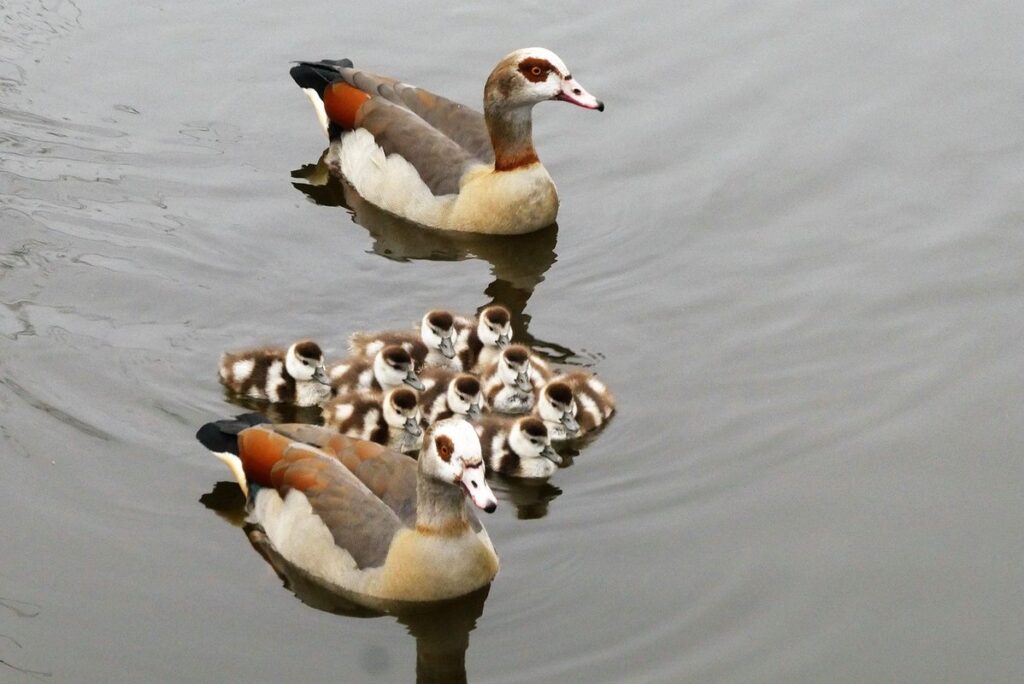
Understanding the Basics
Let’s start by understanding what geese and ducks are, how they differ, and what characteristics you can expect from each species when it comes to backyard behavior.
What to Expect from Geese and Ducks
When it comes to geese and ducks living in your backyard, understanding their common characteristics can help you better care for them. Geese and ducks share similar habitats, such as ponds, lakes, and marshes, but they also thrive in backyards with small water features or shallow dishes.
Both geese and ducks are omnivores, which means they eat a variety of foods including plants, insects, and small animals. They can be fed commercial birdseed mixes, grains, and aquatic plants like duckweed or water lilies. However, it’s essential to provide fresh water at all times, as both birds need access to clean drinking water.
In terms of behavior, geese are often more territorial and loud than ducks, making them a bit more challenging to live with. Geese tend to form strong pair bonds and can become aggressive if they feel their territory is being threatened. On the other hand, ducks are generally more social and friendly, but may be prone to noise and feather pecking.
Keep in mind that introducing geese or ducks to your backyard requires careful planning and consideration of local regulations and zoning laws. Before bringing either species home, research the specific needs and requirements for your area and climate.
Identifying Geese vs Ducks
When it comes to identifying geese versus ducks in your backyard, visual characteristics can be a great starting point. One of the most distinctive differences is their beak shape. Geese have a long, flat beak that’s perfect for grazing and cropping grasses. In contrast, ducks typically have shorter, broader beaks that are better suited for dabbling in water and eating aquatic plants.
Another key identifier is feather patterns. Geese often have a more uniform brown or black coat with white markings on their head and neck, while ducks tend to display brighter colors and more intricate patterning. For example, wood ducks are renowned for their striking emerald-green heads and chestnut-colored bodies.
Finally, body size can also be an important differentiator. Geese are generally larger than ducks, with adults often weighing between 8-12 pounds. Ducks, on the other hand, typically weigh between 1-4 pounds. If you’re still unsure about what type of bird is visiting your yard, take a closer look at its legs – geese have orange or pink feet, while ducks usually have yellow or gray toes.
Benefits of Having Geese or Ducks in Your Backyard
Not only can having geese or ducks in your backyard be a wonderful way to connect with nature, but it also comes with numerous benefits for you and your family. Let’s explore some of these advantages up close.
Noise Levels and Social Considerations
When it comes to noise levels and social considerations, both geese and ducks can be quite vocal and social creatures. Geese, in particular, are known for their loud honking, which can range from a gentle “hmm” to a loud, ear-piercing “HONK HONK!” They use this vocalization to communicate with each other, alert others to potential threats, and even to establish dominance. On the other hand, ducks are generally quieter, but they too can get quite loud when excited or upset.
In terms of social behavior, both geese and ducks can be friendly and interactive with humans, especially if raised from a young age. However, it’s essential to remember that these birds have natural instincts and may not always behave as we expect. For example, geese are known to form strong bonds with their human caregivers, but they can also become aggressive if they feel threatened or territorial. To mitigate potential issues, it’s crucial to research and understand the specific needs and personalities of your chosen bird species.
When introducing geese or ducks to your backyard, consider the noise levels and social interactions between your pets and the new birds. If you have other pets, such as dogs or cats, it’s essential to supervise their interactions and take steps to ensure a harmonious household. By being aware of these potential considerations and taking proactive measures, you can enjoy a peaceful coexistence with your feathered friends.
Environmental Impact and Ecosystem Services
Having geese or ducks in your backyard can have a significant impact on the local environment. These birds play a vital role in maintaining healthy ecosystems through their feeding habits and nesting behaviors.
Geese, for instance, are excellent grazers and help to control weed growth by consuming grasses, clover, and other vegetation. This, in turn, promotes a diverse range of flora that provide food and shelter for other wildlife, such as birds, bees, and butterflies. Ducks, on the other hand, are primarily omnivores and feed on aquatic plants, insects, and small invertebrates.
By having geese or ducks in your backyard, you can attract a variety of beneficial wildlife to your area. For example, robins and blue jays often follow geese, feeding on the insects and worms that they disturb while grazing. Similarly, dragonflies and damselflies are drawn to the ponds created by ducks’ nesting habits.
To maximize the benefits of having these birds in your backyard, consider creating a wildlife-friendly habitat with native plants, a pond or water feature, and minimal lawn area. This will not only provide food and shelter for geese and ducks but also create a haven for other local wildlife to thrive.
Space Requirements and Housing Needs
When it comes to creating a welcoming space for geese or ducks, understanding their unique housing needs is crucial. Let’s explore how to provide the right space for these feathered friends.
Geese Habitat Requirements
When it comes to geese, their habitat requirements are quite specific. To keep these magnificent birds happy and healthy, you’ll need to provide them with an enclosure that meets their spatial needs. The ideal size for a goose enclosure is at least 1/4 acre of land, but this can vary depending on the breed and number of geese you plan to keep.
In addition to space, geese require access to clean water for drinking and swimming. A minimum of one pond or pool per three geese is recommended, with a depth of at least 2-3 feet to allow them to fully submerge themselves. Make sure the water is well-maintained, with regular cleaning and monitoring to prevent algae growth.
Exercise is also crucial for geese, so you’ll need to provide them with enough space to roam and fly around safely. A minimum of a 10-foot-high fence is recommended to prevent them from escaping or getting injured by flying into obstacles.
Duck Habitat Requirements
When it comes to housing ducks, their specific needs are crucial for their overall health and well-being. Ducks require a safe and spacious area that provides adequate shelter from the elements and predators. A good rule of thumb is to provide at least 2-3 square feet of space per duck inside the coop, with plenty of room for movement and exercise.
When it comes to nesting boxes, ducks typically prefer a rectangular or cubical shape with a sloping roof. The box should be at least 12 inches wide, 18 inches long, and 24 inches tall to accommodate the duck’s nesting behavior. It’s essential to provide one nesting box per three to four ducks, as they tend to get territorial.
In addition to shelter, feeding areas are also crucial for ducks. They require easy access to fresh water and a balanced diet that includes fruits, vegetables, and grains. A clean and well-maintained feeding area will help keep your duck’s health in check. Consider using a separate feeding station or trough to prevent overcrowding and competition for food.
Feeding and Nutrition
When it comes to feeding your geese or ducks, you’ll want to ensure they’re getting a balanced diet that meets their unique nutritional needs. Let’s dive into what foods are safe for them to eat at home.
Diet of Geese vs Ducks
When it comes to feeding geese and ducks, their dietary needs can be quite different. In the wild, both birds are omnivores, which means they eat a wide variety of plants and animals. Geese tend to forage on grasses, leaves, and aquatic plants, while ducks focus on insects, crustaceans, and small fish.
However, in captivity, their nutritional requirements change significantly. Both geese and ducks require a balanced diet that includes high-quality grains, fruits, and vegetables. A good starting point is to provide them with a commercial waterfowl feed as the main staple of their diet. This should be supplemented with fresh fruits and vegetables daily.
For example, you can offer carrots, apples, and leafy greens like kale or spinach. However, it’s essential to introduce new foods gradually to prevent digestive issues. Also, avoid overfeeding, as both geese and ducks are prone to obesity. A general rule of thumb is to provide about 1/4 cup of food per pound of body weight per day.
It’s also worth noting that some backyard keepers have reported success with providing their geese and ducks with live foods like mealworms or crickets as an occasional treat. However, this should be done under close supervision to ensure the birds’ safety.
Tips for a Balanced Diet
When it comes to providing a balanced diet for geese and ducks in your backyard, it’s essential to ensure they receive a mix of nutrients from both commercial feeds and supplements. Start by choosing a high-quality commercial feed specifically formulated for waterfowl or birds. Look for feed with a nutrient-rich profile that includes protein sources like grains, soybeans, or fish meal.
In addition to commercial feed, supplementing with fruits and vegetables can add variety and essential vitamins to their diet. Offer leafy greens like kale or spinach, as well as colorful fruits like berries or apples. You can also provide sliced carrots or sweet potatoes as a treat. Be sure to introduce new foods gradually to prevent digestive upset.
Remember to avoid giving your geese or ducks avocado, onions, or mushrooms, as these can be toxic. Also, avoid overfeeding, as this can lead to obesity and other health issues. Provide fresh water at all times and consider setting up a birdbath or shallow dish for bathing and preening.
Health Considerations
When it comes to having geese or ducks in your backyard, there are some important health considerations to be aware of. Let’s take a closer look at how these birds can impact your family’s well-being.
Common Health Issues in Geese and Ducks
When it comes to raising geese and ducks in your backyard, one of the most critical aspects to consider is their health. Both geese and ducks are prone to certain health issues that can be detrimental to their well-being if left unaddressed.
One common issue affecting both geese and ducks is parasites. Internal parasites like worms and protozoa can cause anemia, weight loss, and even death if not treated promptly. External parasites such as mites, lice, and fleas can also infest birds, leading to discomfort, stress, and secondary infections. Regularly inspecting your birds for signs of parasite infestation and treating them with the right medications is essential.
Respiratory problems are another concern in waterfowl, especially during cold weather or when exposed to pollution. Avian cholera, respiratory viruses, and fungal infections can all lead to pneumonia, sinusitis, or other life-threatening conditions. Keep your birds’ living areas clean, provide adequate ventilation, and ensure access to fresh air and water to minimize the risk of respiratory issues.
Feather pecking is also a common problem in geese and ducks, especially when they’re under stress or bored. This can lead to feather loss, skin damage, and even cannibalism. Provide your birds with plenty of space to roam, engage them in activities that stimulate their minds and bodies, and establish clear social hierarchies to reduce competition for food and attention.
By being aware of these common health issues and taking proactive steps to prevent them, you can help create a healthy and thriving environment for your geese and ducks.
Preventative Measures and First Aid
Preventing health issues in your backyard flock is crucial to maintaining their well-being and preventing potential problems from escalating. When it comes to geese and ducks, certain health concerns are more common than others. Respiratory problems, such as pneumonia and sinusitis, can be caused by poor ventilation or dirty living conditions. To prevent this, ensure your coop has adequate airflow and is cleaned regularly.
Regular vaccinations are also essential in preventing diseases like avian cholera and Newcastle disease. Consult with a local veterinarian to determine the best vaccination schedule for your birds. In addition, maintain a balanced diet that includes fresh fruits and vegetables to boost their immune system.
In the event of an emergency, having a first aid kit on hand can be a lifesaver. This should include supplies such as bandages, antiseptic wipes, and a thermometer. Know what signs to look out for in case of illness or injury, such as labored breathing or visible wounds. If you suspect your bird is sick or injured, isolate it immediately and seek veterinary attention.
Quarantine procedures are also crucial when dealing with emergency situations. Designate a separate area for recovering birds and ensure it has proper ventilation to prevent the spread of disease. Clean and disinfect all equipment and surfaces thoroughly after handling an ill bird.
Maintenance and Safety
To ensure a harmonious coexistence between you, your geese or ducks, and your backyard, proper maintenance and safety precautions are crucial. Regular cleaning and inspection of their habitat will help prevent accidents.
Waste Management and Cleaning
When keeping geese or ducks in your backyard, it’s essential to prioritize proper waste management to maintain a clean and healthy environment for both your feathered friends and family. Unattended droppings can attract pests, create unpleasant odors, and spread diseases.
To manage waste effectively, you’ll need cleaning equipment such as shovels, scoops, or dedicated duck and goose waste removal tools. These items should be specifically designed to handle the unique characteristics of avian waste. It’s also crucial to regularly disinfect these tools to prevent the spread of bacteria and germs.
When disposing of waste, it’s vital to follow local regulations regarding sewage disposal. Typically, you’ll need to bury or compost waste in a designated area away from your home and water sources. Regular cleaning schedules can be established by setting reminders or incorporating them into your daily routine.
Predator Protection and Escape Prevention
Protecting both humans and animals from potential predators is crucial when keeping geese or ducks in your backyard. One of the primary threats to these birds is coyotes, foxes, and other wild canines that see them as an easy meal. To prevent this, make sure to secure your enclosure with sturdy fencing that’s at least 3 feet high for geese and 2 feet high for ducks. Additionally, consider adding a roof or canopy to your enclosure to prevent aerial predators like hawks and owls from swooping in.
To prevent escape attempts by the birds themselves, ensure that their enclosure is free from any openings or gaps. Keep an eye out for weak spots in the fencing, such as worn-out posts or loose wires. Also, consider adding a small “exit” door to allow the birds to leave and re-enter their enclosure easily, reducing stress and escape attempts.
Regularly inspect your enclosure’s integrity and make repairs promptly to prevent any potential threats.
Conclusion
Now that you’ve weighed the pros and cons of having geese vs ducks in your backyard, let’s summarize the key takeaways from our comprehensive guide.
Recap of Key Points
When deciding to bring geese or ducks into your backyard ecosystem, it’s essential to recall the key points discussed throughout this comprehensive guide. Let’s quickly revisit some of the most crucial takeaways:
If you’re looking for low-maintenance birds that are relatively easy to care for, geese might be a better fit. However, their territorial nature and loud honking can be a concern for nearby neighbors or if you have young children. On the other hand, ducks require slightly more attention but offer a delightful display of color and personality.
Some key characteristics of geese that may make them suitable additions to your backyard include their ability to forage for food and create pathways through tall grasses. However, their aggressive behavior towards humans and other animals can be a drawback.
Ducks, on the other hand, are generally more docile and can thrive in smaller spaces with minimal maintenance. Their varied breeds offer unique characteristics such as different plumage colors or temperaments that cater to individual preferences.
Considering these points, geese might be suitable for those with larger backyards or who prioritize their ability to clear land. Meanwhile, ducks could be a better choice for smaller spaces or families with children who want to interact with the birds.
To make either option work in your backyard ecosystem, it’s crucial to provide adequate shelter, food, and water sources. Regular cleaning of droppings and implementing measures to prevent disease transmission are also essential considerations.
By recalling these key points and considering your specific circumstances, you can make an informed decision about which bird species is right for you.
Frequently Asked Questions
Can I have geese and ducks living together peacefully in my backyard?
Having multiple waterfowl species can be challenging, but it’s not impossible. To ensure a harmonious coexistence, provide separate housing and feeding areas for each species to reduce competition and stress. Geese tend to be more aggressive than ducks, so it’s essential to introduce them slowly and under close supervision.
What should I do if I notice geese or ducks exhibiting abnormal behavior in my yard?
If you witness unusual behavior such as feather pecking, aggression towards humans, or lethargy, consult a local wildlife expert or veterinarian for advice. Proper nutrition, adequate housing, and regular health checks can help prevent behavioral issues.
How often should I clean and disinfect water features to keep geese and ducks healthy?
Regular cleaning is crucial in maintaining a healthy environment for your waterfowl residents. Aim to change the water completely every 3-4 days during warm weather and more frequently during cold weather. Use a gentle chlorine-based solution or electrolyte balancer to maintain proper water quality.
Can I let geese and ducks free-range in my yard, even if it’s small?
While both species can adapt to smaller spaces, geese require significantly more room for exercise and flight than ducks. If you have a compact yard, consider containing the birds to prevent escape attempts and injury from flying into obstacles or windows.
Are there any specific vaccination requirements I should be aware of when keeping geese and ducks in my backyard?
Check with your local authorities to determine if any vaccinations are necessary for waterfowl in your area. Typically, ducks may require a basic fowl vaccination package, whereas geese might need more comprehensive protection against diseases such as Avian Influenza. Consult with a veterinarian or local animal health services for personalized guidance.