
If you’re a goose owner or caretaker, you’re likely no stranger to their distinctive personalities. While these birds can be loving and entertaining companions, they can also exhibit aggressive behavior that’s hard to manage. In fact, it’s not uncommon for domestic geese to display territorial or defensive aggression towards humans and other animals. But don’t worry – with the right techniques and strategies, you can learn to recognize, prevent, and address goose aggression effectively. This article will walk you through effective methods for creating a goose-friendly environment and building strong bonds with your feathered friends. You’ll discover how to identify potential triggers, establish clear boundaries, and even develop a customized plan for managing aggressive behavior in your geese. By the end of this article, you’ll be well on your way to enjoying a harmonious relationship with your domestic geese.
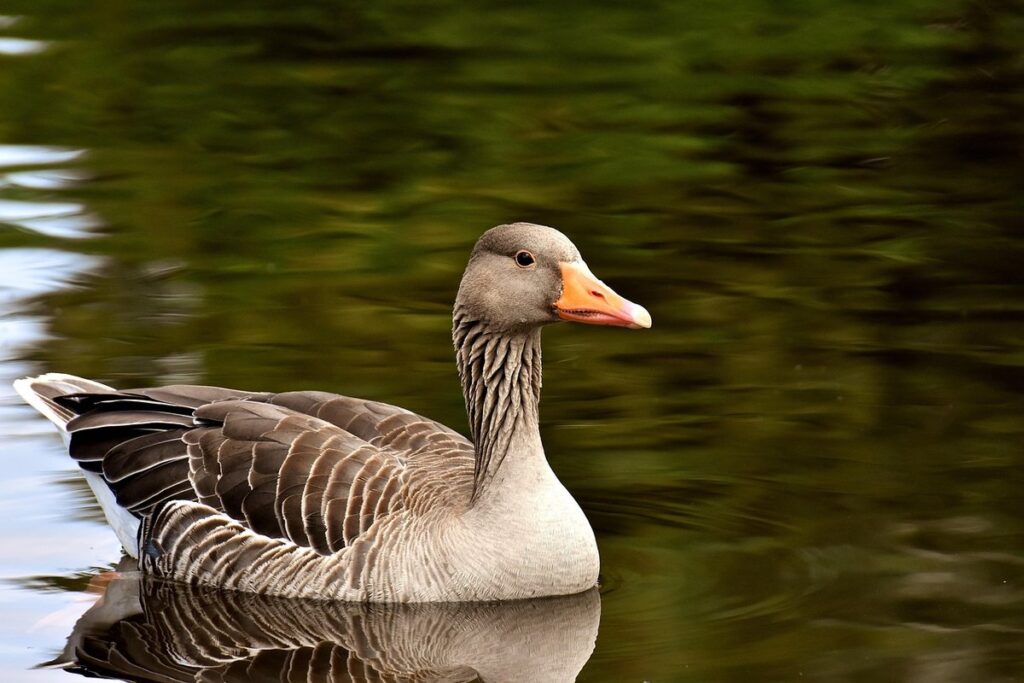
Understanding Goose Aggression
As we explore why domestic geese can become aggressive, it’s essential to understand that their behavior is often a result of instinct and environmental factors. Let’s dive into what drives this aggression.
Recognizing Signs of Aggression in Geese
Recognizing signs of aggression in geese is crucial to prevent potential harm. Aggression in geese can manifest through various behaviors that may seem harmless at first but can escalate quickly if not addressed. Common signs of aggression in geese include hissing, honking, flapping wings, and chasing.
Hissing is a warning sign that the goose feels threatened or uncomfortable. Honking, on the other hand, can be a loud warning call to alert others of potential danger. Flapping wings can also indicate agitation, as geese often use this behavior to intimidate others. Chasing is a more extreme sign of aggression and should be taken seriously.
When observing these behaviors in your domestic goose, it’s essential to assess the situation and identify any triggers or underlying causes. For example, if you notice your goose hissing at specific people or objects, it may indicate a fear-based response that needs attention. By recognizing these signs early on, you can take proactive steps to address aggression issues before they escalate into more severe behavior.
In some cases, geese may exhibit aggressive behaviors due to factors such as over-handling, inadequate space, or lack of proper socialization.
Factors Contributing to Aggression in Domestic Geese
When it comes to domestic geese, aggression can stem from several factors that are often within our control. One of the primary contributors is a lack of exercise. Geese require regular physical activity to maintain their health and reduce stress levels. When they’re confined to small spaces or don’t receive adequate exercise, they may become aggressive as a way to release pent-up energy.
Inadequate social interaction is another crucial factor. Domestic geese are social animals that thrive in the company of others. If they’re isolated for too long without proper companionship, they can develop behavioral issues, including aggression towards people or other animals. For instance, a goose kept alone in a backyard may become aggressive when approached by strangers due to its frustration at being separated from its flock.
Breed-specific traits also play a significant role in determining aggression levels. Some breeds, such as Embdens and Toulouse geese, are naturally more docile than others, like Sebastopols or African Geese. Understanding the breed characteristics can help you anticipate potential aggression issues.
Environmental Triggers for Aggression
When dealing with aggressive geese, it’s essential to consider environmental triggers that can set them off, such as noise levels and proximity to predators. Let’s explore these common external stimuli in more detail.
Understanding the Role of Space and Territory
When geese feel confined or have their spatial boundaries compromised, they may become territorial and aggressive. This is because geese, like many other birds, are naturally inclined to defend their territory from perceived threats. In a domestic setting, the lack of sufficient space can trigger this instinctual behavior.
Consider a backyard with limited space where two or more geese are kept together. Without enough room to roam, these birds may begin to compete for resources and space, leading to aggressive displays such as hissing, feather ruffling, and even attacks on humans or other animals. This type of aggression is often a result of the goose’s instinctual need to defend its territory.
To mitigate this issue, it’s essential to provide geese with adequate space to move around. A general rule of thumb is to allocate at least 10-15 square feet per bird in a domestic setting. Additionally, incorporating features like water, plants, and shelters can help reduce stress and aggression by providing geese with a sense of security and comfort.
By understanding the role of spatial constraints on goose behavior, you can take proactive steps to prevent territorial aggression and create a more peaceful coexistence between humans and geese in your domestic setting.
Visual Barriers and Enclosures
Physical barriers can play a significant role in managing goose aggression when used effectively. By creating visual boundaries between geese and their perceived threats, you can reduce the likelihood of aggressive behavior. One common example is using fencing to enclose areas where geese tend to congregate or engage in aggressive behavior.
The height and material of the fence are crucial factors in its effectiveness. A minimum height of 6 feet is recommended, with sturdy materials such as chain link or wood being more effective than flimsy ones like nylon or PVC. Additionally, using electric netting around plants or areas where geese tend to forage can also be an effective deterrent.
It’s essential to consider the design and layout of your enclosure when managing goose aggression. A well-designed enclosure can help reduce stress and anxiety by providing a clear visual boundary between the geese and their surroundings. This, in turn, can lead to a reduction in aggressive behavior over time.
Social Factors Influencing Goose Behavior
As you explore the reasons behind your goose’s aggressive behavior, it’s essential to consider how social factors shape their actions, from flock dynamics to human interaction. Let’s take a closer look at these influential social elements.
Managing Multiple Geese in a Household
When introducing new geese to a household with existing birds, it’s essential to consider compatibility and prevent conflicts. A general rule of thumb is to introduce young geese (less than 6 months old) together, as they are more likely to form a cohesive flock. However, introducing adult geese requires careful planning.
Before bringing in new geese, observe the behavior of your existing birds to identify any potential issues. Watch for signs of stress or aggression, such as hissing, honking, or flapping. Ensure that your property provides enough space and resources for all geese to thrive without competition.
To prevent conflicts when introducing multiple geese, create a gradual introduction process:
• Start by keeping the new geese in a separate enclosure near the existing flock to allow them to become familiar with each other’s presence.
• Swap their bedding and toys regularly to transfer scents and reduce stress.
• Gradually increase face-to-face interactions under close supervision.
By following these steps, you can minimize the risk of conflicts and establish a harmonious coexistence among multiple geese in your household.
Human Interaction and Handling
Gentle handling and proper interaction techniques are crucial for minimizing stress and aggression in domestic geese. When geese feel threatened or scared, they tend to become aggressive as a defense mechanism. Handling them roughly can exacerbate this behavior, making it challenging to manage their aggression.
To interact with geese gently, start by moving slowly and calmly around them. Avoid sudden movements, which can startle them. Begin by letting the goose approach you on its own terms, then gradually introduce gentle petting or stroking under the chin or neck area. Be mindful of the goose’s body language – if it tenses up, flattens its ears, or hisses, stop interacting immediately.
Regular interaction and gentle handling can help desensitize geese to human presence, reducing stress and aggression. It’s also essential to handle geese regularly from an early age, as this helps them become more confident and less prone to fear-based aggression. By adopting these simple yet effective techniques, you can create a safer and more harmonious environment for both humans and domestic geese.
Training and Desensitization Techniques
When working with aggressive geese, it’s essential to learn training and desensitization techniques that help them become more manageable and calm in various situations. This section will explore effective methods for achieving these goals.
Basic Training Principles for Aggressive Geese
When dealing with aggressive geese, it’s essential to establish a foundation of basic training principles that promote positive behavior. Positive reinforcement is a powerful tool for managing aggression, as it encourages desired actions rather than punishing undesired ones. Start by introducing rewards such as treats or toys when your goose exhibits calm behavior around you or other animals.
Redirection is another valuable technique to manage aggressive behavior. If you notice your goose becoming agitated, redirect its attention with an irresistible treat or toy. For instance, if it’s fixated on a person approaching the enclosure, have someone calmly enter while holding a bag of treats. This teaches your goose that there’s more value in interacting with people than reacting aggressively.
Basic obedience commands like “sit,” “stay,” and “leave it” are also crucial for managing aggression. These commands not only help establish clear communication but also provide a framework for teaching your goose to control its impulses.
Desensitizing Your Goose to Common Triggers
Desensitizing your goose to common triggers is an essential part of aggression management. It’s crucial to remember that geese are naturally alert animals and can become stressed by various stimuli. Loud noises, strangers, other animals, and even sudden movements can trigger aggressive behavior.
To start the desensitization process, identify the specific triggers causing stress in your goose. For instance, if your goose is anxious around strangers, begin by exposing it to a familiar person wearing different clothing or accessories. Gradually increase the stranger’s proximity and interaction time over several sessions. This helps your goose become comfortable with unfamiliar appearances.
When introducing loud noises, start at low volumes and gradually increase the sound level while rewarding calm behavior. Introduce other animals in a controlled environment, ensuring they are not perceived as threats. Reward your goose for remaining calm during these interactions. Be patient and consistent, as desensitization is an ongoing process that requires repetition and positive reinforcement.
Keep sessions short and frequent to avoid overwhelming your goose. Monitor its body language closely, and if you notice signs of distress or aggression, immediately remove the trigger and provide a safe space.
Health-Related Causes of Aggression
You may be surprised that some aggressive behavior in geese is actually a result of underlying health issues, such as pain, discomfort, or even nutritional deficiencies. Let’s explore these often-overlooked causes together.
Medical Conditions and Pain Management
When it comes to understanding aggression in domestic geese, it’s essential to explore the potential connection between health issues and behavior. Dental problems, for instance, can be a significant contributor to irritability and aggression in geese. Overgrown or misaligned beaks can lead to difficulty eating, causing frustration and discomfort, which may manifest as aggressive behavior.
Similarly, vision impairment can also play a role in aggression. Geese that struggle with their sight may become more defensive or territorial due to a perceived threat, leading them to lash out at others. Pain management strategies can also have an impact on aggression levels. When geese are in pain, they may become more aggressive as a way of coping or communicating distress.
Recognizing the potential link between health issues and aggression is crucial for effective goose management. By monitoring your geese’s health and providing regular veterinary check-ups, you can identify and address any underlying conditions that may be contributing to their behavior. If dental problems or vision impairment are suspected, consult with a veterinarian to develop an appropriate treatment plan.
Nutritional Factors Affecting Behavior
When it comes to managing aggression in domestic geese, nutritional factors often play a more significant role than we think. A goose’s diet can greatly impact its behavior, and making some simple changes to their nutrition may help alleviate aggression. For example, a study on domestic geese found that those fed a high-protein diet exhibited increased aggression compared to those on a balanced diet.
To create a healthier environment for your goslings, consider feeding them a nutrient-rich starter feed specifically formulated for waterfowl from day one. As they grow, you can gradually introduce small amounts of fruits and vegetables like leafy greens, carrots, and berries into their diet. However, be sure to avoid overfeeding on treats as this can lead to imbalanced nutrition.
A balanced diet is key, but what about the impact of specific nutrients? For instance, research suggests that a lack of omega-3 fatty acids can contribute to aggressive behavior in geese. You can ensure your goslings are getting enough by providing them with foods rich in these essential fatty acids or adding supplements to their feed under guidance from a veterinarian.
By paying attention to what you’re feeding your domestic geese, you may be able to reduce aggression and create a more harmonious environment for both your birds and other animals on the property.
Long-Term Strategies for Managing Aggression
When it comes to managing aggression in domestic geese, long-term strategies are crucial for creating a safe and harmonious environment for both your birds and those around them.
These effective techniques will help you address underlying issues and develop a plan to minimize aggressive behavior over time.
Creating a Goose-Friendly Environment
Creating an environment that promotes calmness and reduces stress is crucial for managing aggressive behavior in domestic geese. When designing enclosures and habitats, consider the following key factors: sufficient space to roam, adequate shelter from wind, sun, and rain, and easy access to food, water, and cleaning facilities.
Geese require about 10 square feet of space per bird indoors or 20 square feet per bird outdoors. To foster positive interactions among geese, introduce new birds gradually to the existing flock, allowing them to get used to each other’s presence. Visual barriers such as plants or fencing can also help reduce aggression by preventing direct confrontations.
Additionally, provide a variety of enrichment activities like scratching posts, foraging toys, and swimming pools to stimulate their natural behaviors and redirect any pent-up energy. Regular cleaning and maintenance of the enclosure will also contribute to a stress-free environment by minimizing odors and reducing parasite infestations.
Building a Strong Bond with Your Geese
Building a strong bond with your geese is essential for preventing aggression and creating a harmonious living environment. This can be achieved by focusing on trust-building activities that promote clear communication channels between you and your feathered friends.
Start by establishing a routine of regular interaction, such as daily feeding or playtime sessions, where you’re the primary focus of their attention. Gradually introduce touch-based interactions like gentle petting or stroking, ensuring they become comfortable with physical contact. Be mindful of body language; if your geese exhibit signs of stress or anxiety, such as hissing, spreading wings, or avoiding eye contact, it’s essential to slow down and reassess the situation.
Positive reinforcement training is also a valuable tool in building trust. Reward desired behaviors like calmness, attentiveness, and gentle interaction with treats or praise. Consistency and patience are key; remember that establishing a strong bond takes time, effort, and understanding of your geese’s unique personalities and needs. By fostering a relationship built on mutual respect and clear communication, you’ll be better equipped to recognize and address potential aggression issues before they escalate.
Frequently Asked Questions
Can I still manage aggression in geese that have been raised with aggressive parents or are naturally more defensive?
Yes, it’s not impossible to manage aggression in geese that have been raised with aggressive parents or are naturally more defensive. However, it will likely require more time, effort, and patience from you as their caretaker. Desensitization techniques and gradual exposure to triggers can be effective in reducing aggression, but it’s essential to understand the underlying causes and tailor your approach accordingly.
How do I balance giving my geese enough space while also preventing escape attempts or territorial behavior?
To strike a balance between providing sufficient space for your geese and preventing escape attempts or territorial behavior, consider incorporating visual barriers and enclosures that allow them to see their surroundings while maintaining a safe perimeter. Regularly inspecting the enclosure and making adjustments as needed can also help.
What are some common mistakes I should avoid when trying to manage aggression in multiple geese?
Avoiding the mistake of not establishing clear boundaries and communication protocols is crucial when managing aggression in multiple geese. Failing to recognize individual personalities, failing to provide adequate space or resources, and rushing desensitization techniques can also exacerbate aggression.
Can I train my geese using positive reinforcement techniques, even if they’re naturally aggressive?
Yes, you can still use positive reinforcement techniques with your geese, even if they have a natural tendency towards aggression. However, it’s essential to understand that building trust takes time and patience, so be sure to approach training in small steps and at the geese’ pace.
What are some warning signs that my goose is experiencing pain or discomfort, which could be contributing to its aggressive behavior?
Look for changes in appetite, droppings, feather condition, or vocalizations as potential indicators of pain or discomfort. If you notice any unusual behaviors, consult with a veterinarian to rule out underlying medical conditions and develop an effective plan to manage your goose’s health-related aggression.