
If you’re new to raising quails in your backyard, you’re likely wondering where to start when it comes to choosing the right breed. With so many options available, it can be overwhelming to decide which quail breeds are best suited for beginners like yourself. But don’t worry, we’ve got you covered! In this article, we’ll take a closer look at some of the most popular and easy-to-care-for quail breeds that are perfect for those just starting out with backyard breeding. We’ll delve into their temperaments, space requirements, and potential health concerns, giving you all the information you need to ensure a successful and enjoyable experience. By the end of this article, you’ll be well on your way to selecting the ideal breed for your needs.
Understanding Quails and Their Needs
Before you can choose the perfect quail breed for your flock, it’s essential to understand their unique needs and characteristics. Let’s dive into what makes these birds tick.
What are Quails?
Quails are small to medium-sized birds that belong to the Odontophoridae family. They are native to various parts of the world, including North and South America, Africa, Asia, and Europe. These birds have been domesticated for thousands of years and are widely kept as pets or raised for their eggs and meat.
Quails are known for their unique characteristics, which set them apart from other poultry breeds. They are relatively small in size, with most species reaching a height of about 10-15 inches (25-38 cm). Their body weight can vary depending on the breed, but generally ranges between 6-12 ounces (170-340 grams).
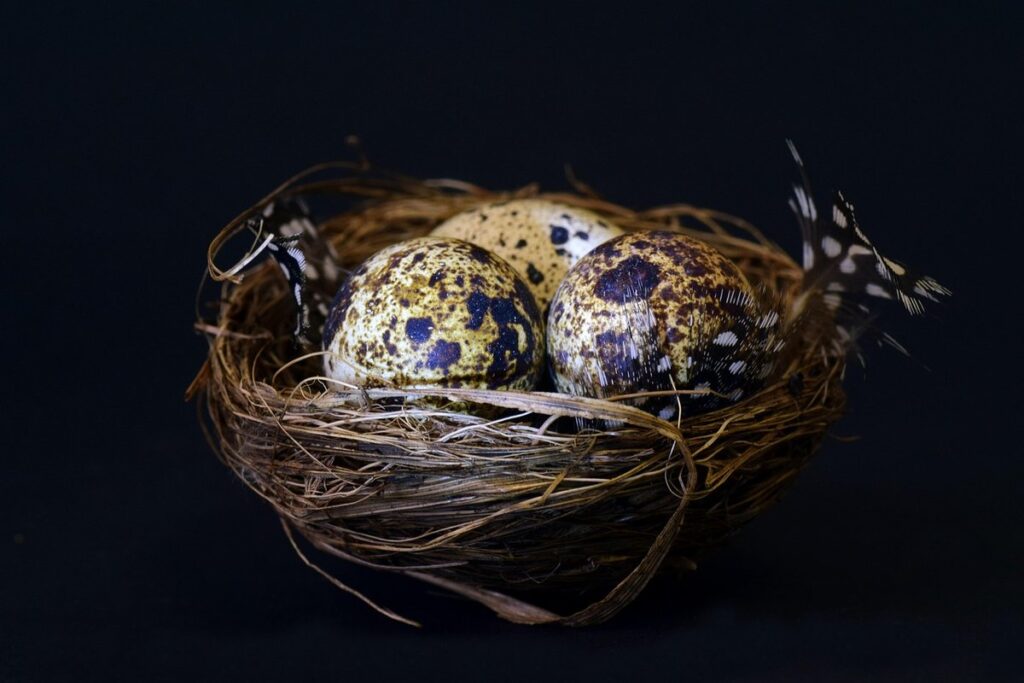
One distinctive feature of quails is their plumage, which comes in various colors and patterns. Some breeds have intricate markings on their feathers, while others display vibrant hues like blue, green, or copper. Their eggs are also notable for being relatively large compared to the bird’s size.
Some popular breeds for beginners include Japanese Quail, Button Quail, and California Quail. These birds are generally easy to care for and can thrive in a well-maintained environment with proper nutrition and attention.
Types of Quails and Their Temperaments
When choosing a quail breed as a beginner, understanding their temperament is crucial to ensure a harmonious relationship between you and your feathered friends. There are several types of quails, each with its unique characteristics.
For example, Japanese Quails are known for being friendly, docile, and easy-going. They’re perfect for beginners who want a low-maintenance pet that’s relatively quiet. Button Quails, on the other hand, are more energetic and social, requiring regular interaction to prevent boredom.
California Quails, as their name suggests, have a distinct West Coast vibe – they’re friendly, curious, and love exploring their surroundings. They’re an excellent choice for those who want a quail that’s relatively easy to handle but still enjoys some exercise.
When selecting a breed, consider your lifestyle and experience level. If you’re new to quail-keeping, it’s best to start with a calm and friendly breed like the Japanese Quails.
Factors to Consider When Choosing a Breed
When selecting the perfect quail breed for your backyard, several factors come into play that can impact their health, temperament, and overall performance. Let’s break down these essential considerations together.
Climate and Environment
When choosing a quail breed as a beginner, it’s essential to consider the climate and environment where you’ll be keeping them. Quails are sensitive to extreme temperatures and humidity levels, which can affect their behavior and health.
In hot climates, for example, breeds like Coturnix or Button quails may thrive, but they require adequate ventilation and shade to prevent heat stress. On the other hand, in cooler climates, breeds like Chinese or Japanese quails may do well with minimal shelter and protection from wind.
When breeding quails, it’s crucial to choose a breed that can adapt to your local climate and environment. If you live in an area with extreme weather conditions, look for breeds that are known to be hardy and resilient. Research the specific needs of different breeds and consider factors like temperature tolerance, humidity levels, and wind protection.
By choosing a quail breed suitable for your climate and environment, you’ll create a healthier and happier flock, and ensure their well-being throughout the year. This will also save you from unnecessary stress and potential losses due to environmental factors.
Space and Housing Requirements
When it comes to choosing a quail breed, one of the most important factors to consider is space and housing requirements. Different breeds have varying needs when it comes to living quarters, so it’s essential to choose a breed that fits your available space.
For backyard breeders, Japanese Coturnix Quails are an excellent choice due to their small size and minimal housing requirements. They thrive in spaces as small as 2×4 feet, making them perfect for urban areas or small backyards. Chinese Painted Quails are another popular option, requiring a slightly larger space of around 3×6 feet.
When choosing a breed, consider the following factors: ventilation, lighting, and predator protection. Quails need adequate airflow to stay healthy, so ensure good ventilation in their enclosure. Adequate lighting is also crucial for quail health, as they need UVB light to synthesize vitamin D. Finally, protect your birds from predators by securing their enclosure with hardware cloth or chicken wire.
Ultimately, research the specific space and housing requirements for the breed you’re interested in, and plan accordingly to ensure a happy and healthy flock.
Popular Quail Breeds for Beginners
If you’re new to raising quails, it can be overwhelming to decide which breed is right for you. Let’s take a look at some of our favorite beginner-friendly breeds that are perfect for small flocks.
Japanese Quails: A Beginner-Friendly Option
Japanese quails are an excellent choice for beginners due to their gentle nature and ease of care. These small birds are native to East Asia and have been bred as pets for centuries. One of the standout characteristics of Japanese quails is their calm temperament, making them perfect for those new to keeping quails.
Some benefits of owning Japanese quails include:
• They are relatively low-maintenance compared to other breeds
• Their eggs are a rich source of nutrients and protein
• Japanese quails are social birds that thrive in pairs or small groups
However, it’s worth noting that Japanese quails can be noisy, especially when they’re excited or alert. This is something to consider if you live in an apartment or have noise restrictions.
To keep your Japanese quails happy and healthy, make sure to provide them with a spacious enclosure, plenty of fresh food and water, and regular cleaning. With proper care, Japanese quails can thrive as pets, making them an excellent choice for beginners looking to start their quail-keeping journey.
Button Quails: Small but Mighty
Button quails are one of the smallest and most charming breeds perfect for beginners. These tiny birds weigh between 2-4 ounces and stand about 6-8 inches tall. Their small size makes them ideal for apartments, backyards with limited space, or even indoor enclosures.
When it comes to care requirements, button quails are relatively low-maintenance. They thrive in temperatures between 65°F to 75°F (18°C to 24°C) and require a balanced diet of commercial quail feed supplemented with fruits and vegetables. Their water requirement is also minimal, making them suitable for small spaces where water conservation is essential.
Button quails are known for their friendly and docile nature, making them an excellent choice for families or those new to quail-keeping. They are social birds that do well in pairs or groups but require regular interaction and attention from owners. With proper care and handling, button quails can live up to 5 years or more, providing endless entertainment and joy for their owners.
Rare and Exotic Quail Breeds for Advanced Keepers
If you’re ready to take your quail-keeping experience to the next level, we’ll introduce you to some of the rarest and most exotic breeds that require expertise to care for. These unique birds are perfect for experienced keepers looking for a new challenge.
California Quails: A Rare and Challenging Breed
California quails are considered one of the most challenging breeds to keep and breed due to their unique characteristics. They are native to the western United States but have become increasingly rare in the wild. One of the main challenges associated with breeding California quails is their specific dietary needs.
To succeed with this breed, you’ll need to provide them with a diet rich in seeds, fruits, and insects. A good starting point would be to offer a mix of commercial quail feed, fresh vegetables like kale and spinach, and fruits such as berries and melons. Fresh water should always be available, and it’s essential to maintain a clean living environment.
Another challenge is their tendency to be aggressive during breeding season, which can lead to stress and injury if not managed properly. To minimize this risk, provide enough space for your birds to move around and offer plenty of hiding places to reduce aggression. It’s also crucial to choose the right sex ratio to avoid unnecessary fighting among males.
It’s worth noting that California quails are also known to be more sensitive to temperature changes than other breeds. A stable environment with proper ventilation is essential to keep them healthy. If you’re up for the challenge, breeding California quails can reward you with a truly unique and stunning species.
Other Rare Quail Breeds
In addition to the more well-known rare quail breeds, there are several other varieties that can make fascinating additions to a beginner’s collection. One such breed is the Cinnamon Quail, characterized by its warm, golden-brown plumage and distinctive crest. These birds require a balanced diet rich in protein and calcium, as well as a spacious enclosure with plenty of ventilation.
Another rare quail breed worth considering is the Blue Grey Quail, known for its striking grey-blue feathers and lively disposition. Like other quail breeds, the Blue Grey requires regular social interaction and mental stimulation to prevent boredom and stress. Providing toys and perches can help keep these birds engaged, but it’s essential to rotate them regularly to maintain novelty.
If you’re new to keeping quail, introducing a rare breed like the Cinnamon or Blue Grey may require more attention and research upfront, but the rewards are well worth it. With patience and proper care, these unique birds can thrive and become beloved additions to your flock.
Health Considerations for Different Breeds
When choosing a quail breed as a beginner, it’s essential to consider the unique health needs of each type, so let’s dive into some breed-specific considerations.
Common Health Issues in Quails
Quails are prone to various health issues that can impact their well-being and productivity. Respiratory problems, for instance, are a common concern among quail breeders. Quails can be susceptible to respiratory infections, particularly if they’re exposed to cold temperatures or dry environments. In such cases, it’s essential to provide a warm, humid environment and ensure proper ventilation in your coop.
Another significant health issue affecting quails is mites infestation. Mites feed on the blood of their hosts, causing discomfort and weakening the bird’s immune system. Regular cleaning and monitoring are crucial in preventing mite infestations. You can use powders or sprays containing permethrin to control mite populations.
It’s worth noting that different breeds may have varying levels of susceptibility to these health issues. For example, Button Quails are generally more resistant to respiratory problems compared to Japanese Quails. Researching the specific breed you’re interested in will help you understand its unique needs and potential health concerns.
Breed-Specific Health Concerns
As you start exploring the world of quail breeding, it’s essential to consider the unique health concerns associated with different breeds. While Japanese quails are a popular choice for beginners, they’re particularly prone to diseases caused by poor living conditions. For instance, respiratory issues and fungal infections can thrive in unhygienic environments.
To avoid these problems, ensure your birds have ample space to move around, good ventilation, and regular cleaning of their enclosures. Japanese quails are also sensitive to extreme temperatures, so it’s crucial to provide a comfortable environment with temperatures between 60-70°F (15-21°C). Another breed to be aware of is the Coturnix quail, which can suffer from heat stress if not provided with adequate shade and cooling measures.
When selecting a breed, research its specific needs and health concerns. This will help you make informed decisions about their care and minimize the risk of common diseases. Regular health checks and vaccinations are also vital to maintaining your birds’ overall well-being. By understanding these breed-specific health concerns, you’ll be better equipped to provide the best possible care for your quails and ensure a thriving flock.
Conclusion: Choosing the Right Quail Breed for You
Now that you’ve learned about the different quail breeds and their unique characteristics, it’s time to decide which one is right for your backyard. This section will help you make an informed decision.
Recap of Key Points
When choosing a quail breed as a beginner, it’s essential to remember the key points we’ve covered. First and foremost, consider the climate and space you have available for your birds. If you live in a cooler region or have limited space, hardy breeds like the Japanese Coturnix or Button Quail might be more suitable.
Additionally, think about your experience level and the amount of time you can dedicate to caring for your quails. Some breeds, such as the Chinese Painted Quail, are relatively low-maintenance but require regular social interaction. Others, like the Maderia Quail, are known for their friendly nature but may be more demanding.
It’s also crucial to consider factors like egg-laying capacity and noise levels when selecting a breed. Japanese Coturnix quails, for example, produce an average of 300 eggs per year, while Button Quails lay relatively few eggs but make up for it with their affectionate personalities.
To recap, remember to choose a breed that fits your lifestyle, climate, and space constraints. With so many wonderful breeds to consider, taking the time to research and understand each one’s unique characteristics will ensure you find the perfect fit for your quail-keeping journey.
Final Tips and Recommendations
As you embark on this exciting journey of raising quails, remember that there’s always room for learning and improvement. If you’re new to keeping backyard birds, don’t be afraid to ask questions or seek guidance from more experienced keepers. Join online forums, social media groups, or local quail-keeping clubs to connect with like-minded enthusiasts who can offer valuable advice and support.
Some excellent resources to explore include the American Quail Council’s website, which provides a wealth of information on different breeds, health issues, and husbandry practices. You can also look into online communities such as Reddit’s r/quails or Facebook groups dedicated to quail keeping. These platforms are perfect for asking questions, sharing knowledge, and learning from others who have had similar experiences.
When seeking advice, don’t be afraid to ask questions like “What breed is best suited for my climate?” or “How do I prevent disease in my flock?” Experienced keepers will be more than happy to share their expertise and help you make informed decisions about your quail-keeping journey.
Frequently Asked Questions
Can I keep quails indoors with proper ventilation?
Yes, you can keep quails indoors with proper ventilation to protect them from extreme weather conditions. However, ensure that the enclosure has adequate airflow and is well-ventilated to prevent ammonia buildup from their droppings. A minimum of 2 square feet per bird is recommended for indoor housing.
How often should I clean the coop and run?
Regular cleaning is essential to maintain a healthy environment for your quails. Clean the coop and run at least once a week, removing soiled bedding and droppings. Disinfect all surfaces with a poultry-safe disinfectant, and replace bedding as needed to prevent disease.
What’s the best way to handle stress in my quail flock?
Stress can be detrimental to your quails’ health. To minimize stress, ensure their basic needs are met, provide enough space and shelter, and maintain a consistent daily routine. You can also introduce enrichment activities like foraging toys or climbing structures to keep them engaged.
Can I raise quails in colder climates?
Yes, you can raise quails in colder climates, but it requires careful planning. Provide adequate insulation for their coop and run, and ensure they have access to unfrozen water at all times. Consider using a greenhouse or indoor enclosure to protect your flock from harsh weather conditions.
How do I introduce new birds to my existing quail flock?
Introducing new birds to an existing flock can be challenging. To minimize stress, start by keeping the new birds in quarantine for 2-3 weeks before introducing them to the main flock. Monitor their behavior and body language, and separate any aggressive birds immediately.