
Backyard egg grading might seem like a daunting task, but trust us, it’s easier than you think. If you’re raising chickens in your backyard or even just helping out on a friend’s farm, knowing how to grade eggs is crucial for ensuring food safety and quality control. Egg grades are more than just a label – they indicate the egg’s cleanliness, freshness, and overall quality. But what factors affect an egg’s grade, and how can you accurately assess its quality in your small-scale operation? In this article, we’ll break down the importance of grading eggs like a pro, explore the key factors that influence their quality, and share practical tips for doing it at home – all to give you peace of mind and confidence in producing healthy, high-quality eggs.
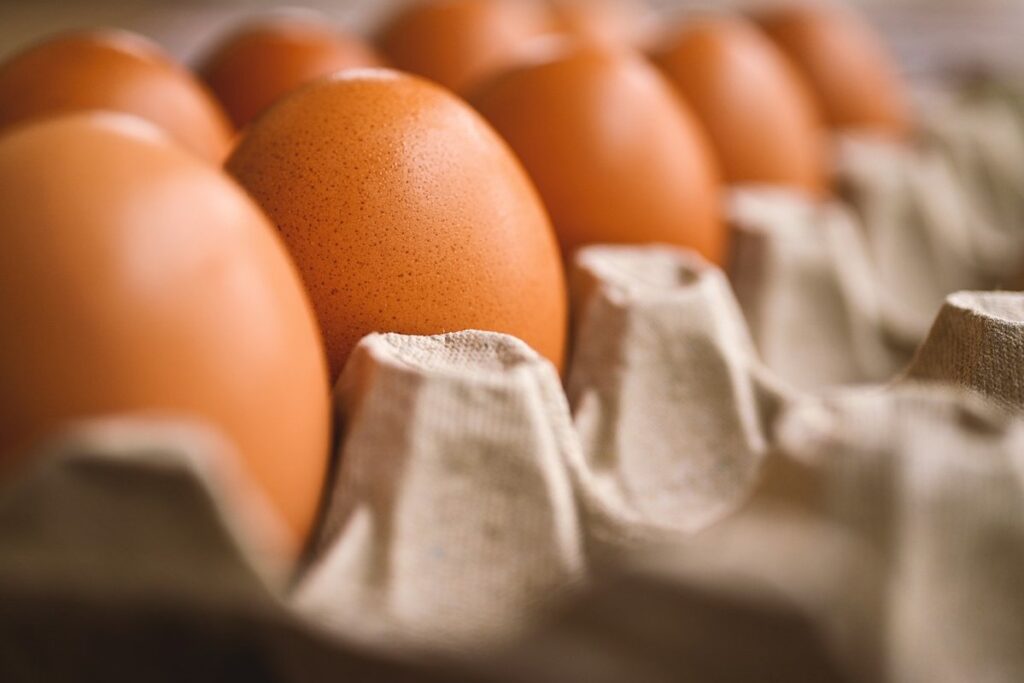
Understanding Egg Grades and Their Importance
When buying eggs, you may have noticed different grades labeled on them, but what do these labels really mean for your backyard egg production? Let’s break down the basics.
What Are Egg Grades?
Egg grades are a way to categorize eggs based on their quality and characteristics. They’re necessary because they provide consumers with a clear understanding of what to expect from an egg. This is particularly important for backyard chicken keepers who want to ensure their birds are producing high-quality eggs.
There are several factors that determine an egg’s grade, including its cleanliness, shape, size, and appearance. The US Department of Agriculture (USDA) sets standards for egg grades, which can range from AA to B. AA-grade eggs are the cleanest and have the fewest imperfections, while B-grade eggs may have slight marks or blemishes.
Understanding egg grades is crucial for backyard chicken keepers because it helps them identify areas where their birds need improvement. For example, if you’re producing mostly B-grade eggs, you may need to adjust your flock’s diet or living conditions to improve their overall health and egg quality.
By paying attention to egg grades, you can take steps to produce better-quality eggs that are more appealing to customers or family members who appreciate the extra effort you put into raising healthy birds.
The Role of Egg Grades in Food Safety
When it comes to backyard egg grading, understanding the role of egg grades in food safety is crucial. Egg grades not only ensure that eggs are of high quality but also play a significant role in preventing contamination.
Egg grades are primarily used to identify and separate eggs that are unsuitable for consumption due to various reasons such as cracks, dirty surfaces, or broken shells. From a food safety perspective, these eggs can pose a significant risk to human health, particularly if they contain bacteria like Salmonella.
To ensure egg quality and prevent contamination, it is essential to follow proper grading procedures. This includes visually inspecting eggs for any visible damage, checking their cleanliness, and ensuring that they are stored in a cool, dry place.
In the United States, the US Department of Agriculture (USDA) regulates egg grading through the Egg Products Inspection Act. Under this act, egg producers are required to follow strict guidelines when grading eggs, including proper handling, storage, and transportation procedures.
By understanding and following these guidelines, backyard chicken keepers can ensure that their eggs meet food safety standards and are safe for consumption by their family members and friends.
Factors Affecting Egg Quality and Grading
When it comes to backyard egg grading, understanding what affects egg quality is crucial. Let’s explore the key factors that determine an egg’s grade, from breed to environment.
Eggshell Condition and Cleanliness
When evaluating egg grade, many backyard chicken keepers overlook the importance of eggshell condition and cleanliness. However, these factors can significantly impact the overall quality of the eggs. A clean and healthy eggshell is essential for maintaining a high-grade egg.
Firstly, let’s discuss eggshell cleanliness. The US Department of Agriculture (USDA) considers an egg to be “clean” if it has no visible dirt or stains on its shell. In backyard settings, this can be challenging due to the presence of dust, debris, and other external factors. To minimize dirt accumulation, ensure your hens have access to a clean and dry nesting area, as well as regular cleaning and maintenance of their living quarters.
In terms of eggshell condition, several criteria are considered when evaluating grade. These include cracks, chips, stains, and unusual shapes or sizes. For instance, small cracks may not significantly affect the overall grade, but large or multiple cracks can result in a lower score. Regular inspection of your hens’ nesting habits and the overall health of your flock will help you identify any potential issues before they impact egg quality.
To keep your eggs clean and maintain high-grade eggshell condition, make it a habit to regularly inspect your hens’ living quarters and ensure cleanliness is maintained at all times.
Yolk and White Color and Firmness
When evaluating the quality of backyard eggs, it’s essential to consider the color and firmness of both the yolk and white. The ideal egg should have a rich, deep yellow yolk that is firm to the touch but still slightly soft. A pale or washed-out yolk can indicate nutritional deficiencies in the chicken’s diet.
On the other hand, a healthy egg white should be clear and free of visible blood spots. However, some eggs may naturally have a slight pinkish tint due to the presence of biliverdin, an antioxidant produced by the hen as she processes her hemoglobin after laying the egg.
When grading your backyard eggs, look for firmness in both the yolk and white. A jiggly or soft texture can indicate a lower quality egg. When gently tapping the egg on a flat surface, it should have a clear sound without any crackling noises.
To determine the ideal yolk and white color, consult with reputable sources such as the American Egg Board or the United States Department of Agriculture (USDA).
Grading Egg Size and Shape
When grading eggs, evaluating their size and shape is a crucial step in determining their overall quality. We’ll walk you through how to accurately measure egg dimensions.
The Importance of Standardized Measurement
When grading eggs from your backyard flock, it’s essential to adopt standardized measurement techniques. This may seem straightforward, but inconsistent methods can lead to biased assessments and flawed decision-making.
Imagine comparing the size of two eggs using a ruler that’s not calibrated correctly – one egg might appear larger than the other due to inaccuracies in measurement. Inconsistent measurements can also occur when grading egg shape, as visual inspections rely heavily on individual judgment.
To avoid these pitfalls, establish a set standard for measuring and evaluating egg quality. For instance, use a digital caliper or a high-quality ruler that ensures precise measurements every time. When assessing egg shape, consider using a standardized chart to evaluate the symmetry and proportion of the egg.
By implementing consistent measurement practices, you can ensure fairness and accuracy in your grading process. This will also help you track any improvements or changes in your flock’s performance over time, enabling data-driven decisions for future breeding programs or management strategies.
Measuring Egg Size and Shape
Measuring egg size and shape is crucial to accurately grade backyard eggs. You’ll need a few simple tools to get started: a digital kitchen scale, a measuring tape or ruler, and a flat surface for laying out the eggs.
To measure egg length, hold the egg vertically on the flat surface with the large end facing up. Use the measuring tape or ruler to record the length of the egg from the pointed end to the opposite end. For example, an extra-large egg might measure around 2.5-2.7 inches in length.
Egg width can be measured by laying the egg on its side and using the measuring tape or ruler to record the measurement at its widest point. A large egg typically measures around 1.75-2 inches in width.
In addition to these measurements, you’ll also want to consider the shape of the egg. Eggs come in a variety of shapes, including long and narrow, short and stout, and symmetrical or asymmetrical. To measure egg shape, use a technique called “egg curvature measurement.” Hold the egg vertically with the large end facing up and draw an imaginary line from the pointed end to the opposite end. Measure the length of this line to determine the egg’s curvature.
When measuring multiple eggs at once, it can be helpful to lay them out in a grid pattern on the flat surface. This allows you to easily compare measurements and identify any anomalies.
Backyard Chicken Flocks and Egg Grading
When it comes to backyard chicken flocks, you’ll want to know how your hens’ eggs are graded, which can impact their quality and value. Let’s dive into the basics of egg grading!
Challenges and Considerations for Small-Scale Producers
For small-scale producers, backyard chicken flock owners face unique challenges when it comes to egg grading. Limited resources and space constraints can make it difficult to maintain a clean and organized grading system. Many backyard flocks have limited storage space for eggs, making it essential to prioritize efficient egg collection and handling.
To overcome these challenges, consider implementing a “first-in-first-out” (FIFO) system, where the oldest eggs are collected first. This ensures that older eggs are removed from the batch before they spoil or become damaged. Additionally, invest in a high-quality egg carton or storage container to maintain cleanliness and prevent damage.
Another consideration for small-scale producers is equipment accessibility. Space constraints may limit access to certain grading tools or equipment, such as automatic egg washers or graders. In these cases, manual grading methods can be more practical and cost-effective.
To streamline the grading process, backyard chicken flock owners should prioritize regular cleaning and sanitizing of equipment and storage areas. This helps prevent contamination and promotes a clean environment for egg handling. By implementing these strategies, small-scale producers can maintain efficient and effective egg grading systems despite limited resources and space constraints.
Tips for Improving Egg Quality in Small-Scale Operations
Improving egg quality is crucial for small-scale backyard chicken flock owners who want to sell their eggs or have them recognized by local 4-H clubs. Here are some practical tips to boost the grade of your eggs:
* Maintain a clean and dry coop: A dirty coop can lead to bacteria and fungal growth, which can contaminate the eggs. Make sure to regularly clean the coop, nesting boxes, and equipment. Disinfect surfaces with a solution of 1 part white vinegar to 9 parts water.
* Provide adequate nutrition: Ensure your hens are getting a balanced diet that includes essential vitamins and minerals like calcium for strong eggshells. Offer oyster shells as a source of extra calcium.
* Ensure proper health checks: Regularly inspect your flock for signs of illness or stress, which can negatively impact egg quality. Consult with a veterinarian if you notice any issues.
* Monitor temperature and humidity levels: Ideal conditions for laying hens are between 40°F to 80°F (4°C to 27°C) and 50% to 60% relative humidity. Maintain these levels in your coop to promote healthy egg-laying.
* Collect eggs gently: Handle eggs carefully, as rough handling can crack the shell or damage the contents.
By following these tips, you can significantly improve the quality of your eggs and increase their grade.
Best Practices for Grading Eggs
When grading eggs from your backyard flock, it’s essential to follow best practices to ensure accurate and consistent results. Here are our top tips for grading eggs with precision and ease.
What You Need to Get Started
To get started with grading eggs at home or on a small scale, you’ll need to invest in some essential tools and equipment. First and foremost, you’ll require a clean and well-ventilated workspace where you can sort, wash, and dry the eggs. This could be as simple as dedicating a corner of your kitchen or setting up a small grading station outdoors.
Next, you’ll need a few basic supplies, including egg cartons or containers for storing graded eggs, wire mesh or a fine-mesh sieve for cleaning debris from the surface, and a soft-bristled brush for gently removing any dirt or residue. You may also want to consider investing in an egg grading gauge or candling equipment, which can help you assess the quality of each egg more accurately.
In terms of knowledge, it’s essential to understand the basic principles of egg grading, including how to identify clean and dirty eggs, as well as how to determine their freshness. You’ll also need to learn about common defects and imperfections that affect egg quality, such as cracks, blood spots, and rough shells. With these tools and a bit of practice, you can start grading eggs with confidence and accuracy.
How to Grade Your Own Eggs
Grading your own eggs can seem daunting at first, but with practice and attention to detail, you’ll become a pro in no time. To get started, gather a few tools and supplies, including a clean, dry surface for sorting, a pencil or pen for labeling, and a grading scale (you can create one based on egg weight, size, shape, and cleanliness). Begin by washing your hands thoroughly to prevent any potential contamination.
Next, carefully collect eggs from the nesting box or coop, making sure not to jostle them excessively. Sort the eggs by their overall appearance, looking for any visible cracks, dirt, or stains. Label each egg with its corresponding grade using your chosen scale. Focus on the following criteria:
* Egg weight: A good rule of thumb is to aim for eggs that weigh between 50-60 grams.
* Shape and symmetry: Look for eggs that are relatively symmetrical and free from visible defects.
* Cleanliness: Ensure eggs are free from dirt, stains, or any other contaminants.
Remember to take your time when grading each egg, as this process requires attention to detail. Regular practice will help you develop a keen eye for identifying the best-quality eggs from your backyard flock.
Conclusion: Elevating Backyard Egg Production with Grading Knowledge
Now that you’ve learned how to grade your backyard eggs, it’s time to put your new skills into action and elevate your egg production. Let’s explore ways to maximize efficiency and quality.
Recap of Key Takeaways
As we conclude our comprehensive guide to backyard egg grading, it’s essential to recap the key takeaways that will elevate your backyard egg production. By now, you should understand the importance of grading eggs not only for their quality but also for the overall health and well-being of your flock.
Firstly, you’ve learned about the six basic egg grades (AA, A, B, C, T, and RE) and how to determine which grade each egg deserves based on its appearance, cleanliness, and other factors. You now know that grading eggs is not just a matter of aesthetics but also affects their storage life, sale value, and overall consumer satisfaction.
Moreover, you’ve discovered the crucial role of quality control in backyard egg production, from maintaining clean coops to monitoring your flock’s health and nutrition. By implementing effective quality control measures, you can reduce the risk of contamination, increase egg shelf-life, and ensure a consistent supply of high-quality eggs for yourself or your customers.
Incorporating these practices into your backyard egg operation will not only elevate your egg production but also contribute to a more sustainable and responsible food system.
Final Thoughts on Enhancing Your Backyard Flock’s Potential
As you’ve reached the end of this comprehensive guide to backyard egg grading, it’s essential to reflect on the benefits that come with incorporating this knowledge into your flock management. By mastering the art of egg grading, you’ll not only enhance the overall quality and safety of your eggs but also boost the productivity of your backyard chickens.
With improved egg grading skills, you can identify potential health issues early on, allowing for prompt veterinary care and reducing the risk of disease outbreaks within your flock. This proactive approach will save you time, money, and stress in the long run. Moreover, a well-managed backyard flock is more likely to produce eggs consistently, ensuring a steady supply of fresh, healthy eggs for you and your family.
To put this knowledge into practice, consider implementing a regular grading schedule, where you inspect each egg for any visible cracks, cleanliness, or other irregularities. By doing so, you’ll not only improve the quality of your eggs but also develop a deeper understanding of your flock’s overall health and well-being.
Frequently Asked Questions
How do I apply egg grading to my backyard flock?
Apply the skills you’ve learned from this article to your everyday egg collection. Regularly inspect each egg for cleanliness, shape, size, and appearance, using a ruler or caliper to measure any irregularities. This consistent evaluation will help you develop an eye for identifying high-quality eggs.
What if I’m unsure about grading certain characteristics?
When uncertain, consult the USDA’s guidelines for egg grades. Familiarize yourself with their detailed descriptions of acceptable and unacceptable features for each grade level (AA, A, B, etc.). Additionally, consider consulting a veterinarian or experienced poultry farmer for guidance on identifying unusual issues.
Can I use a grading system other than the US standard?
While the US Department of Agriculture sets standards, other countries have their own systems. Familiarize yourself with local regulations and standards to ensure compliance. Adapt your grading process accordingly, taking note of any key differences in criteria or labeling.
How often should I re-evaluate my egg-grading process?
Schedule regular reviews (every few months) to assess the effectiveness of your grading system and adjust as needed. Monitor changes in your flock’s behavior, egg production, and overall health. This will help you identify areas for improvement and optimize your grading process.
What are some common mistakes new backyard chicken keepers make when grading eggs?
Be aware of over- or under-grading eggs due to personal biases or a lack of experience. Regularly self-evaluate and compare your grades with those from a trusted source, such as a veterinarian or experienced farmer, to maintain objectivity and ensure accurate grading.