
If you’re thinking of adding some new feathered friends to your backyard flock, consider introducing Orpington hens into your family. These gentle giants are known for their friendly and docile nature, making them a great choice for families with children or for those who want low-maintenance pets. But what really sets Orpingtons apart is their exceptional egg-laying abilities – they’re among the top producers in the world. In this comprehensive guide, we’ll cover everything you need to know about raising Orpington hens, from their unique characteristics and care requirements to health considerations and breeding tips. Whether you’re a seasoned chicken keeper or just starting out, our expert advice will help you create a happy and thriving flock that provides you with an abundance of fresh eggs.
Characteristics of the Orpington Hen
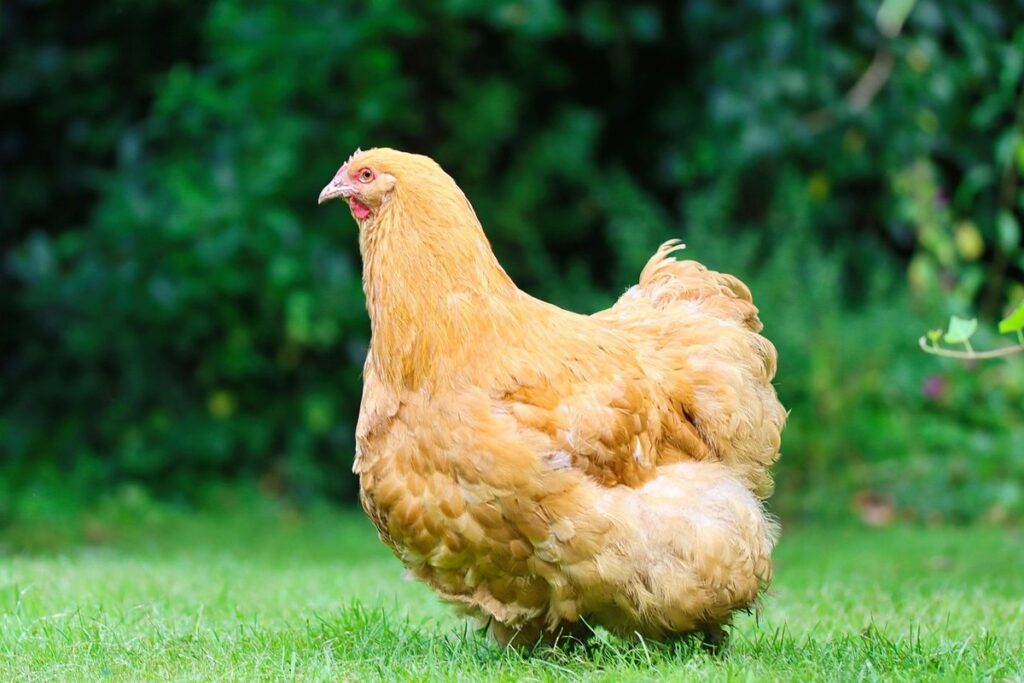
The Orpington hen is known for its gentle nature, calm demeanor, and soft, fluffy plumage, making it a wonderful addition to any backyard flock. Understanding these characteristics will help you better care for your Orpington hens.
Origins and History of the Breed
The Orpington breed has its roots in the United Kingdom, specifically in the county of Kent. In the late 1800s, a gentleman named William Cook created the first Orpington cockerel by crossing a Black Java rooster with a gamecock from the Southdown region. This crossbreeding experiment aimed to produce a bird that combined the best qualities of both breeds: the friendly and docile nature of the Orpington’s ancestor and the hardiness and fertility of the Black Java.
This pioneering effort led to the development of the Orpington breed as we know it today. The first recorded exhibition of Orpingtons took place in 1894, where they quickly gained popularity for their stunning appearance and excellent egg-laying abilities. Over the years, breeders continued to refine the Orpington, introducing new colors and characteristics that have become synonymous with this beloved breed.
Today, the Orpington is one of the most popular breeds worldwide, prized not only for its eggs but also for its gentle nature and affectionate personality.
Physical Characteristics and Traits
The Orpington hen is easily recognizable due to its unique physical characteristics. In terms of size, Orpington hens are considered medium to large breed, with adults typically weighing between 8 and 10 pounds (3.5 to 4.5 kg). This size range makes them a great fit for many backyard chicken keepers, as they require more space but not so much that they become overwhelming.
One of the defining features of Orpington hens is their beautiful feathering. They have a soft and fluffy plumage with a silky texture, which is quite dense in some varieties. Their feathers come in a variety of colors including black, white, blue, buff, and spangled. The most common color combination for Orpingtons is the Jubilee Gold 1900, characterized by its stunning gold and white feathering.
As for temperament, Orpington hens are known to be gentle, friendly, and docile. They are often described as being laid-back and easy-going, making them an excellent choice for families with children or for those who want a stress-free flock. However, it’s worth noting that some individual Orpingtons may develop aggressive tendencies if they’re not socialized properly from an early age.
Choosing the Right Orpington Hen for Your Flock
When selecting an Orpington hen, consider factors such as feather type, temperament, and egg-laying ability to ensure you find the perfect fit for your flock.
Factors to Consider When Selecting a Brood Orpington Hen
When selecting an Orpington hen for your flock, there are several essential factors to consider. Age is one of the most critical considerations. Baby chicks (started at 18 weeks) and pullets (started between 20-24 weeks) are often more energetic and may require more attention and training than older hens. On the other hand, older hens can be less rambunctious but may not lay eggs as frequently.
Another crucial factor is the health status of the hen. Look for birds that have been vaccinated against common poultry diseases such as Marek’s disease and Newcastle disease. Healthy birds will also have a shiny, well-groomed coat and clean legs and feet. Temperament is also vital to consider; Orpington hens are known for their friendly and docile nature but some may be more aggressive than others.
It’s essential to handle potential additions to your flock before purchasing them. Spend time with the birds, observing their behavior and body language. If you notice any signs of stress or aggression, it’s best to look elsewhere.
Tips for Integrating New Hens into Your Existing Flock
When it’s time to introduce new Orpington hens into an existing flock, it’s essential to do so in a way that minimizes stress and ensures a smooth transition. Start by preparing the newcomer’s space beforehand. Provide a clean and spacious area where she can settle in comfortably without feeling overwhelmed. This could be a separate coop or a designated section of your current setup.
To avoid conflicts, introduce the new hen at night when the existing flock is most relaxed. Bring her into the main coop under supervision and keep a safe distance initially to prevent any squabbles. Reward good behavior with treats and let them get used to each other’s scents by swapping nesting boxes or providing shared feeding areas.
Monitor their interactions closely, separating them if you notice any signs of aggression. It may take some time for the new hen to fully integrate, so be patient and allow her to settle in at her own pace. Remember, every flock is unique, and patience and flexibility are key to a successful integration process.
Health Considerations and Common Ailments
When raising Orpington hens, it’s essential to be aware of common health issues that can affect this breed, such as obesity and feather pecking. Regular monitoring and care can help prevent these problems from arising.
Understanding Orpington-Specific Health Issues
As an Orpington owner, it’s essential to be aware of the common health issues that can affect this beloved breed. One of the most significant concerns is obesity, which can lead to a range of problems including joint pain, reduced fertility, and even heart disease. Regular exercise and a balanced diet are crucial in maintaining your Orpington’s weight, so make sure to provide plenty of space for them to roam and engage in physical activity.
Reproductive issues are another common problem affecting Orpington hens. Mites, lice, and other parasites can cause problems during breeding season, while egg binding is a serious condition that requires immediate veterinary attention. To minimize these risks, maintain a clean coop environment, ensure your birds have access to a dust bath, and provide adequate nesting boxes.
Other conditions specific to Orpingtons include broody behavior, which can be both beneficial (as it allows them to incubate eggs) and detrimental (if it lasts too long). Regular monitoring and prompt intervention can help manage these issues.
Maintaining Optimal Health through Nutrition and Lifestyle
When it comes to maintaining optimal health through nutrition and lifestyle for your Orpington hens, there are several key considerations. A balanced diet is essential for ensuring your girls stay healthy and thrive. Provide a mix of layer feed, supplemented with fresh fruits, vegetables, and high-quality protein sources such as mealworms or crickets. Also consider offering free-range access to fresh pasture, allowing them to forage for bugs and greens.
A clean living environment is also crucial in supporting overall well-being. Ensure your coop is dry, well-ventilated, and maintained regularly to prevent disease. Provide adequate nesting boxes, roosting bars, and dust bathing areas for relaxation and stress relief. Furthermore, ensure the coop’s temperature is suitable for your hens’ comfort, keeping it at a range of 40-70°F (4-21°C).
By prioritizing nutrition and lifestyle factors, you’ll be well on your way to raising happy, healthy Orpington hens that will reward you with plenty of delicious eggs.
Breeding and Raising Orpington Chicks
When it comes time to welcome a new batch of Orpington chicks into your flock, understanding proper breeding and raising techniques is crucial for their healthy development. Let’s dive into the specifics of raising these adorable birds from hatch to adulthood.
Basic Principles of Brooding and Incubation
To successfully brood and incubate eggs from Orpington hens, it’s essential to provide optimal conditions for chick development. This begins with maintaining a consistent temperature between 99°F and 100°F (37°C to 38°C) during the first 18 days of incubation. Humidity should be maintained at around 50-60% during this period.
A brooder or incubator must also have adequate ventilation, preventing the buildup of ammonia from the chicks’ droppings. Adequate space is crucial; a minimum of one square inch (6 cm²) of floor space per chick is recommended.
For natural brooding, Orpington hens are excellent mothers and will often keep their chicks warm by sitting on them. However, it’s still necessary to provide a safe and dry environment for the hen to do her job effectively.
To increase the chances of successful incubation, candle eggs regularly between day 7 and 10 to check for embryonic development. Any weak or non-developing embryos should be removed from the incubator immediately to prevent the spread of disease.
Tips for Raising Healthy and Happy Orpington Chicks
Raising Orpington chicks requires attention to their specific needs during this critical growth period. To create an optimal environment for healthy development, ensure a brooder temperature of around 90-100°F (32-38°C) for the first week, gradually decreasing it by 5°F (3°C) each subsequent week until they reach 12 weeks.
Provide a balanced diet that includes starter feed with adequate protein to support rapid growth. A good quality chick starter can be offered in mash or crumble form, depending on your preference. Fresh water should always be accessible and changed frequently to prevent bacterial contamination.
Maintain cleanliness by regularly cleaning the brooder, feeding troughs, and litter. Monitor temperature fluctuations closely to avoid stressing the chicks. Adequate ventilation is also crucial, allowing for air exchange without drafts that could chill the young birds.
To encourage natural behavior, provide a safe space for your Orpington chicks to exercise and interact with each other. This can be achieved through creating a separate exercise area or rotating their brooder daily to allow them access to different environments within the coop.
Tips for Managing and Caring for Your Orpington Hens
To keep your Orpington hens happy and healthy, you’ll want to focus on providing a clean living space, nutritious diet, and regular exercise. Here are some essential tips to get you started.
Understanding Egg Production and Cycle Management
As an Orpington hen owner, understanding egg production and cycle management is crucial to ensuring your girls remain healthy and productive. Mature Orpington hens typically lay eggs at a rate of 280-300 per year, with most producing around 250-260 eggs annually.
Several factors can influence an Orpington’s egg-laying patterns, including nutrition, lighting, and age. A balanced diet rich in protein, calcium, and vitamins is essential for maintaining optimal production levels. Adequate lighting, especially during the winter months, also plays a significant role in regulating egg production.
To manage your Orpingtons’ egg cycle, consider the following strategies:
* Provide a consistent light-dark cycle to regulate their internal clocks
* Ensure access to a nutrient-rich diet and fresh water at all times
* Rotate your girls through nesting boxes regularly to reduce stress and maintain cleanliness
* Monitor for signs of fatigue or stress, such as reduced egg production or changes in behavior
By understanding these factors and implementing effective management strategies, you can help your Orpington hens thrive and continue laying eggs throughout their productive years.
Managing Feeding and Watering Needs
When it comes to managing the feeding and watering needs of your Orpington flock, it’s essential to strike a balance between meeting their nutritional requirements and minimizing waste. One way to achieve this is by providing multiple feeding stations and water sources. This not only ensures that all hens have access to food and water at the same time but also reduces competition and stress.
For feeding, consider using a variety of feed types including layer pellets or crumbles, oats, and scratch grains. A general rule of thumb is to provide 1/4 cup of treats per hen per day, with a maximum of 10% of their total diet consisting of these extras. Be sure to also offer fresh vegetables and fruits daily, such as carrots, apples, and berries.
When it comes to watering, make sure to change the water frequently, ideally twice a day. Use a clean, heavy-duty container that’s easy to refill, and consider adding a float valve or an automatic watering system for convenience. By following these tips, you’ll be able to meet your Orpingtons’ nutritional needs while keeping waste at bay.
Best Practices for Housing and Enrichment
When it comes to providing a happy and healthy life for your Orpington hen, creating a suitable environment is key. Here are some essential best practices for housing and enrichment that you should know.
Design Considerations for Orpington-Friendly Coop and Run Spaces
When designing coop and run spaces for Orpington hens, it’s essential to prioritize their health and well-being. One crucial aspect of a healthy environment is adequate ventilation. Orpingtons are prone to respiratory issues, so ensuring good airflow within the coop can help prevent disease. Install windows or vents that allow fresh air to circulate, and consider using mesh screens to keep predators out while still allowing for airflow.
Proper lighting is also vital in maintaining a healthy coop environment. Natural light during the day is essential, but it’s equally important to provide supplemental lighting during the winter months when days are shorter. Use LED lights or fluorescent tubes specifically designed for poultry coops to minimize heat generation and reduce energy consumption.
When planning your coop and run spaces, don’t forget to prioritize space considerations. Orpingtons are a large breed, so they need room to move around comfortably. Allocate at least 3-4 square feet of floor space per bird inside the coop, and ensure the run is securely fenced with sturdy materials to prevent escape or predator entry.
Ideas for Enriching Your Orpington Flock’s Environment
Orpington hens are known for their calm nature and ability to thrive in a variety of living situations. However, providing an engaging environment that meets their physical, mental, and social needs is crucial for their overall health and happiness. One way to do this is by incorporating activities that promote exercise, mental stimulation, and social interaction.
You can start by creating a free-range area where your Orpingtons can roam freely, forage for food, and engage in natural behaviors such as scratching and pecking. Consider adding obstacles like tunnels or small jumps to challenge their physical abilities and encourage exploration. For mental stimulation, you can introduce puzzle toys filled with treats or hiding places containing food, which will challenge their problem-solving skills.
In addition to individual enrichment activities, social interaction is essential for Orpingtons. Group them together in a way that promotes bonding and allows them to interact with each other, such as through shared nesting boxes or play areas. This can help reduce stress and promote a sense of community within your flock.
Conclusion: The Rewards of Raising Orpington Hens
Now that you’ve learned how to care for and raise your Orpington hens, let’s talk about the joys they’ll bring into your life. It’s time to reap the rewards of raising these wonderful birds!
Recap of Key Points Covered in the Article
As we come to the end of this comprehensive guide on raising and caring for Orpington hens, let’s recap the essential points covered throughout the article. If you’re new to chicken keeping, don’t worry – we’ve got you covered. We began by discussing the breed characteristics, temperament, and advantages of having an Orpington flock.
From there, we dived into the importance of choosing healthy chicks or pullets, as well as tips on integrating them into your existing coop. We also covered the basics of feeding, including a balanced diet and essential nutrients for optimal health. You now know how to recognize signs of illness and take proactive steps to prevent common health issues.
In addition, we discussed housing options, including backyard coops, run designs, and even urban-friendly solutions. We also explored breeding, egg production, and the benefits of raising Orpingtons as a hobby or for profit. With this recap in mind, you’re equipped with the knowledge to successfully raise and care for your very own Orpington hens – happy chicken keeping!
Final Tips for Long-Term Success with Your Orpington Flock
As you continue on your journey with your Orpington flock, remember that building lasting bonds is key to their well-being and yours. This means spending quality time with them daily, whether it’s collecting eggs, cleaning the coop, or simply sitting with them in the yard. Make an effort to get to know each bird’s personality, from Luna’s playful nature to Gracie’s gentle soul.
Foster a culture of care and compassion within your flock by providing a safe, healthy environment that includes adequate space for exercise and socialization. Ensure their dietary needs are met, and be mindful of any health issues that may arise. By doing so, you’ll not only create a harmonious home but also lay the foundation for a long-term relationship with your feathered friends.
As you reap the rewards of raising Orpington hens, remember to take pride in knowing you’re providing fresh, nutritious eggs and enriching lives – both yours and theirs.
Frequently Asked Questions
Can I keep Orpington hens with smaller breeds, or are they best suited to large flocks?
Yes, you can keep Orpington hens with smaller breeds, but it’s essential to consider their size and temperaments when introducing them to your existing flock. Start by acclimating the new birds in a separate enclosure before integrating them into your main coop.
How do I handle an Orpington hen that’s not laying eggs as expected?
If your Orpington hen is not laying eggs, check her diet and ensure she’s receiving adequate nutrition. Consult with a veterinarian or poultry expert to rule out any underlying health issues. Also, consider factors like age, light exposure, and stress levels.
What are the best ways to keep my Orpington hens entertained and engaged?
To keep your Orpington hens entertained, provide a variety of toys and enrichment activities that promote natural foraging behavior. Consider adding obstacles, puzzle feeders, and scratching posts to their coop and run spaces. Rotate these items regularly to maintain mental stimulation.
Can I breed Orpington hens without prior experience in poultry breeding?
Breeding Orpington hens requires careful planning, expertise, and attention to detail. If you’re new to poultry breeding, start by researching the basics of genetics and reproduction in chickens. Consult with experienced breeders or take courses to gain hands-on knowledge before attempting to breed your own flock.
How can I minimize the risk of health issues when introducing new Orpington hens to my existing flock?
When introducing new birds to your flock, monitor their behavior closely for signs of stress or disease. Isolate them from your main coop for a few days and ensure they’re vaccinated according to local regulations. Regularly clean and disinfect their living quarters, feeders, and water sources to prevent the spread of diseases.