
Hen feathers have been an integral part of our lives for centuries, serving not only as a means of protection but also as a symbol of beauty and significance. Have you ever stopped to think about the incredible world of hen feathers? From their unique structure to their diverse types and functions, these small yet remarkable features are truly fascinating.
In this comprehensive guide, we’ll delve into the world of hen feathers, exploring their various roles in nature and beyond. You’ll learn about the different types of feathers, how they’re cared for, and why they hold such cultural significance. Whether you’re a backyard chicken enthusiast or simply curious about the world around you, this article will take you on a journey to discover the incredible versatility and importance of hen feathers.
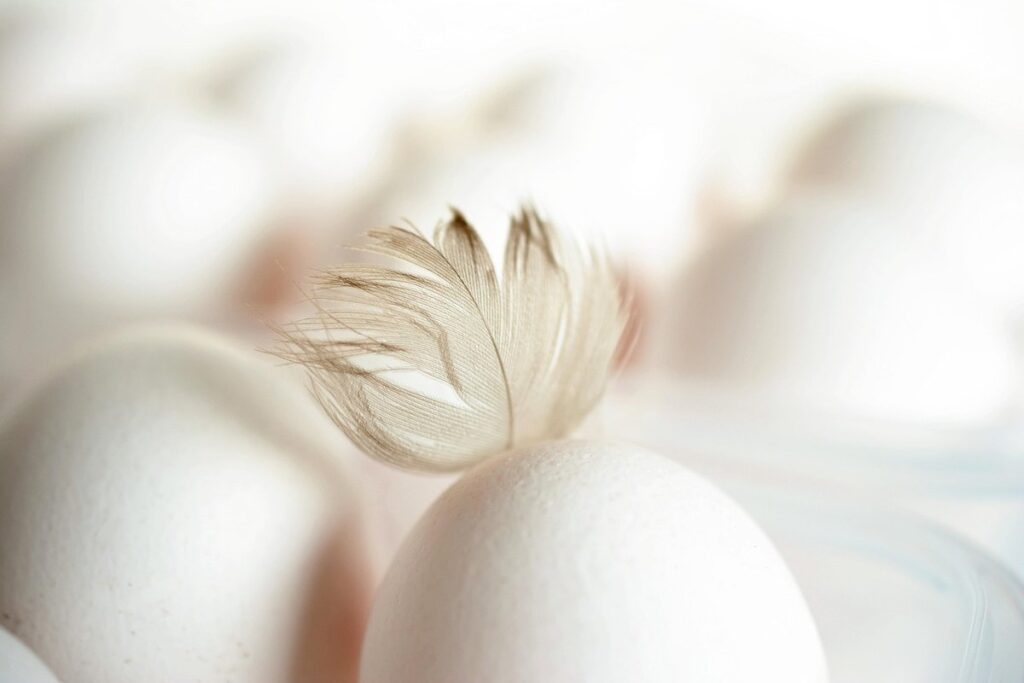
Characteristics and Types of Hen Feathers
Let’s dive into the unique characteristics that make hen feathers so special, from their structure to their various types found on different breeds.
Structure and Composition
At first glance, hen feathers may seem like a simple, homogeneous entity. However, their intricate structure is actually composed of several distinct components that work together to provide unique functions and appearances.
Let’s start from the center: the rachis, also known as the central shaft or filament, is the main axis of the feather. It provides support for the entire feather, much like a backbone supports our own skeletal system. From the rachis emerge two rows of barbs that are tightly packed together to form the vanes. These barbs and vanes provide lift during flight and insulation in colder temperatures.
It’s worth noting that each barb is made up of even smaller units called barbules, which overlap like interlocking fingers to create a robust and water-repellent surface. This unique arrangement allows hens to maintain their plumage while also shedding water easily, making them well-suited for outdoor life.
When it comes to coloration and texture, the positioning and shape of these components can greatly affect the overall appearance of the feather.
Different Types of Feathers on Hens
A hen’s plumage is more than just a pretty face – it’s a complex system designed for protection, insulation, and even flight. Let’s take a closer look at the different types of feathers found on hens.
Flight feathers, also known as rectrices, are long and stiff, with a pointed tip. These feathers allow hens to fly and maneuver in mid-air. Coverts, on the other hand, are shorter and more rounded, covering the bases of the flight feathers. They help to reduce wind resistance and provide additional support during flight.
Down feathers, or plumules, are soft and fluffy, providing excellent insulation against the elements. These tiny feathers trap warm air next to the hen’s skin, keeping her cozy in cold temperatures.
It’s worth noting that each type of feather serves a specific purpose, and all work together to create the incredible diversity of plumage we see on hens. By understanding the different types of feathers, you can better appreciate the intricate beauty of these fascinating birds.
Functions and Benefits of Hen Feathers
Hen feathers are incredibly versatile, serving not only as a means of flight but also providing warmth, insulation, and even decoration. Let’s explore their various functions in more detail.
Insulation and Temperature Regulation
When it comes to regulating body temperature, hen feathers play a crucial role. In cold weather, their thick undercoat and stiff, compact outer feathers work together to trap warm air next to the skin, keeping them snug and cozy. This remarkable insulation is thanks to the unique structure of the feathers, which allows them to provide excellent thermal resistance.
In hot conditions, the hen’s feathers take on a different role. As the temperature rises, the bird fluffs out its plumage to increase surface area and allow warm air to escape. The light, airy texture of the outer feathers also helps to reflect sunlight, keeping the bird cool. This clever mechanism is essential for hens living in hot climates or during heatwaves.
In fact, research has shown that some breeds of hen have adapted their feather structure to better suit specific temperature conditions. For example, birds from colder regions tend to have thicker, more insulating feathers, while those from hotter areas have lighter, more reflective plumage. By understanding the incredible adaptability of hen feathers, we can appreciate just how well-suited they are for regulating body temperature in a variety of environments.
Waterproofing and Protection from Elements
One of the most fascinating aspects of hen feathers is their unique ability to repel water and protect against harsh environmental factors. This is largely due to the structure of the feather itself. The barbs and barbules that make up a single feather are tightly packed, creating a dense layer that prevents water from penetrating.
When rain hits a hen’s feathers, the water droplets bead up and roll off easily, thanks to the unique properties of the quill knobs and the vanes on the barbs. This is known as self-cleaning, and it allows hens to stay dry in wet conditions. But that’s not all – the structure of the feather also helps to protect against wind and cold temperatures.
In fact, studies have shown that hen feathers can reduce heat loss by up to 70% in cold weather, keeping the bird warm and cozy even in freezing temperatures. So, how can we learn from these amazing properties? By understanding the unique structure of hen feathers, we can develop new materials and technologies that mimic their self-cleaning and insulating abilities. This could lead to breakthroughs in fields such as waterproof clothing, building insulation, and more.
Importance of Hen Feathers in Animal Behavior
Let’s take a closer look at how hen feathers play a crucial role in animal behavior, from communication to social hierarchy. You’ll be surprised by their importance!
Attractiveness and Mating Rituals
When it comes to attracting potential mates and establishing dominance within a flock, hen feathers play a crucial role. In the avian world, visual displays are a key component of courtship rituals, and hen feathers are no exception.
A male chicken‘s plumage is often more vibrant and extravagant than that of his female counterpart, which serves as a signal to potential mates of his health, strength, and genetic quality. During mating season, a rooster will often spread his tail feathers wide, puff out his chest, and shake his wings to showcase his impressive plumage.
In fact, studies have shown that females are more attracted to males with brighter, more symmetrical feathers, as these characteristics are associated with higher fertility rates and genetic diversity. By showcasing their stunning feathers, roosters can increase their chances of securing a mate and reproducing successfully.
As a backyard chicken keeper, you can encourage healthy mating rituals by providing a stimulating environment that allows your birds to showcase their natural behavior.
Display and Signaling Among Hens
When it comes to communicating with each other, hens rely heavily on their feathers as a means of non-verbal communication. Through various displays and signaling behaviors, they convey important information about their intentions, emotions, and social status.
One way hens use their feathers is to signal aggression or fear. When threatened or territorial, hens will often fluff out their feathers, causing them to appear larger than they actually are. This behavior serves as a warning sign to potential predators or rivals, signaling that the hen is prepared to defend herself if necessary. Conversely, when frightened, hens may tuck their heads and tails under their wings, exposing their vulnerable underside.
On the other hand, hens also use their feathers to display friendliness and courtship behaviors. During mating season, dominant roosters will often engage in elaborate displays of plumage, raising their hackles (the long feathers on either side of the neck) and puffed out chests to attract potential mates. Similarly, friendly hens may exhibit subtle behaviors such as gently preening or softly ruffling each other’s feathers, indicating affection and social bonding.
By paying attention to these subtle cues and displays, we can gain a deeper understanding of hen behavior and even improve our own relationships with them through more effective communication and management strategies.
Hen Feather Care and Maintenance
Taking good care of your hen’s feathers is crucial for her health and well-being, and it’s easier than you think! Here are some essential tips to keep her plumage looking its best.
Grooming Techniques for Healthy Feathers
When it comes to keeping your hen’s feathers healthy and looking their best, grooming is key. In the wild, hens spend up to a quarter of their day preening, which involves cleaning, drying, and arranging their feathers. You can mimic this natural behavior by setting aside some time each week for proper grooming.
Start by gently removing any tangles or mats from your hen’s feathers using a detangling tool specifically designed for birds. Be patient and work slowly to avoid causing discomfort or pain. Once you’ve removed any knots, use a clean towel or cloth to dry the affected area thoroughly.
To keep your hen’s feathers shiny and healthy, apply a small amount of oil specifically formulated for poultry. You can also mix in some vitamin E oil to provide an extra dose of nutrients. Gently rub the oil into your hen’s skin and feathers, working from head to tail. This will help to lock in moisture and protect against dryness.
Regular preening and oil application will go a long way in keeping your hen’s feathers looking their best. Make it a regular part of your routine, and you’ll be rewarded with healthy, shiny feathers that are sure to impress!
Common Health Issues Affecting Hen Feathers
As we delve into the fascinating world of hen feathers, it’s essential to address some common health issues that can affect their appearance and overall well-being. Molting disorders, for instance, are a relatively common problem where hens experience stress or nutritional deficiencies during their molting period, leading to uneven feather growth or loss. To mitigate this issue, ensure your flock receives a balanced diet rich in protein and vitamins during the pre-molting phase.
Another significant concern is feather plucking, which can be caused by anxiety, stress, or even nutritional imbalances. To address this issue, provide your hens with a stimulating environment, complete with adequate space to roam and engage in natural behaviors like foraging and scratching. Regular exercise and mental stimulation can also help alleviate stress.
Additionally, external parasites like mites and lice can cause significant discomfort and lead to feather damage. Regular cleaning of the coop, as well as monitoring your flock’s health on a regular basis, can help prevent infestations. If you do encounter an issue with parasites, use gentle, medicated shampoos or powders specifically designed for poultry.
By being aware of these common health issues and taking proactive measures to address them, you’ll be able to keep your hens’ feathers looking their best while also promoting their overall well-being.
Cultural Significance of Hen Feathers
Hen feathers have long held a special place in various cultures, not just as a functional layer for hens but also as a symbol of good fortune and prosperity. Let’s explore their cultural significance together!
Symbolism and Representation in Art and Literature
Hen feathers have been imbued with symbolic meanings across various cultures and time periods. In many ancient societies, hens were revered for their fertility and maternal instincts, making hen feathers a symbol of protection, nurturing, and rebirth. For example, in some African cultures, hen feathers are believed to possess spiritual powers that ward off evil spirits.
In art and literature, hen feathers have been used as motifs to represent femininity, innocence, and vulnerability. The use of hen feathers in mythology is also significant, with many stories depicting hens as symbols of wisdom, courage, and resilience. For instance, the Norse goddess Frigga was often depicted wearing a cloak made of hen feathers, symbolizing her power and fertility.
In modern times, hen feathers have been used in various forms of art to convey themes of mortality, impermanence, and transformation. Artists often use hen feathers as a metaphor for the transience of life, highlighting the beauty that can be found in decay and renewal.
Craftsmanship and Decorative Uses of Hen Feathers
Hen feathers have been a prized material for traditional crafts and decorative arts across cultures. In many African countries, hen feathers are used to adorn masks and headdresses, symbolizing spiritual connection and ritual power. For instance, the Maasai people of East Africa use brightly colored feathers in intricate beaded jewelry and ornaments.
In Japan, hen feathers have been employed in traditional Kabuki theater as a decorative element for costumes and wigs. The vibrant plumage adds an air of drama and flair to these elaborate stage performances. Similarly, in Western fashion, designers have incorporated hen feathers into haute couture pieces, such as evening gowns and accessories.
If you’re interested in incorporating hen feathers into your own craft projects or home decor, consider the following: choose high-quality feathers that are suitable for crafting; experiment with different adhesives, such as glue or needle-and-thread techniques, to secure the feathers in place.
Conclusion
As we’ve explored the fascinating world of hen feathers, it’s no wonder why they’re so unique and diverse. From their vibrant colors to their intricate patterns, each feather tells a story about its owner’s breed, health, and environment. Whether you’re a seasoned chicken keeper or just starting out, understanding the characteristics of hen feathers can greatly enhance your experience with these lovable birds.
Now that we’ve delved into the details of hen feathers, what can you do next? Keep a close eye on your flock’s feather development to monitor their health and well-being. Be sure to provide a balanced diet and proper living conditions to promote healthy plumage growth.
Frequently Asked Questions
Can I use hen feathers for crafts without harming the birds?
Yes, you can use hen feathers for various crafts while ensuring the well-being of the hens. Collect feathers that have naturally fallen off or ask your local poultry farmer if they have any spare feathers to give away. Clean and dry them properly before using them in your crafts.
How do I prevent common health issues affecting hen feathers?
Regular grooming, proper nutrition, and a clean living environment are essential for maintaining healthy hen feathers. Ensure the hens’ diet includes essential nutrients like biotin, vitamin E, and omega-3 fatty acids. Also, provide regular dust baths to help remove parasites.
Can I use different types of feathers from various breeds in my crafts?
Yes, you can experiment with diverse feather types from different breeds, but it’s essential to consider their unique characteristics and textures. For example, some breeds have longer, more lustrous feathers that might be better suited for decorative pieces, while others may have shorter, stiffer feathers suitable for crafts requiring structure.
How do I properly clean and care for used hen feathers in my craft projects?
Always wash the feathers gently with mild soap and lukewarm water. Rinse thoroughly and let them air-dry to prevent damage or discoloration. You can also use a small amount of glycerin to help maintain their texture and prevent brittleness.
Are there any specific guidelines for using hen feathers in decorative or symbolic contexts?
Yes, consider the cultural significance and symbolism associated with different types of feathers when using them in decorative or symbolic contexts. For instance, some cultures associate certain feathers with good luck or prosperity, while others may have taboos surrounding their use. Be respectful and aware of these nuances to avoid unintended offense.